null
Air Curtains

Air Curtains

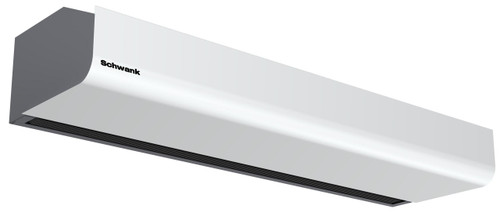
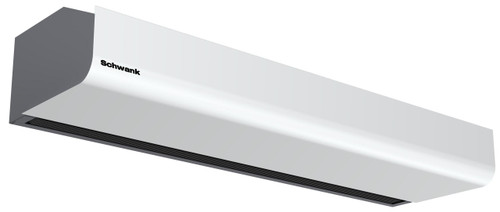
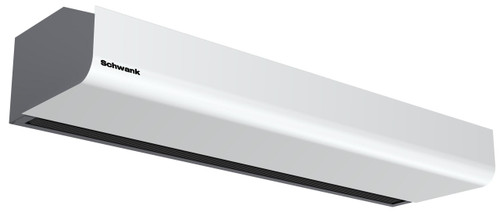
Every time a commercial door swings open or a loading dock stays propped all day, conditioned air walks right out and unconditioned air rushes in. That is not a minor nuisance; it shows up on the energy bill, it lets insects and dust in, and it makes whatever comfort system is running work harder than it should. Air curtains solve that problem by projecting a high-velocity air stream across the door opening, creating an invisible barrier between the two environments. HVAC365 stocks a broad selection of air curtains sized and rated for the applications that actually come up on the job, from a single retail entry door to a wide commercial bay, so you can match the unit to the opening rather than settling for whatever happens to be available. Whether you are sourcing a replacement for an existing unit, speccing a new commercial install, or stocking for a fleet of locations, the selection here is built to cover a real range of needs.

Air curtains sit within the broader Heaters catalog, and many models in this category do double duty: they push the air barrier and add heat to the stream, making them a practical choice for vestibule comfort as well as energy control. That combination is worth keeping in mind as you narrow down your options.

Choosing the Right Air Curtain

The most important variable to nail before anything else is door width. An air curtain that does not span the full width of the opening leaves a gap and defeats the purpose. Measure the clear opening width and match it to the unit's effective coverage spec, accounting for mounting height as well, since the air jet disperses as it travels downward. A unit that covers eight feet mounted at eight feet may not adequately cover the same opening mounted at twelve feet; check the manufacturer's coverage table for the specific mounting height on your job.

Heating versus non-heating is the next call. Unheated air curtains work well in mild climates or applications where the primary goal is insect and dust control rather than thermal separation. In colder climates, or at any opening where workers stand near the door for extended periods, a heated model adds meaningful comfort and can reduce the load on the main heating system. The tradeoff is a higher upfront cost and a dedicated electrical circuit for the heating element. Think through which benefit actually matters for the application before defaulting to one type.

Application type shapes several other decisions. A retail front entry sees moderate traffic and benefits from quieter operation and a clean appearance. A restaurant kitchen pass-through or a grocery loading dock has higher priorities: robust airflow velocity, easy cleaning, and durability. Industrial and warehouse openings often call for wider coverage and higher air velocity to handle the pressure differential created by large door openings or mechanical exhaust systems. Be specific about what the opening sees day to day before committing to a unit.

Voltage and phase requirements deserve attention before you specify. Some models run on standard single-phase power; others, particularly larger heated units, may require three-phase or higher-amperage circuits. Getting that wrong means retrofit electrical work after the unit is already on site. The electrical considerations below cover what to verify before ordering.

For distributors buying for multiple locations or resale stock, lead time and model consistency across a fleet become part of the buying decision alongside unit performance. Locking in a single model number across a group of similar openings simplifies installation, training, and future serviceability in ways that a mixed fleet does not.

Buying Tips

  • Do not undersize the mounting height. Most buyers read the door width correctly but forget to cross-reference it against mounting height in the coverage chart. A unit rated for a wide opening at low mounting heights may be marginal at the same width if the door is taller or the mounting bracket raises the unit further. Always look at the two-dimensional coverage spec together.
  • Match activation to traffic pattern. High-traffic entries that stay open most of the day can run continuously without issue, but intermittent-traffic doors benefit from an automatic activation switch tied to the door position. Buying a unit without confirming that the right activation method is included or available as an accessory leads to a manual-override workaround that rarely gets used.
  • Plan for cleaning access. Air curtain filters and intake grilles collect grease and dust at a rate proportional to the environment. In food service or industrial settings this is a maintenance item, not a one-time install task. Units with tool-free filter access cost less to maintain over time than ones requiring disassembly. Check the filter access design before committing, not after the unit is mounted overhead.
  • Heated models are sometimes paired with a building's existing heating controls, and sometimes run independently. Confirm which approach the spec calls for early. A unit that needs to integrate with a building management system or thermostat may require a control accessory that is not included in the base unit price.

Air Curtain Types and Where Each One Fits

Air curtains are not a single product type sold in different sizes. There are meaningful distinctions in how they work and what environment they are built for, and picking the right type matters more than picking the right brand.

  • Non-heated air curtains are the baseline: a motor, a blower wheel, and a discharge nozzle. They provide air separation without adding heat to the stream. These are the right call in climates where temperature differential at the door is not the concern, or in applications focused primarily on insect exclusion or dust control.
  • Electric heated air curtains add a resistance heating element to the airstream. They are the most common choice for retail entries, restaurant entrances, and commercial buildings in heating-season climates. The heat output varies by model; the site's electrical supply and the desired supplemental heat load should guide the selection.
  • Hot water or steam heated air curtains use the building's hydronic system as the heat source instead of an electric element. They are common in buildings that already have a hot water or steam loop running near the entry, and they can move substantial heat without adding to the electrical load.
  • Recirculating air curtains draw air from inside the building at both the top and bottom of the opening rather than projecting from the top only. They are used in cold-storage, refrigeration, and freezer applications where the goal is keeping a temperature-controlled space sealed while still allowing traffic through.
  • High-velocity industrial curtains are built for large openings, high differential pressures, and harsh environments. Warehouse loading docks, manufacturing bays, and agricultural facilities with wide doors and significant indoor-outdoor pressure differences call for this class of unit rather than a commercial-grade model.

What It Takes to Install One

Air curtains mount above the door opening, on the interior side, and project downward across the opening. The mounting surface needs to support the unit's weight, which varies meaningfully by size and whether a heating element is included. Verify that the wall or header structure above the door can carry that load, and that any required mounting bracket (which may be sold separately) is included in your order.

Electrical supply is a genuine pre-install checkpoint. Non-heated units are typically low-amperage and may share a circuit, but heated models draw significantly more current and often require a dedicated circuit with the correct voltage and breaker rating. Pull the spec sheet for the specific model before assuming the existing panel capacity is adequate. For three-phase units, verify that three-phase power is actually available at the location, not just at the main building service.

The unit's discharge nozzle needs to be aimed properly. Most air curtains have an adjustable discharge angle, and getting that aimed correctly at the threshold of the opening is worth doing at install rather than leaving it at a factory default. An improperly aimed jet misses the sill line and reduces effectiveness.

Activation wiring is a separate consideration from power wiring. Units tied to door switches, occupancy sensors, or building controls need low-voltage control wiring run to those devices. If the install is going into an existing doorframe with no existing control wiring, plan for that conduit or cable run as part of the scope of work.

Look up the minimum and maximum mounting height specifications for the unit being installed. Mounting the unit outside that range affects coverage and, in some cases, voids the warranty. Operating environment matters too: check the unit's rated ambient temperature range against the actual conditions at the site, particularly for cold-storage or outdoor-adjacent installations where ambient temperatures can fall well below normal indoor conditions.

Clearances around the intake and discharge should follow the manufacturer's guidelines. Blocking the intake with a ceiling soffit or mounting the unit too close to an overhead obstruction reduces airflow and stresses the motor. Measure the available space before finalizing the mounting location.

Things You Should Know Before You Buy

Q: How do I know what size air curtain I need?

A: Start with the door opening width and the mounting height above the threshold — both dimensions together determine whether the air jet reaches the floor at your actual install conditions. Matching door width alone is not enough. The coverage chart in the unit's spec sheet shows how those two numbers interact; check it before selecting a model.

Q: Do I need a heated or non-heated air curtain?

A: Insect and dust control in a mild climate typically calls for a non-heated unit. Cold-season entries and openings where workers stand nearby benefit from a heated model. The tradeoffs around upfront cost and electrical supply are covered in the sizing and selection guidance above.

Q: Can an air curtain be used on a refrigerated or freezer room?

A: Yes, but the right tool is a recirculating air curtain designed for cold-storage use, not a standard commercial unit. A standard model will not maintain adequate thermal separation and can cause condensation and icing problems. The types section above covers how recirculating units work and where they fit.

Q: What electrical supply does an air curtain require?

A: It depends on the model. Non-heated units are generally low-amperage. Heated units vary by size and heat output — some run on standard single-phase voltage, others need a dedicated higher-amperage circuit or three-phase power. Pull the electrical spec sheet for the specific unit and compare it to what is available at the install location before ordering. The install section above covers what to check on site.

Q: Do air curtains keep insects out effectively?

A: A properly sized and aimed unit is an effective insect barrier. Effectiveness depends on air velocity at the threshold being high enough to stop insects from flying through. An undersized unit or one mounted too high loses velocity at the floor line and will not reliably block entry. Sizing guidance above covers how to avoid that.

Q: Can an air curtain be tied into a building management system or thermostat?

A: Many commercial models include a control input for door switches, thermostats, or building automation. Not every unit includes the control accessory in the base package — confirm what is included before ordering. Activation wiring and integration considerations are covered in the install section above.

Q: What maintenance does an air curtain require?

A: Filter and intake grille cleaning is the primary ongoing task, and in food service or industrial environments it may need to happen weekly or monthly. Check the motor and blower for debris periodically, and verify that the discharge angle has not shifted from vibration. Units with accessible filters make that work faster and less disruptive — filter access design is worth checking before you buy, not after the unit is mounted overhead.

HVAC365 ships air curtains nationwide, with a stocked selection that covers commercial entries, industrial bays, cold-storage applications, and residential needs in one place. For a contractor whose install date is set and whose customer cannot absorb a delay, having reliable stock availability matters as much as having the right product. Orders are available for single units and volume quantities, serving everything from a single residential replacement to distributor-level purchases for multi-location programs.

Compare

Fast Shipping

Easy Returns

Warranty Coverage

Financing Available