null
Electrical Components & Controls

Electrical Components & Controls

When a ductless mini split stops responding or trips a breaker, the problem usually traces back to an electrical component or control, and getting the right replacement part quickly is what keeps a job moving or a household comfortable. Electrical components and controls are the nervous system of any mini split installation: they govern everything from power delivery and motor operation to system communication and safety shutoffs. HVAC365 stocks a broad selection across this category to cover the capacity and application range that real-world jobs actually call for, whether you're doing a single-room residential repair or working through a stack of commercial installs.

This category covers the electrical and controls hardware that supports ductless mini split systems, including disconnect boxes, capacitors, control boards, wiring harnesses, transformers, contactors, relays, and related accessories. It sits within the broader mini split accessories catalog and draws buyers from across the spectrum. Homeowners hunting a replacement part after a failed component, contractors sourcing parts before or during a service call, commercial installers speccing controls for multi-zone systems, and distributors purchasing in volume for fleet or resale stock all have a legitimate reason to be here.

Choosing the Right Electrical Component or Control

The most important thing to get right before you order is exact compatibility. Mini split electrical components are not generic. A capacitor, control board, or disconnect is matched to a specific system by voltage rating, amperage rating, and in many cases by the original equipment manufacturer's part number. The first question to answer is always: what system is this going into, and what does that system's rating plate or service manual actually specify?

For replacement parts, start with the existing component. The old capacitor, board, or relay will have markings that tell you the electrical ratings it was built to. Match those specifications exactly rather than estimating. Going slightly over on a capacitor's microfarad rating, or under on a contactor's amperage rating, can stress the system in ways that shorten equipment life or void a warranty. If the original part number is legible, use it. If it is not, the unit's model number and service documentation are the next best source.

For new installations, the governing documents are the mini split's installation manual and the local electrical code. Both will specify what the disconnect box must be rated for, what wire gauge and breaker size the circuit requires, and whether certain control accessories are compatible or required. These are not suggestions. Undersized disconnects and mismatched control boards are the kind of shortcuts that create callbacks and, in the worst cases, safety hazards.

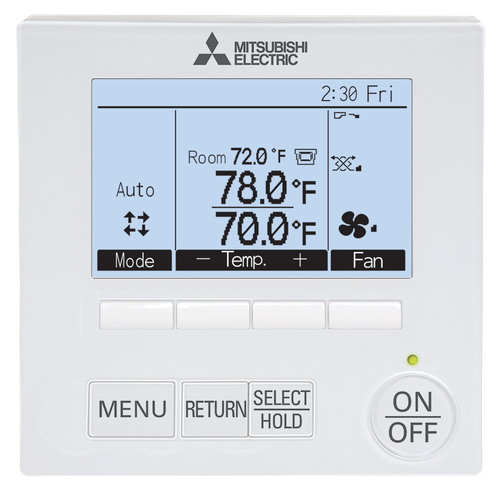
Efficiency and rebate thresholds are less directly relevant to components than they are to the mini split unit itself, but control boards and smart controllers do affect how efficiently a system operates. If your installation involves a utility rebate program, check whether the program places any requirements on control capability (such as demand-response compatibility or smart thermostat integration) before you finalize your component selection.

For distributors buying across multiple jobs or stocking for resale, the compatibility question scales up rather than simplifies. Keeping an eye on which brands and model families your contractors are working with most often, and stocking components that serve those families specifically, reduces the back-and-forth of sourcing individual parts per job.

Buying Tips

  • Do not substitute on capacitor ratings without checking the math. Capacitors are inexpensive parts, but using the wrong microfarad value causes the motor to run outside its design parameters. Check the original rating. Match it exactly unless you have an engineering reason to do otherwise and understand the trade-off.
  • Order a disconnect rated for outdoor installation if it will be outdoors. NEMA ratings matter. A disconnect box rated for indoor use only will corrode and fail in an outdoor condenser location. Check the NEMA rating against the installation environment before you order, not after the box is on the wall.
  • Photograph the wiring before you disconnect anything. Control boards and wiring harnesses on mini splits often have connectors that look identical but are not interchangeable. A photo of the original wiring takes thirty seconds and can save an hour of troubleshooting.
  • Verify the part number against the service manual, not just the unit model number. Some manufacturers use different control boards across production runs for the same model number. The service manual's parts list, tied to the serial number range, is more reliable than the model number alone.

What These Parts Actually Look Like in Practice

The range of products in this category spans a few distinct types, each serving a specific function in the system:

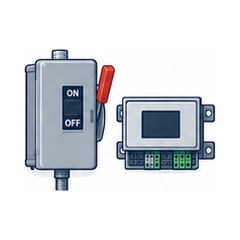
  • Disconnect boxes and switches: These provide the local power shutoff required by code at the outdoor condenser. They need to match the system's voltage and amperage, and they need to be rated for the installation environment. A fusible disconnect adds overcurrent protection at the disconnect point; a non-fusible one relies on the circuit breaker upstream.
  • Capacitors: Run capacitors and start capacitors keep compressor and fan motors running within their design parameters. They are one of the more common failure points in mini split systems. Replacement requires matching the microfarad rating and voltage rating of the original.
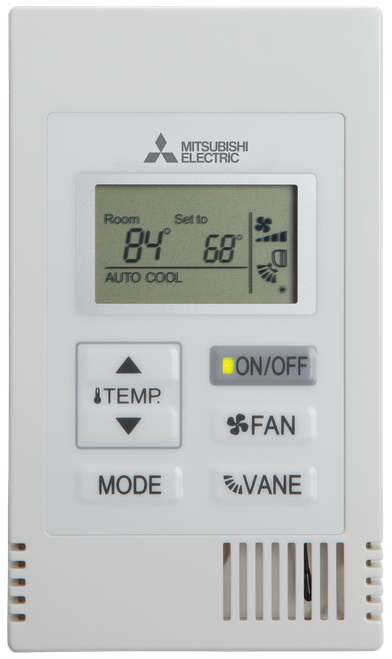
  • Control boards and PCBs: The printed circuit board is the brain of the indoor or outdoor unit. A failed board typically results in error codes, no communication between units, or the system refusing to start. Replacement boards must match the unit by manufacturer and often by a specific revision or part number, not just by model.
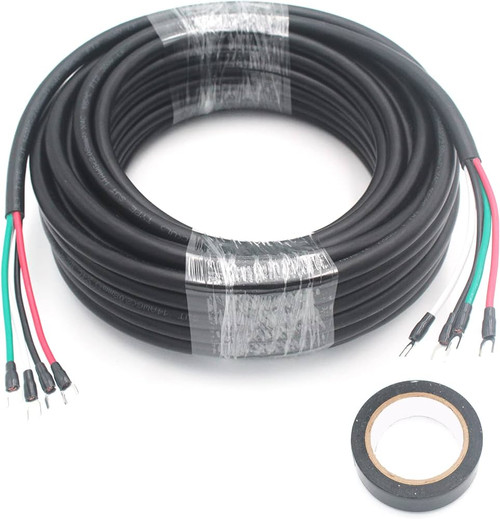
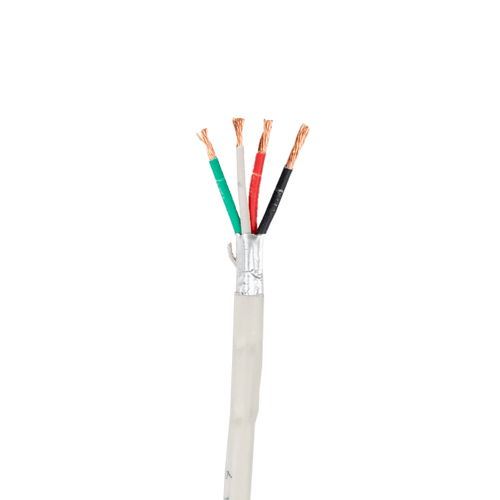
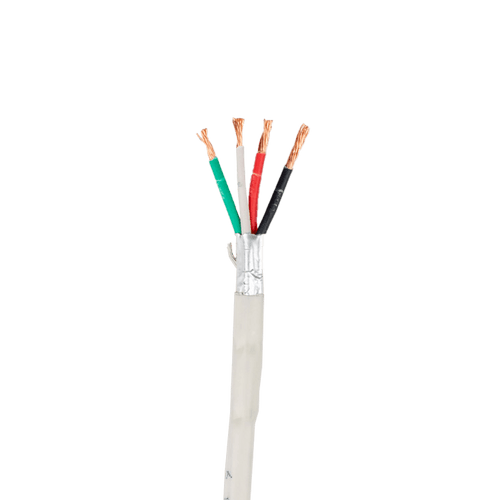
  • Wiring harnesses and communication cables: These carry both power and control signals between the indoor and outdoor units. Damaged or incorrectly terminated communication wiring is a common source of error codes and erratic behavior.
  • Contactors and relays: These control high-voltage switching in the system. Worn contactor contacts cause hard starts, chattering, and eventually failure to start. Like capacitors, they need to be matched to the system's electrical ratings.

Installation and Wiring Considerations

Before any electrical component goes into service, the site conditions need to be verified against what the component and the system require. This is where skipping steps gets expensive.

Check the existing circuit first. The breaker size, wire gauge, and disconnect rating already on site may or may not be adequate for the system being serviced or installed. Pull the mini split's installation manual and look at the minimum circuit ampacity and maximum overcurrent protection ratings. If the existing wiring does not meet those figures, the component swap is a secondary issue. The circuit needs to come up to spec first.

Voltage at the disconnect is worth measuring, not assuming. Low line voltage causes motors and compressors to draw higher current than rated, which shortens their life. If the measured voltage at the unit is meaningfully below the system's rated input voltage, that is a separate problem to address before the new component goes in.

For control boards and communication wiring, verify polarity and connector orientation carefully. Many mini split communication buses use proprietary protocols, and reversing wires or connecting to the wrong terminals can damage a new board immediately. The service manual's wiring diagram is the reference here, not the wiring diagram printed on the unit's access panel alone, which may be a simplified version.

Clearances around disconnect boxes are governed by the NEC and local code. Look up the required working clearance for the voltage class involved. Mounting a disconnect where it is physically accessible but does not meet code clearance requirements is something that will come up at inspection.

If the installation involves a smart controller or a control board with network connectivity, ask the manufacturer or check the documentation about what network configuration is required and whether the system's firmware needs to be updated to support it. Incompatibility between a new smart control and an older system firmware version is a real and avoidable problem.

Things You Should Know

Q: How do I know which replacement control board is compatible with my mini split?

A: Use both the model number and the serial number — some manufacturers revised their boards mid-production run, so the same model number may use more than one variant. Cross-reference the service manual's parts list against your unit's serial number range for the most reliable part number.

Q: Can I use a higher-amperage disconnect than the system requires?

A: Yes, with limits. A disconnect rated above the system's amperage draw is generally acceptable as long as it does not exceed the maximum overcurrent protection rating in the installation manual and is properly rated for the voltage and installation environment. Going below the required rating is not acceptable. When in doubt, match the installation manual's specification exactly.

Q: What does a failed capacitor look like, and how do I confirm it?

A: A failed capacitor sometimes shows a bulged or leaking case, but often fails without any visible damage. Confirm with a capacitance meter: a reading significantly below the rated microfarad value — typically more than five to ten percent — means the capacitor is out of spec and needs replacement. Visual inspection alone is not reliable.

Q: Do I need a fusible or non-fusible disconnect?

A: Check the installation manual for your specific system, and check local code. The difference between the two is covered in the product type descriptions above. Some manufacturers require fusible; others permit either. When documentation conflicts or is unclear, verify against both the equipment manual and the applicable electrical code.

Q: Why does my mini split show an error code after I replaced the control board?

A: The most common causes are a wiring error during reinstallation, a board that does not match the exact revision the unit requires, or a firmware mismatch. Cross-check your wiring against the service manual's diagram, confirm the part number matches your unit's serial number range, and check with the manufacturer about whether a firmware update is needed. The wiring photo tip in the buying section above is directly relevant here.

Q: Are these electrical components compatible with all mini split brands?

A: In most cases, no. Capacitors are more interchangeable because they are rated by universal electrical specifications, but control boards, communication wiring, and proprietary relays are typically brand-specific and often model-specific. Always verify compatibility using the equipment's own documentation rather than assuming similar-looking parts are interchangeable.

Q: What electrical work on a mini split requires a licensed electrician?

A: This varies by jurisdiction. Most localities require a licensed electrician for any work involving the dedicated circuit, the breaker panel, or the permanent wiring to the disconnect. Replacing a component within the unit itself — a capacitor, a control board — may fall under HVAC technician licensing depending on local rules. Check the requirements for your specific location before starting any electrical work, and pull the appropriate permits where required.

HVAC365 ships electrical components and controls for ductless mini splits to all fifty states, with a stocked catalog broad enough to cover residential one-for-one replacements through distributor volume orders. When a failed component has a system down, having the right part available without waiting on a special order is the difference between a repair that happens today and one that drags into next week.

Compare
Show: 12 24 48

Fast Shipping

Easy Returns

Warranty Coverage

Financing Available