
-
$895.95Ships in 1-2 Business Days5 in stock
-
Appion
Appion Twin Cylinder Refrigerant Recovery Unit R134A R22 R407C R410A A2L Compatible | G5Twin
SKU: G5Twin
Was:$1,205.95$939.99Ships in 1-2 Business days105 in stock
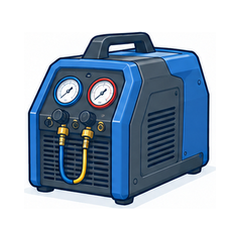
Recovering refrigerant before opening a system isn't optional — EPA Section 608 makes it a legal requirement, and doing it right protects the technician, the equipment, and the environment. When a recovery job comes up, having the correct machine for the refrigerant type and system size is what keeps the work moving and the ticket closed the same day. HVAC365 stocks recovery machines across a range of capacities and application types so you're not hunting around when the job is already scheduled. Whether you're a homeowner replacing an old unit, a commercial facilities team decommissioning aging equipment, a service contractor cycling through multiple jobs a week, or a distributor stocking machines for a service fleet, this category has options sized to what you're actually doing.
Recovery machines are not a one-size-fits-all purchase. The first question to resolve is what refrigerant type — or types — you'll be recovering. Not every machine handles every refrigerant, and running the wrong refrigerant through a machine can contaminate the recovery cylinder and damage internal components. Check the refrigerant compatibility list on the machine's spec sheet against the systems you'll be working on before you buy.
Next, think about system size and volume. A machine sized for a small residential system will take an impractically long time on a large commercial system, and the reverse — an oversized machine on a small residential system — may not be the best use of budget. Look at the machine's rated recovery speed (typically expressed as pounds per minute or similar) and match it to the charge sizes you routinely handle. If your work spans both small residential splits and larger commercial equipment, you'll want to weigh whether one mid-range machine covers both adequately or whether two targeted tools make more sense operationally.
Push-pull capability is another real consideration for larger systems. A push-pull configuration uses both the recovery machine and the system's own compressor to move refrigerant faster — relevant if you're regularly dealing with large charges where recovery time directly affects job efficiency. For residential light-commercial work, a single-pass pull-only machine is usually sufficient and simpler to set up.
Oil-less versus oil-lubricated compressor design is a tradeoff worth understanding. Oil-less machines are generally lighter, require less maintenance, and avoid the risk of oil contamination in the recovery cylinder. Oil-lubricated machines typically run cooler under sustained heavy use and may have a longer service life in high-volume shop environments. Neither is universally better — it depends on how intensively the machine will be used and how much maintenance you're prepared to manage.
Distributors buying in volume should also evaluate lead time, warranty terms, and whether the manufacturer provides service parts through familiar channels — a machine that's hard to service in the field is a liability in a large fleet, regardless of purchase price.
The recovery machine market broadly breaks down along a few real lines, and knowing which type fits your situation makes the purchase straightforward.
Recovery machines run on electrical power, so the first thing to check is what power is available at the job site. Most recovery machines designed for field use run on standard single-phase 120V power, which means a standard outlet or a generator with appropriate output. Some higher-capacity commercial machines require 240V or may offer dual-voltage configurations — look at the machine's voltage rating and verify it matches what the site can supply before you commit to a machine.
Recovery cylinders are a consumable part of the process. Make sure the cylinder you're using is in hydrostatic test date, rated for the refrigerant you're recovering, and has remaining capacity for the charge size you're pulling. Overfilling a recovery cylinder is a safety and regulatory violation. Most machines will include guidance on recommended cylinder sizing, but the technician is responsible for tracking fill level.
For larger commercial jobs, measure how much space you have to stage the machine and cylinder near the equipment. Recovery setups can involve short runs of hose and positioning matters — working in a cramped mechanical room with a large machine is a real logistical consideration, not an afterthought. Check the machine's hose connection sizes and verify your existing gauges and hoses are compatible, or plan to add adapters.
Ambient temperature affects recovery performance. Very cold ambient conditions can slow vapor recovery and make liquid recovery harder as refrigerant viscosity changes. Some machines are rated for a specific ambient operating range — check the spec sheet if you're working in extreme cold or heat environments regularly.
On the maintenance side, oil-lubricated machines require periodic oil checks and changes. Factor in where you'll source service oil and how often the machine will need it under your expected use volume. Oil-less machines skip that step but may have other wear components (valves, tip seals) that need periodic inspection. Keep the manufacturer's service schedule in reach, not just the quick-start guide.
A: Yes — EPA Section 608 requires it regardless of system size, and venting refrigerant is illegal. A recovery machine is required equipment for anyone servicing or replacing a refrigerant-containing system.
A: Check the compatibility list in the machine's technical documentation or on its label. Don't assume a machine is universal — running an incompatible refrigerant can contaminate the recovery cylinder and void the warranty. The buying guidance above covers this as the first factor to resolve before purchase.
A: Recovery is removing refrigerant from a system into a recovery cylinder — what a recovery machine does. Recycling is cleaning recovered refrigerant (removing oil and moisture) for reuse on the same job or same equipment. Reclaiming is sending refrigerant to a certified facility to be processed back to virgin-grade purity. A recovery machine handles only the first step; recycling requires separate equipment, and reclaiming requires a certified reclaimer.
A: No. Mixing refrigerants creates a blend that cannot be reclaimed and must be disposed of as hazardous waste — at your expense. Dedicate each cylinder to a single refrigerant type and label it clearly. The cylinder tips above cover the practical discipline around this.
A: Recovery speed matters most when you're handling large refrigerant charges or running multiple jobs per day. Match the machine's rated recovery speed to the typical charge sizes you encounter — this is covered in the machine-selection guidance above as one of the most practical factors to evaluate before purchase.
A: Most recovery machines are sold without a recovery cylinder. Make sure any cylinder you use is DOT-approved for the refrigerant you're recovering, is within its hydrostatic test date, and has sufficient capacity for the charges you'll be pulling.
A: Oil-lubricated machines require regular oil inspection and changes per the manufacturer's service schedule. Oil-less machines skip the oil maintenance but typically have internal wear components — valves, tip seals — that need periodic inspection. The site-readiness section above goes deeper on both; follow the manufacturer's service intervals regardless of machine type.
HVAC365 ships recovery machines nationwide, so a machine ordered today can be on site before the job stalls — whether that's a contractor whose schedule doesn't have slack or a facilities team working against a decommission deadline. Volume orders for distributors or service fleets are handled directly; reach out if you're stocking multiple units and need to discuss quantities or lead times. Residential buyers replacing a single system can order with the same confidence as a fleet buyer — availability and fulfillment work the same way regardless of order size.
Appion
SKU: G5Twin

Fast Shipping

Easy Returns

Warranty Coverage

Financing Available

