null
Fire Pits

Fire Pits

There is something specific a fire pit does that most outdoor improvements cannot: it extends the usable season of a backyard or patio by weeks, sometimes months, and it pulls people toward a single point of warmth instead of scattering them inside when the temperature drops. Whether you are a homeowner replacing a worn-out unit, a contractor outfitting a landscape or outdoor living project, or a distributor stocking up on a product that peaks hard in spring and early summer, HVAC365 keeps a broad, stocked selection so you are not waiting on availability when the season opens. Fire pits belong to the wider Outdoor Living catalog here, sitting alongside the other products that make an exterior space genuinely livable. The category covers every main style: wood-burning fire pits, propane-fueled units, and natural gas models, in round, square, and rectangular configurations, ranging from compact portable designs to large permanent installations. Residential homeowners and renters looking to upgrade a patio, contractors and landscape professionals specifying units for a client job, and distributors buying in volume for seasonal stock all shop this category regularly.

Choosing the Right Fire Pit

The first question to settle is fuel type, because it shapes nearly everything else about the purchase. Wood-burning fire pits are the most traditional choice: they produce real crackling flame and woodsmoke, they require no fuel line or tank, and they tend to cost less upfront. The tradeoff is that they need a steady supply of dry firewood, they produce ash that needs cleaning, and many municipalities or HOAs restrict open wood-burning fires, especially during dry seasons. Before choosing a wood-burning model, check your local burn ordinances and any community rules that apply to your property.

Propane fire pits run off a standard tank, which makes them portable and easy to position anywhere on a deck or patio without any permanent installation. The flame is clean, consistent, and easy to shut off. The ongoing cost of refilling propane tanks adds up over time, and running out mid-evening is a real nuisance, so buyers who plan to use a propane unit frequently should factor in tank size and refill logistics. If portability is the priority, propane is almost always the right answer.

Natural gas fire pits connect to a home's existing gas supply and are the most convenient long-term option for a fixed installation: no tanks to swap, no wood to haul, and the fire starts with a switch or igniter. The tradeoff is that installation requires a permanent gas line run to the site, which means a licensed plumber or gas fitter and a permit in most jurisdictions. This configuration is the most common choice for permanent outdoor kitchens, built-in patios, and landscape projects where the fire pit is a fixed feature. Contractors specifying a natural gas unit for a client should verify that the existing gas service has sufficient capacity and that the line run is feasible before quoting the job.

Beyond fuel type, think carefully about size relative to the space. A fire pit that is too small for a large patio loses its draw; one that is too large for a compact deck creates a safety clearance problem. Most manufacturers publish minimum clearance requirements to combustibles, and those figures should be measured against the actual site before purchase, not estimated. The installation-readiness notes further down cover what to check on site before finalizing that decision.

Style and material matter for durability as much as aesthetics. Steel fire pits are common and affordable but will rust over time without proper care or a protective coating. Cast iron holds heat well and is durable but heavy. Concrete and stone-look composites weather well and suit permanent installations. If the unit will live outdoors year-round in a wet climate, look for powder-coated or corrosion-resistant finishes and check whether the manufacturer's warranty covers outdoor exposure.

For distributors or contractors purchasing multiple units, lead time and stock depth are real buying considerations alongside unit price. Seasonal demand spikes sharply around May, so orders placed in late winter tend to land before the crunch.

Buying Tips

  • Measure clearances before you buy, not after. Every fire pit has a minimum required distance from structures, fencing, overhead coverings, and combustible furniture. These vary by model and fuel type. Pull the spec sheet for the unit you are considering and measure your actual site. A fire pit that technically fits the space but violates clearance requirements is a liability and a return problem.
  • Confirm your gas connection before ordering a natural gas model. Natural gas fire pits require a dedicated gas line to the installation point. If one does not already exist, budget for the plumbing work and permit separately. Buyers sometimes order the fire pit first and discover the gas line retrofit costs more than the unit itself.
  • Check local ordinances before you finalize fuel type. Wood-burning fire pits are restricted or prohibited in many areas, especially during fire season or in dense residential zones. This is cheap to verify before purchase and painful to discover after delivery.
  • A cover is not optional if the unit lives outside year-round. Most fire pits are sold without a cover. A fitted cover protects the burner, the bowl, and any ignition components from rain and debris. Factor it into the total cost rather than treating it as an afterthought.

Fire Pit Styles and Configurations

Fire pits in this category break down along a few genuinely meaningful lines, and knowing which configuration fits your situation makes the rest of the decision straightforward.

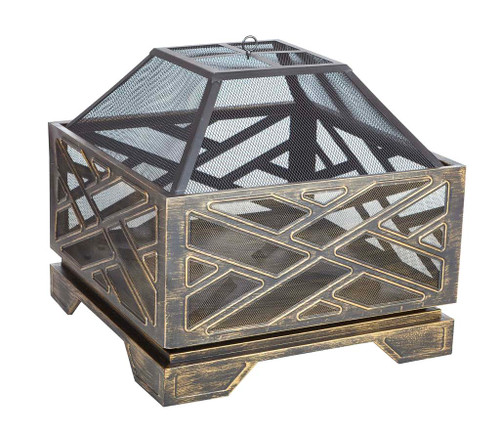
  • Wood-burning fire pits: Traditional bowl or ring designs, typically steel or cast iron, sized for open flame and ash collection. Best for buyers who want authentic campfire experience and are not constrained by burn restrictions. Require no fuel infrastructure but do require ongoing firewood supply and periodic ash cleanup.
  • Propane fire pits: Self-contained units with a burner fed by a standard propane tank, usually stored in a lower compartment or base cabinet. Available in table-height designs that double as outdoor furniture. Portable and easy to reposition. Best for decks, patios, or renters who need a no-permanent-install solution.
  • Natural gas fire pits: Permanently connected to a home or commercial gas supply. Available in built-in and freestanding models. Offer the most convenient long-term operation for fixed outdoor spaces. Require professional installation of the gas line.
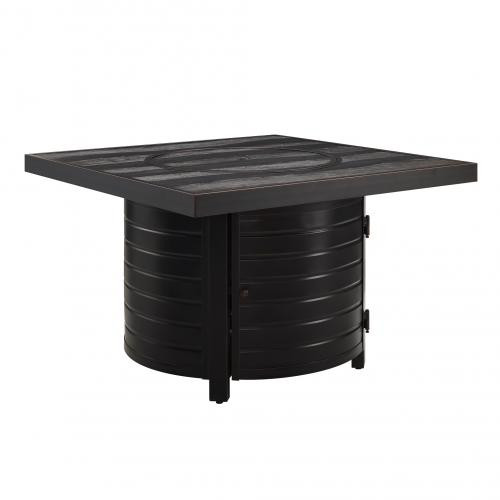
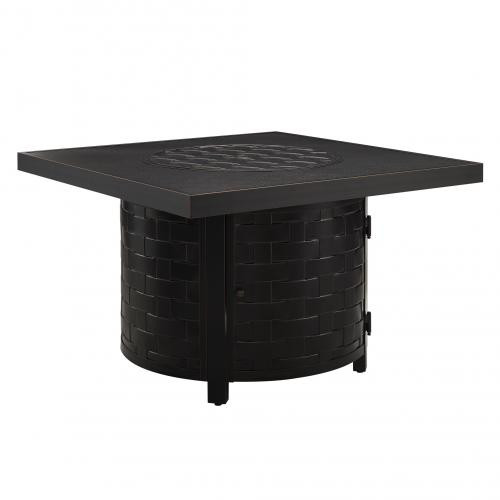
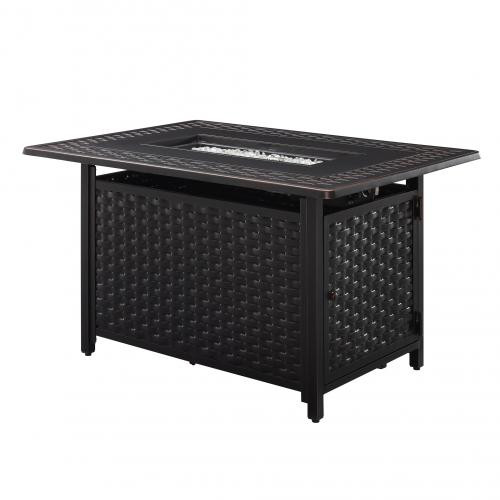
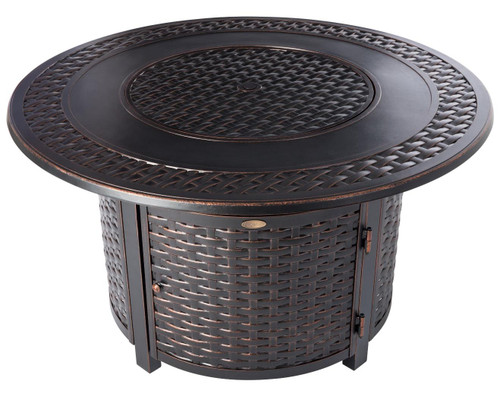
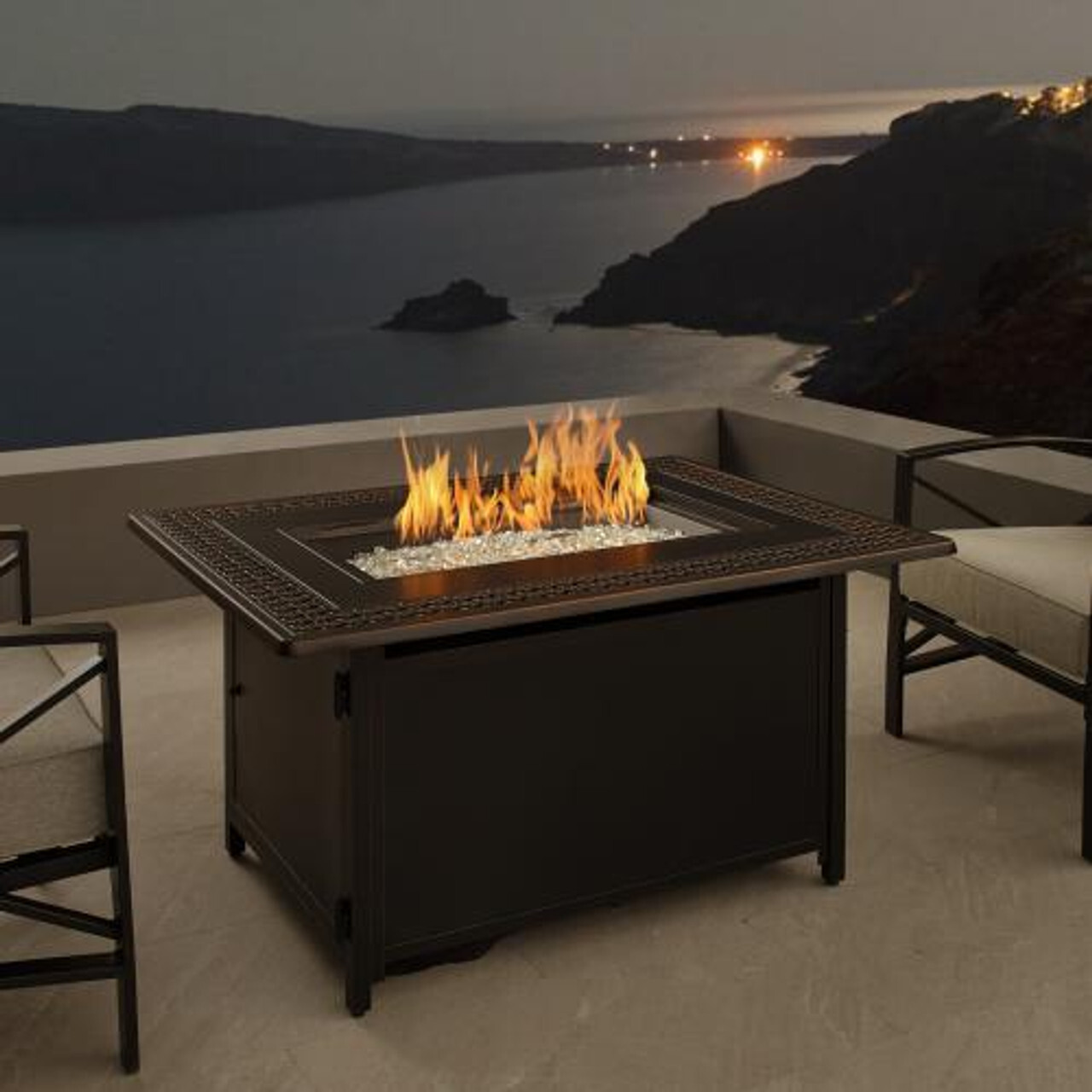
  • Fire pit tables: A category of propane or natural gas units built into a table frame, so the fire pit serves as both a heat source and a surface for drinks and outdoor dining. Popular for furnished patios where dual-function pieces make sense.
  • Portable and tabletop models: Smaller, lightweight units designed for occasional use, camping, or small balconies. Lower heat output and shorter run times than full-size models, but easy to store and move.

What It Takes to Set One Up

Wood-burning and propane fire pits are generally the simplest to get running. A wood-burning unit typically arrives assembled or with minimal assembly required: set it on a level, non-combustible surface, maintain the manufacturer's clearance distances, and it is ready to use. Propane models add a few steps: connect the regulator hose to the tank, verify there are no gas leaks with soapy water at the connection points, and test the igniter or pilot before first use. Keep the tank upright and in a ventilated area.

Natural gas installations are a different commitment. The gas line needs to be run by a licensed plumber or gas fitter in most jurisdictions, and a permit is typically required. Before scheduling that work, verify that the home's or building's gas meter and service line can handle the additional load. The fire pit's BTU rating determines how much gas it draws; your gas professional will need that figure to size the line and fittings correctly. Pull the spec sheet or rating label from the unit before the gas contractor arrives.

For any fire pit on a deck, verify that the decking material is rated for the heat exposure and that the clearance to overhead structures (pergolas, awnings, roof overhangs) meets the manufacturer's minimums. Many manufacturers specify a minimum vertical clearance above the flame in addition to horizontal clearance from surrounding objects. Measure both.

Ignition systems vary. Battery-powered electronic igniters are convenient but need fresh batteries. Piezo igniters are mechanical and do not require a power source but can wear over time. Some natural gas units support a hardwired electronic ignition or remote control. Check whether the ignition system the unit ships with matches what you want for the installation, and look up whether replacement igniter components are readily available for that model.

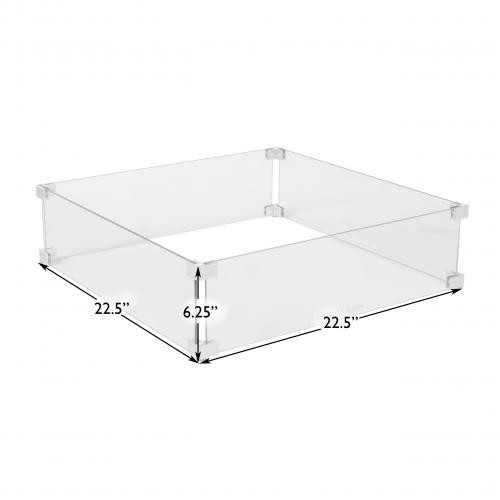
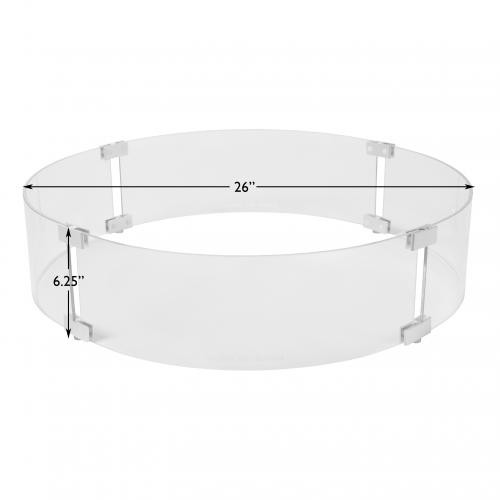
Windscreens and spark guards are worth factoring in as accessories. A spark guard screen on a wood-burning fire pit reduces the risk of embers landing on nearby furniture or combustible surfaces. A glass windscreen on a gas fire pit protects the flame from wind and can significantly improve performance in exposed locations. Neither is typically included in the base unit price.

Things You Should Know Before You Buy

Q: Do I need a permit to install a fire pit?

A: It depends on the fuel type and your jurisdiction. Wood-burning fire pits rarely require a permit but are subject to local burn restrictions. Natural gas fire pits almost always require a permit for the gas line work. Propane models with no permanent installation typically do not require a permit, but local fire codes may still apply to placement on decks or near structures. Check with your local building department or fire marshal before installation.

Q: What size fire pit do I need for my patio?

A: Measure your space, lay out where seating will go, and then check the manufacturer's clearance requirements for the specific unit you are considering. The guidance on clearances and size in the selection section above covers what to look at — the short version is that a fire pit that fills a space visually but leaves inadequate clearance to a fence or deck rail is a safety issue, not just a styling one.

Q: Can I use a propane fire pit on a covered patio or screened porch?

A: Most manufacturers do not recommend using propane or natural gas fire pits in enclosed or semi-enclosed spaces because of carbon monoxide buildup and combustion risks. A covered patio that is fully open on the sides may be acceptable depending on the specific unit's guidance, but a screened-in porch or any space with limited airflow is generally not a safe location. Always follow the manufacturer's installation and use instructions for the specific model.

Q: How do I choose between propane and natural gas?

A: The fuel-type comparison earlier walks through this in full. In short: propane when you want portability or a gas line is impractical; natural gas for a fixed outdoor space where long-term convenience justifies the line installation.

Q: What maintenance does a fire pit require?

A: Wood-burning models need ash removed regularly to maintain airflow and prevent corrosion of the bowl. Gas models need the burner and media (lava rock, fire glass, ceramic logs) inspected periodically for debris and the igniter tested before each season. All outdoor fire pits benefit from a fitted cover when not in use. Check the manufacturer's guidance for any model-specific maintenance intervals.

Q: Can a fire pit be left outside year-round?

A: Many fire pits are designed for permanent outdoor placement, but exposure to rain, snow, and UV light will accelerate wear on most materials. Powder-coated steel and cast iron both corrode with sustained moisture exposure if the finish is compromised. Using a fitted weatherproof cover and, where possible, moving the unit or its propane tank indoors during winter extends its service life significantly. Check the manufacturer's warranty terms for outdoor exposure conditions before assuming year-round outdoor placement is covered.

Q: Are fire pit tables worth the extra cost?

A: Fire pit tables cost more than standalone fire pits because they include the table frame and surface material in addition to the burner assembly. If you are furnishing a patio and want a piece that functions as both a heat source and a surface, a fire pit table can replace a separate side or coffee table, which partially offsets the cost. If you already have outdoor furniture and just want the fire feature, a standalone model is typically the more economical choice.

HVAC365 ships fire pits nationwide, and the catalog spans a broad enough range of fuel types, sizes, and configurations that most buyers find what they need without settling. Whether you are placing a single unit for a home patio or sourcing a seasonal stock order, the selection is available for residential purchases through distributor volume quantities. Browse the full lineup and order directly; if you have a question about a specific unit before committing, reach out and someone who knows the product will help you sort it out.

Compare
Show: 12 24 48

Fast Shipping

Easy Returns

Warranty Coverage

Financing Available