
-
HVAC365
HVAC365 All Yours Essential Oil - Inspired by 1 Hotel Aromatherapy for Cold Air Diffusers Hotel Collection | AY200
SKU: AY200
$9.95- 📦$9.95 Flat-Rate Shipping
- ⚡Fast Shipping
Ships in 1-2 Business Days149 in stock -
HVAC365
HVAC365 64K Essential Oil - Inspired by W Hotel Aromatherapy for Cold Air Diffusers Hotel Collection | AY200
SKU: AY240
$9.95- 📦$9.95 Flat-Rate Shipping
- ⚡Fast Shipping
Ships in 1-2 Business Days149 in stock -
$41.99
- 📦$9.95 Flat-Rate Shipping
- ⚡Fast Shipping
Ships in 2-4 Business days35 in stock -
HVAC365
HVAC365 Cloud Theory Essential Oil - Inspired by Westin Hotels Aromatherapy for Cold Air Diffusers Hotel Collection | CT200
SKU: CT200
$9.95- 📦$9.95 Flat-Rate Shipping
- ⚡Fast Shipping
Ships in 3-5 Business Days25 in stock -
HVAC365
HVAC365 Liquid Gold Essential Oil - Inspired by W Hotels Aromatherapy for Cold Air Diffusers Hotel Collection | LG200
SKU: LG200
$9.95- 📦$9.95 Flat-Rate Shipping
- ⚡Fast Shipping
Ships in 1-2 Business Days25 in stock -
$45.99
- 📦$9.95 Flat-Rate Shipping
- ⚡Fast Shipping
Ships in 2-4 Business days35 in stock -
HVAC365
HVAC365 Velour Nights Essential Oil - Inspired by The Edition Hotel Aromatherapy for Cold Air Diffusers Hotel Collection | VRN200
SKU: VRN200
$9.95- 📦$9.95 Flat-Rate Shipping
- ⚡Fast Shipping
Ships in 3-5 Business Days25 in stock -
HVAC365
HVAC365 Palm Ritual Essential Oil - Inspired by The Ritz-Carlton Aromatherapy for Cold Air Diffusers Hotel Collection | PR200
SKU: PR200
$9.95- 📦$9.95 Flat-Rate Shipping
- ⚡Fast Shipping
Ships in 1-2 Business Days25 in stock -
$126.67
- 📦$19.95 Flat-Rate Shipping
- ⚡Fast Shipping
Ships in 2-4 Business days35 in stock -
HVAC365
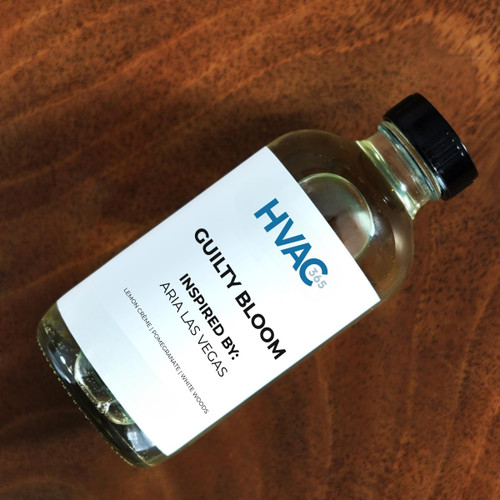
HVAC365 Guilty Bloom Essential Oil - Inspired by Aria Las Vegas Aromatherapy for Cold Air Diffusers Hotel Collection | GB200
SKU: GB200
$9.95- 📦$9.95 Flat-Rate Shipping
- ⚡Fast Shipping
Ships in 3-5 Business Days25 in stock -
HVAC365
HVAC365 Pacific Muse Essential Oil - Inspired by Delano Miami Beach Aromatherapy for Cold Air Diffusers Hotel Collection | PM200
SKU: PM200
$9.95- 📦$9.95 Flat-Rate Shipping
- ⚡Fast Shipping
Ships in 3-5 Business Days25 in stock -
$126.67
- 📦$19.95 Flat-Rate Shipping
- ⚡Fast Shipping
Ships in 2-4 Business days35 in stock
Buying guidance
Indoor Air Quality Accessories



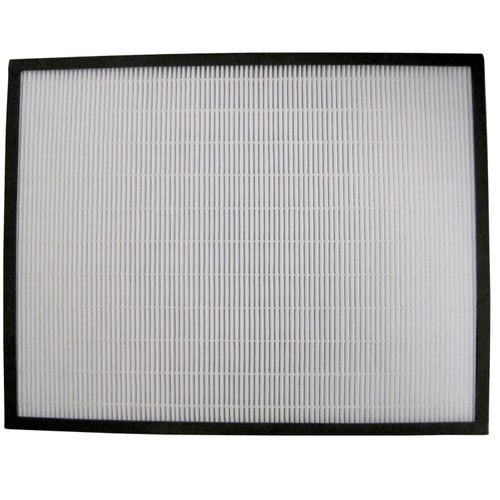


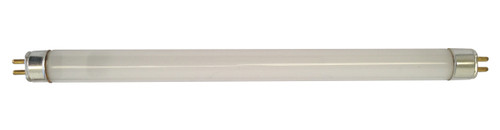


Indoor air quality problems rarely announce themselves neatly. You notice the musty smell, or the customer calls about allergy flare-ups, or a commissioning checklist flags a sensor that needs replacing. Getting those problems resolved quickly depends on having the right supporting components on hand, and that is exactly what this category is built around. At HVAC365, the accessories here are stocked to cover the range of IAQ jobs that come through, from a single-room fix to a full commercial installation, so you are not chasing down a specialty part when the job is already underway.
This category collects the supporting components and add-on hardware that make an indoor air quality system work as intended. That includes things like replacement media, mounting hardware, sensors, UV lamps, filter housings, control components, and other items that sit alongside the primary IAQ equipment. Whether you are a homeowner swapping out a component on a system you already own, a contractor sourcing parts for a new install, a light commercial operator maintaining a building, or a distributor stocking up on high-turn accessories for your customers, this section has what you are looking for.
Choosing the Right IAQ Accessory
The most important starting point is matching the accessory to the primary equipment it supports. A UV lamp that does not match the ballast voltage or the housing geometry of the air handler it mounts in is not going to work, no matter how well-reviewed it is in a general sense. Before you order, pull the model number and specification sheet for the equipment you are working on and cross-reference the accessory against it. Manufacturer compatibility lists are the right source here, not a general category description.
Beyond compatibility, think about the application the primary system serves. Residential systems often run at different duty cycles and airflow conditions than light commercial equipment, and accessories rated for one environment may not be specified for the other. If you are sourcing accessories for a commercial install, verify that the components you are ordering carry the appropriate ratings for that application, and check whether the installation environment introduces any additional requirements, like harsher ambient conditions, higher cycling frequency, or stricter code compliance thresholds.
Replacement intervals and ongoing cost are worth weighing too, especially for consumable accessories like filter media and UV lamps. A lower upfront price on a filter or lamp that requires more frequent replacement can end up costing more over a maintenance cycle than a slightly more expensive option with a longer service life. That tradeoff is worth running through on paper before the first order, particularly if you are specifying accessories for a system that will be maintained by someone who may not monitor replacement intervals closely.
For distributors or contractors ordering across multiple jobs, lead time and consistent availability matter alongside price. An accessory that stocks reliably is often more valuable than one that is occasionally cheaper but frequently backordered. The installation-readiness factors covered further below also interact with accessory selection in some cases, so it is worth reading through that section before finalizing a spec.
Buying Tips
- Do not assume universal fit. Many IAQ accessories look interchangeable but are engineered to specific housings, ballast ratings, or airflow profiles. A part that physically fits in a slot is not necessarily rated for the equipment it is installed in. Always verify against the primary equipment's documentation, not just physical dimensions.
- Order the maintenance kit, not just the part. If the manufacturer offers a kit that bundles the lamp, the gasket, and any required fasteners, that kit usually costs less than sourcing those items separately and eliminates the frustration of having a lamp on site with no gasket to seal it.
- Label and log replacement dates at install time. Consumable IAQ accessories like UV lamps lose effectiveness before they visibly fail. A lamp that is past its rated service life may still illuminate, giving a false signal that the system is working. Logging the install date at the time of commissioning is a simple step that prevents that problem entirely.
- Check for rebate eligibility on the primary system, not just the accessory. Some utility programs extend rebate eligibility to qualifying IAQ add-ons when they are installed alongside an eligible primary system. It is worth verifying the current program terms in the buyer's utility territory before closing out the job scope.
How IAQ Accessories Fit into the Broader System
Most IAQ accessories fall into a few functional roles: consumable maintenance items that require periodic replacement, installation hardware that is needed once at setup, and upgrade or expansion components that add a capability the original system did not include. Knowing which role a given accessory plays shapes how you source and schedule it.
Consumables like UV lamps and filter media need to be reordered on a regular basis. If you are installing or specifying a system for a customer, it is worth noting the replacement schedule in the commissioning documentation and, if the customer is a homeowner, making sure they understand what they will need and when. A customer who does not know a lamp needs annual replacement is a customer who calls you a year later wondering why their air quality system stopped doing anything.
Installation hardware, mounting brackets, and housings are usually a one-time purchase tied to the initial install. These are the items where getting the right part on the first order matters most, because discovering a mismatch after the system is partially assembled is a real cost in labor time. Sensors and control accessories sit somewhere in between: they are installed once but may need recalibration or replacement over the system's life, especially in commercial environments with demanding operating conditions.
What to Verify Before the Install
Before any IAQ accessory goes on the truck, there are a few site-readiness factors worth checking. Electrical requirements vary: UV systems in particular need to be matched to the correct voltage and the ballast or driver already in the air handler or housing. Measure what is on site against what the accessory requires; do not rely on a general assumption about what the system is likely running.
Airflow and housing geometry matter for filter media and any accessory that mounts in the air stream. Verify that the housing dimensions, face velocity rating, and MERV or efficiency rating of the media are appropriate for the airflow the system delivers. An undersized or overrated filter accessory can restrict airflow in ways that affect the primary equipment's performance and longevity.
For UV components, look up the mounting orientation and clearance requirements specified by the manufacturer. Some lamps require a minimum distance from coils or surfaces to operate effectively, and installing without checking those clearances can result in a system that technically turns on but does not perform to its rated output. Controls integration is another checkpoint: if the accessory includes a control module or interlock, verify how it connects to the air handler or thermostat and whether any wiring changes are needed before the install begins.
Finally, check local code requirements. Some jurisdictions have specific rules about UV systems or filtration ratings in commercial applications. If you are working on a permitted project, confirm what the inspection will expect to see before the system is buttoned up.
Things You Should Know
Q: How do I know if an IAQ accessory is compatible with my existing system?
A: Pull the model number and specification sheet for your primary IAQ equipment and compare it against the accessory's compatibility documentation. Pay attention to housing dimensions, voltage and ballast ratings, and any manufacturer-published compatibility lists. Physical fit alone is not sufficient confirmation of compatibility.
Q: How often do UV lamps and filter media need to be replaced?
A: Replacement intervals vary by product and operating conditions, so check the manufacturer's specification for the specific accessory you have installed. UV lamps can lose germicidal effectiveness before they stop illuminating — log the install date at commissioning so you are not guessing later. The guidance above on labeling and logging covers the practical steps at the point of install.
Q: Can I use a higher-rated filter accessory than my system originally specified?
A: Not always. A filter with a higher MERV or efficiency rating can restrict airflow more than the air handler is designed to handle, which puts strain on the blower and can reduce system efficiency or cause premature wear. Check the air handler's rated airflow and the pressure drop specifications for the filter before upgrading the media rating.
Q: Do IAQ accessories come with installation hardware?
A: It depends on the product. Some accessories ship as complete kits with all required hardware; others ship as the component only. Check the product listing carefully. As noted above, manufacturer-offered maintenance kits that bundle all required items are usually the better call over ordering the component alone.
Q: Are there code or permit requirements for IAQ accessories?
A: Code requirements vary by jurisdiction and application. UV systems and high-efficiency filtration components in commercial settings are the most likely to be subject to local rules. Check with the local authority having jurisdiction before installing on a permitted project, particularly in commercial or multi-family applications.
Q: How do control accessories integrate with an existing thermostat or air handler?
A: Integration method depends on the specific accessory and the equipment it is connecting to. Some control accessories use a simple dry-contact interlock; others require a dedicated wiring connection to the air handler control board. Pull the wiring diagram for both the accessory and the primary equipment, and verify any wiring changes needed before starting the install, not after.
Q: Can IAQ accessories qualify for utility rebates?
A: Some utility programs extend rebate eligibility to qualifying IAQ accessories when installed alongside an eligible primary system, but program terms vary significantly by territory and change over time. Check the current program requirements directly with the relevant utility before assuming eligibility — the buying tip above covers when in the job scope to do that check.
HVAC365 ships IAQ accessories nationwide, which means a homeowner dealing with an air quality issue and a contractor mid-job have access to the same broad, stocked selection without being limited to what a local supplier happens to carry. From consumable replacement items to installation hardware and control components, orders are fulfilled across residential replacements and distributor volume needs alike, so the right part reaches the right job without the delays that come from chasing down a specialty item through a narrow supply chain.


