null
Barrel Saunas

Barrel Saunas

There is a reason barrel saunas have moved from niche wellness accessory to a genuine home and facility upgrade: they deliver real, repeatable heat in a form that installs faster and requires less site preparation than a traditionally framed sauna room. Whether you are a homeowner looking to add a backyard retreat, a facility manager outfitting a wellness center, a contractor sourcing a unit for a client, or a distributor stocking up for the season, HVAC365 carries a selection of barrel saunas across the size and heater configurations most installations actually call for, with nationwide shipping so the unit arrives when the project does. This sits within the broader Saunas category if you want to compare barrel-style options against other sauna types side by side.

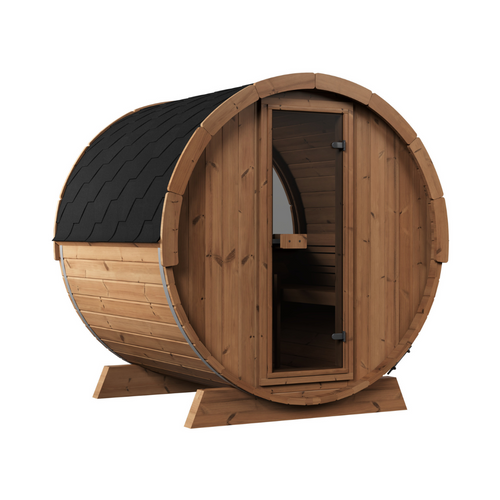
A barrel sauna is a cylindrical, pre-cut wood structure, typically assembled from interlocking staves of cedar, hemlock, or another heat-tolerant softwood. The curved geometry is not just visual. It produces a smaller interior volume relative to floor area than a rectangular room, which means the heater brings the space to temperature faster and holds it there more efficiently. That makes barrel saunas a popular pick for both homeowners who want quick, on-demand sessions and operators who need a sauna that is ready when guests are. Buyers range across the full spectrum: residential homeowners doing a backyard install, light commercial operators adding sauna access at a gym or spa, contractors handling the build-out on behalf of a client, and distributors buying in volume to fill regional demand.

Choosing the Right Barrel Sauna

Size is the first question to answer, and it is not simply about how many people you want to seat. The diameter and length of the barrel determine interior volume, which in turn determines what heater output is needed to reach and hold sauna temperatures. Get the size wrong in either direction and you pay for it: an undersized barrel takes too long to heat and never feels right, while an oversized one puts unnecessary load on a heater that was not spec'd for the extra cubic footage. Measure your available outdoor or indoor footprint carefully before choosing a length, and check the barrel's interior volume against the heater output the unit ships with or the heater you plan to pair it with.

The heater type is its own decision. Barrel saunas are available with electric heaters, wood-burning stoves, or, in some configurations, propane-fired options. Electric heaters are simpler to control, require no fuel storage or chimney, and are compatible with timer and thermostat controls, but they need a dedicated electrical circuit matched to the unit's draw. Wood-burning stoves produce a traditional steam-heavy heat that many sauna purists prefer, but they require a flue or chimney penetration through the barrel roof and a supply of dry firewood. Consider which experience you actually want and which fuel or electrical infrastructure you already have or are willing to add, because changing heater types after the unit is assembled is not a straightforward swap.

Placement affects more than aesthetics. An outdoor barrel sauna on a level deck or gravel pad is the most common configuration, but some barrels are designed for covered or indoor installs as well. If the sauna will be outdoors and exposed to weather, the wood species and any applied finish matter for long-term durability. Cedar is naturally resistant to moisture and decay and is the most common choice for outdoor installations. If you are indoors or in a covered space, the ventilation requirements shift, and the heater type choice (especially wood-burning) needs to account for the chimney path and any fire-clearance requirements in your local code.

For distributors or contractors sourcing multiple units, lead time and packaging format are worth confirming at the order stage. Barrel saunas ship as flat-packed kits or pre-assembled sections, and the logistics differ from a standard HVAC equipment pallet, so coordinate with freight expectations early.

Buying Tips

  • Do not undersize the heater to save money up front. If the barrel's included or recommended heater is sized for the interior volume, match it. An underpowered heater in a larger barrel will run continuously without ever reaching proper sauna temperature, and retrofitting a larger heater later involves new electrical or flue work.
  • Check the stave wood grade before ordering, not after. Knotty wood is common in economy-tier barrels and is not inherently a problem, but knots can weep sap when heated repeatedly and create maintenance headaches over time. Clear or near-clear grades cost more but perform better over the life of the sauna.
  • Confirm your foundation plan before the unit ships. A barrel sauna needs a level, stable base: concrete, compacted gravel, or a proper deck frame. An unlevel base strains the barrel joints and makes the door difficult to seal correctly. This is cheap to get right before assembly and expensive or impossible to fix cleanly afterward.
  • Review local permit requirements before you order. Some jurisdictions treat an outdoor sauna as a structure that requires a building permit, an electrical permit, or both, particularly for electric models on a dedicated circuit. Finding this out after the unit arrives on a pallet is not where you want to be.

Barrel Sizes and Setup Types

The most meaningful configuration distinctions in this category come down to barrel length, diameter, and heater type. Length typically determines seating capacity, with shorter barrels suited to two or three users and longer ones accommodating more. Diameter affects headroom and the overall interior feel: a wider barrel gives users more room to sit upright or recline on the upper bench without feeling confined. Shorter, smaller-diameter barrels are popular for residential backyards with limited space or lower budgets. Longer, wider units are more common in light commercial settings or for homeowners who want a more spacious experience or plan to share the sauna regularly.

On the heater side, the split between electric and wood-burning is the primary fork. Electric setups are more common where convenience and precise temperature control matter, or where a wood stove chimney penetration through the roof is not practical. Wood-burning setups remain popular where the traditional sauna experience is the priority and where the site can accommodate the flue. Some barrels are sold as heater-ready shells, which gives you the flexibility to select and source the heater separately, but that approach requires confirming that the heater output is appropriate for the barrel's interior volume before you buy either component independently.

Accessories vary by configuration: interior benches (usually included), exterior changing room extensions (available as add-on sections on some models), windows (which affect both the aesthetic and the heat retention), and roof overhangs or canopy extensions for weather protection. Whether these come included or are sold separately depends on the specific unit, so read what is in the box before assuming a feature is standard.

What Installation Actually Involves

Barrel saunas arrive as kits. Assembly is typically a two-person job, following the manufacturer's instructions to interlock the staves around the frame rings, mount the door and bench hardware, and seat the heater. The structural assembly itself is not complex for someone comfortable working with wood, but the heater installation is where the details matter and where mistakes carry real consequences.

For electric heaters, check what circuit the unit requires: voltage, amperage, and whether the heater calls for a dedicated breaker. Most residential electric sauna heaters operate on 240V and need a dedicated circuit with an appropriate breaker and disconnect, run by a licensed electrician if local code requires it. Verify the panel capacity and circuit availability before the sauna arrives, not after. The distance from the panel to the sauna location affects wire run cost and complexity, so factor that into placement decisions.

Wood-burning stoves require a chimney or flue pipe that exits through the barrel roof. The stove must sit at the correct clearance distance from combustible surfaces, including the barrel walls and benches. Look up the stove manufacturer's minimum clearances and compare them against your interior layout. The flue penetration needs a proper thimble or pass-through rated for the application. Ask the manufacturer or a qualified installer if you are not certain about the correct configuration for your stove model and barrel size.

Ventilation inside the barrel matters regardless of heater type. Fresh air intake near the floor and exhaust near the upper wall or ceiling allows proper air circulation and prevents the oxygen depletion that can make a sealed sauna session uncomfortable or unsafe. Verify that your barrel's design includes provision for this, and do not block intake or exhaust openings.

If the sauna is going outdoors, check the ground slope at the planned location. Even a slight grade can cause water to pool under the barrel, and prolonged moisture contact shortens the life of the base staves significantly. A slight forward pitch on the foundation (toward the door end) promotes drainage. Use the appropriate base material for your climate: gravel pads drain well and are forgiving of ground movement, while concrete is more permanent and may require more site prep.

Things You Should Know Before You Buy

Q: How do I determine what size barrel sauna I need?

A: Start with your available footprint and how many people will use it at once. Barrel length generally determines seating capacity; diameter affects headroom and bench width. Match interior volume to heater output so the unit reaches and holds proper sauna temperature. The sizing guidance above covers the tradeoffs in detail.

Q: Electric heater or wood-burning stove: which should I choose?

A: The right answer comes down to your electrical infrastructure, your willingness to manage a chimney and firewood, and the experience you want. The heater type section above covers what each option requires on site and where each one makes the most sense.

Q: Do I need a permit to install a barrel sauna?

A: It depends on your local jurisdiction. Many areas require a building permit for any permanent outdoor structure and an electrical permit for 240V wiring. Check with your local building department before ordering — finding out mid-project is a much harder position than confirming requirements at the start.

Q: What foundation do I need under a barrel sauna?

A: The base needs to be level, stable, and able to support the weight of the assembled sauna plus occupants. Compacted gravel, concrete pavers, or a properly framed deck all work. A slight pitch toward the door end helps with drainage. The installation section above covers what to watch for on site.

Q: Can a barrel sauna be installed indoors or in an enclosed space?

A: Some models are designed for indoor or covered installation. Verify that the specific unit is rated for it, check ventilation requirements for the enclosed space, and confirm that the heater type is appropriate. A wood-burning stove in an enclosed structure requires a properly designed flue and adequate combustion air — more involved than a straightforward outdoor install.

Q: How long does assembly take?

A: For most residential barrel sauna kits, two people with basic tools can complete the structural assembly in a few hours. Heater installation, electrical work (if applicable), and foundation prep add time — electrical work may also require a licensed electrician. Budget a full day for the complete installation rather than just the assembly phase.

Q: What wood species is best for an outdoor barrel sauna?

A: Western red cedar is the most widely used choice because of its natural resistance to moisture, decay, and temperature cycling. Hemlock is another common option and is often more affordable. For outdoor and exposed installations, confirm the species and any applied finish before ordering — these factors directly affect how the sauna holds up over years of weather exposure.

HVAC365 ships barrel saunas nationwide, so whether you are outfitting a backyard in the suburbs or stocking product for regional resale, the order reaches you without the geographic limitations that come with local showroom sourcing. The catalog covers the size and heater configurations most residential and light commercial installations call for, which means you are not piecing together availability across multiple suppliers for a single project. Orders are available for residential purchases through distributor volume orders, and the selection is stocked to support projects when they are ready to move.

Compare

Fast Shipping

Easy Returns

Warranty Coverage

Financing Available