
-
Amana
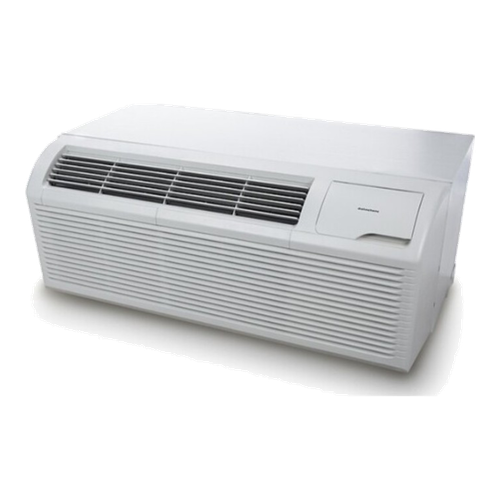
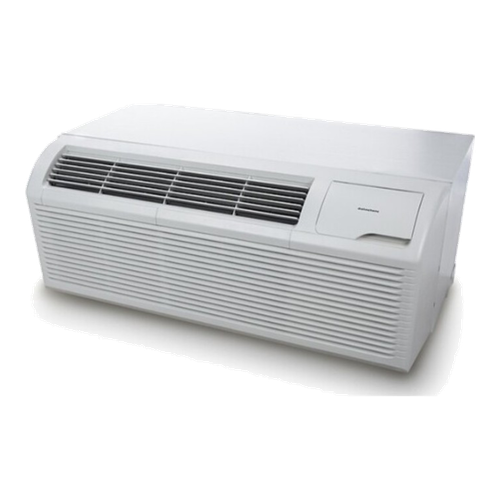
Amana Distinctions 12,000 BTU 10.7 EER PTAC Air Conditioner With 3.5 kW Electric Heat, 208/230V 1-Phase, 20 A | DCP123A35AA
SKU: DCP123A35AA
$1,333.82- 🚚Qualifies for FREE Shipping
- Fast Shipping
Ships in 1-2 Business Days10 in stock -
Friedrich
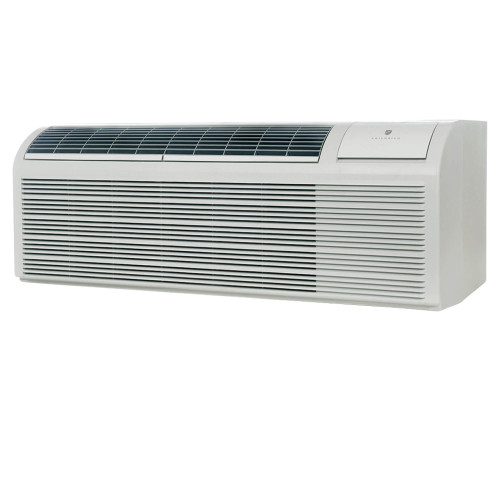
Friedrich 12000 BTU 10.6 EER PTAC Heat Pump Air Conditioner ZoneAire Select R32 Refrigerant in 230V | PZH12K3SC
SKU: PZH12K3SC
$1,666.14- 🚚Qualifies for FREE Shipping
- Fast Shipping
Ships in 3-4 Business Days10 in stock -
Amana
Amana Distinctions 12,000 BTU 10.7 EER PTAC Air Conditioner With 5 kW Electric Heat, 208/230V 1-Phase, 30 A | DCP123A50AA
SKU: DCP123A50AA
$1,456.64- 🚚Qualifies for FREE Shipping
- Fast Shipping
Ships in 1-2 Business Days10 in stock -
Friedrich
Friedrich 12000 BTU 10.8 EER PTAC Air Conditioner ZoneAire Select with Electric Heat and R32 Refrigerant in 230V | PZE12K3SC
SKU: PZE12R3SC
$1,712.14- 🚚Qualifies for FREE Shipping
- Fast Shipping
Ships in 3-4 Business Days10 in stock -
Amana
Amana 12,000 BTU 11.4 EER PTAC Air Conditioner With 2.5 kW Electric Heat, R-32, 208/230V 1-Phase, 15 A | PTC123J25AXXX
SKU: PTC123J25AXXX
$2,009.82- 🚚Qualifies for FREE Shipping
- Fast Shipping
Ships in 1-2 Business Days10 in stock -
Friedrich
Friedrich 12000 BTU 10.6 EER Select PTAC Air Conditioner ZoneAire Select with Electric Heat and R32 Refrigerant in 265V | PZE12R3SC
SKU: PZE15K5SC
$1,740.25- 🚚Qualifies for FREE Shipping
- Fast Shipping
Ships in 3-4 Business Days10 in stock -
Amana
Amana 12,000 BTU 11.4 EER PTAC Air Conditioner With 3.5 kW Electric Heat, R-32, 208/230V 1-Phase, 20 A | PTC123J35AXXX
SKU: PTC123J35AXXX
$2,009.82- 🚚Qualifies for FREE Shipping
- Fast Shipping
Ships in 1-2 Business Days10 in stock -
Amana
Amana 12,000 BTU 11.4 EER PTAC Air Conditioner With 5 kW Electric Heat, R-32, 208/230V 1-Phase, 30 A | PTC123J50AXXX
SKU: PTC123J50AXXX
$2,062.71- 🚚Qualifies for FREE Shipping
- Fast Shipping
Ships in 1-2 Business Days10 in stock -
Friedrich
Friedrich 12000 BTU 11.6 EER PTAC Heat Pump Air Conditioner ZoneAire with R32 Refrigerant in 265V | PDH12R3SGR3
SKU: PDH12R3SGR3
$1,977.91- 🚚Qualifies for FREE Shipping
- Fast Shipping
Ships in 3-4 Business Days10 in stock -
Amana
Amana 12,000 BTU 11.5 EER PTAC Heat Pump With 2.5 kW Electric Heat, R-32, 208/230V 1-Phase, 15 A | PTH123J25AXXX
SKU: PTH123J25AXXX
$2,243.04- 🚚Qualifies for FREE Shipping
- Fast Shipping
Ships in 1-2 Business Days10 in stock -
Friedrich
Friedrich 12000 BTU 12.08 EER FreshAire PTAC Inverter Heat Pump FreshAire with R32 Refrigerant in 230V | PVH12K3FC
SKU: PVH12K3FC
$2,733.76- 🚚Qualifies for FREE Shipping
- Fast Shipping
Ships in 3-4 Business Days10 in stock -
Comfortstar
Comfortstar 12,000 BTU 10.7 EER PTAC Air Conditioner with Electric Heat | 32AC12CD35
SKU: 32AC12CD35
$835.22- 🚚Qualifies for FREE Shipping
- Fast Shipping
Ships in 2-4 Business days3 in stock
Buying guidance
12,000 BTU PTAC Units
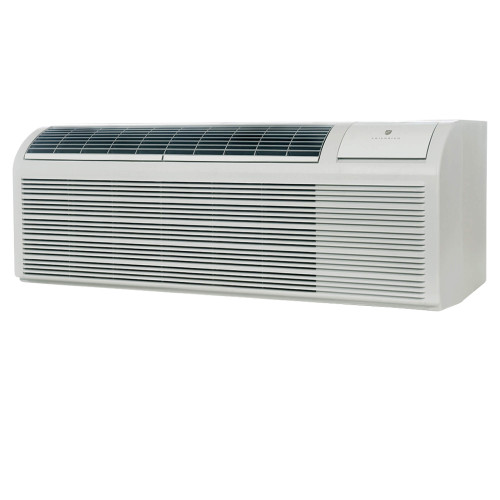





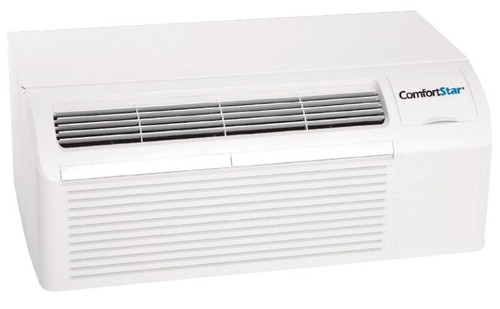
A failed PTAC unit in a hotel room or apartment means a guest complaint, a vacant unit, or a maintenance call that cannot wait. 12,000 BTU packaged terminal air conditioners are one of the most common capacities in that world, sized to handle a single room without ductwork or a central system. HVAC365 stocks this capacity across application types so the right unit is available when the job comes up, not after a long lead time.
This category covers 12,000 BTU PTAC units: self-contained, through-the-wall room conditioners that cool (and in most cases heat) a single space independently of any central system. They are the standard solution in hospitality, multi-family housing, assisted living, and smaller commercial spaces where room-by-room climate control makes more sense than a building-wide system. The buyers here run the full range. Homeowners looking to replace a worn-out sleeve unit in a sunroom or addition. Property managers sourcing a handful of replacements across a building. Contractors and HVAC installers matching a spec or swapping out a failed unit on a service call. And distributors or facility maintenance teams buying in volume for fleet stock or a large property retrofit. If you are browsing the broader PTAC Air Conditioners lineup, this 12,000 BTU cut keeps you focused on units at this specific capacity.
Choosing the Right 12,000 BTU PTAC
The capacity figure is already set: you are here because the space, the existing sleeve, or the project spec calls for 12,000 BTU. But capacity is only one part of the decision. Before you commit to a unit, a few other factors are worth working through carefully.
Heating configuration is the first real fork. PTACs come with electric resistance heat, a heat pump, or both. Electric resistance heat is simple and less expensive up front. A heat pump moves heat rather than generating it, which makes it more efficient in moderate outdoor temperatures but less effective when it gets very cold outside. If the space you are serving sees genuinely cold winters and heating efficiency matters, confirm which type the application calls for before ordering. If you are replacing an existing unit, match the heating type to what is already in the sleeve unless you have a reason to change it.
Voltage and amperage requirements deserve equal attention and are addressed fully in the installation section below, but the buying decision depends on them: a unit that does not match the existing circuit cannot be installed without electrical work. Pull the rating plate off the existing unit or check the breaker and disconnect before you choose a replacement.
Efficiency matters differently depending on who is buying. A property manager running 50 rooms cares a great deal about the EER rating because it directly affects the electric bill at scale. A homeowner replacing one unit in a sunroom may weigh upfront cost more heavily. Either way, check whether your utility or local jurisdiction offers rebates for higher-efficiency equipment, because the threshold for qualifying changes and is worth looking up before you buy rather than after.
If you are sourcing for multiple rooms or properties, lead time and consistent availability across a single model become part of the buying decision in a way they are not for a one-off replacement. Getting all units from the same model run matters for matching controls, parts, and sleeves across rooms. The installation-readiness factors covered further down are equally relevant here, especially sleeve dimensions and electrical compatibility across locations.
Buying Tips
- Do not assume the sleeve fits. PTAC sleeves are not universal. Even within 12,000 BTU units, sleeve dimensions vary by manufacturer and sometimes by product generation. Measure the existing wall sleeve before ordering, and confirm the replacement unit's chassis dimensions against those measurements. A unit that does not fit the sleeve means a much bigger job than a straight swap.
- Match the controls to the property setup. PTACs vary in how they accept control input: some run on a standard thermostat, others use a wired wall thermostat interface, and some are compatible with building energy management or master control systems. If the property uses centralized control or an energy management system, confirm the new unit supports that interface before it ships.
- Buy at least one extra if this is a multi-unit property job. A spare unit on site covers you if one arrives damaged or fails early. On a large property, the cost of a second service call and an expedited replacement order almost always exceeds the cost of having one extra unit on a shelf.
- Check the warranty terms for the application. Some manufacturers rate their standard warranty for residential use and offer a separate (often shorter or differently structured) commercial warranty. A hotel or apartment install is a commercial application even if the unit looks identical to a residential one. Read the warranty card before the unit goes in the wall.
How 12,000 BTU PTACs Are Configured
At this capacity, most of the meaningful configuration differences come down to heating type and control compatibility rather than cooling configuration, since PTAC units are inherently single-zone, through-the-wall, self-contained systems by design. That said, there are a few distinctions worth knowing.
- Cooling only: Some units are configured purely for cooling with no integrated heating. These suit climates where heating is handled separately or not needed at all.
- Electric resistance heat: The most common PTAC configuration. Heat is generated directly by electric elements. Reliable in any temperature, straightforward to service, higher operating cost than a heat pump in moderate climates.
- Heat pump with electric backup: The unit runs as a heat pump down to a certain outdoor temperature threshold and switches to electric resistance below that. Better efficiency in shoulder seasons; the backup ensures performance when it is genuinely cold outside.
- Chassis and sleeve compatibility: Some manufacturers design their PTAC chassis to fit sleeves from other brands or previous generations. This matters for replacement jobs where tearing out the wall sleeve is not practical. Compatibility charts vary and are worth verifying directly with the manufacturer or distributor.
What It Takes to Install a PTAC Unit
PTAC installation looks straightforward but has a handful of specifics that catch people off guard if they have not done one before or are moving to a different brand.
Start with the electrical supply. Most 12,000 BTU PTACs require a dedicated circuit, and the voltage and amperage requirements vary between units. Some run on standard 115V; others require 208V or 230V. The amperage draw also differs depending on whether the unit has electric heat. Measure the existing circuit against the new unit's electrical requirements before anything else. If the circuit does not match, the electrical work has to happen before the unit can go in, and that changes the scope and cost of the job.
The sleeve is the next thing to verify. Sleeve dimensions are not universal — check the width, height, and depth of the existing wall sleeve against the replacement unit's chassis spec sheet. Some manufacturers publish cross-reference guides; others require a call to confirm compatibility. Do not skip this step on a replacement job.
Drainage is simpler on PTACs than on many other cooling systems because most units are designed to evaporate condensate internally. That said, in high-humidity environments or certain operating conditions, some units produce more condensate than the internal evaporation system handles. Look up the manufacturer's guidance on condensate management for the specific unit and climate before assuming no drainage setup is needed.
Airflow and clearances matter on the exterior side of the wall. The condenser side of the unit needs unobstructed airflow to reject heat. Verify that the installation location allows adequate airflow and that no landscaping, overhangs, or other obstructions will reduce it over time.
For properties using building automation or energy management systems, check the control interface requirements for the specific unit. Not all PTACs support the same wiring or communication protocols. If a master control system is already in place, ask the manufacturer or distributor which units are compatible before ordering.
Finally, look up the local code requirements for the installation location. Some jurisdictions have specific requirements around wall penetrations, electrical disconnects, or equipment efficiency minimums. Pull the applicable permits where required.
Things Worth Knowing Before You Buy
Q: How do I know if a replacement PTAC will fit in my existing wall sleeve?
A: Measure the interior dimensions of your existing sleeve (width, height, and depth) and compare them against the replacement unit's chassis dimensions on the spec sheet. Sleeves are not universal across brands or even across product generations from the same brand — the same point covered in the buying tips above. Many manufacturers publish sleeve compatibility charts, and your distributor can help confirm fit if you have the existing sleeve brand and model.


