null
Heat Pump Condensers

Heat Pump Condensers

When a home or building needs both heating and cooling without separate fuel sources, a heat pump condenser is the outdoor unit doing the heavy lifting year-round. A failed or undersized unit is not just an inconvenience; in extreme weather it means a household without heat or a commercial space that cannot open its doors. HVAC365 stocks a broad selection of heat pump condensers across the capacity and application range that actual jobs call for, so you are not waiting on a special order when the situation is urgent.

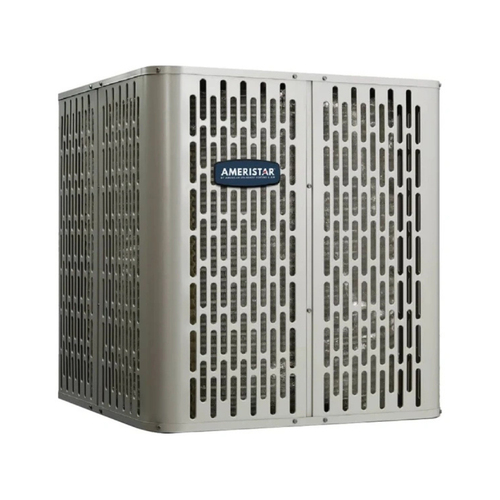
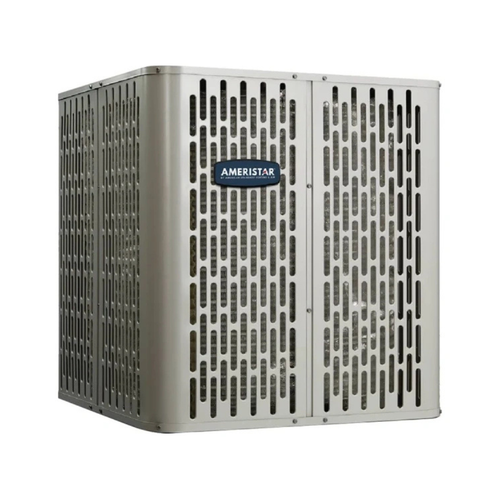
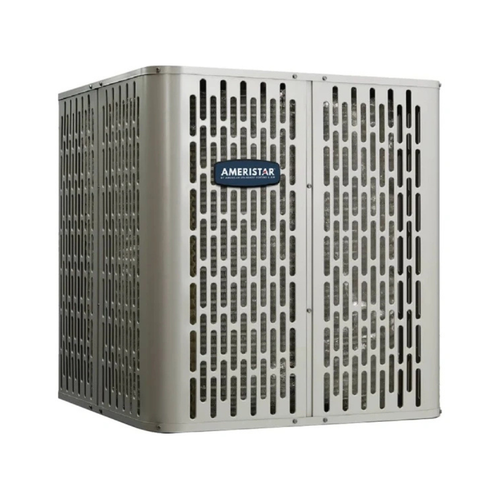
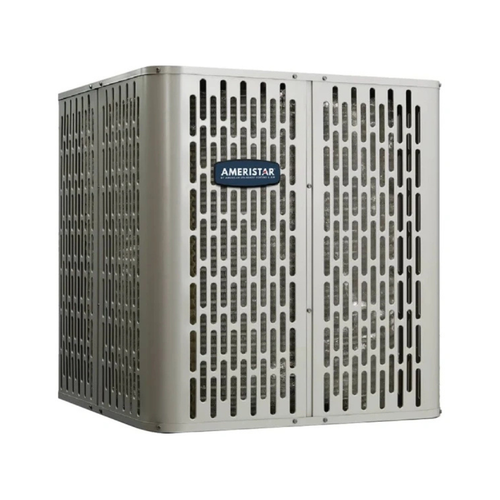
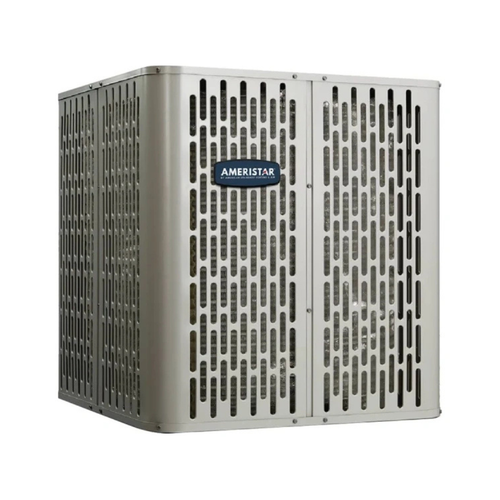
Heat pump condensers are the outdoor half of a split heat pump system. In cooling mode, they reject heat from the building to the outside air. In heating mode, they extract heat from outdoor air and move it inside, even in cold temperatures. A single outdoor unit handles both functions, which is why heat pump systems have become a primary choice for all-climate comfort and energy efficiency. These units fall under the broader Air Conditioner Components catalog, alongside the indoor components and accessories that complete a system.

This category covers the full range of buyers who deal with heat pump equipment. Homeowners replacing a failed outdoor unit or upgrading to a more efficient system shop here for residential-grade condensers sized for a house. Contractors and HVAC installers come here to spec and source the right unit for a particular job, whether that is a straightforward residential swap or a more involved light-commercial install. Commercial buyers evaluating equipment for retail, office, or multi-unit applications will find units suited to those loads. Distributors and supply-house buyers sourcing in volume for resale or fleet stock can work with HVAC365 across the catalog.

Choosing the Right Heat Pump Condenser

The most consequential decision is capacity. A unit that is too small will not keep up with peak demand; one that is too large short-cycles, which wastes energy, accelerates wear, and in cooling mode leaves indoor air humid and uncomfortable. The right capacity comes from a proper Manual J load calculation, not from matching the nominal size of whatever unit is being replaced. If the old equipment was already oversized, replacing it with the same nominal tonnage repeats the same mistake. Confirm the capacity your load calculation actually calls for before you buy.

Application type is the next filter. Residential systems are designed around the load profiles and installation contexts typical of single-family and small multi-family buildings. Light-commercial equipment is built to different duty cycles and, in many cases, different electrical service requirements. Running a residential-rated unit on a commercial load that exceeds its design envelope shortens its life and may void the warranty. Match the unit to the application it was designed for.

Efficiency tier is a real buying decision, not just a number to note. The 2026 federal minimum efficiency standards set a baseline in SEER2 and HSPF2 ratings, and some utility rebate programs require a higher tier than the minimum to qualify. A higher-efficiency unit costs more upfront but reduces monthly operating costs, and in some cases the rebate offsets a meaningful share of that premium. Before you commit to a tier, look up what your local utility offers and what rating threshold triggers that rebate. That calculation changes the effective cost comparison between a baseline unit and a premium-efficiency one.

Single-stage, two-stage, and variable-capacity (inverter-driven) compressors represent a genuine tradeoff. Single-stage units run at full output or not at all, which is simple and durable but less efficient at part-load conditions. Two-stage units add a lower-capacity operating mode that handles mild days more efficiently. Variable-capacity systems modulate continuously, holding indoor conditions more precisely and reaching the highest efficiency numbers, but at higher equipment and installation cost. The right choice depends on climate, runtime patterns, and budget.

Refrigerant type matters for compatibility with existing line sets and indoor equipment, and for compliance with current and near-future regulations. Units factory-charged or rated for lower-GWP refrigerants such as R-32 or R-454B are increasingly standard, and they are not interchangeable with R-410A equipment. If you are replacing an older system, verify what refrigerant the new unit requires before ordering, and check whether the existing line set and indoor coil are rated for that refrigerant. The installation considerations below cover what else to check before the unit arrives on site.

For contractors spec-matching for a specific job, lead time and availability can be as important as the spec itself. For distributors buying in volume, per-unit cost and stocking minimums are part of the buying decision in a way that a single-unit replacement purchase is not. Those factors are worth sorting out before committing to a model, not after.

Buying Tips

  • Do not match on nominal size alone. Nominal tonnage is a rounded label, not a precise output figure. Two units with the same nominal tonnage can have meaningfully different actual capacities at real operating conditions. Compare the rated output at the conditions relevant to your climate, not just the nominal label on the box.
  • Check the refrigerant compatibility of every component in the system before ordering. A mismatch between the outdoor unit's refrigerant type and the existing indoor coil, line set, or TXV is not a field fix. Getting this wrong means pulling the unit back out, and that is expensive on every count.
  • Verify local code and permit requirements before specifying the model. Some jurisdictions have efficiency minimums above the federal baseline, and others have refrigerant restrictions or phasedown timelines that affect which units can be legally installed. Finding this out after the equipment is on the truck creates real problems.
  • Factor in the disconnect and electrical service before the install date. If the existing disconnect and breaker are not rated for the new unit's minimum circuit ampacity and maximum overcurrent protection, those have to be changed before the unit can run. That is a separate scope of work to price and schedule.

Heat Pump Condenser Types and Configurations

Heat pump condensers vary along a few meaningful dimensions that affect which unit fits a given situation.

  • Standard split-system condensers are the most common configuration. The outdoor condenser pairs with a separate indoor air handler or furnace coil. This is the standard residential and light-commercial setup, and it covers the majority of replacement and new-install scenarios.
  • Single-stage condensers run at one speed: full capacity or off. They are reliable, widely available, and generally lower in upfront cost. They are a practical choice when simplicity and durability are priorities and the efficiency premium of a modulating unit is not justified by the application or budget.
  • Two-stage condensers operate at a lower capacity setting on mild days and step up to full capacity when demand peaks. This reduces runtime cycling, improves humidity control in cooling mode, and typically delivers better seasonal efficiency than a comparable single-stage unit.
  • Variable-capacity (inverter-driven) condensers modulate compressor speed continuously across a wide output range. They maintain tighter temperature and humidity control, run more quietly, and achieve the highest efficiency ratings available in the category. They also carry the highest upfront cost and, in some cases, more complex controls integration.
  • Cold-climate heat pumps are engineered to deliver meaningful heating output at low outdoor temperatures where a standard heat pump would drop off sharply in capacity. If the installation site regularly sees temperatures well below freezing, this is not just a nice-to-have feature; it is what determines whether the system can actually heat the building without relying entirely on a backup element or secondary heat source.

What It Takes to Install a Heat Pump Condenser

Site readiness matters as much as equipment selection. A unit that is perfectly spec-matched on paper still fails on installation day if the electrical service, line set, or clearances are not right.

Start with electrical supply. Check the existing disconnect box, breaker size, and wire gauge against the new unit's minimum circuit ampacity and maximum overcurrent protection, both of which are on the unit's rating plate and in the spec sheet. Do not assume the existing service carries over from the old unit; a higher-efficiency unit with a variable-speed compressor may draw differently than the unit it replaces, and undersized wiring or an incorrect breaker is a code violation and a fire risk.

Refrigerant line sets deserve careful attention on replacements. Measure the line set diameter and verify it against what the new unit requires. Line sets sized for R-410A equipment may or may not be compatible with a unit designed for R-32 or R-454B; pull the manufacturer's specifications rather than assuming. If the line set has accumulated oil from the old system and the refrigerant type is changing, additional flushing steps may be required. Ask the manufacturer or distributor for the specific guidance on this before the install date.

The outdoor unit needs adequate clearance on all sides for airflow and serviceability. Look up the manufacturer's required clearances before locating the pad or bracket, and account for any local code requirements about distance from windows, doors, or property lines. Tight installations in confined spaces or below-grade locations that restrict airflow will reduce efficiency and can cause operational issues.

Operating temperature range is worth verifying against the site's climate. Standard heat pump condensers have a published heating operating range; below a certain outdoor temperature, heating capacity drops off and supplemental heat becomes necessary. Cold-climate models extend that range substantially. Check the unit's published low-temperature capacity ratings against the design heating temperature for the location, not just the average winter temperature.

Controls compatibility needs to be sorted before the install, particularly on variable-capacity systems. Some units require a communicating thermostat or a specific control board to unlock full functionality. Installing a communicating outdoor unit with a non-communicating thermostat may limit what the system can do or prevent it from operating at all. Verify what the new unit requires and what the existing thermostat and air handler can support.

For matched-system installations, confirm that the indoor coil's AHRI-rated match for the outdoor unit you are ordering. An unmatched combination may underperform, fail to qualify for utility rebates that require a rated system, or create warranty complications. The AHRI certificate for the matched combination is the document that settles this question.

Things You Should Know Before You Buy

Q: What is a heat pump condenser, and how is it different from a standard air conditioner condenser?

A: A heat pump condenser handles both heating and cooling from a single outdoor unit, using a reversing valve to extract heat from outdoor air in winter and reject it in summer. A standard air conditioning condenser only cools — no reversing valve, no heating. That distinction is covered in detail above; the short version is that one outdoor unit replaces both an air conditioner and a separate heating source in many applications.

Q: How do I know what capacity heat pump condenser I need?

A: Run a Manual J load calculation — do not size off the old unit's nominal tonnage. The existing unit may have been oversized, and building conditions change over time. The capacity selection guidance above explains why matching the old unit's label is a shortcut that frequently results in an oversized system and the short-cycling problems that come with it.

Q: Does a heat pump condenser work in cold climates?

A: Standard models lose heating capacity as outdoor temperatures drop and eventually need supplemental heat. Cold-climate models are built to maintain useful output at much lower temperatures. The cold-climate heat pump type is described in the configurations section above. Whichever direction you go, check the unit's rated heating capacity at the low-temperature design condition for your location — not just the standard 47°F rating — before committing.

Q: Can I replace just the outdoor condenser, or does the indoor equipment need to change too?

A: It depends on refrigerant compatibility and the age of the existing indoor equipment. If the new outdoor unit uses a different refrigerant, the indoor coil typically needs to go with it. Even when refrigerant types match, an unmatched combination may fall short on efficiency and may not qualify for rebates that require a rated AHRI system. The refrigerant and line set points above cover what to check; confirm the AHRI certificate for the specific combination before ordering the outdoor unit alone.

Q: What is SEER2, and does it change what unit I should buy?

A: SEER2 replaced SEER as the federal cooling efficiency standard, using a higher static pressure in the test procedure — so SEER2 numbers are not directly comparable to older SEER ratings. The efficiency tier guidance above covers how to use this in a buying decision: the 2026 minimums set a floor, and your utility's rebate thresholds and local code requirements are what actually drive the tier choice.

Q: What electrical requirements should I check before ordering?

A: Pull the spec sheet and note the minimum circuit ampacity, maximum overcurrent protection, and voltage requirement. Compare those against the existing disconnect, breaker, and wire gauge on site. The electrical supply section above walks through what to verify in detail. Do not assume the existing service is the right size — compressor technology differences mean draw characteristics can differ from the old equipment even at the same nominal tonnage.

Q: Do heat pump condensers require special line sets for newer refrigerants?

A: Compatibility depends on the specific refrigerant and the manufacturer's requirements — diameter, wall thickness, and flushing requirements can all differ from what was acceptable for R-410A equipment. The line set section above covers exactly what to check. Pull the manufacturer's specs for the unit you are installing and compare them against what is on site before assuming anything carries over.

HVAC365 ships heat pump condensers nationwide, with a broad catalog stocked across the capacity and application range that residential replacements, commercial installs, and volume purchasing all require. When a system goes down and the job cannot wait on back-order logistics, having the right unit already in stock is what keeps the project moving. Browse the full selection above, or contact us directly if you need help matching a unit to a specific application.

Compare
Show: 12 24 48

Fast Shipping

Easy Returns

Warranty Coverage

Financing Available