null
Pool Pumps

Pool Pumps

A pool without a working pump isn't really a pool. It's a standing body of water that will cloud over, grow algae, and put your sanitizer chemistry to waste within days. Getting the circulation right, and keeping it right, is what keeps water safe and equipment costs manageable. HVAC365 stocks a broad selection of pool pumps across flow ratings and configurations so that whether you're doing a single-family replacement or sourcing pumps for multiple commercial installations, the options you need are actually available.

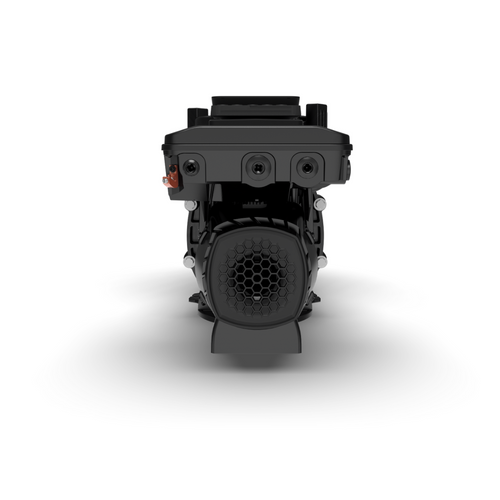
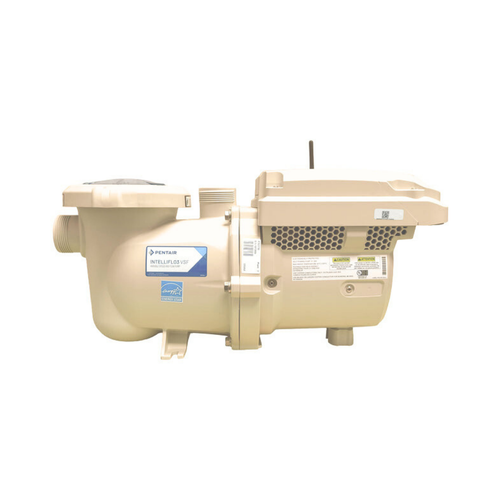
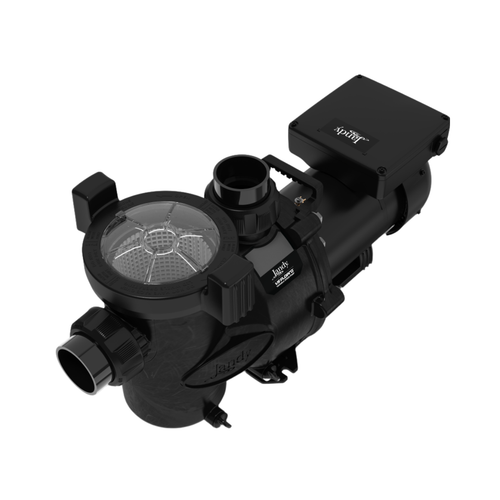
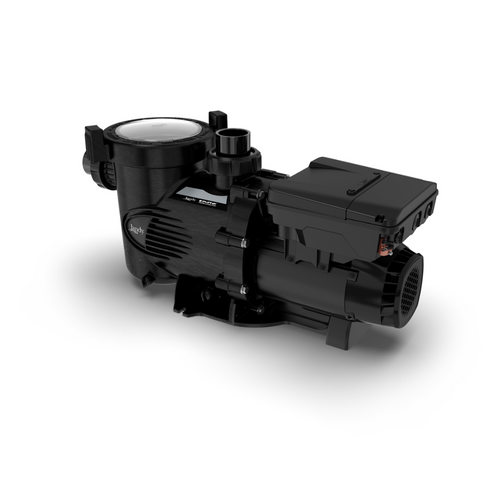
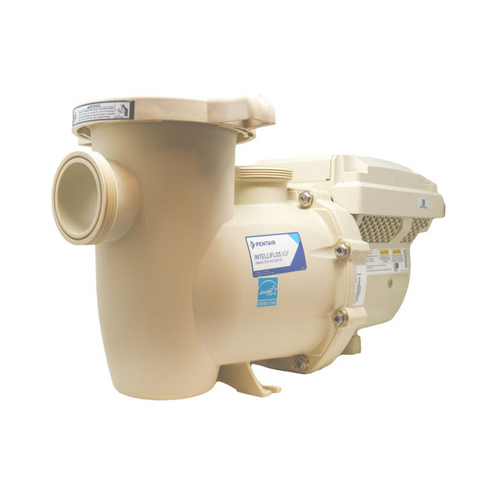
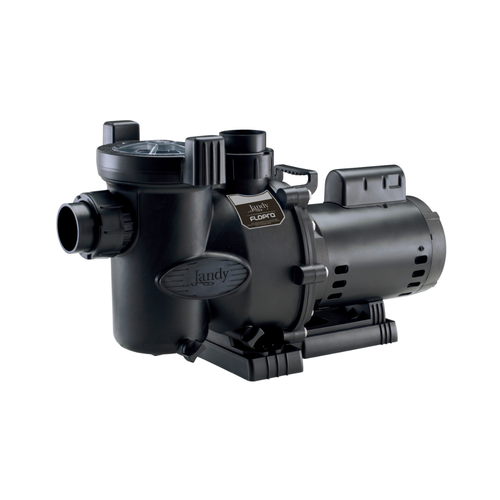
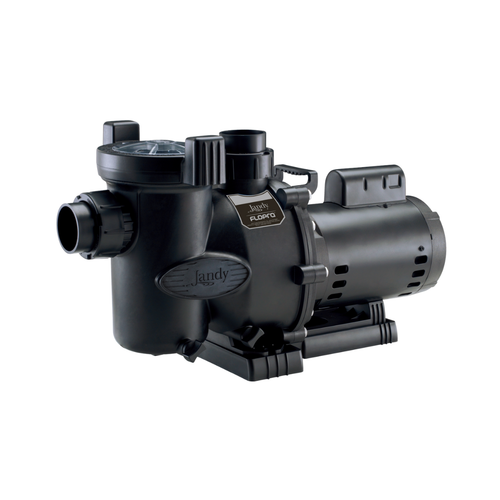
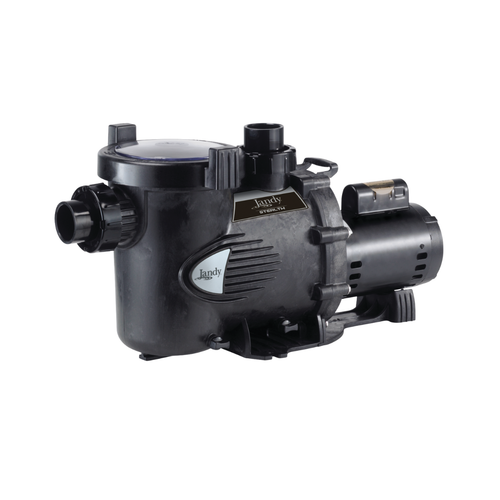
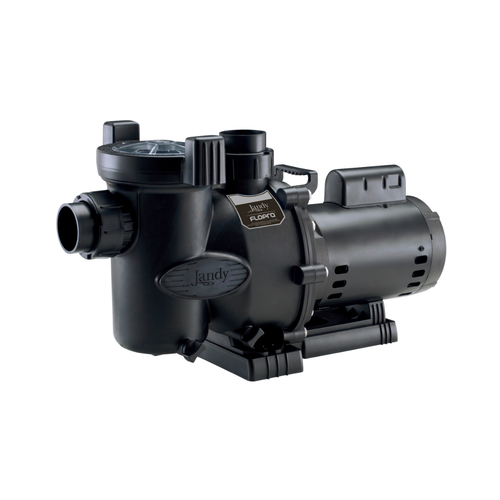
Pool pumps are the heart of any recirculation system. They pull water from the pool through the skimmer and main drain, push it through the filter, heater, and sanitizer equipment, and return it clean to the pool. Without adequate flow, none of the downstream equipment works as intended. This category covers the full range of pool pumps: single-speed, dual-speed, and variable-speed motors; above-ground and in-ground models; residential and commercial flow ratings. Homeowners replacing a worn-out pump, contractors sourcing equipment for new builds or retrofits, and distributors buying in volume for resale or fleet stock will all find relevant options here. The broader Pool & Spa category covers the surrounding equipment if you're outfitting a full system.

Choosing the Right Pool Pump

The single biggest mistake buyers make is treating pool pumps as interchangeable and grabbing the cheapest horsepower number that sounds close enough. Sizing a pool pump correctly takes a few real inputs, and skipping that work causes problems that show up on every utility bill for as long as the pump runs.

Start with flow rate. A pump needs to turn over the pool's total water volume at least once, and in most cases twice, within a 24-hour period. That number drives the minimum flow rate in gallons per minute the pump must sustain. You also need to account for resistance in the plumbing system: the length and diameter of the pipes, the number of fittings and valves, and the resistance rating of the filter media all add up to what's called total dynamic head. A pump that's sized only to the pool volume without accounting for head loss will underperform in practice. If you haven't run those numbers yet, a hydraulic calculation or a conversation with a pool professional is the right starting point, not a horsepower guess.

Speed type is the next real decision. Single-speed pumps run at full power all the time, which is simple and low upfront cost but expensive to operate over a season. Dual-speed pumps let you run at low speed for routine filtration and high speed for vacuuming or backwashing. Variable-speed pumps take that further, letting you dial in exact RPMs for different tasks, which generally delivers the lowest energy consumption of the three. Many states now require variable-speed pumps for new residential pool installations above certain wattage thresholds, so check the code requirements in your jurisdiction before selecting a speed type. Variable-speed models also tend to qualify for utility rebate programs, which can offset the higher purchase price, but you'll need to look up your local utility's specific eligibility rules.

Application type matters too. Pumps rated for above-ground pools use a different plumbing connection standard and are generally not interchangeable with in-ground equipment. In-ground pumps are built to handle the higher static head pressures typical of buried plumbing and larger water volumes. Commercial installations add another layer: a pump serving a public or semi-public pool is typically subject to state health code requirements around flow rates, turnover cycles, and motor certifications. Verify those requirements before specifying a pump for any commercial job. For professional buyers spec-matching a pump to a specific job, the installation-readiness factors covered further down will also be part of the selection.

Buying Tips

  • Match the hydraulic profile, not just the horsepower. Higher horsepower does not automatically mean better performance. A pump that's too powerful for the plumbing system creates excessive velocity, increases head pressure, and can actually reduce effective flow while consuming more electricity. The pump's performance curve needs to intersect your system's head curve at the desired flow rate.
  • Check the motor frame and plumbing connections before you order. Replacement pumps need to physically fit the existing pad and connect to the existing plumbing. Motor frame size (48-frame vs. 56-frame is a common distinction) and port diameter both need to match what's already there, or you're looking at adapter fittings, replumbing, or a new equipment pad. Getting that wrong is inexpensive to prevent and time-consuming to fix.
  • Factor in the full operating cost, not just the purchase price. A variable-speed pump costs more upfront. Over a full season of daily operation, the energy savings can be substantial. Run an honest operating-cost comparison before defaulting to the lower sticker price. Many utilities publish pool pump energy calculators that make this comparison straightforward.
  • Verify the warranty terms before you buy. Pool pump warranties vary meaningfully by manufacturer and by whether the installation is residential or commercial. Some warranties are voided by DIY installation or by use in a commercial setting. Read the warranty documentation, not just the headline coverage period.

Above-Ground vs. In-Ground: The Core Configuration Split

The configuration decision that matters most in this category is whether the pump is designed for above-ground or in-ground service. These are not interchangeable categories, and the distinction is fundamental enough to be the first thing you verify before anything else.

  • Above-ground pool pumps are built for the lower head pressures and smaller water volumes typical of portable and semi-permanent above-ground pools. They use different port sizes and plumbing connections than in-ground equipment. If you're replacing a pump on an above-ground pool, the replacement needs to match those specs exactly.
  • In-ground pool pumps are built to handle the higher static pressures and greater flow demands of permanent in-ground installations. They're designed to work with the larger-diameter plumbing, deeper skimmer lines, and more complex hydraulic layouts that in-ground pools typically involve.
  • Variable-speed in-ground pumps represent the current standard for new in-ground residential installs in many markets, driven by both energy codes and utility incentive programs. They're also increasingly common in commercial retrofit applications where operating cost reduction is a priority.
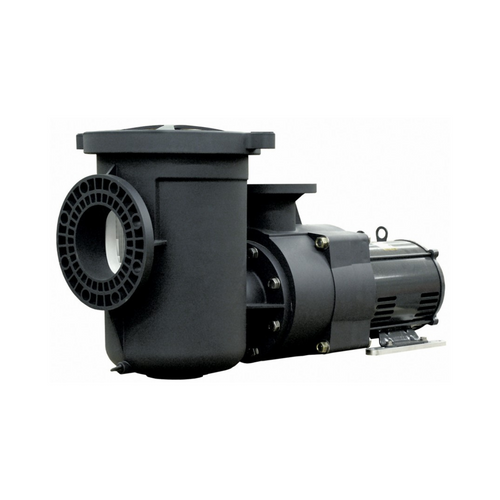
  • Commercial-rated pumps are sized and certified for the higher flow demands, continuous duty cycles, and regulatory requirements of public and semi-public pools, water features, and aquatic facilities. These are a separate class from residential equipment and should be specified accordingly.

What It Takes to Install a Pool Pump

Pool pump installation is not complicated by HVAC standards, but there are a few site-readiness factors that determine whether a swap goes smoothly or turns into a half-day job with a trip to the supply house in the middle.

Electrical supply is the first thing to verify. Pool pumps run on either 115V or 230V circuits depending on the motor, and most in-ground pump motors are wired for 230V. Pull the existing pump's nameplate data and compare it against what the panel and dedicated circuit actually supply. Many variable-speed motors can be field-configured for either voltage, but that needs to be confirmed on the specific model before wiring begins. The circuit also needs to be GFCI-protected per NEC requirements for pool equipment. Check that protection is in place and that the breaker amperage matches the motor's full-load amp rating.

Plumbing connections come next. Measure the existing suction and discharge port sizes. Common sizes include 1.5-inch and 2-inch connections, but don't assume the existing plumbing matches a new pump without checking. If the ports differ, adapter fittings can solve the problem, but they need to be accounted for in the install plan. Look at the condition of the existing plumbing unions while you're there. Pool pump unions are reusable, but they crack over time, especially if they've been exposed to freeze-thaw cycles. Replacing them at pump swap time is cheap insurance.

The pump pad and motor footprint need to match. Compare the motor frame size (most residential in-ground pumps use 48-frame or 56-frame motors) and the mounting bolt pattern against the existing pad. If they match, the swap is straightforward. If they don't, either an adapter base or a new concrete pad will be needed. Also check clearance around the equipment for service access. Adequate clearance for removing the strainer basket and accessing the motor end without moving the entire pump makes future maintenance significantly easier.

If the existing system has a heater, salt chlorinator, or automation controller integrated into the loop, verify that the new pump is compatible with those controls. Variable-speed pumps in particular often use digital communication protocols (some brands use proprietary systems) to integrate with automation. A variable-speed pump that can't communicate with the existing controller may default to a single fixed speed, which eliminates much of the reason for buying it in the first place. Ask the manufacturer or distributor to confirm compatibility before committing to a specific model.

Finally, if there's any chance the pump will operate in a climate where freezing temperatures are possible, check the pump's cold-weather operating limits and whether the installation location provides adequate protection. Water left in a pump housing that freezes will crack the housing. This is not a warranty-covered failure at most manufacturers.

Things You Should Know

Q: How do I know what size pool pump I need?

A: Start with your pool's total water volume, determine your required turnovers per day, and work out the minimum flow rate in gallons per minute. Then factor in total dynamic head — pipe length, diameter, and filter resistance — to find a pump whose performance curve delivers that flow at that head. The sizing section above walks through that process in full. Don't size purely on horsepower without running those hydraulic numbers.

Q: Are variable-speed pool pumps worth the higher price?

A: For most in-ground residential pools, yes. The energy savings, rebate eligibility, and code requirements in many states make the case, as covered in the speed-type discussion above. Run an operating-cost comparison using your pool's specific run-hours and local electricity rate to quantify the difference for your situation.

Q: Can I replace an above-ground pool pump with an in-ground model?

A: No. Above-ground and in-ground pumps are built for different head pressures and use different plumbing connection standards — the configuration split covered above explains why. Replace like-for-like unless you're replumbing the system at the same time and have confirmed all specs.

Q: What electrical requirements should I verify before installing a pool pump?

A: Check the voltage (115V or 230V), the full-load amperage on the motor nameplate, and the breaker rating of the dedicated circuit. NEC requires GFCI protection for pool pump circuits. The installation section above covers each of these steps in detail. Verify that protection is present and functional before energizing the new pump.

Q: Will a new variable-speed pump work with my existing pool automation system?

A: It depends on the brands involved. Variable-speed pumps often use digital communication protocols to integrate with automation controllers, and some of those protocols are brand-specific — a mismatch can leave the pump running at a single fixed speed. The automation compatibility point in the installation section above has the full detail. Confirm compatibility with the pump manufacturer or your distributor before purchasing.

Q: What's the difference between a 48-frame and a 56-frame pool pump motor?

A: Frame size refers to the physical dimensions and bolt pattern of the motor. A 56-frame motor is physically larger and uses a different mounting footprint than a 48-frame motor. If you're replacing a pump motor or swapping a complete pump, the replacement frame size needs to match the existing equipment pad and mounting hardware unless you're also replacing the pad. Measure the existing motor or check the nameplate before ordering.

Q: Do pool pump warranties cover commercial installations?

A: Not always. Many manufacturer warranties limit coverage to residential use and explicitly exclude commercial, rental, or public pool applications. If the pump is going into a commercial setting, read the warranty documentation carefully before purchasing. Some manufacturers offer separate commercial warranty terms; others simply don't cover that use case at all.

When you need a pool pump and can't afford to wait out a long back-order, having a supplier with a broad, stocked selection makes a real difference. HVAC365 ships pool pumps nationwide across the full range of residential and commercial applications, from single-family replacement jobs to distributor volume orders. Browse the category to match the right pump to your flow requirements, and reach out if you need help confirming compatibility before you order.

Compare
Show: 12 24 48

Fast Shipping

Easy Returns

Warranty Coverage

Financing Available