null
Heat Pump Condensers

Heat Pump Condensers

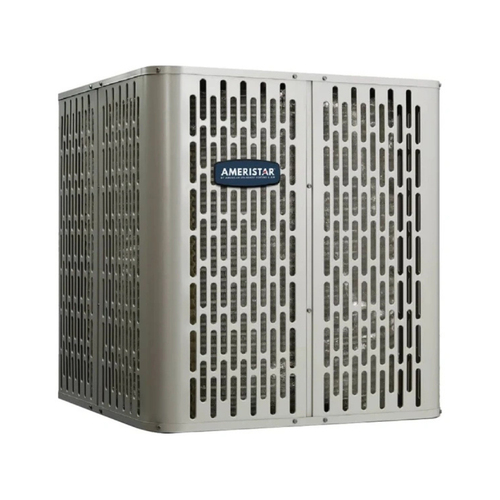
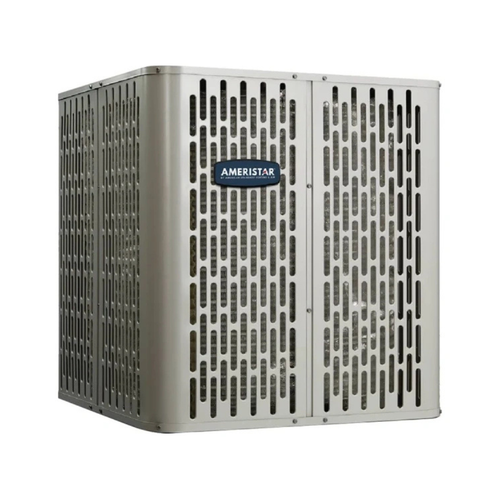
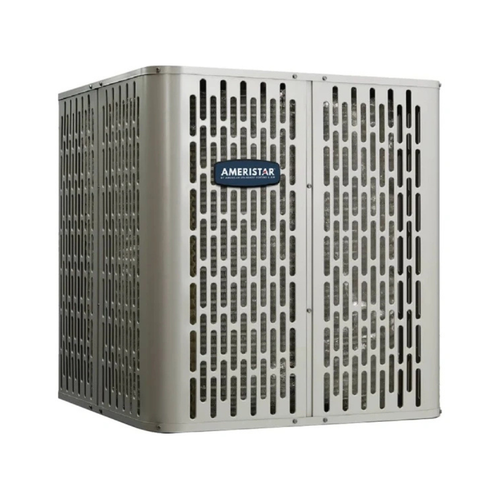
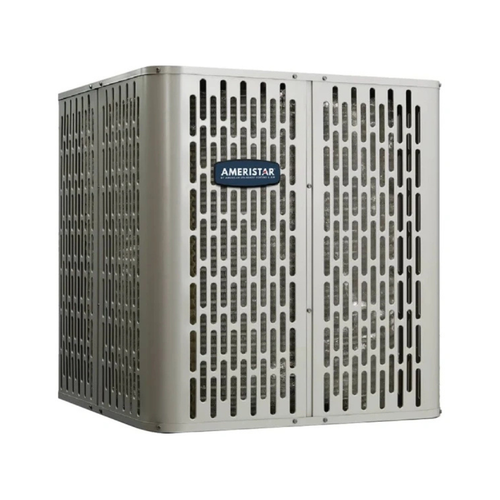
When a heat pump stops moving heat efficiently, the consequences are immediate: rooms that won't reach setpoint, utility bills that spike, and in commercial settings, tenant complaints that can't wait. The condenser is the outdoor half of that system, and getting the replacement or new installation right means matching the unit to the actual load, the application, and the site conditions from the start. HVAC365 stocks a broad selection of heat pump condensers across capacity and application ranges, so whether you're sourcing one unit for a residential swap-out or coordinating supply for multiple commercial installs, the catalog is here to work from. Heat pump condensers fit naturally within the broader Forced Air Heaters lineup, and this category covers the outdoor condensing units specifically: the component responsible for heat exchange with the outside air in a split-system heat pump setup.

This category serves a range of buyers. Homeowners replacing a failed outdoor unit on an existing system, commercial property owners and facility managers sourcing equipment for light or heavy commercial installs, HVAC contractors and installers pulling equipment for a specific job, and distributors or supply houses buying in volume for resale or fleet stock all work from this selection. The right unit depends on the job, and the sections below are here to help you figure out what that unit looks like before you order.

Choosing the Right Heat Pump Condenser

The single most important decision is capacity, and it is also the one buyers most often get wrong by guessing. A condenser sized by square footage alone, without a proper load calculation, will either underperform in extreme weather or short-cycle constantly because it is oversized for the actual heat loss and gain of the space. Short-cycling is hard on the compressor and cuts equipment life significantly. The right starting point is a Manual J load calculation, or for a direct replacement, pulling the existing unit's nameplate rating and confirming it was appropriately sized for the structure in the first place. If the original unit was oversized or undersized and the building has since been re-insulated or expanded, that nameplate number may be the wrong target anyway.

Application type matters too. A unit rated for residential use may not be built to handle the duty cycles or ambient conditions that a commercial rooftop or mechanical room installation demands. Verify that the unit you're selecting is rated for the application context, not just the tonnage requirement. For light commercial jobs, that distinction is easy to overlook and expensive to reverse after the equipment is installed and running.

Efficiency tier is another real decision point, not just a spec to note. Higher-efficiency units carry a higher upfront cost, but they can qualify for utility rebates and meet minimum efficiency codes that vary by jurisdiction. Before committing to a particular efficiency tier, look up your local code requirements and check with the relevant utility for rebate thresholds. Buying a unit that falls just below a rebate cutoff, when a slightly higher-efficiency model would have qualified, is a common and avoidable miss. The flip side is also true: paying for a top-tier efficiency rating in a climate or application where the runtime economics don't justify it adds cost without a real return.

For single-stage versus variable-capacity equipment, the tradeoff is between upfront simplicity and long-term comfort. Single-stage units run at full capacity or not at all, which works adequately in many climates but can leave spaces uncomfortable during mild weather when full capacity is more than the load requires. Two-stage and variable-capacity (also called inverter-driven or modulating) units adjust output to match the actual demand, which typically means quieter operation, better humidity control, and more consistent temperatures. The tradeoff is a higher purchase price and somewhat more complex controls. The installation-readiness factors covered further down are relevant here too, because variable-capacity systems often have specific wiring and communication requirements that need to be in place before the outdoor unit arrives on site.

Distributors sourcing in volume will also want to weigh lead times and availability by model tier, since high-efficiency and variable-capacity units can have longer supply timelines than standard-efficiency single-stage equipment depending on the season.

Buying Tips

  • Match the refrigerant before you order, not after. The existing indoor coil and line set are likely charged with a specific refrigerant. Installing a condenser that uses a different refrigerant type means replacing those components too, and that cost can easily exceed the condenser itself. Pull the refrigerant type from the existing equipment's nameplate before selecting a replacement.
  • Check the disconnect and breaker before the unit ships. A new, higher-efficiency condenser sometimes draws a different amperage than the unit it replaces. If the existing disconnect or breaker does not match what the new unit calls for, that is an additional electrical cost that may not show up in the initial budget. Knowing this before the install date avoids a job that stalls waiting on an electrician.
  • Don't overlook minimum operating temperature ratings. Heat pump condensers have real performance limits at low ambient temperatures. In colder climates, verify that the unit is rated to operate effectively at the coldest temperatures your site realistically sees, especially if it's intended as the primary heating source. A unit rated for mild climates may technically operate in cold weather but lose most of its efficiency and capacity when you need it most.
  • Paired system components are not always interchangeable. Many manufacturers engineer their condensers to work as a matched system with specific air handlers or coils, and mixing brands or generations can void warranties and create efficiency losses. Confirm the intended indoor unit before finalizing the outdoor unit selection.

Heat Pump Condenser Configurations

Heat pump condensers split broadly into a few configuration types, and understanding which type fits your situation is worth doing before you start comparing models.

  • Single-zone split-system condensers are the standard configuration for most residential and small commercial installs. One outdoor unit serves one indoor air handler. These are the most common, most available, and generally the most straightforward to install and service.
  • Multi-zone condensers connect a single outdoor unit to multiple indoor air handlers or heads, allowing different areas of a building to be conditioned independently. This is common in commercial and multi-room residential retrofits where running ductwork is not practical. Multi-zone systems require careful capacity matching across all zones and have specific refrigerant piping requirements.
  • Ducted versus ductless outdoor units refer to what the condenser is paired with indoors. A standard forced-air ducted system uses an air handler and existing ductwork; a ductless (mini-split) setup uses wall-mounted or ceiling-cassette indoor heads with no duct system. The outdoor condenser itself may look similar between the two, but the communication wiring, refrigerant line sizing, and indoor component compatibility differ, so confirming the indoor application before selecting the outdoor unit is non-negotiable.
  • Standard-efficiency versus high-efficiency units represent a meaningful configuration split in terms of operating cost and rebate eligibility, and what counts as high-efficiency varies by jurisdiction and changes as federal minimums are updated. Confirm current local minimums before finalizing any efficiency tier selection.

Common Questions

Q: What is a heat pump condenser and what does it do?

A: The heat pump condenser is the outdoor unit in a split-system heat pump. It contains the compressor and outdoor coil, and it moves heat between the refrigerant and the outside air — extracting heat from the air to warm your space in heating mode, and rejecting heat outside in cooling mode. It does not generate heat; it transfers it.

Q: Can I replace just the outdoor condenser without replacing the indoor unit?

A: Sometimes, but not always. The condenser must be compatible with the indoor coil and air handler in terms of refrigerant type, capacity, and communications protocol. Mismatched components can void warranties and reduce system efficiency. The refrigerant and paired-system points covered in the buying tips above apply directly here — pull the nameplate data on your indoor unit before ordering the outdoor unit.

Q: How do I know what size heat pump condenser I need?

A: Capacity sizing requires a load calculation, not a square footage estimate. The right approach is a Manual J calculation, or for a direct replacement, verifying the existing unit's nameplate rating and confirming it was appropriately sized to begin with. The sizing section above covers the short-cycling risks and load calculation logic in detail.

Q: What refrigerant types do heat pump condensers use?

A: Current equipment uses refrigerants including R-410A and newer lower-GWP alternatives such as R-32 and R-454B, depending on the manufacturer and model year. Federal regulations are phasing down high-GWP refrigerants, so newer units are increasingly likely to use a different refrigerant than older equipment. Always confirm the refrigerant type on both the condenser you are buying and the existing indoor components before ordering.

Q: Do heat pump condensers work in cold climates?

A: Standard heat pump condensers lose capacity and efficiency as outdoor temperatures drop, and some are not rated to operate as a primary heat source in very cold climates. Cold-climate or low-ambient heat pump models are engineered to maintain useful output at much lower temperatures. The minimum operating temperature point in the buying tips above applies directly — verify the unit's rated performance range against your actual site conditions before selecting.

Q: What is the difference between a single-stage and a variable-capacity heat pump condenser?

A: Single-stage units run at full output or off, which is adequate in many climates but can cause comfort issues during mild weather. Variable-capacity (inverter-driven) units modulate output to match actual demand, delivering more consistent temperatures, better humidity control, and quieter operation — at a higher upfront cost and with more complex wiring requirements. The full tradeoff is laid out in the choosing section above.

Q: When is the best time to buy a heat pump condenser?

A: Demand for heat pump condensers peaks in late summer and early fall. Sourcing equipment before the September peak — especially for high-efficiency or variable-capacity models that can have longer lead times — reduces the risk of supply delays hitting at the worst time. Distributors stocking for seasonal demand should plan accordingly.

Compare
Show: 12 24 48

Fast Shipping

Easy Returns

Warranty Coverage

Financing Available