null

Commercial Ductless Mini Splits

Comfort problems in commercial spaces don't fix themselves, and the wrong unit — wrong capacity, wrong application rating, wrong configuration — means a second install or a system that short-cycles for years. HVAC365 stocks commercial ductless mini splits across a range of capacities and configurations so you can match the unit to the actual job, not whatever happens to be on a shelf. Whether you're conditioning a server room, a retail suite, a medical office, or a multi-tenant buildout, the right equipment starts with choosing correctly for the space. Commercial ductless systems are a category inside the broader ductless mini splits lineup, purpose-built for the demands of non-residential and mixed-use applications where standard residential ratings simply don't hold up.

This category covers ductless mini split systems designed and rated for commercial use: higher-duty construction, broader operating envelopes, and the capacity and configuration range that commercial installs actually call for. The buyers here span a wide range. A homeowner retrofitting a detached studio or garage with a unit that goes beyond what a residential system can handle is in the right place. A contractor bidding a multi-zone office buildout or a light-commercial tenant improvement project needs commercial-rated equipment and usually needs it available and ready to ship without a long lead time. Facilities managers and commercial property owners spec-matching a replacement for an existing system belong here too. And distributors sourcing volume for a fleet of accounts or stocking units for resale will find a catalog broad enough to work with at scale.

Choosing the Right Commercial Mini Split

Sizing is the most consequential decision you will make in this category, and it is also the one most often handled loosely. A load calculation for a commercial space is not a rule of thumb or a square-footage estimate. Internal heat loads from equipment, people, lighting, and plug loads matter as much as the building envelope. Confirm the BTU or tonnage your space actually requires by running or commissioning a proper load calculation before you select a unit, not after. Oversizing leads to short-cycling, which kills comfort, drives up wear, and defeats the humidity control that commercial buildings often depend on. Undersizing leaves the system running at capacity constantly, shortening its life and failing to maintain setpoint when the space loads up.

Application type is the second decision to nail down before you scroll through specs. Commercial-rated units carry different operating certifications, duty ratings, and compressor specs than residential units because the environments are genuinely different: higher ambient temperatures, longer daily run times, and occupancy patterns that don't follow a household schedule. A unit rated for residential use running in a commercial kitchen support area or a retail space that stays occupied through extended hours is not the right tool for the job, regardless of BTU match. Make sure the equipment you select is rated for the application you're actually running it in.

Efficiency requirements are worth sorting out early, not as an afterthought. Commercial energy codes vary by jurisdiction, and utility rebate programs for commercial equipment often have specific minimum efficiency thresholds that must be met at the time of purchase to qualify. Look up the applicable code and your utility's rebate requirements before you commit to a tier. The tradeoff is real: a higher-efficiency unit carries more upfront cost but may qualify for rebates that close or eliminate the gap, and it will run at lower operating cost over its service life in a space with high annual run hours. A lower-efficiency unit costs less to buy but may not qualify for incentives and will cost more to operate in a high-use commercial application. Neither choice is automatically wrong; it depends on the project's economics and timeline.

For distributors and contractors buying across multiple projects, lead time and volume availability are part of the buying decision in a way that doesn't apply to a single-site owner. If you're stocking units for a season or sourcing across a portfolio of accounts, the catalog depth and fulfillment reliability matter as much as price per unit. The installation-readiness factors covered further down this page also affect which units are viable for specific sites, so it's worth working through those before finalizing a selection.

Buying Tips

  • Match the operating temperature range to the site conditions, not the nameplate capacity. Commercial spaces often have ambient conditions that residential systems aren't rated for. A rooftop mechanical room, a restaurant support area, or a space with significant heat gain from equipment can push ambient temperatures well beyond what a standard residential unit will tolerate. Verify the operating range in the spec sheet against your actual site conditions before purchase.
  • Confirm phase before ordering. Commercial mini splits are available in both single-phase and three-phase configurations. The phase of the electrical service at the site determines which units are viable. Ordering the wrong phase requires a return and delays the job; check the existing service before you buy.
  • Don't size a multi-zone system by adding up indoor unit BTUs without checking the outdoor unit's actual combined capacity. Many buyers assume the outdoor unit can carry whatever indoor units they hang off it. It cannot in most cases. The outdoor unit has a rated maximum connected load; exceeding it degrades performance across all zones. Pull the engineering data for the outdoor unit and verify the combination before committing.
  • Refrigerant type affects long-term serviceability. Systems using older refrigerants may face supply and regulatory constraints over the life of the equipment. Before purchasing, understand what refrigerant the unit uses and whether it aligns with your long-term service and maintenance expectations for this installation.

System Configurations and Where Each One Fits

Commercial ductless mini splits don't come in a single form factor, and the configuration you choose has real consequences for how the system performs and how much the install costs.

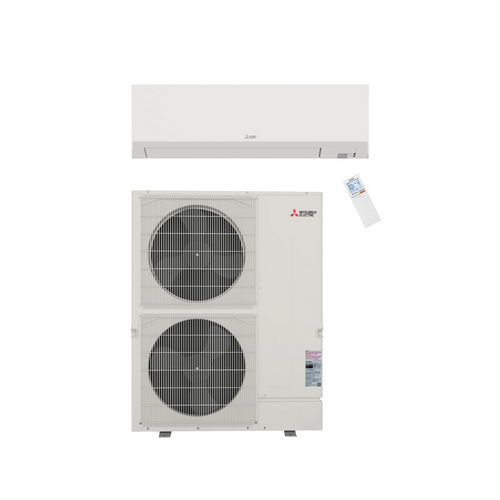
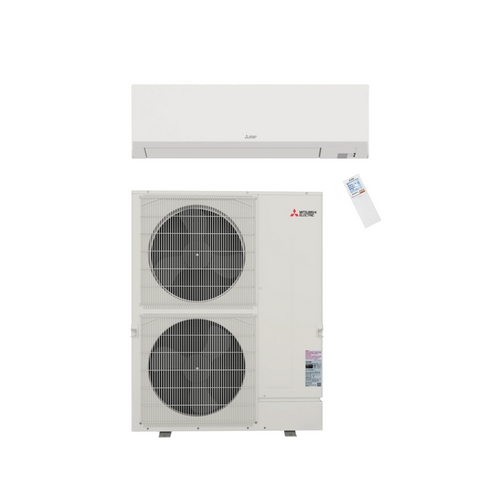
  • Single-zone systems pair one outdoor unit with one indoor unit. They're the right call for a discrete space that needs independent temperature control: a private office, a server room, a retail suite with its own occupancy pattern. Installation is straightforward, and the system can be optimized entirely for that one space's load.
  • Multi-zone systems connect one outdoor unit to multiple indoor units, each with independent control. They're the efficient choice for a buildout where several separate spaces need conditioning from a single outdoor unit location. The tradeoff is that capacity must be allocated across zones, and the engineering has to account for the fact that not all zones will be at peak load simultaneously. Multi-zone installs require more careful design upfront, but they reduce the number of outdoor units and refrigerant circuits on the building, which matters for rooftop space and permitting.
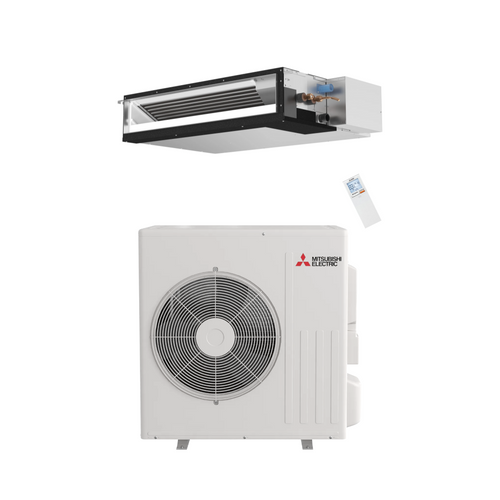
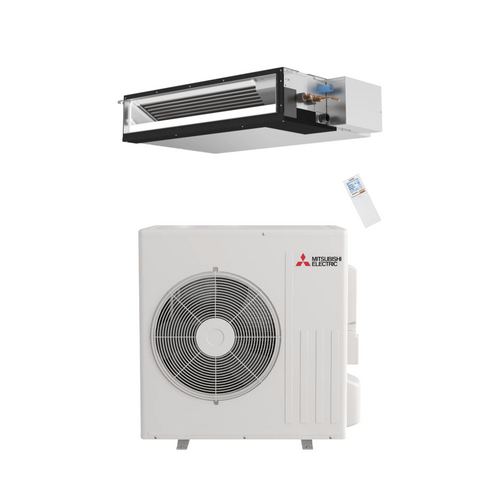
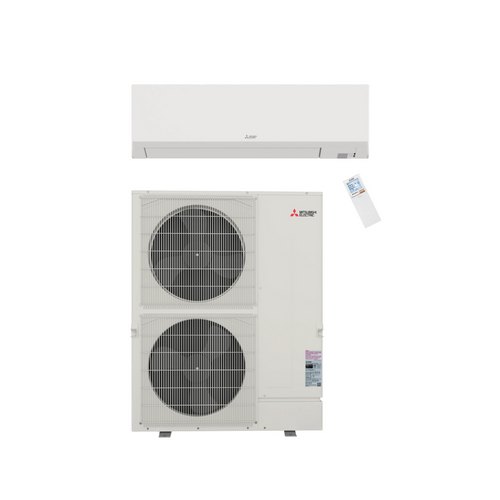
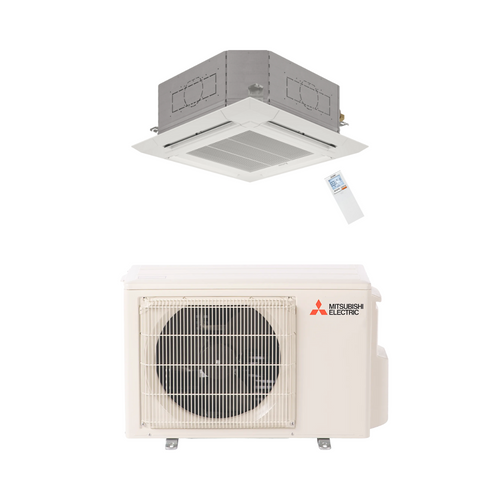
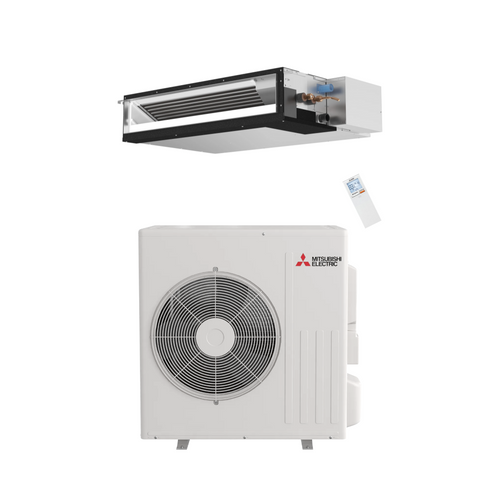
  • Indoor unit styles vary based on the space and how airflow needs to be delivered. Wall-mount units are the most common and the easiest to install. Ceiling cassettes distribute air in multiple directions and suit open-plan commercial spaces where a wall-mount would throw air unevenly. Concealed duct units connect to short duct runs and serve spaces where exposed equipment is not acceptable. Floor-mount and ceiling-suspended units suit specific architectural constraints. The right style depends on the room geometry, the ceiling type, and how air needs to move through the space.

What a Commercial Mini Split Install Actually Requires

A commercial ductless install involves more site prep than swapping out a residential unit, and getting the site ready before the equipment arrives is what separates a clean install from a job that stalls.

Electrical service is the first thing to verify. Commercial mini splits pull more current than residential units, and the panel, breaker, and disconnect must be sized correctly for the specific unit you're installing. Check the unit's minimum circuit ampacity and maximum overcurrent protection against what's actually on site. Three-phase units require a three-phase service; don't assume the site has one without looking at the electrical panel.

Refrigerant line sets connect the indoor and outdoor units, and the maximum line set length and elevation difference are hard limits set by the manufacturer. Measure the actual run and compare it against the spec sheet for the unit you've selected. Exceeding those limits without an engineering allowance from the manufacturer voids the design basis of the system. Some systems allow field-added refrigerant for extended runs; others do not.

Condensate drainage needs a route. In a commercial space, especially one with a finished ceiling or a concealed cassette installation, drainage routing can require a condensate pump and careful planning around the building's plumbing. Look at the drainage path before the unit is mounted, not after.

Mounting and clearances are specified by the manufacturer for both the indoor and outdoor units. Outdoor units need adequate airflow clearance and a stable mounting surface. Roof mounting requires vibration isolation and structural review. Indoor units need sufficient wall or ceiling space and clearance from obstructions that would interfere with airflow. Pull the installation manual and measure before mounting hardware goes up.

Controls and integration vary by system. Some commercial units support building automation system (BAS) integration via BACnet, Modbus, or proprietary interfaces. If the building runs a BMS or the owner expects integration with a central control system, verify the controls compatibility before purchase. Adding a proprietary gateway after the fact is possible on some systems but not all, and it's significantly easier to specify correctly from the start.

Matched components, including line sets, electrical disconnect, and condensate equipment, should be sourced alongside the system rather than as an afterthought. Some manufacturers require or recommend specific line set diameters and insulation ratings for their equipment. Ask before substituting generic materials.

Things You Should Know

Q: How do I determine the right capacity for a commercial mini split?

A: Run a proper load calculation for the space — square-footage rules of thumb aren't reliable for commercial applications. A licensed mechanical engineer or qualified HVAC contractor can perform a Manual J or equivalent commercial load analysis. The sizing section above covers why oversizing and undersizing both cause real problems in commercial installs.

Q: Can I use a residential mini split in a commercial space?

A: Generally, no. Residential units are rated for different duty cycles, operating conditions, and ambient temperature ranges than commercial spaces typically present. Running one in a true commercial environment may void the warranty, deliver inadequate performance, and conflict with local mechanical codes. The application type considerations covered earlier explain the key differences.

Q: Do commercial mini splits require a dedicated electrical circuit?

A: Yes. Each unit requires a dedicated circuit sized to its minimum circuit ampacity and protected by a breaker no larger than its maximum overcurrent protection rating — both figures appear on the nameplate or spec sheet. Have a licensed electrician verify panel capacity and install or confirm the correct circuit before the unit is energized. Phase requirements are covered in the electrical service notes above.

Q: What's the difference between a single-zone and a multi-zone commercial mini split?

A: A single-zone system uses one outdoor unit serving one indoor unit; a multi-zone system connects one outdoor unit to multiple indoor units with independent control. The configurations section above covers when each type is the right choice.

Q: Do I need a specific refrigerant type for my application?

A: The unit comes with a specific refrigerant — you don't select it separately. What matters is knowing which refrigerant the system uses so you and your service technician can stock and handle it correctly. If you're replacing an existing system, the new unit may use a different refrigerant, which affects line set and service procedures. The refrigerant buying tip above also flags long-term supply considerations worth reviewing before you commit.

Q: Can commercial mini splits integrate with a building automation system?

A: Some do, via BACnet, Modbus, or a manufacturer-supplied gateway — but not all systems support it. If BAS integration is a project requirement, verify compatibility before purchase. The controls and integration notes in the installation section above cover what to check and why specifying it upfront matters.

Q: What line set length limits apply to commercial mini splits?

A: Each system has a manufacturer-specified maximum line set length and maximum elevation difference between indoor and outdoor units. These limits vary by model and must be confirmed from the spec sheet for the specific unit you're installing. The refrigerant line set notes in the installation section above explain what happens when those limits are exceeded and what to check before finalizing your equipment selection.

HVAC365 ships commercial ductless mini splits nationwide, with a stocked catalog broad enough to cover the range of capacities and configurations commercial jobs actually call for. Whether you're sourcing a single unit for a specific space or buying across a portfolio of projects, availability matters: a job that's ready to install shouldn't have to wait on equipment that's weeks out from a distributor. Reach out for sizing support if you're working through the selection, and use the catalog to compare options across the full range of what's in stock.

Compare
Show: 12 24 48

Fast Shipping

Easy Returns

Warranty Coverage

Financing Available