
-
$28.83
- Fast Shipping
Ships in 1-2 Business Days25 in stock -
$85.20
- Fast Shipping
Ships in 1-2 Business Days1 in stock -
$68.97
- Fast Shipping
Ships in 1-2 Business Days163 in stock -
$97.37
- Fast Shipping
Ships in 1-2 Business Days2 in stock -
$32.09
- Fast Shipping
Ships in 1-2 Business Days214 in stock -
$33.63
- Fast Shipping
Ships in 1-2 Business Days12 in stock -
$88.17
- Fast Shipping
Ships in 1-2 Business Days7 in stock -
$99.00
- Fast Shipping
Ships in 1-2 Business Days243 in stock -
Jandy
Jandy Levolor K-1100 Electronic Water Leveler In-Ground 2-Sensor 1" Solenoid Valve 50' Cord | K1100CKA
SKU: K1100CKA
$1,010.58- 🚚Qualifies for FREE Shipping
- Fast Shipping
Ships in 1-2 Business Days1 in stock -
Jandy
Jandy Levolor K-1100 Electronic Water Leveler In-Ground 2-Sensor 1" Solenoid Valve 200' Cord | K1100CKG
SKU: K1100CKG
$1,012.43- 🚚Qualifies for FREE Shipping
- Fast Shipping
Ships in 1-2 Business Days19 in stock -
$188.14
- Fast Shipping
Ships in 1-2 Business Days58 in stock -
Jandy
Jandy Electronic Water Leveler with One 250ft sensor lead without Valve for Filling only | K1100CKC
SKU: K1100CKC
$1,184.67- 🚚Qualifies for FREE Shipping
- Fast Shipping
Ships in 1-2 Business Days144 in stock
Buying guidance
Water Leveler
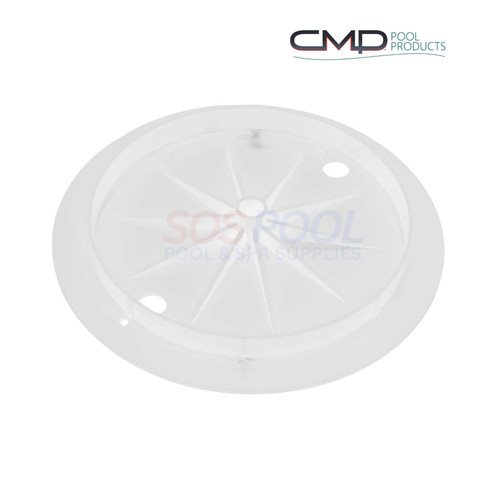
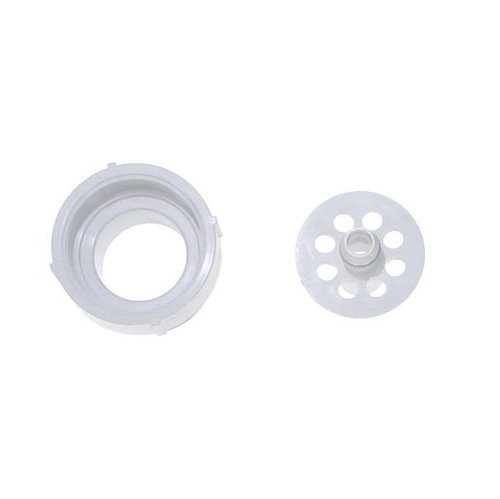


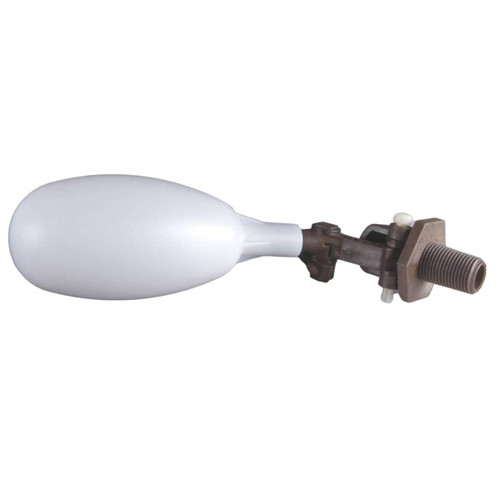
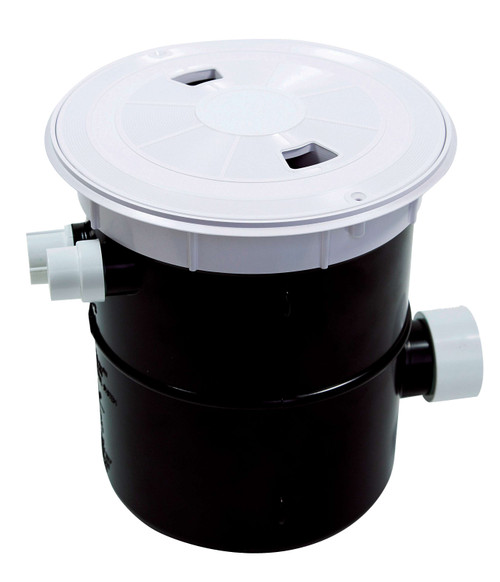



A pool or spa that loses water faster than it gains it is more than an annoyance. Running the pump with a low water line can damage the motor, expose plaster, and knock an automated system out of balance. A water leveler solves exactly that problem by automatically refilling the pool or spa whenever the water drops below a set point, keeping the system running the way it was designed to. HVAC365 stocks a selection of water levelers broad enough to cover the common pool and spa configurations, so you are not guessing at a substitute or waiting on a special order when the pool needs to stay in operation.
Water levelers are simple in concept: a float valve or electronic sensor detects a drop in water level and opens a supply line to refill until the target level is restored. That straightforward function matters for homeowners managing an outdoor pool, contractors installing or servicing pool and spa systems, and commercial operators keeping a hospitality or facility pool in continuous service. The Pool and Spa category covers the broader range of equipment this product fits into, and a water leveler is one of the less glamorous but genuinely important pieces of that system.
Choosing the Right Water Leveler
Pool and spa water levelers are not all interchangeable, and picking the wrong one usually means a callback or a return. The first thing to sort out is the water source connection. Most levelers tie into a standard residential water supply line, but you need to verify the connection size and thread type at the installation point before ordering. A leveler that does not match the supply fitting requires an adapter at best and a repiped connection at worst.
The second decision is whether a float-based mechanical unit or an electronic sensor-controlled unit fits the situation better. Mechanical float valves are straightforward and do not require a power source. Electronic units give you tighter level control, often include low-water shutoff protection, and can integrate with pool automation systems. For a basic backyard pool, mechanical is usually sufficient. For a spa with a heater and pump on a timer, or a commercial pool tied into a building management system, an electronic unit earns its price by protecting the equipment downstream.
Volume and refill rate are also worth thinking through. The unit needs to supply water fast enough to keep up with evaporation, splash-out, and backwash losses without running the fill valve nearly continuously. Check the flow rate specification against your supply line's pressure and the pool's typical daily water loss. Undersizing the leveler leads to the valve hunting and cycling, which wears it out faster than normal operation would.
Contractors sourcing units for multiple installations at once may want to compare volume pricing and lead times with HVAC365 directly. Residential buyers replacing a failed unit on an existing pool should bring the model number from the old unit or note the supply connection size before ordering, because dimensional compatibility matters here just as much as function.
Buying Tips
- Match the fill inlet before anything else. A water leveler that does not connect cleanly to your existing supply plumbing costs time you did not plan for. Know your supply line diameter and the existing fitting type before you add a unit to the cart.
- Plan for freeze protection if your climate calls for it. A water leveler installed on an outdoor pool in a region with hard winters needs either a winterization plan or a freeze-resistant float valve. A standard float valve left in service through a freeze cycle can crack and fail the following season.
- Do not overlook the overflow condition. A float valve that sticks open will overfill the pool. Make sure the installation includes a proper weir or drain path for overflow, and test the valve shutoff before leaving the job site.
- Check utility rate schedules if the pool is large. Continuous auto-fill during peak demand hours can add to the water bill in ways that are easy to overlook. Some electronic levelers allow fill scheduling; worth knowing before you spec one out.
How Water Levelers Are Configured
The configuration split in this category is primarily between mechanical float valve units and electronic sensor units, and those two types cover the realistic range of residential and commercial applications.
- Mechanical float valve levelers use a float arm and valve assembly, similar in principle to a toilet fill valve. When the water level drops, the float drops with it, opens the valve, and water flows in until the float rises back to the set point and closes the valve. These are simple to install, require no electrical connection, and are easy to service. They are the right call for most residential pools where a basic, reliable fill function is all that is needed.
- Electronic sensor levelers use a probe or optical sensor to detect the water level and trigger a solenoid valve to open or close the fill line. They are more precise, often include alarms or shutoff logic for leak detection, and can connect to pool automation controllers. The tradeoff is that they require a low-voltage power source and have more components that can fail. For commercial installations or any pool with a sophisticated automation setup, the control integration is usually worth that tradeoff.
Some units are designed for in-wall installation, where the leveler mounts flush with the pool wall and the float or sensor sits inside the pool. Others mount externally and connect to the pool through a separate port. The right choice depends on the pool's existing plumbing and whether an in-wall installation is practical given the pool's construction.
Installation and What to Check Before You Start
A water leveler installation is typically straightforward, but a few site conditions will stop the job cold if they are not accounted for ahead of time.
Water supply connection is the first thing to verify. The leveler needs a supply line with adequate pressure to open and operate the fill valve. Too little pressure and the valve may not seal properly when the level is reached. Too much pressure on a mechanical float unit can push past the float's holding force and cause a slow overflow. Look up the pressure rating for the unit you are installing and measure supply pressure at the connection point before proceeding.
For electronic units, check whether the installation requires a low-voltage transformer or whether the unit runs on line voltage. Pull the spec sheet for the exact unit and verify the power requirement against what is available at the installation location. Running a new power circuit to an outdoor pool environment means the wiring needs to meet the appropriate wet-location and bonding requirements for pool electrical work; that is not something to leave to assumption.
The fill port location matters for mechanical float units. The float arm needs clearance to travel through its full range of motion without hitting the pool wall, any nearby fittings, or the waterline tile. Measure the available space and compare it to the float arm length before mounting the unit.
Drainage and overflow conditions should also be confirmed before install. As noted in the buying tips above, a stuck-open valve will overfill the pool. Verify that the pool's existing overflow drain or weir can handle the leveler's maximum flow rate before commissioning the unit.
For seasonal pools, plan the winterization procedure at install time. Some levelers can be drained and left in place. Others need to be removed each fall. Know which type you are working with and make sure the supply line can be isolated and blown out without disturbing the leveler body.
Questions Buyers Usually Have
Q: How does a water leveler know when to add water?
A: Mechanical float valve levelers use a float arm that drops as the water level falls, mechanically opening a fill valve until the water level rises and lifts the float back to the shutoff point. Electronic units use a sensor probe or optical detector to trigger a solenoid valve. Both accomplish the same outcome; the difference is precision, complexity, and whether a power source is required. The configuration section above goes deeper on when each type makes sense.
Q: Can a water leveler be used with a saltwater pool?
A: That depends on the specific unit. Salt water is corrosive to metals that are fine in a standard chlorine pool, so you need to check the materials listed in the leveler's spec sheet. Units with brass or stainless internal components typically hold up better in saltwater applications than those with uncoated iron parts. Confirm material compatibility with the manufacturer or the product documentation before installing in a saltwater pool.
Q: Where does the water leveler connect to the pool?
A: Most in-wall levelers mount through a dedicated port in the pool wall and sit just above the waterline, with the float or sensor inside the pool. External units connect via a fitting below the waterline and mount on the pool deck or equipment pad. The right mounting style depends on the pool's existing plumbing and the type of unit you are installing — the same factors covered in the configuration and installation sections above.
Q: Does an automatic water leveler waste water?
A: A properly sized and functioning leveler only adds water when the level actually drops. The scenario that wastes water is a stuck-open or failed float valve — which is why testing the shutoff at installation matters, as covered in the installation section above. A leveler with a built-in overflow alarm adds a layer of protection against that failure mode.
Q: Do I need to shut off the water supply to the leveler for winter?
A: In climates where the pool is closed for winter, yes. Isolate and drain the supply line before the first hard freeze; leaving pressurized water in a float valve through a freeze cycle risks cracking the valve body or the supply line. The installation section above covers how to plan for supply isolation at the time of install so the shutoff is accessible when the season ends.
Q: Can a water leveler tie into a pool automation system?
A: Mechanical float units do not have this capability. Electronic levelers with solenoid valves and sensor outputs can often connect to pool automation controllers, though compatibility varies by brand and model. If automation integration is a requirement, verify that the leveler's output signal or control protocol is supported by the specific automation system on site before purchasing.
When a pool or spa is running through the season, the water level is one of those things that has to stay right or other problems follow quickly. HVAC365 ships nationwide and keeps a stocked selection of water levelers ready for residential replacements and professional installs, so the right unit is accessible whether you are sourcing a single replacement or equipping multiple pools for a commercial account.


