null

Essential Oils

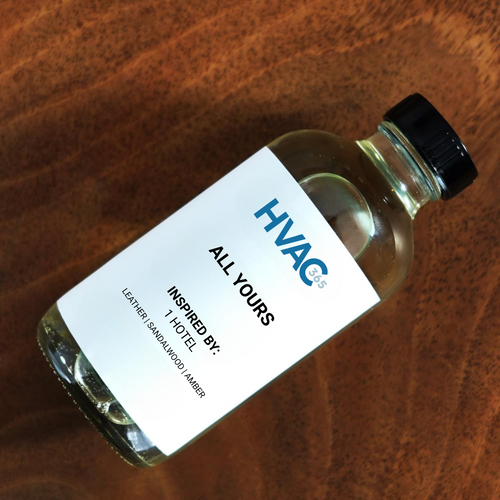
Scent is the part of indoor air quality that most people notice first, even when they can not name it. A diffuser running the wrong oil, or an oil that does not match the diffuser's requirements, does not just underperform; it can shorten the life of the unit and make a space actively unpleasant. HVAC365 stocks a broad selection of essential oils suited to oil diffusers, so whether you are filling a single-room residential unit or keeping a commercial fleet supplied, you can source everything from one catalog without hunting across multiple vendors. This category covers the essential oils and blends used in oil diffusers within the Oil Diffusers section of the ventilation catalog. That includes pure single-scent oils, pre-blended formulations, and diluted options designed for diffusers that require a carrier-mixed product. Homeowners replacing a favorite scent or setting up a new diffuser, contractors sourcing product for spa, hotel, or office installs, and distributors buying in volume for resale or fleet stock all work from the same catalog here.

Choosing the Right Oil for Your Diffuser and Space

The first thing to nail down is compatibility, and it is worth doing before anything else. Diffusers are not all built the same way. Some are designed for undiluted, 100% pure essential oils. Others require a pre-diluted blend or a carrier-mixed product to protect internal components from corrosion or clogging. Check your diffuser's documentation or the manufacturer's guidance before committing to a product type. Using the wrong formulation is the kind of mistake that is cheap to avoid up front and genuinely expensive after the fact, because a clogged or corroded diffuser mechanism typically means replacing the unit rather than cleaning it.

Beyond compatibility, think about the relationship between oil concentration and the space you are scenting. A small bedroom diffuser and a large commercial unit are moving very different volumes of air, and that difference changes both how concentrated the oil should be and how quickly you will go through a bottle. An oil that works well at low output in a tight space may be completely undetectable in a hotel lobby. A concentrated blend that is pleasant in a bedroom may be overwhelming running at full output in a small office. The right concentration is not a universal number; it is a function of the diffuser's rated output and the volume of the room. Match those two things before you order in quantity.

Scent type is a real decision, not just a preference. Eucalyptus and peppermint are standard choices for environments where alertness or a clean-air feel matters. Lavender and chamomile work well in relaxation-oriented spaces. Citrus blends tend to read as neutral and inoffensive, which makes them a practical default for commercial or semi-public settings where a strong personal scent preference could conflict with a guest's or employee's tolerance. If you are sourcing for a commercial space, broadly acceptable scents generally outperform polarizing ones regardless of quality.

For distributors or professionals buying in volume, availability consistency matters as much as scent profile. A fragrance you can reorder reliably is more useful in a fleet or commercial context than a slightly better oil that goes out of stock unpredictably. Lead time and catalog stability are real selection criteria at that scale.

Buying Tips

  • Read the purity statement carefully. "Essential oil" is a broad term. Some products are 100% pure single-origin oils; others are blends, diluted in a carrier, or synthetically extended. What matters is whether the product matches your diffuser's listed requirements and your intended use, not the label's marketing language. Do not assume purity from the name alone.
  • Start low in small or enclosed spaces. High-concentration or undiluted oils run at full output in a small room can cause headaches or sensory overload quickly. Begin with the manufacturer's recommended drop count or dosage and adjust from there. This applies especially to first-time setups in tight spaces.
  • Buy enough to avoid mid-job restocking. For commercial installs or ongoing facility supply, running out mid-job or mid-season means a gap in scent delivery and, often, a rush reorder at inconvenient timing. If you know the diffuser's consumption rate and the facility's operating hours, you can calculate a reasonable buffer quantity before the job starts rather than guessing after.
  • Treat oil selection as part of the diffuser spec, not an afterthought. The oil you run affects how the diffuser performs and how long it lasts. Sourcing the oil at the same time you spec or install the diffuser saves a return visit and protects the unit's warranty in cases where the manufacturer specifies compatible formulations.

Oil Types and How They Fit Different Situations

Essential oils for diffusers generally break into a few practical categories, and which one you need depends on your diffuser type and your application.

  • Pure single-scent oils are undiluted, single-origin oils, the kind most often required by ultrasonic and nebulizing diffusers that are designed to handle straight oil without a carrier. They give the most control over scent intensity because you are working with a consistent, unblended product. They are also the most variable in quality, so the purity statement matters more here than with blended products.
  • Pre-blended essential oils combine two or more scents into a single formulation. Blends designed for diffusers are typically balanced for how scent notes interact at the diffuser's operating temperature or ultrasonic frequency, rather than just how they smell in the bottle. If you are sourcing for a space that needs a specific atmosphere, a purpose-built blend often gets there more reliably than mixing individual oils yourself.
  • Diluted or carrier-mixed oils are formulated for diffusers that require a water or carrier base, either for the diffuser's mechanism or to moderate output in high-traffic commercial environments. These are the right pick when your diffuser's documentation specifies a diluted product, or when you need to manage intensity carefully across a large or mixed-use space.

If you are unsure which type your diffuser requires, the unit's documentation or the manufacturer's support line is the right first stop. Using a product type the diffuser is not rated for can void the warranty and damage components in ways that are not always immediately visible.

What to Check Before You Run the First Bottle

Compatibility between the oil and the diffuser mechanism is the primary consideration before first use, and the details on how to get that right are covered above. Beyond that, a few practical site factors are worth checking before you commit to a scent or volume.

Look at where the diffuser is placed relative to airflow in the room. A diffuser positioned directly in an HVAC return path will have its output diluted or dispersed differently than one placed in still air. That changes how much oil you need to achieve a consistent scent level across the space, and it changes how quickly the scent reaches the far end of a large room. It does not make the placement wrong, but it is a variable that affects consumption rate and perceived intensity.

Verify that the diffuser's output settings match the space. Many commercial and higher-end residential units have adjustable output. If you are starting with a new oil or a new install, run the unit at a lower setting first and give the space time to equilibrate before adjusting up. Scent accumulates in enclosed spaces faster than it dissipates, and starting high makes it harder to find the right balance without airing the space out completely and starting over.

For facilities running diffusers continuously, check how frequently the oil reservoir needs to be refilled at the unit's rated output for that space. Knowing the consumption rate before the install is complete lets you size the supply order correctly and set a maintenance schedule that does not require an unplanned visit.

Things You Should Know

Q: Can I use any essential oil in my diffuser, or does the diffuser require a specific type?

A: No. Most diffusers specify whether they are designed for pure undiluted oils, diluted blends, or water-based formulations, and using the wrong type can clog or corrode the mechanism and may void the warranty. The oil type categories and how to match them to your diffuser are covered earlier on this page.

Q: How do I know how much oil to buy for a commercial space?

A: Calculate based on the diffuser's rated consumption per hour, the space's operating hours, and any scheduled downtime. Most commercial diffusers publish a consumption rate in the product documentation. Multiply that by your weekly operating hours to get a baseline volume, then add a buffer to avoid a gap if reorder timing slips.

Q: Is a higher-purity oil always better for a diffuser?

A: No. Purity matters in relation to your diffuser's requirements. A diffuser rated for pure essential oils needs a high-purity product; one designed for diluted or carrier-mixed oils may be damaged by running straight undiluted oil through it. Match the purity level to the diffuser's spec rather than assuming purer is universally better.

Q: Which scents work best in commercial or semi-public spaces?

A: Broadly neutral options — citrus blends and light florals in particular — tend to work better in commercial or mixed-occupancy environments because they are less likely to conflict with individual sensory sensitivities. Strong single-note oils like eucalyptus or peppermint work well where a specific atmosphere is intentional, such as a spa or wellness facility, but can feel intrusive in a general office or retail setting. The scent selection guidance earlier on this page covers the tradeoffs in more detail.

Q: How do I avoid overscenting a small room?

A: Start with the manufacturer's recommended dosage or the lowest output setting, let the space equilibrate for 15 to 20 minutes, and adjust from there. Scent accumulates faster in enclosed spaces than it dissipates, so starting low and moving up is much easier than airing out an overscented room and starting over.

Q: Do essential oils expire or degrade?

A: Yes. Most essential oils have a shelf life that varies by type and storage conditions. Heat, light, and air exposure accelerate oxidation, which changes the scent profile and can make an oil less effective or, in some cases, irritating. Store oils in a cool, dark location with caps sealed tightly, and check the product's labeled best-by or use-by date — especially if you are buying in quantity for a commercial supply rotation.

Q: Can I mix different essential oils to create a custom blend for a commercial diffuser?

A: You can, provided the diffuser is rated for pure oils and the individual oils are compatible with the diffuser's mechanism. The practical risk is inconsistency: a field-mixed blend is harder to replicate precisely and harder to troubleshoot if the scent profile does not land as expected. For commercial applications where consistency across multiple units or locations matters, a purpose-built pre-blended oil is usually more reliable than a field-mixed formulation.

HVAC365 ships nationwide, which matters when you are managing a scent supply program across multiple facilities or keeping a residential diffuser consistently stocked without running to a local retailer. The catalog covers the full range from single bottles for homeowners to volume quantities for distributors and commercial buyers, all from one source. If you are sourcing essential oils as part of a broader diffuser setup or restocking an existing supply, the selection here is built to cover the full range of what that job actually calls for.

Compare

Fast Shipping

Easy Returns

Warranty Coverage

Financing Available