null
Individual Indoor & Outdoor Units

Individual Indoor & Outdoor Units

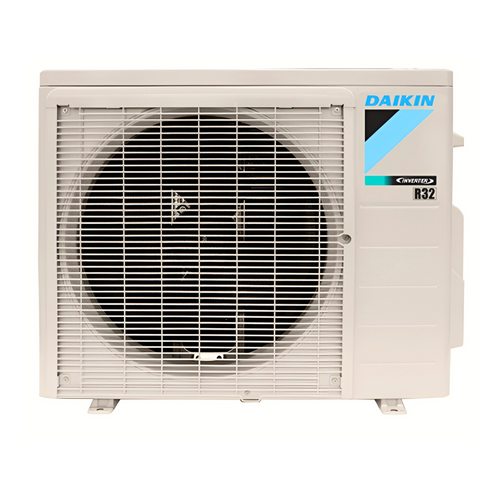
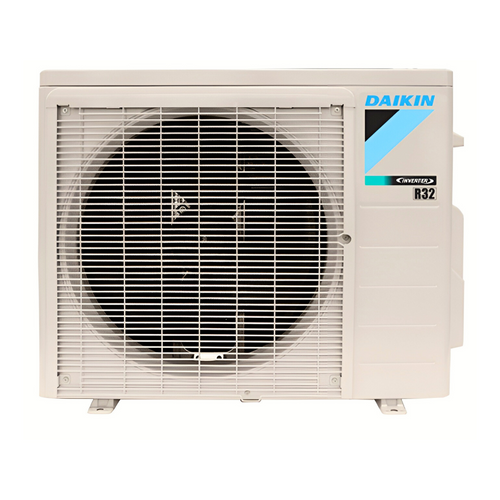
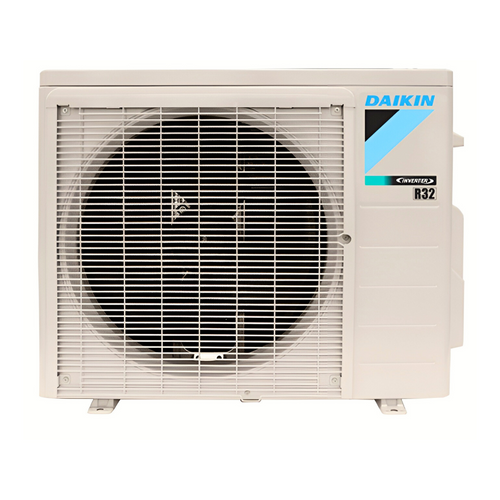
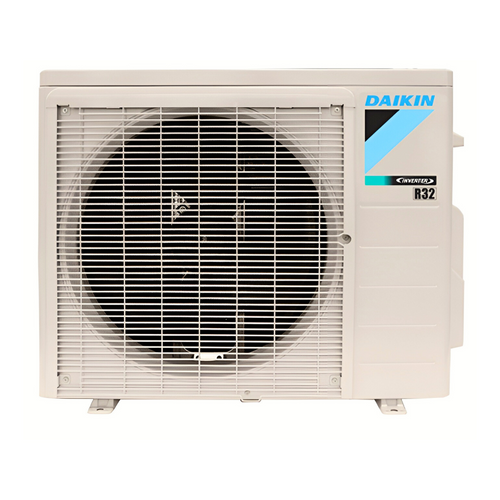
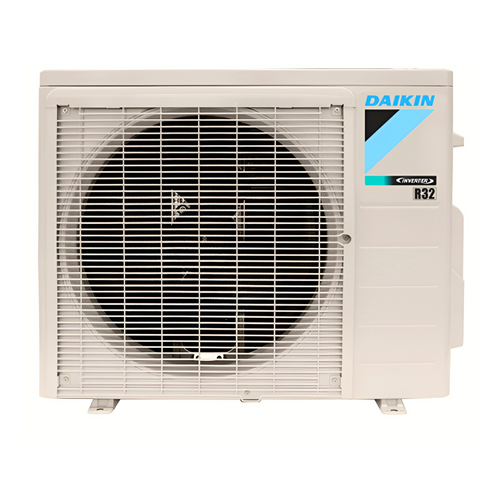
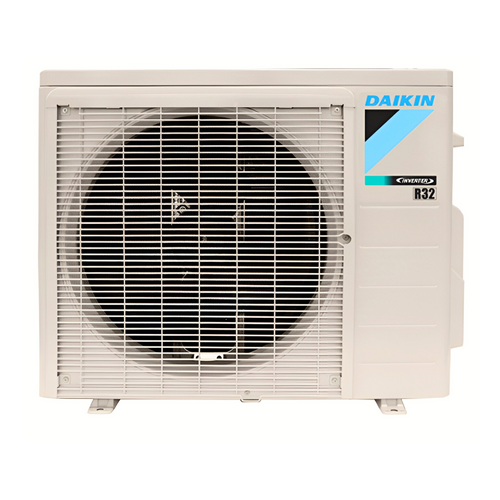
A room that's too hot in summer, too cold in winter, or cut off from the main duct system is a real comfort problem, and ductless mini splits are the most direct fix for it. This category carries the individual indoor and outdoor units that make up a single-zone ductless system: the wall-mounted air handler, ceiling cassette, or floor console that conditions the space, paired with the outdoor condensing unit that drives it. HVAC365 stocks a range of these components so that whether you need a compact unit for a sunroom addition or a higher-capacity unit for a commercial space, you're not hunting down a long lead-time special order. Whether you're a homeowner replacing an aging unit or adding a zone, a contractor pulling equipment for a specific job, a light-commercial operator fitting out a server room or retail suite, or a distributor sourcing stock, this is where the individual building blocks of a single-zone ductless system live. If you're also building out a system with more than one zone, the broader Ductless Mini Split Single Zone category is the right starting point for understanding how these units fit into the full single-zone lineup.

Choosing the Right Indoor and Outdoor Unit

The most important call you make in this category is capacity. The outdoor unit and the indoor unit have to be matched, and both have to be sized correctly for the space being conditioned. Too small and the system runs constantly without reaching setpoint; too large and it short-cycles, which means poor dehumidification, uneven temperatures, and wear on the compressor that shortens equipment life. Neither mistake is cheap once the line set is run and the refrigerant is charged. The right starting point is a load calculation for the specific space, not a rule-of-thumb square-footage guess. Ceiling height, insulation levels, window area, and solar exposure all move the number, and a load calculation accounts for them.

Application type is the second filter. A unit sized and rated for a residential bedroom addition is not automatically the right pick for a server room that generates constant internal heat loads, or for a commercial kitchen where the ambient conditions are different from a standard living space. Some units are rated for light-commercial applications and some are residential-only; verify which category your job falls into before ordering, because that rating affects both performance and warranty coverage.

Efficiency tier is worth understanding early, not just because higher SEER and HSPF ratings reduce operating costs over time, but because utility rebate programs frequently have minimum efficiency thresholds. Those thresholds vary by utility and by region, so look up what applies to your specific install location before settling on a unit. The tradeoff is real: a higher-efficiency unit costs more upfront, and whether the operating savings justify that premium depends on local electricity rates and how many hours per year the system runs. For a year-round primary comfort system in a hot-humid climate, the math usually favors the higher tier. For a seasonal-use space in a mild climate, it may not.

Distributors and contractors sourcing multiple units for a fleet or a development project have an additional consideration: lead time and volume pricing. Availability can vary by model and by season, so confirming stock before committing to a project schedule matters. The installation-readiness factors covered further down also shape the final unit selection, particularly electrical supply and line-set compatibility.

Buying Tips

  • Buy the matched pair together. The outdoor condenser and the indoor air handler in a single-zone ductless system need to be matched by the manufacturer, not just by capacity. Mixing brands or pairing an indoor unit with an outdoor unit from a different product family, even at the same nominal tonnage, can void the warranty and may cause control compatibility failures. Confirm compatibility before ordering, not after delivery.
  • Check the line-set length limits before you finalize the location. Every outdoor unit has a published maximum and minimum line-set distance. Locating the condenser further from the air handler than the unit allows is not a field-fixable problem without significant refrigerant and piping changes. Measure the actual routing distance, including vertical rise, before committing to a mounting location.
  • Understand what the warranty covers and what it requires. Most manufacturer warranties require installation by a licensed HVAC technician and a registered startup to be valid. Some also require the refrigerant charge to be verified at startup and documented. Know what your paperwork obligations are before the installer leaves the site.
  • Factor in the disconnect and breaker size at the same time as the unit selection. The outdoor unit's MCA (minimum circuit ampacity) and MOP (maximum overcurrent protection) figures are on the unit's nameplate and in the spec sheet. If the electrical service at the install location does not already match, that's a separate cost that belongs in the project budget from the start.

Single-Zone Configurations and Where They Fit

In this category, the primary configuration distinction is the indoor unit type. The outdoor condensing unit is functionally similar across most single-zone applications; the indoor unit is what determines how the air is delivered into the space and whether a given unit suits the install.

  • Wall-mounted (high-wall) air handler: The most common configuration in residential single-zone installs. The unit mounts high on an interior wall, throws conditioned air across the room, and requires minimal ceiling clearance. It's the default choice for bedrooms, living rooms, sunrooms, and additions where there's no existing ductwork and no ceiling void available for a cassette.
  • Ceiling cassette: Recesses into a drop ceiling and distributes air in multiple directions from a central point. Better suited to square or open rooms where even distribution matters and aesthetics favor a flush-ceiling look. Common in commercial offices, retail spaces, and finished basements with drop ceilings.
  • Floor console (floor-mounted): Mounts low on the wall, closer to floor level. Useful in spaces with limited high-wall mounting options, tall windows that run to the ceiling, or situations where throw distance from a high-wall unit would be excessive for the room's layout. Also works in spaces where occupants prefer the heating to come from a lower level during winter operation.
  • Concealed duct (slim duct): A ducted indoor unit that connects to a short duct run in a ceiling plenum or wall cavity. Not the same as a full ducted central system, but useful where you want to condition a space through existing or new short duct drops without a visible indoor unit. More involved to install than a wall mount and requires adequate ceiling or wall space for the air handler and duct connections.

The right indoor unit type is ultimately a function of the room's layout, ceiling construction, and aesthetics. Capacity and efficiency requirements stay the same regardless of which type you choose; it's the delivery method that changes.

What It Takes to Install One

Single-zone ductless systems are relatively self-contained compared to ducted central systems, but they are not plug-and-play. A few site-readiness checks belong on the list before the equipment ships.

Electrical supply is the first one. The outdoor unit requires a dedicated circuit, and the voltage, amperage, and breaker size vary by unit. Pull the spec sheet for the specific model and check the MCA and MOP figures against the panel capacity and the existing disconnect, if there is one. If a new circuit needs to be run or the panel needs an upgrade, that work happens before the unit goes in.

Line-set compatibility is next. Ductless systems use refrigerant line sets to connect the indoor and outdoor units, and those line sets need to match the connection sizes specified by the manufacturer. Verify the line-set diameter requirements from the outdoor unit's installation manual before purchasing line set. Pre-flared or pre-charged line sets can simplify installation for some units; check whether the model supports them and whether the contractor is working with one.

For drainage, the indoor air handler produces condensate during cooling operation that has to go somewhere. Wall-mounted units typically drain by gravity to the outside through a small PVC or drain line run through the wall. If gravity drainage is not possible for the mounting location, a condensate pump becomes a required accessory, not an optional one. Measure the drain routing before finalizing the mount location.

Operating temperature range is worth checking against the actual site conditions, particularly for heating. Ductless heat pumps vary in how low an outdoor ambient temperature they can operate in and still deliver rated heating capacity. In climates that see extended cold snaps, look up the unit's rated heating capacity at the low end of the expected outdoor temperature range, not just the nominal heating capacity figure.

For controls and integration, most current ductless units include a wireless remote as the baseline control. Some support wired wall controllers, smart-home integration, or BACnet/Modbus connectivity for building automation systems. If the install requires any of those, confirm compatibility before the unit ships, because field-adding control capability after the fact is often not possible or not supported by the manufacturer.

Clearances matter for both the indoor and outdoor unit. The outdoor condenser needs adequate airflow around it, and manufacturer minimums for clearance from walls, fences, and other obstructions are in the installation manual. The indoor unit needs minimum ceiling and side clearances for airflow and for service access to the filter and coil. Check both before finalizing the mounting location.

Things You Should Know Before You Order

Q: Do I need to buy the indoor and outdoor units as a matched set?

A: Yes, in virtually all cases. Ductless mini split manufacturers design their indoor and outdoor units to work as matched pairs, and mixing components from different brands or even different product families within the same brand can cause control failures and will typically void the warranty. Always confirm that the specific indoor and outdoor units you're ordering are rated and approved for use together by the manufacturer.

Q: How do I know what capacity I need?

A: Use a load calculation — not a square-footage guess. As covered in the selection guidance above, ceiling height, insulation, windows, orientation, and internal heat loads all move the number. Guessing routinely leads to oversized units that short-cycle and underperform on dehumidification.

Q: Can I use a residential mini split unit in a commercial space?

A: It depends on the space and the unit's ratings. As noted in the selection guidance above, some units are rated for light-commercial applications and others are residential-only. Check the manufacturer's application ratings and your local code before specifying a unit for a commercial install.

Q: What electrical work is required before installation?

A: The outdoor unit needs a dedicated circuit sized to its MCA and MOP ratings. If the existing panel and disconnect don't already match those requirements, an electrician needs to complete that work before the HVAC installer arrives. The install notes above walk through what to check on site.

Q: What is the maximum line-set distance, and does it affect performance?

A: Every outdoor unit has a published maximum line-set length, and many also have a minimum. Exceeding the maximum can reduce capacity and efficiency and may void the warranty. Measure the actual routing distance — including any vertical rise — against the specific unit's spec sheet before finalizing the install location, as covered in the install notes above.

Q: Is a condensate pump always required?

A: Not always. If the indoor unit can drain by gravity to the outside, a pump is not needed. If gravity drainage isn't possible for the mounting location, a condensate pump is required — not optional. Evaluate the drain routing during site assessment, as described in the install notes above.

Q: What efficiency ratings should I look for, and do they affect rebate eligibility?

A: SEER and HSPF measure cooling and heating efficiency respectively. As covered in the selection guidance above, higher ratings generally mean lower operating costs, and many utility and government rebate programs set minimum efficiency thresholds that vary by utility and region. Look up the rebate programs at the install location before selecting a unit — missing a threshold by one tier can mean leaving significant rebate money on the table.

HVAC365 ships individual mini split indoor and outdoor units nationwide, with a stocked selection broad enough to cover residential room additions, light-commercial retrofits, and volume orders for contractors and distributors working across multiple jobs. A household that loses comfort mid-season or a contractor whose project timeline depends on equipment availability both need reliable stock, not a back-order. Browse the category to find the unit type and application fit your job calls for, and reach out if you need help confirming compatibility before you order.

Compare
Show: 12 24 48

Fast Shipping

Easy Returns

Warranty Coverage

Financing Available