
-
Friedrich
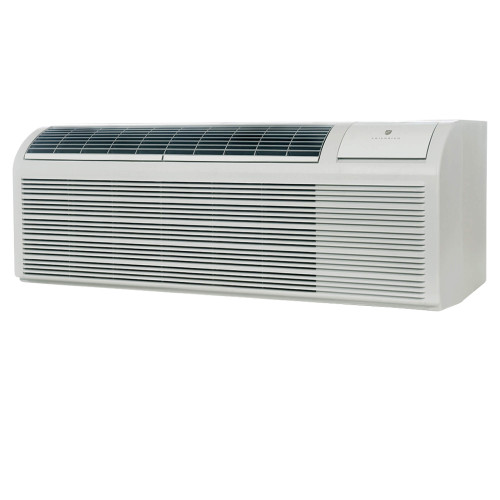
Friedrich 14500 BTU 10.0 EER PTAC Air Conditioner ZoneAire Select with Electric Heat and R32 Refrigerant in 230V | PZE15K5SC
SKU: PZE07K3SC
$1,538.37- 🚚Qualifies for FREE Shipping
- Fast Shipping
Ships in 3-4 Business Days10 in stock -
Friedrich
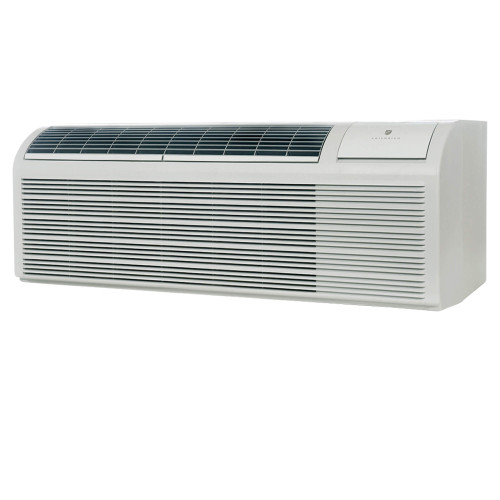
Friedrich 14500 BTU 10.0 EER PTAC Heat Pump Air Conditioner ZoneAire Select R32 Refrigerant in 230V | PZH15K3SC
SKU: PZH15K3SC
$1,765.80- 🚚Qualifies for FREE Shipping
- Fast Shipping
Ships in 3-4 Business Days10 in stock -
Friedrich
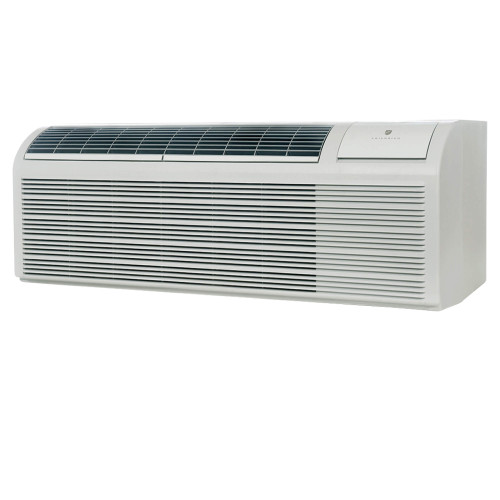
Friedrich 14500 BTU 10.4 EER PTAC Heat Pump Air Conditioner ZoneAire with R32 Refrigerant in 265V | PDH15R5SGR3
SKU: PDH15R5SGR3
$2,007.90- 🚚Qualifies for FREE Shipping
- Fast Shipping
Ships in 3-4 Business Days10 in stock -
Friedrich
Friedrich 14600 BTU 10.4 EER PTAC Heat Pump Air Conditioner ZoneAire with R32 Refrigerant in 230V | PDH15K5SGR3
SKU: PDH15K5SGR3
$1,848.86- 🚚Qualifies for FREE Shipping
- Fast Shipping
Ships in 3-4 Business Days10 in stock -
Friedrich
Friedrich 14700 BTU 10.4 EER ZoneAire PTAC Electric Heat with R32 Refrigerant and 5.0 kW Heat Strip in 265V | PDE15R5SG
SKU: PDE15R5SGR3
$1,903.03- 🚚Qualifies for FREE Shipping
- Fast Shipping
Ships in 3-4 Business Days10 in stock -
Friedrich
Friedrich 14700 BTU 10.4 EER ZoneAire PTAC Electric Heat with R32 Refrigerant and 5.0 kW Heat Strip in 230V | PDE15K5SG
SKU: PDE15K5SGR3
$1,975.35- 🚚Qualifies for FREE Shipping
- Fast Shipping
Ships in 3-4 Business Days10 in stock -
Amana
Amana Distinctions 15,000 BTU 10.6 EER PTAC Air Conditioner With 3.5 kW Electric Heat, 208/230V 1-Phase, 20 A | DCP153A35AA
SKU: DCP153A35AA
$1,460.62- 🚚Qualifies for FREE Shipping
- Fast Shipping
Ships in 1-2 Business Days10 in stock -
Amana
Amana Distinctions 15,000 BTU 10.6 EER PTAC Heat Pump With 5 kW Electric Heat, 208/230V 1-Phase, 30 A | DHP153A50AA
SKU: DHP153A50AA
$1,675.89- 🚚Qualifies for FREE Shipping
- Fast Shipping
Ships in 1-2 Business Days10 in stock -
Amana
Amana 15,000 BTU 10.3 EER PTAC Air Conditioner With 2.5 kW Electric Heat, R-32, 208/230V 1-Phase, 15 A | PTC153J25AXXX
SKU: PTC153J25AXXX
$2,120.33- 🚚Qualifies for FREE Shipping
- Fast Shipping
Ships in 1-2 Business Days10 in stock -
Amana
Amana 15,000 BTU 10.3 EER PTAC Air Conditioner With 3.5 kW Electric Heat, R-32, 208/230V 1-Phase, 20 A | PTC153J35AXXX
SKU: PTC153J35AXXX
$2,120.33- 🚚Qualifies for FREE Shipping
- Fast Shipping
Ships in 1-2 Business Days10 in stock -
Amana
Amana 15,000 BTU 10.3 EER PTAC Air Conditioner With 5 kW Electric Heat, R-32, 208/230V 1-Phase, 30 A | PTC153J50AXXX
SKU: PTC153J50AXXX
$2,173.24- 🚚Qualifies for FREE Shipping
- Fast Shipping
Ships in 1-2 Business Days10 in stock -
Amana
Amana 15,000 BTU 10.4 EER PTAC Heat Pump With 2.5 kW Electric Heat, R-32, 208/230V 1-Phase, 15 A | PTH153J25AXXX
SKU: PTH153J25AXXX
$2,310.96- 🚚Qualifies for FREE Shipping
- Fast Shipping
Ships in 1-2 Business Days10 in stock
Buying guidance
15,000 BTU PTAC Units




A failing or undersized room unit in a hotel corridor, a multifamily apartment, or a small office does not just mean discomfort. It means callbacks, unhappy tenants, and a job that stalls until the right replacement shows up. A 15,000 BTU PTAC is the workhorse of that segment: enough capacity to condition a mid-to-large guest room, a studio apartment, or a small commercial space, and HVAC365 stocks a broad selection of application options so you can match the unit to the job rather than settle for whatever is available. Whether you are looking at a like-for-like swap in an existing sleeve or speccing a fresh install, finding the right unit across this category of our PTAC air conditioners lineup is where to start.
This category covers 15,000 BTU packaged terminal air conditioners, the self-contained, through-the-wall units that cool (and in many cases heat) a single zone without any ductwork. The format was built for hospitality and multifamily construction, and it still dominates those markets. But it also turns up in assisted living facilities, server antechambers, small clinics, and any space where independent zone control matters more than a centralized system. Homeowners running a converted garage or a room addition over a slab reach for PTACs for the same reason a hotel engineer does: one unit, one zone, no duct work to run.
The buyers in this category are a real mix. Homeowners doing a single replacement sit alongside contractors quoting a full hotel floor, facilities managers maintaining a building portfolio, and distributors restocking for the next busy season. What they share is a need for units that fit a standard sleeve, wire up to the available circuit, and hold up through heavy daily use.
Choosing the Right 15,000 BTU PTAC
The BTU rating narrows the field but does not make the decision for you. Before you order, there are a few dimensions worth working through carefully, because getting them wrong at spec time is far cheaper than getting them wrong after the unit is in the wall.
Start with load verification. A 15,000 BTU capacity is a meaningful step up from the smaller PTAC sizes, and it suits larger or higher-load spaces, but it is not the right call in every situation. A space that only needs 9,000 or 12,000 BTU will short-cycle with a 15,000 BTU unit, running briefly and shutting off before it can pull humidity out of the air. That leaves a room that feels cool but clammy, and it shortens the compressor's service life. Confirm the actual load your space requires through a proper calculation before locking in capacity, especially if the existing unit was oversized to begin with.
Application fit matters just as much as raw capacity. PTACs are rated and built for specific use conditions, and light commercial or hospitality-grade units are not interchangeable with residential-grade products in every situation. Think about the duty cycle the unit will run, the ambient conditions in the mechanical sleeve, and whether local code or the building's certificate of occupancy creates any equipment class requirements. A contractor spec-matching for a hotel renovation will weigh these factors differently than a homeowner doing a single room swap, but the questions are real in both cases.
Efficiency tier is a buying decision, not just a performance note. Higher-efficiency units carry a higher upfront cost and may qualify for utility rebates or meet local energy codes that less efficient units do not. The right tier depends on your local utility program thresholds, the building's compliance requirements, and how you want to model the payback period over the unit's expected service life. Check the rebate programs in your area before assuming the least expensive option is the lowest total cost. Distributors and contractors ordering in volume will also want to factor lead time and availability into the efficiency-tier decision, especially ahead of the summer peak season when demand for this capacity class rises sharply.
Buying Tips
- Match the sleeve before you order. PTAC sleeves are not universal. Wall depth, width, and the presence or absence of a built-in grille architecture vary across manufacturers and generations. Measure the existing sleeve and compare it to the replacement unit's sleeve dimensions before you commit. A unit that does not fill the sleeve opening properly will not seal correctly, which defeats the insulation value of the wall and can create condensation problems around the opening.
- Check the heating type for the application. PTACs come with electric resistance heat, heat pump heating, or both. Electric resistance heat is straightforward and works in any ambient temperature, but runs at higher operating cost. Heat pump heating is more efficient in moderate climates but loses capacity as outdoor temperatures drop. Know which type the space actually needs before ordering, because swapping heating type after install typically means replacing the entire chassis.
- Verify the electrical supply before the unit ships. The installation notes below go into this in more detail, but the short version is that not every 15,000 BTU PTAC draws the same amperage or runs on the same voltage. Pulling the existing unit's rating plate and matching it to the replacement's electrical requirements is something you do before the truck leaves the supplier, not after it arrives on site.
- Factor in the chassis versus the sleeve separately. In many hospitality and multifamily installs, the sleeve stays in the wall indefinitely while chassis units are swapped in and out for service. If the sleeve is already in place, you may only need the chassis. Ordering a full packaged unit when only a chassis replacement is needed is a common and avoidable mistake.
PTAC Configurations and Where Each One Fits
The 15,000 BTU PTAC market is not one-size-fits-all even within a single capacity class. The configuration choices that matter most come down to heating type, chassis versus full packaged unit, and control interface.
- Cooling only. Some installations in consistently warm climates or in spaces with separate heating systems do not need integrated heat at all. Cooling-only units are simpler and generally less expensive, and they make sense where a building's central heating already handles the space or where supplemental heat is provided through a separate system.
- Electric resistance heat. The most common configuration in North American hospitality. Electric strip heat works reliably across the full range of outdoor temperatures and requires no refrigerant cycle to deliver warmth. Operating costs are higher than a heat pump over a full heating season, but the simplicity and reliability record in heavy-use applications is the reason it dominates the hotel segment.
- Heat pump with electric backup. Better efficiency in moderate climates, with the electric backup kicking in when outdoor temperatures fall below the heat pump's effective range. This configuration makes sense in climates where heating loads are real but the coldest temperatures stay above the heat pump's operating threshold. The upfront cost is higher, and the system is mechanically more complex, but the operating cost savings across a heating season can be meaningful at scale.
- Digital versus analog controls. Older installations often used analog (dial-style) controls. Many current units offer digital thermostats, programmable setpoints, and in some cases connectivity for property management system integration. For hospitality or multifamily operators managing many units, the control interface can affect both guest experience and maintenance workflow. Confirm what the existing wiring and control infrastructure supports before speccing a unit with features the building cannot use.
What It Takes to Install One
PTACs install through the wall into a sleeve, and in a replacement scenario the sleeve is usually already there. But do not assume the existing sleeve means the install is plug-and-play. Work through the following before the unit arrives on site.
Electrical supply is the first thing to verify. PTACs in this capacity class can require different voltages and amperage draws depending on the specific model and heating configuration. Look at the rating plate on the existing unit and compare it to the replacement's electrical requirements. If the circuit, breaker, and disconnect are already sized and wired for the existing unit, confirm the new unit's requirements match before you order, not after. A unit that needs a different voltage or higher amperage than what is already on the wall means electrical work before the swap can happen.
Check the sleeve dimensions against the new unit's specs. Measure the opening width, height, and wall depth, and compare them to the replacement unit's sleeve compatibility data. Some manufacturers publish a list of sleeves their chassis fits; use it. A unit that does not seat properly in the sleeve will not seal correctly, and a poor sleeve seal means conditioned air leaks out, unconditioned air leaks in, and condensation can form in the wall cavity.
Look at the existing drainage situation. PTACs manage condensate internally through evaporation in most configurations, but verify whether the installation location and model require any external drain provision. In high-humidity climates or high-duty-cycle applications, condensate management is worth confirming before install rather than diagnosing after the fact.
Consider the operating temperature range for heat pump configurations specifically. Heat pumps have a lower ambient temperature threshold below which they stop producing useful heat and rely on the backup strip. Know what that threshold is for the unit you are ordering, and make sure it fits the climate the installation will actually see.
For control wiring, pull the existing unit's wiring diagram and compare it to the replacement. Most PTACs in this form factor use a standard chassis wiring interface, but connector type, thermostat wiring, and any property management system connections should be verified before the old unit comes out of the wall.
Finally, account for any required accessories. Wall sleeves, grille kits, and installation brackets are sometimes sold separately from the chassis. Confirm what ships with the unit and what needs to be ordered alongside it so the installation can be completed in one visit.
Things Worth Knowing Before You Buy
Q: How do I know if 15,000 BTU is the right capacity for my space?
A: Run a load calculation for the specific space — room orientation, ceiling height, window area, insulation quality, and occupant load all matter. An oversized unit short-cycles and leaves humidity in the air; an undersized one runs constantly and still cannot hold setpoint. Square footage alone is not enough. The capacity selection notes earlier in this page cover why those factors push the answer in different directions.
Q: Can I replace my existing PTAC with a different brand?
A: Often yes. The key constraints are sleeve dimensions and electrical requirements — if the replacement chassis fits the existing sleeve and the electrical supply matches, a cross-brand swap is typically straightforward. Where it gets complicated is when sleeve dimensions differ between manufacturers or when the heating configuration changes. The sleeve-matching and electrical verification steps covered above apply here directly.
Q: What is the difference between a PTAC chassis and a full packaged unit?
A: The chassis is the functional unit that slides into a wall sleeve; the sleeve is the metal housing built into the wall opening. In many commercial and hospitality settings, the sleeve stays permanently in the wall and only the chassis is replaced for service or upgrades. A full packaged unit includes both. If a sleeve is already in place, you likely only need a chassis — a detail the buying tips above flag as a common ordering mistake worth avoiding.
Q: Do 15,000 BTU PTACs require a dedicated electrical circuit?
A: In most cases, yes. PTACs in this capacity class draw enough current that sharing a circuit with other loads is not practical and may not meet code. Pull the rating plate from the existing unit and check the replacement's electrical specs before ordering — the installation section above walks through exactly what to verify on site.
Q: What heating options are available in a 15,000 BTU PTAC?
A: The main options are electric resistance heat, heat pump with electric backup, and cooling only with no integrated heat. The configurations section above covers where each one fits and the trade-offs between them.
Q: How does a PTAC handle condensate drainage?
A: Most PTACs manage condensate through internal evaporation, using condenser heat to evaporate moisture collected during cooling, so no external drain is needed in a standard install. In high-humidity climates or high-duty-cycle applications, condensate output can exceed what internal evaporation handles — the installation notes above cover how to confirm whether your specific site needs an external drain connection.
Q: Is a 15,000 BTU PTAC appropriate for residential use?
A: Yes, though it depends on the application. PTACs work well in residential settings where through-the-wall installation is practical and independent zone control is the goal: a large primary bedroom, a converted garage, a room addition, or a finished basement. The electrical requirements (typically a dedicated circuit at a specific voltage) and the need for a proper wall sleeve mean the install is not as simple as a window unit, but the result is a more permanent, quieter, and better-looking installation.
HVAC365 ships 15,000 BTU PTAC units nationwide, with a broad catalog that covers the range of heating configurations, control types, and application classes this capacity segment calls for. Whether the job is a single residential replacement or a distributor-level restock ahead of the summer peak, the selection here is stocked to match the real variety of installs this size unit ends up in.


