
null
Pool Heater

Pool Heater

A cold pool in the middle of swim season is a frustration that has a real solution, and pool heaters are exactly that solution. Whether you're extending the swim season by a few weeks on either end or keeping a commercial pool at a consistent temperature year-round, the right heater makes the difference between a pool that gets used and one that sits idle. HVAC365 stocks a broad selection of pool heaters across fuel types and capacity ranges, so you can find a unit that fits the actual demands of the job rather than settling for whatever happens to be available. This sits inside the wider Pool & Spa catalog, which covers the supporting equipment that rounds out a complete pool setup.

Pool heaters serve a genuinely wide range of buyers. Homeowners replacing an aging unit or adding heat to a previously unheated pool are a common starting point. Light commercial operators, including hotel pools, community recreation centers, and apartment complexes, need equipment sized and rated for continuous use in a way residential units may not be. Contractors and installers sourcing equipment for a specific job need to match a heater to a load calculation, a fuel source, and a site that may have its own constraints. And distributors or supply houses buying in volume need reliable availability and a catalog deep enough to cover multiple job types at once. All of those buyers will find relevant options here.

Choosing the Right Pool Heater

The single most important decision in this category is fuel type, and it shapes almost everything else. Gas heaters (natural gas or propane) heat water quickly regardless of ambient air temperature, which makes them well-suited to pools that are heated on demand rather than continuously. Heat pump pool heaters are highly efficient when ambient temperatures are warm enough to support them, but their output depends on outdoor conditions, so they work best in climates where temperatures stay above a threshold for most of the swimming season. Electric resistance heaters are simpler to install where gas isn't available, but operating costs at scale make them better suited to smaller bodies of water or applications where use is infrequent. Before selecting a fuel type, verify which energy sources are available at the site and what the local utility cost picture looks like for each option.

Capacity is the next critical variable. Pool heater output is rated in BTUs, and the right figure for a given pool depends on the surface area of the water, the desired temperature rise, how quickly you want the pool to reach temperature, whether the pool is indoors or outdoors, and whether a cover is used. A professional load calculation accounts for all of these factors. Guessing at capacity or defaulting to whatever the previous unit was rated at without checking the actual demand is a common mistake, and an undersized heater will run constantly without ever reaching setpoint while an oversized one may cycle in ways that shorten equipment life. Ask the manufacturer or a qualified installer to verify the calculation before committing to a unit.

Efficiency tier matters more for heat pump and gas heaters than for resistance electric units. Higher-efficiency gas heaters carry a higher upfront cost but lower operating expense over a season of use. In some regions, utility rebate programs reward buyers who meet certain efficiency thresholds, so it is worth looking up local utility programs before finalizing a selection. The installation-readiness factors covered further down this page are also relevant to which efficiency tiers make practical sense for a given site.

Application type influences the choice in a few specific ways. A residential pool used seasonally has different duty-cycle demands than a commercial pool that runs year-round. Commercial applications often require heaters rated for continuous operation, and some jurisdictions have code requirements that specify minimum or maximum water temperatures, required safety controls, or approved equipment types. Contractors specifying equipment for a commercial job should pull the local requirements before ordering. Distributors sourcing for a mixed-use catalog should think about breadth across fuel types and capacity ranges, since the diversity of the jobs hitting their counter at any given time will rarely line up with a single configuration.

Buying Tips

  • Do not assume the existing gas line or electrical service at the pad is already sized for a new unit. Heater BTU output and amperage draw vary enough between models that what fed the old unit may not be adequate for a replacement with a different fuel type or efficiency system. Check this before the unit ships.
  • Pool covers are not just an accessory consideration. They directly affect what size heater you need. A pool with a proper cover loses dramatically less heat overnight and in off-hours, which changes the sizing math. If a cover isn't currently in use, factor in what adding one would do before committing to a capacity.
  • Verify whether the installation site requires a permit before the heater is installed. Many jurisdictions require permits for gas appliance installations and for electrical work beyond a certain amperage. Pulling a permit after the fact is more expensive and more disruptive than pulling it before.
  • Indoor pools present ventilation and exhaust requirements that outdoor installations don't. Gas heaters vented indoors need proper flue sizing and combustion air supply. If the pool is enclosed, confirm the venting path is part of the installation plan before the unit is selected.

Gas, Heat Pump, and Electric: Which Configuration Fits

Pool heaters in this category come in three real configuration types, and each one suits a different set of conditions and priorities.

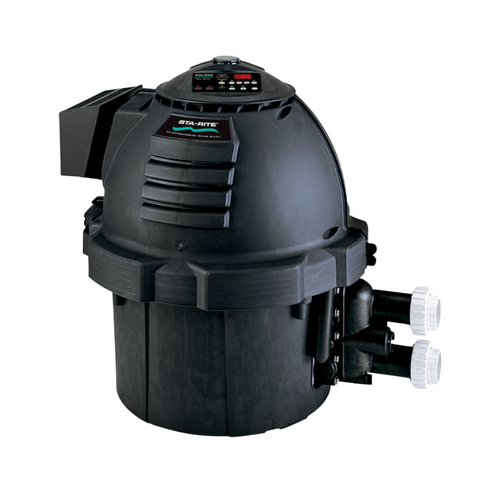
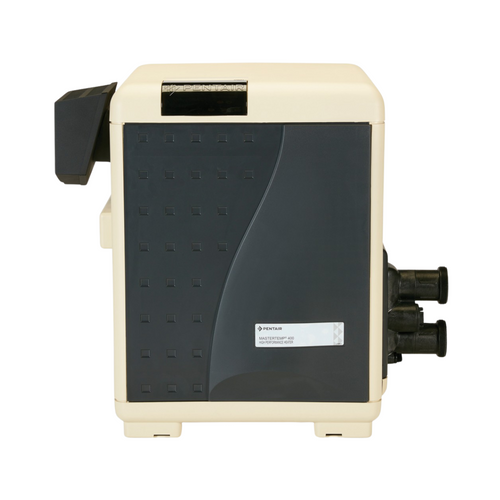
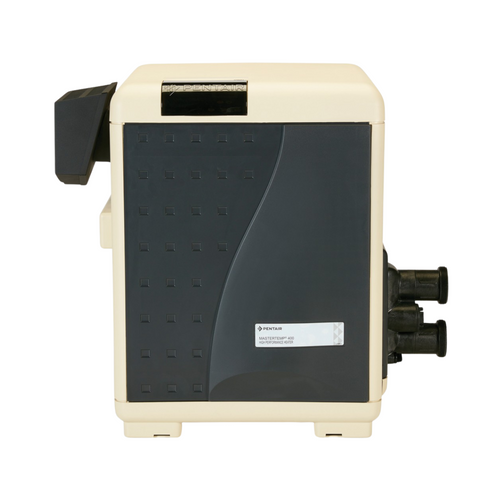
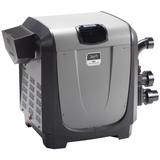
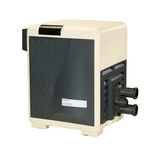
  • Gas pool heaters (natural gas or propane) heat pool water quickly and maintain setpoint regardless of the outdoor air temperature. They are a strong fit for pools that are heated on demand rather than kept at a constant temperature, for pools in climates with cold springs or falls where a heat pump would lose efficiency, and for large pools where a rapid temperature rise is a priority. Operating cost is tied to local gas prices, which vary significantly by region.
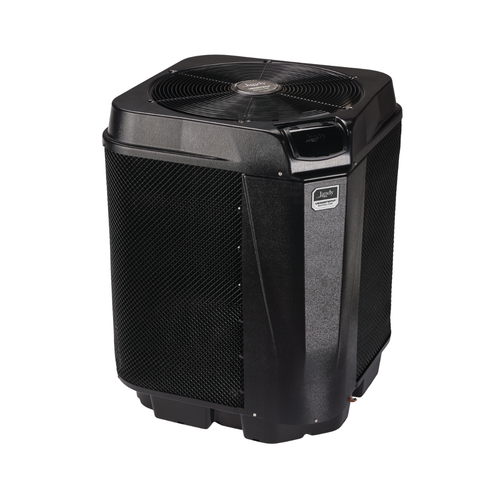
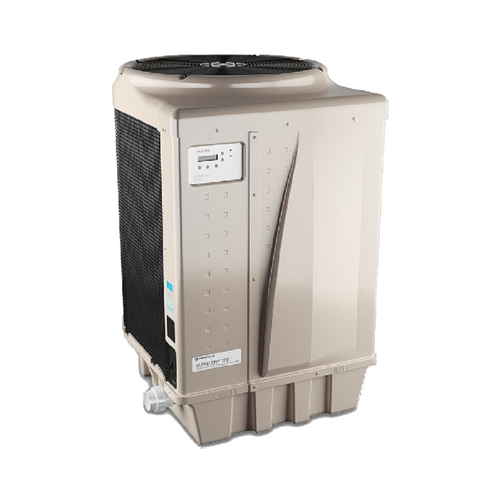
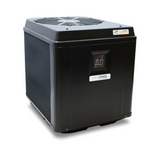
  • Heat pump pool heaters move heat from the surrounding air into the pool water rather than generating it directly, which makes them highly efficient under the right conditions. They work best in climates where ambient temperatures stay warm for most of the swimming season, and they are a strong fit for pools that run continuously or for long seasons, since the efficiency advantage compounds over time. They cost more upfront and heat water more slowly than a gas unit, but operating cost over a full season is typically lower where conditions are favorable.
  • Electric resistance heaters convert electrical energy directly into heat. They are simpler to install in locations without a gas supply and are well suited to smaller bodies of water such as spas, hot tubs, or compact residential pools where the volume of water being heated is manageable. For large pools heated frequently, operating costs are a real consideration.

Some units are designed specifically for spa or hot tub applications, where the smaller water volume and higher target temperature call for a different configuration than a full-size pool. If the application is a spa rather than a pool, verify that the unit you are looking at is rated for that use, not just for the lower target temperatures typical of pools.

What It Takes to Install a Pool Heater

Gas pool heaters require a gas supply line sized to deliver enough BTUs at the inlet pressure the unit requires. Measure the existing line size and verify inlet pressure against the heater's spec sheet before installation; an undersized line is a common reason a new heater doesn't perform as rated. Propane installations additionally require an appropriately sized tank and regulator. Gas heaters also require a flue or exhaust path that meets local code, and the combustion air supply needs to be adequate, particularly for enclosed or semi-enclosed equipment pads.

Heat pump pool heaters run on electricity, typically requiring a dedicated circuit. Look up the amperage and voltage requirements on the unit's spec sheet or rating plate and compare that against the panel capacity and the existing disconnect on site. Do not assume the circuit that fed a prior gas heater's controls will carry the load of a heat pump. Heat pumps also need adequate airflow around the unit; check the clearance requirements in the installation manual before positioning the equipment, since restricted airflow degrades performance and can shorten equipment life.

Electric resistance heaters are also electrically powered and similarly need a dedicated circuit matched to their rated amperage and voltage. Like heat pumps, verify the panel can support the added load before installation rather than after.

All pool heater types connect to the pool's plumbing loop, typically installed downstream of the pump and filter. The plumbing connections need to be compatible with the pipe size and material already on site. Some heaters include bypass valves or require them as part of the installation to allow the pump to run while the heater is isolated for service. Check the installation manual for the specific plumbing configuration the manufacturer requires.

Depending on the model and local code, a pool heater may require a dedicated controller, integration with an existing pool automation system, or a temperature limiting device. Ask the manufacturer or distributor which controls are included and which are required separately before placing an order, since a missing control component can hold up an installation.

Things You Should Know

Q: How do I know what BTU output I need for my pool?

A: Sizing depends on surface area, volume, desired temperature rise, local climate, and whether a cover is used — all covered in the capacity section above. Have a qualified installer or the equipment manufacturer run a proper load calculation based on your specific pool dimensions and conditions, and use that figure rather than matching the output of the unit being replaced without verifying it was correctly sized to begin with.

Q: What is the difference between a gas pool heater and a heat pump pool heater?

A: The short version: gas burns fuel to heat water directly and works in any weather; a heat pump moves heat from outdoor air and is most efficient when that air is warm. The full breakdown of when each type makes sense — including climate fit, on-demand vs. continuous use, and energy source availability — is in the configuration section above.

Q: Can I replace a gas pool heater with a heat pump, or vice versa?

A: Yes, but switching fuel types means changing the utility connections and possibly the plumbing configuration. Each type has its own site-readiness requirements, covered in the installation section above. Work through those checks before committing to a fuel-type change.

Q: Do pool heaters work with existing pool automation systems?

A: Many pool heaters can integrate with common pool automation and control platforms, but compatibility depends on the specific heater model and the automation system already installed. Check the heater's documentation for supported control interfaces, and ask the manufacturer whether an adapter or additional control module is needed for your system. Do not assume compatibility without verifying it against both sides of the connection.

Q: Is a permit required to install a pool heater?

A: In most jurisdictions, yes, particularly for gas heater installations and for electrical work above a certain amperage. Requirements vary by location, so check with your local building department before the installation begins. Installing without a required permit creates liability and may complicate future property sales or insurance claims.

Q: What maintenance does a pool heater typically require?

A: Gas heaters should have their burner assembly, heat exchanger, and venting inspected periodically for scaling, corrosion, and combustion issues. Heat pumps need their coils kept clear of debris and their refrigerant charge checked if performance drops. All types benefit from verifying that pool chemistry stays within manufacturer-specified ranges, since aggressive water chemistry is a leading cause of premature heat exchanger failure across all heater types.

Q: Can a pool heater be used to heat a spa or hot tub?

A: Some pool heaters are rated for both pool and spa applications; others are designed specifically for one or the other. Spas typically require a higher target water temperature than pools, and the unit needs to be rated for that range. Verify the application rating in the product documentation before selecting a unit for a spa — this is also noted at the end of the configuration section above.

HVAC365 ships pool heaters nationwide, from single residential replacements through distributor volume orders. The catalog covers gas, heat pump, and electric configurations across a range of capacities, so there is no need to compromise on the application fit just because a local supply house is thin on inventory. When a pool is down and the swim season is already running, having reliable access to a stocked selection of the right heater types is not a small thing.

Compare
Show: 12 24 48

Fast Shipping

Easy Returns

Warranty Coverage

Financing Available