null
Salt Systems

Salt Systems

Maintaining a pool or spa with traditional chlorine tablets works, but it means constant testing, chemical purchases, and the irritation that comes with high chlorine levels: red eyes, bleached swimwear, that sharp chemical smell. Salt systems solve that problem by generating chlorine on-site from dissolved salt, keeping water consistently sanitized at a lower free-chlorine level that most swimmers find noticeably more comfortable. If you are running a backyard pool, managing a small commercial aquatics facility, or supplying equipment to clients as a pool or HVAC professional, HVAC365 stocks a selection of salt systems across the capacity and compatibility range a real installation actually calls for, with nationwide shipping so the job does not stall waiting on a unit.

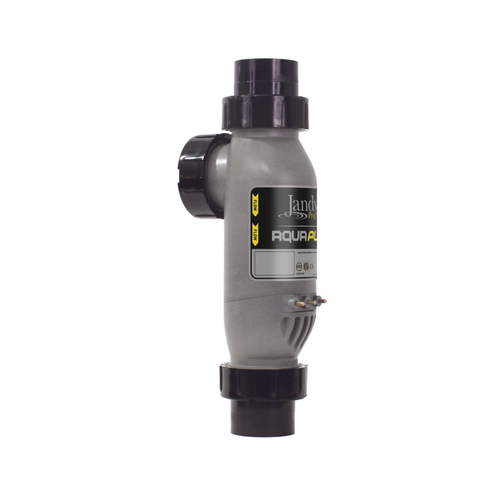
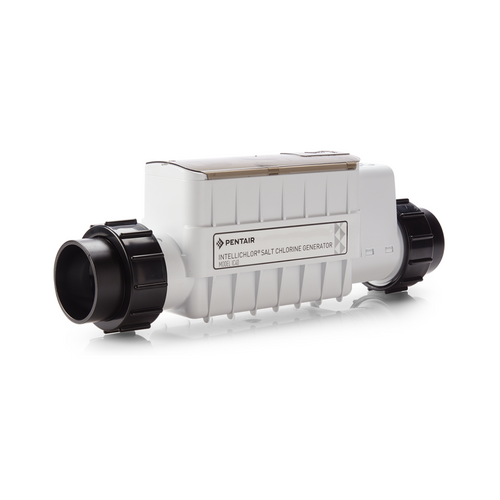
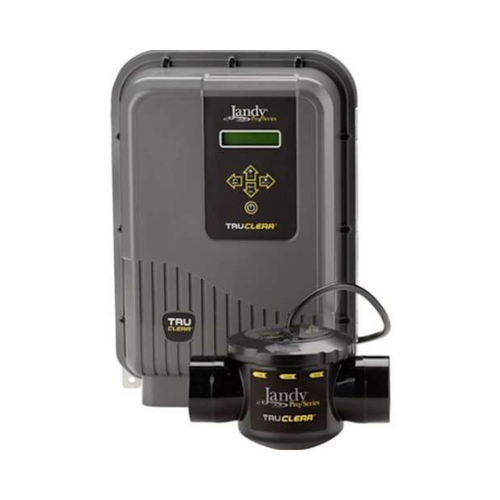
Salt systems, sometimes called saltwater chlorinators or salt chlorine generators, sit in the broader Pool and Spa category alongside pumps, filters, and heaters. The equipment itself consists of a control unit and an electrolytic cell that converts sodium chloride dissolved in the pool water into chlorine gas, which immediately converts to hypochlorous acid, the same active sanitizer in bottled chlorine. The difference is that the generation is continuous and automatic, tied to your pump runtime, rather than dependent on manually dosing chemicals. Homeowners replacing a worn-out cell or upgrading from tablet-based sanitation, contractors installing new pools or retrofitting existing ones, commercial operators running public or semi-public pools, and distributors stocking these systems for resale or fleet supply all shop this category for different reasons and at different volumes, and the selection here covers that range.

Choosing the Right Salt System

The single most important variable is pool volume. Every salt system is rated to handle a maximum body of water, and buying undersized means the cell runs at maximum output constantly, which shortens its lifespan considerably. Buying significantly oversized is less damaging mechanically, but you end up paying for capacity you will never use. Before you look at any other specification, know the gallonage of the pool or spa you are sanitizing. If you do not have a figure from the builder, calculate it from the pool's dimensions and average depth, then round up to give yourself a reasonable margin.

Beyond raw capacity, the application type matters. A residential backyard pool operates differently from a commercial pool that sees heavy bather loads, extended hours, and stricter regulatory requirements. Commercial installations often call for systems with higher chlorine output, more robust cells, and controls that integrate with automated chemistry management. Confirm whether the application is genuinely residential or falls into a light or heavy commercial classification before specifying a unit, because misclassifying a high-use commercial pool as residential and sizing accordingly is an expensive mistake to correct after the fact.

Efficiency and output adjustability are worth evaluating together. Most modern salt systems allow you to set chlorine output as a percentage of the cell's maximum, which lets you dial in production seasonally: lower in spring and fall when bather load and UV intensity are reduced, higher in peak summer. Systems with more granular control give you more flexibility. Some also include built-in saltwater testing, flow sensors, and automatic shut-off when flow stops, which protects the cell. These features add upfront cost, but the installation and compatibility factors covered further down this page will help you evaluate whether they are worth it for a specific site.

If you are buying for resale or stocking a service van, lead time and per-unit pricing across volume tiers are the variables that matter most on top of technical spec. Those conversations are worth having with the HVAC365 team directly.

Buying Tips

  • Match the cell to the actual pool volume, not the next size down. Running a cell at 100% output continuously because it is rated just at the edge of your pool's volume is one of the most common ways to shorten cell lifespan from five or six years to two or three. Build in a reasonable buffer above your calculated gallonage.
  • Check the existing salt level before you install. If a pool has been maintained with traditional chlorine, there may already be some residual salt in the water from certain chemical products. Test the water and know where you are starting from before you add salt to reach the system's required concentration, typically in the 2,700-3,400 ppm range for most systems, though you should verify the exact target for the specific unit you purchase.
  • Understand what the warranty covers and what voids it. Most manufacturers warrant the control unit and the cell separately, and the cell warranty is often conditional on maintaining salt and pH levels within specified ranges. Poor water chemistry is the most common reason warranty claims get rejected. Keep records of your chemical logs.
  • Plan for cell replacement as an operating cost, not a surprise. Even a well-maintained cell has a finite lifespan, typically measured in hours of operation or seasons. When you are evaluating systems, look up the cost of the replacement cell for that specific unit before you buy. A lower-priced system with an expensive proprietary cell can cost more over five years than a higher-priced unit with an affordable replacement cell.

Salt System Configurations and What Each One Suits

Salt systems do not break into dramatically different configuration families the way, say, HVAC equipment does with ducted versus ductless or packaged versus split. The core technology is the same across the category: a power supply, a control board, and an electrolytic cell installed in-line after the filter. The meaningful distinctions are more about scale, feature set, and cell design.

  • Residential systems: Sized for typical backyard pools, these units are designed for straightforward installation in residential pump rooms or equipment pads. They prioritize ease of use, often including self-cleaning reverse-polarity cells and basic display interfaces. They are the right pick for a single-family pool that runs a standard pump schedule.
  • High-capacity or commercial-grade systems: Rated for larger water volumes and higher bather loads, these units typically have more robust cells, more sophisticated controls, and outputs that residential systems cannot match. Some integrate with broader pool automation platforms. If the pool is a community pool, a hotel pool, or a fitness center pool, a residential unit is not the right specification.
  • Combination units: Some systems bundle the salt chlorinator with additional chemistry control, such as automated pH dosing or ORP monitoring, in a single control unit. This simplifies automation at the cost of additional complexity in setup and a higher entry price. For operators who want hands-off chemistry management, they are worth evaluating.

The key question for any configuration is whether it is listed and approved for the application type you have. Commercial installations in particular often need to meet local health department and NSF certification requirements. Verify that before specifying a unit for a regulated application.

What a Salt System Installation Actually Requires

Installing a salt system is not a complicated project for a qualified pool professional or a mechanically capable homeowner, but there are several site conditions to work through before the unit arrives.

The electrolytic cell installs in-line in the return line, after the pump, filter, and heater. Measure the available pipe run to confirm you have enough straight pipe before and after the cell for proper flow. Most manufacturers specify a minimum straight-pipe length on each side. The cell housing is plumbed with unions so it can be removed for inspection and cleaning without cutting the pipe, and those unions need to be part of the installation from the start.

Electrical supply is a real planning item. Salt system control units typically run on standard household current, but verify the voltage requirement for the specific unit: some are 120V, others are 240V, and the requirement affects what circuit and breaker you are working with. The control unit must be installed within the manufacturer's specified distance from the cell (a low-voltage cable connects the two), and it must meet local code requirements for outdoor electrical installations near water. In many jurisdictions, this work needs to be permitted and inspected. Check your local code before the install date, not after.

Flow is critical to cell operation. The cell contains a flow sensor that prevents the unit from generating chlorine when water is not moving, protecting the cell from overheating. If the pump is variable-speed, verify that the minimum speed you run it at produces enough flow to satisfy the sensor. A cell that repeatedly faults on low-flow will not sanitize the pool reliably and the repeated error cycles are worth diagnosing at startup rather than discovering mid-summer.

Salt concentration in the water needs to be within the system's specified range for the cell to operate efficiently. Too low and chlorine output drops; too high and you risk corrosion on metal components (ladders, handrails, heater heat exchangers). Look up the target range for your specific unit, and test with a reliable salt meter rather than relying on the system's built-in reading alone until you have cross-checked its accuracy.

Finally, look at the pH management picture before you start. Salt chlorine generators tend to push pool water pH upward over time as a byproduct of the electrolysis process. Pools running salt systems typically need more frequent acid additions to hold pH in range than pools on tablet chlorine. If the pool owner is not expecting that, it becomes a frustration. Building that expectation in at handoff is part of a clean installation.

Things You Should Know

Q: How much salt does a saltwater pool actually contain compared to the ocean?

A: Much less than you might expect. Saltwater pools operate at roughly 2,700 to 3,400 ppm of dissolved salt, depending on the system, which is about one-tenth of the salinity of the ocean. At that concentration, the water tastes only faintly salty to most people and is significantly less irritating to eyes and skin than traditionally chlorinated water.

Q: Does a salt system completely replace the need for other pool chemicals?

A: No. A salt system handles chlorine generation, but pH, total alkalinity, calcium hardness, and cyanuric acid still need active management. Some of those parameters directly affect how efficiently the cell generates chlorine. The convenience gain is in not manually adding chlorine — not in eliminating all chemistry work.

Q: How long does a salt cell typically last?

A: Most cells last between three and seven years depending on the brand, how well water chemistry is maintained, and how many hours the system runs. Replacement cell cost varies significantly by manufacturer — factor that into your total cost of ownership when comparing systems, as covered in the buying tips above.

Q: Can I retrofit a salt system onto an existing pool that uses traditional chlorine?

A: Yes, in most cases. You need an existing pump and filtration system in good working order, in-line plumbing access for the cell, and a suitable electrical connection for the control unit. The main compatibility question is whether the pool's existing equipment (particularly the heater and any metal fittings) is rated for use with saltwater, since some older components are more susceptible to corrosion at elevated salt levels. The installation section above covers what the site needs to support.

Q: How do I know what size salt system my pool needs?

A: Start with your pool's volume in gallons, calculated from its dimensions and average depth. Choose a system rated for at least that volume with a modest buffer — not right at the limit. The sizing logic and why that buffer matters are covered in the selection guidance above.

Q: Are salt systems appropriate for spas and hot tubs, or only full-size pools?

A: There are salt systems designed specifically for spas and hot tubs, but they are not the same units used for pools. Spa water is hotter, turned over faster, and the volumes are much smaller, so a pool-rated system is not the right specification for a spa. Look for units specifically listed for spa or hot tub use, and verify the gallon rating matches the spa's actual water volume.

Q: What is the most common reason a salt system stops generating chlorine?

A: Low salt concentration and calcium scale buildup on the cell plates are the two most frequent causes. A salt reading below the system's minimum threshold will reduce or stop output. Scale on the cell restricts the surface area available for electrolysis. Both are maintenance issues rather than equipment failures: test and adjust the salt level, and clean the cell on the manufacturer's recommended schedule.

HVAC365 ships salt systems nationwide, so whether you are a homeowner ordering a replacement cell before the pool season gets underway or a contractor spec-matching a unit for a new installation, the order can be placed and fulfilled without geographic restriction. The catalog covers the range from residential backyard systems to higher-capacity commercial units, available for single-unit residential orders through distributor-volume purchases. If you need help matching the right system to the application, contact the HVAC365 team directly.

Compare

Fast Shipping

Easy Returns

Warranty Coverage

Financing Available