null
Portable Air Conditioners

Portable Air Conditioners

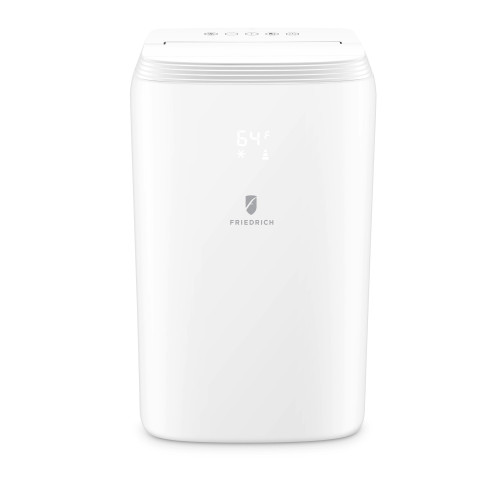
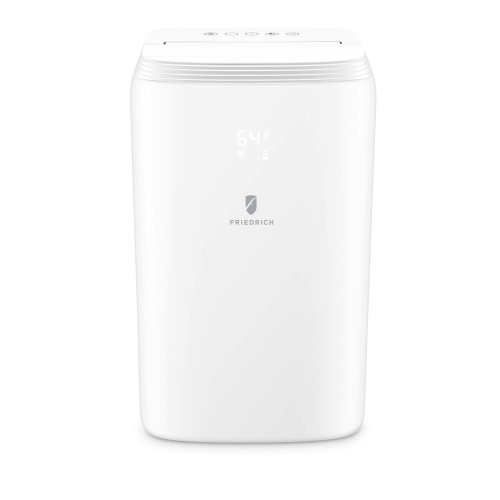
When central air isn't an option or a room just won't stay cool, a portable air conditioner solves the problem without permanent installation. Renters, homeowners adding cooling to a converted space, contractors outfitting a temporary work area, and facility managers handling a failed system all reach for portable units for the same reason: you can have cooling operational today, without cutting into walls or pulling a permit. HVAC365 stocks a range of portable AC options across capacity and feature sets so you can match the right unit to what the job actually calls for, not just grab the nearest box.

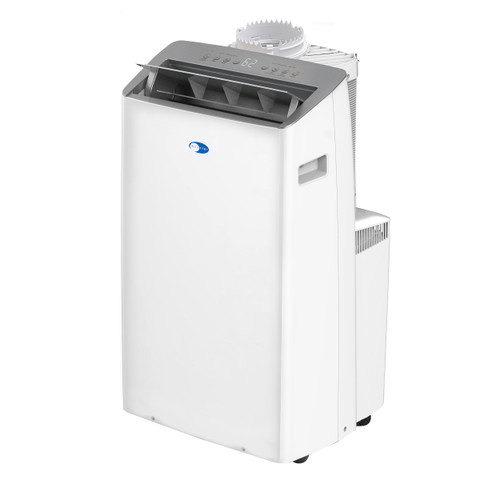
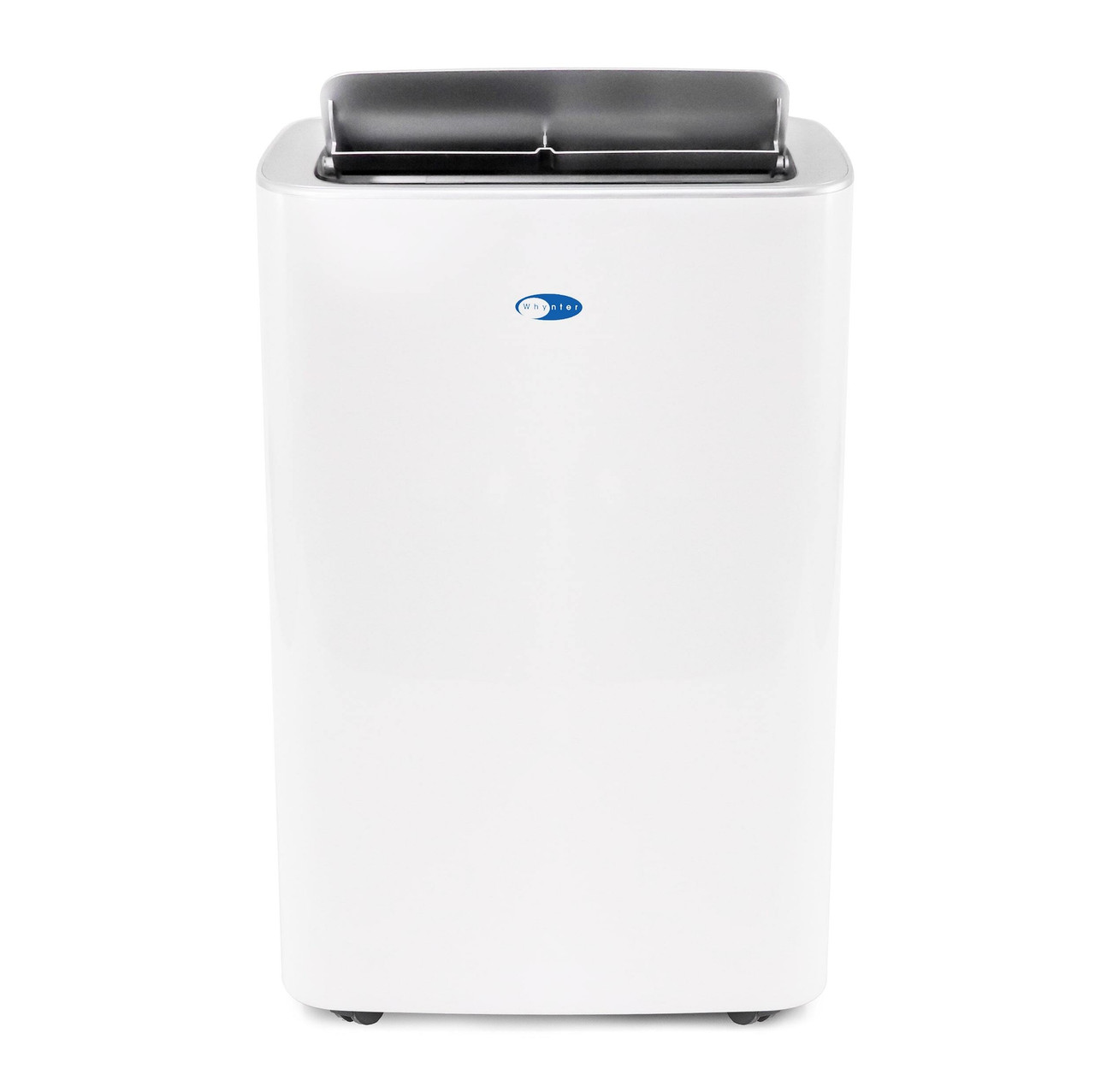
Portable air conditioners fall under the broader Room Air Conditioners catalog, and they serve a genuinely wide range of buyers. Homeowners replacing a struggling window unit, adding cooling to a sunroom or garage, or looking to upgrade an older portable to a more efficient model are the most common buyers. Contractors cooling an active work space, a server closet, or a temporary enclosure are a regular part of this category too. Light commercial applications, medical or retail spaces needing supplemental cooling in a specific zone, and distributors stocking units for seasonal demand all show up here. Where a utility rebate program covers high-efficiency portable units, check the qualifying efficiency threshold before purchasing — the minimum varies by program and changes periodically, so confirm current requirements with your utility before the buying decision is final. The equipment itself is straightforward: a self-contained refrigeration unit on casters that exhausts heat through a hose and window kit, requires no mounting, and moves room to room as needed.

Choosing the Right Portable AC

The most important question is whether the unit's cooling capacity is matched to the space it needs to handle. Capacity for portable ACs is rated in BTU, and getting it wrong in either direction creates real problems. An undersized unit runs continuously and never reaches setpoint. An oversized unit short-cycles, which means it cools the air temperature quickly but doesn't run long enough to pull meaningful humidity out. In a humid climate or a poorly sealed space, that's a comfort problem even when the thermostat is satisfied. The right answer starts with knowing the square footage and heat load of the space, including factors like ceiling height, sun exposure, occupancy, and equipment generating heat in the room. A load calculation, even a rough one, is more reliable than a square-footage rule of thumb from a box label.

Application type matters almost as much as raw capacity. A portable unit being used in a residential bedroom has different priorities than one being used to cool a server rack, a temporary clean room, or a construction site office trailer. Some applications call for a unit with a higher sensible heat ratio. Others may need a unit that can operate continuously without a manual drain cycle. Think through what the space actually demands before comparing specs on the shelf.

Efficiency is worth considering, especially for units that will run frequently or for extended hours. Higher efficiency reduces operating cost, but it typically comes with a higher purchase price. If the space is seasonal or the unit will be used only occasionally, the payback math may favor a less expensive unit with a lower efficiency rating.

For distributors buying in volume for resale or seasonal fleet stock, the buying decision also involves lead time, availability, and which capacity tiers move in your market. Those considerations sit alongside the performance factors above, not instead of them.

Buying Tips

  • Check the BTU rating method before comparing. The industry shifted from a legacy BTU rating to a DOE-standardized SACC (Seasonally Adjusted Cooling Capacity) rating. A unit labeled at a legacy BTU figure will look larger than a unit labeled with a SACC figure even if real-world output is similar. Make sure you're comparing apples to apples before deciding a unit is underpowered.
  • Count the hoses. Single-hose portable units draw room air across the condenser coil and exhaust it outside, which creates negative pressure and pulls unconditioned air in through gaps in the building envelope. Dual-hose units pull outdoor air for condenser cooling and exhaust it back outside, which avoids that pressure problem. In a tightly sealed or well-insulated space the difference is measurable.
  • Know your drain situation before you buy. Most portable ACs produce condensate. Some evaporate most of it and exhaust moisture through the hose. Others fill an internal tank that requires manual emptying. A few support continuous gravity drain to a floor drain or condensate pump. If no one will be present to empty a tank regularly, verify the unit supports continuous drain before purchasing, not after.
  • The exhaust hose is a real variable. Most window kits fit standard single- or double-hung windows, but sliding doors, casement windows, and non-standard openings often need an adapter or a custom panel. Measure the opening and check what the kit supports before the unit ships.

Single-Hose vs. Dual-Hose and Other Key Distinctions

The most meaningful configuration split in portable air conditioners is between single-hose and dual-hose units, which is covered in the buying tips above. Beyond that, portable ACs vary across a few other real distinctions worth understanding before you buy.

  • Cooling only vs. cooling and heating: Some portable units include a heat pump mode, which can cover both summer cooling and shoulder-season heating in a single unit. If the space has a heating gap to fill, this may be worth the added cost. If cooling is the only need, a cooling-only unit is simpler and typically less expensive.
  • Standalone cooling vs. combination units: Some portables combine air conditioning with a dehumidifier mode or a fan-only mode. For spaces where humidity is the bigger problem in cooler months, a combination unit can stay useful beyond the cooling season.
  • Tank drain vs. continuous drain: As described in the buying tips, this is a real operational distinction that affects whether the unit requires regular attendance. Choose based on the realistic conditions of the space.
  • Capacity tier: Portable ACs span a meaningful range of cooling capacities. Larger spaces, high heat loads, and commercial applications generally need units at the higher end of the available range. Residential bedrooms and small offices can usually be served by smaller-capacity units. Match the capacity to the actual load, as discussed in the sizing section above.

What It Takes to Set One Up

Portable air conditioners are among the easiest HVAC equipment to put into service, but there are still a handful of site conditions worth checking before the unit arrives.

Electrical supply is the first thing to verify. Most residential-grade portable ACs run on a standard 115V household circuit, but higher-capacity units may require a 230V circuit or a dedicated circuit to avoid tripping a shared breaker under load. Pull the spec sheet for the unit you're buying and compare the amperage draw against the breaker and outlet already on site. Running a high-draw unit on an undersized circuit is a nuisance at best and a hazard at worst.

The exhaust hose has to go somewhere. Every portable AC needs to vent heat to the outside through a hose and window or wall kit. Measure the window or opening where the kit will mount and check whether the kit included with the unit fits that opening without modification. Casement windows, unusually narrow or tall openings, and drop ceilings near exterior walls all require different approaches. A well-sealed kit matters too: a loose or poorly fitted hose connection allows warm exhaust air to bleed back into the space, reducing effective cooling capacity.

Drainage is covered in the buying tips above, but the site-readiness angle is this: look at where the unit will actually sit and whether a floor drain or condensate line is nearby if you want continuous drain. If not, plan for how the tank will be emptied and how often, based on how much moisture the space generates.

Operating environment matters more than buyers often expect. Most portable ACs are rated for indoor use within a specific ambient temperature range. Using a unit in a space that gets very hot (an uncooled garage in midsummer, for example) may push the unit outside its rated operating window, reducing efficiency and shortening equipment life. Look up the unit's rated operating range and compare it against the conditions in the space before and during operation.

Controls and smart features vary across units. Some operate with a basic manual panel and a simple thermostat. Others include programmable timers, remote controls, or Wi-Fi integration. If the space will be managed remotely or needs scheduled operation, check the control options on the specific unit before buying. There is no standard across the category.

Things Buyers Ask About Portable ACs

Q: How do I figure out what BTU capacity I need?

A: Start with the square footage of the space, then adjust for heat load factors: ceiling height above standard, significant sun exposure, high occupancy, or equipment in the room generating heat all increase the load. A basic load calculation is more reliable than square-footage-only guidelines. The sizing discussion above explains the tradeoffs between undersizing and oversizing in more detail.

Q: What is SACC and why does it matter when comparing portable ACs?

A: SACC stands for Seasonally Adjusted Cooling Capacity — the DOE-standardized rating that accounts for heat reintroduced by the unit itself and the hose, which the older legacy BTU rating did not. Because of that difference, a unit rated at a legacy BTU figure will appear more powerful than its SACC equivalent. The buying tips above cover what to look for when you're putting two units side by side.

Q: Is a dual-hose portable AC always better than a single-hose unit?

A: In most situations, yes — a dual-hose unit avoids the negative-pressure problem explained in the buying tips above. The exception is when the installation site has only a narrow or awkward opening that makes routing two hoses impractical. In that case, a well-sealed single-hose setup in a reasonably tight space may be the workable option.

Q: Do portable ACs need a dedicated electrical circuit?

A: It depends on the unit's amperage draw and what else is on the circuit. Smaller-capacity units typically run on a shared household circuit without issue. Higher-capacity units, especially 230V models, generally require a dedicated circuit. Check the amperage listed on the unit's spec sheet against the breaker and any other loads sharing that circuit. The setup notes above cover what to look for on site.

Q: Can I use a portable AC without a window?

A: The exhaust hose has to vent somewhere outside the conditioned space. A window is the most common option, but a sliding door, a drop ceiling with access to an unconditioned plenum, or a wall penetration can all work with the right adapter or kit. What doesn't work is routing the exhaust hose back into the same room, which simply recirculates the heat the unit is trying to remove.

Q: How do I manage the condensate if I can't empty the tank frequently?

A: Look for a unit that supports continuous gravity drain or has a built-in condensate pump output. Most manufacturers publish whether the unit has a drain port and what fitting it accepts. Run a drain line to a floor drain, a utility sink, or a condensate pump that routes to a drain. If none of those are accessible in the space, a self-evaporating unit that exhausts most moisture through the hose may reduce how often the tank needs attention, though it rarely eliminates it entirely. The drain options are outlined in the buying tips above if you need a quick reference.

Q: Are portable ACs practical for commercial spaces?

A: For supplemental or temporary cooling in a defined zone, yes. A server room, a retail checkout area, or a small office with an inadequate HVAC supply can all benefit from a correctly sized portable unit. For primary cooling of a large commercial space, portable units are rarely the right tool because capacity and efficiency at that scale point toward a dedicated commercial system instead.

HVAC365 ships nationwide, so whether the need is a single unit for a homeowner's spare room or a run of units for a distributor's seasonal stock, availability isn't the bottleneck. The catalog is stocked across capacity and feature tiers, which means you're not limited to whatever happened to land at a local store. If you need help matching a unit to a specific space or application, call 1.888.509.3391 and someone with real product knowledge will work through it with you.

Compare
Show: 12 24 48

Fast Shipping

Easy Returns

Warranty Coverage

Financing Available