null
Gas Furnaces

Gas Furnaces

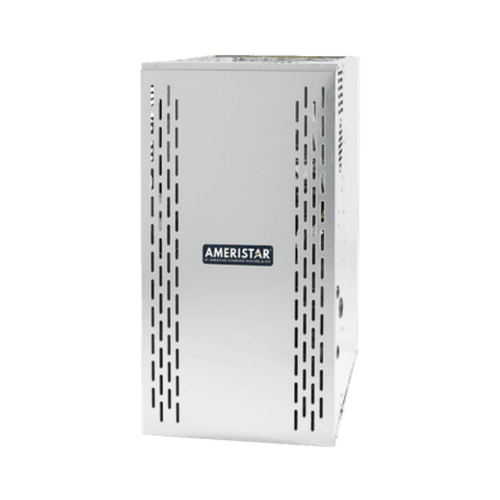
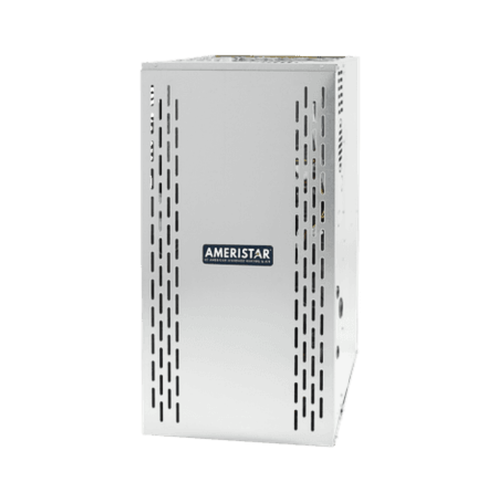
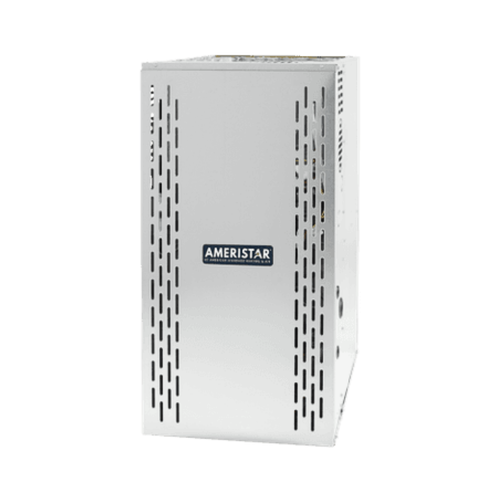
When a heating system fails in the middle of winter, the problem does not wait for a convenient solution. A properly sized and configured gas furnace is still the most common answer to whole-home and commercial heating in North America, and for good reason: forced-air gas heat delivers fast, reliable warmth across a wide range of building sizes and climates. HVAC365 stocks a broad selection across capacities and configurations so that whether you need a direct residential replacement or a unit spec'd for a light commercial application, you have real options rather than a single shelf of whatever is left. Gas furnaces fit within the Forced Air Heaters lineup, which covers the broader category if you need to compare heating approaches before narrowing down.

This category serves the full range of buyers who work with this equipment. Homeowners replacing an aging unit need a furnace that fits their existing ductwork, fuel type, and installation footprint without overcomplicating the process. Contractors and installers sourcing for a job need the right capacity and efficiency tier for the spec, with reliable availability so the job is not stalled waiting on a unit. Light commercial and commercial buyers need configurations rated for larger spaces and, often, heavier duty cycles than a residential unit is designed to handle. Distributors or fleet buyers stocking for resale or multiple projects benefit from the breadth of selection in one place. The guidance below covers how to choose, what to check before you order, and what to expect from the install.

Choosing the Right Gas Furnace

The single most important variable in choosing a gas furnace is capacity, and the most common mistake buyers make is guessing at it instead of calculating it. Capacity is measured in BTUs per hour of heat output, and the right number is determined by a load calculation (Manual J is the residential standard) that accounts for your square footage, insulation levels, window area, local climate, and building envelope. An undersized furnace will run continuously and still not keep up on the coldest nights. An oversized one short-cycles: it fires up, heats the space quickly, and shuts off before the air fully distributes, which leads to uneven temperatures, humidity swings, and accelerated wear on the heat exchanger and blower motor. Sizing by square footage alone is a rough guess, not a calculation. Use the actual load number.

Fuel type comes next. Natural gas is the dominant choice in most markets and typically costs less to operate where gas service is available. Propane is the practical alternative for locations without a gas line. Before ordering, verify which fuel the unit is configured for and whether conversion kits are available or required. These are not interchangeable at the installation level without specific factory or field conversion.

Efficiency is the third major buying decision, and it connects directly to local code requirements, utility rebate programs, and long-term operating cost. Gas furnace efficiency is rated in AFUE (Annual Fuel Utilization Efficiency), which measures what percentage of the fuel's energy is converted to usable heat. Higher AFUE means lower fuel bills over time but a higher upfront unit cost. Many jurisdictions have minimum AFUE requirements that vary by climate region, and utility rebate programs often set their own thresholds above those minimums. Look up your local code and your utility's current rebate schedule before settling on an efficiency tier; the math on payback period can shift meaningfully depending on both. The installation-readiness factors covered further down, particularly venting and flue requirements, also differ by efficiency tier and are worth reviewing before you make a final decision.

Beyond those three core decisions, the modulation type of the furnace matters more than many buyers realize. Single-stage furnaces fire at full capacity every time. Two-stage units can run at a lower stage for mild conditions and ramp up when needed. Modulating furnaces adjust output continuously across a range, which generally produces the most even temperatures and the most efficient operation in moderate conditions. The tradeoff is cost and complexity: modulating units cost more upfront and require compatible controls. Single-stage units are simpler and less expensive, which makes them a straightforward choice for smaller spaces or budget-driven replacements where the efficiency premium does not pencil out. For distributors or professionals sourcing across multiple project types, keeping a spread of modulation types in mind across jobs, rather than defaulting to one spec for everything, tends to produce better outcomes and happier end users.

Buying Tips

  • Match the venting before you commit. Standard-efficiency furnaces use a flue and chimney or B-vent; high-efficiency condensing furnaces use PVC pipe vented directly through a wall or roof. If you are replacing an existing unit, you cannot always swap one venting type for the other without significant additional work. Find out what venting is in place before you order the furnace, not after the unit arrives.
  • Do not ignore the blower motor type. ECM (electronically commutated motor) blowers use substantially less electricity than PSC (permanent split capacitor) motors. On a furnace that runs many hours a day during heating season, that difference adds up. Many buyers focus entirely on AFUE and overlook motor efficiency. Check both.
  • Check the heat exchanger warranty terms. Heat exchanger warranties vary widely across manufacturers and product lines, and a failed heat exchanger on an out-of-warranty unit is often an economic total loss. The heat exchanger warranty is worth reading before purchase, not when something goes wrong.
  • Cabinet orientation matters on a replacement job. Furnaces come in upflow, downflow, and horizontal configurations, and some models offer convertible orientation. Pulling the wrong orientation on a replacement job costs time and potentially a return shipment. Measure and confirm the airflow direction the installation requires before ordering.

Gas Furnace Configurations

Gas furnaces come in a few real configuration distinctions that affect which unit fits a given installation. Understanding these up front prevents ordering the wrong unit for the space.

  • Upflow: Air enters from the bottom and exits from the top. This is the most common configuration in homes with a basement or utility room where the furnace sits below the main living area and feeds ductwork above. If your existing furnace draws from the bottom and blows up, you need an upflow unit.
  • Downflow (counterflow): Air enters from the top and exits from the bottom. Used in installations where supply ductwork runs under the floor, as in a crawlspace application or a unit installed in an upper-floor closet. Not interchangeable with upflow without reworking the duct connections.
  • Horizontal: Air enters from one side and exits the other. Designed for attic or crawlspace installations where vertical height is limited. Some units are convertible to horizontal from an upflow configuration; others are dedicated horizontal units.
  • Convertible/Multi-position: Some furnaces are designed to be configured in the field for upflow, horizontal, or sometimes downflow installation. These give more flexibility on a job where the application is not fully locked in, and they simplify stocking for distributors or contractors who handle varied install types.
  • Residential vs. light commercial: Residential furnaces are designed for single-family homes and small multifamily applications with duty cycles and capacities appropriate for those spaces. Light commercial units are built for heavier duty cycles, larger spaces, and the higher BTU output those applications require. The application type has to match the unit's rating; a residential unit put into a commercial application will be under-spec'd for the demand.

Stage type (single-stage, two-stage, modulating) cuts across all of these configurations and is a separate decision, as covered in the selection guidance above.

What It Takes to Install a Gas Furnace

Gas furnace installation involves several site conditions that need to be verified before the unit goes in. Getting these wrong is not just an inconvenience; it can create safety issues or require expensive rework after the fact.

Start with the gas supply. Verify that the gas line serving the installation has the right size and pressure for the furnace you are installing. An undersized gas line cannot deliver the fuel volume a larger BTU furnace requires, and the result is degraded performance and potential lockout conditions. Check the line size and the available pressure at the supply point against the furnace's specifications before the install day.

Electrical supply for a gas furnace is typically a dedicated 120V circuit, but pull the actual electrical requirements from the furnace's spec sheet and compare them against what is on site. Furnaces with ECM blower motors or variable-speed operation may have different amperage requirements than a basic single-stage unit. Verify the breaker size and wiring gauge match what the unit calls for, not what you would assume for a generic furnace.

Venting is the site-readiness factor that creates the most surprises on replacement jobs. Standard-efficiency units require a metal flue, typically B-vent or a dedicated masonry chimney connection. High-efficiency condensing furnaces produce enough condensation in the flue gases to require PVC venting, and they need a condensate drain for that moisture. If you are swapping a standard-efficiency unit for a high-efficiency one, the existing metal flue and chimney cannot stay in service as the primary vent without modification or decommissioning. Measure the available venting path, look up the venting requirements for the specific unit, and account for any additional vent runs or terminations required by local code before finalizing the unit selection.

Ductwork compatibility is worth measuring carefully, not assuming. The furnace's supply and return plenum dimensions, its CFM capacity, and its external static pressure rating all need to align with the existing duct system. A furnace that moves more air than the duct system can handle will generate noise, reduced airflow, and efficiency losses. If the existing ductwork is undersized for the replacement unit, factor the duct modifications into the project scope before pricing the job.

For condensing furnaces, plan the condensate drainage path. The unit needs a drain within a practical distance, and in cold climates the condensate line routing needs to account for freezing if it runs through an unconditioned space. Some installations require a condensate neutralizer where local code or the receiving drain requires it; check local requirements before roughing in the line.

Thermostat and control compatibility is worth checking if the new furnace supports two-stage or variable-speed operation. A single-stage thermostat on a two-stage furnace will not unlock the lower stage, which means you paid for a capability you cannot use. Match the control wiring and thermostat type to the furnace's staging requirements. For communicating or smart-system furnaces, verify that the controls you plan to install are compatible with the unit's communication protocol before the job starts.

Finally, measure the physical clearances. Minimum clearances to combustibles, service access dimensions, and filter access location are all published in the installation manual. In tight utility rooms, closets, or attic installations, these clearances can be the constraint that determines whether a particular unit fits at all.

Things Worth Knowing Before You Buy

Q: How do I determine the right BTU capacity for my space?

A: Run a Manual J load calculation — it accounts for square footage, insulation, window area, climate zone, and infiltration. A square-footage rule of thumb is not reliable and frequently produces oversized or undersized units. Use the calculation result, or have a qualified contractor run one for you. The sizing section above explains why getting this right matters.

Q: What is AFUE and does it matter for my purchase decision?

A: AFUE is the percentage of fuel energy that actually becomes heat in your space; the rest exits through the flue. It matters because minimum AFUE requirements vary by climate region under federal and state codes, and utility rebates often require meeting a specific threshold. The efficiency discussion above covers how AFUE connects to upfront cost, operating savings, and local code — worth reading before you settle on a tier.

Q: Can I replace a standard-efficiency furnace with a high-efficiency one without other changes?

A: Usually not without additional work. High-efficiency condensing furnaces use PVC venting instead of a metal flue and produce condensate that needs a drain. The venting section above details what to verify on site before you order so there are no surprises on install day.

Q: What is the difference between single-stage, two-stage, and modulating furnaces?

A: A single-stage furnace fires at full capacity every cycle. A two-stage unit runs at lower output for moderate conditions and ramps up when needed. A modulating furnace adjusts output continuously for the most even temperatures and highest efficiency under varying conditions. Two-stage and modulating units cost more and need compatible controls. The selection guidance above covers how to match stage type to your climate, comfort priorities, and budget.

Q: Do gas furnaces work with both natural gas and propane?

A: Most units are factory-configured for one fuel type and are not safely interchangeable without the correct conversion kit. Some manufacturers offer field-convertible units. Verify the factory fuel configuration of the unit you are ordering before purchasing — the fuel type section above covers what to confirm and why it matters at the installation level.

Q: What thermostat or control is compatible with a new gas furnace?

A: It depends on the furnace's staging type. Single-stage thermostats work with single-stage furnaces. Two-stage and modulating units need a thermostat that supports multi-stage or variable-capacity operation to deliver the full benefit of the unit's design. Communicating or smart-system furnaces may require a specific compatible control. The installation notes above cover control wiring in more detail — check the furnace's wiring diagram against your planned thermostat before the job starts.

Q: Is a gas furnace the right choice for my building, or should I consider another heating type?

A: Gas furnaces make the most sense where natural gas or propane is available, where existing forced-air ductwork is already in place, and where fast, high-output heat is a priority. If there is no gas service and no existing duct system, other forced-air or hydronic options may be worth comparing. The broader forced-air heater options in this catalog cover alternatives if you are weighing heating approaches before committing to a fuel type or distribution method.

HVAC365 ships gas furnaces nationwide, from single residential replacements to volume orders for distributors and commercial projects. A stocked, broad selection means you are choosing from real available inventory across capacity ranges and configurations, not waiting on a back-ordered unit when a household's heat is out or a job is on the schedule. Search the catalog by the specs your job requires and reach out if you need help narrowing it down.

Compare
Show: 12 24 48

Fast Shipping

Easy Returns

Warranty Coverage

Financing Available