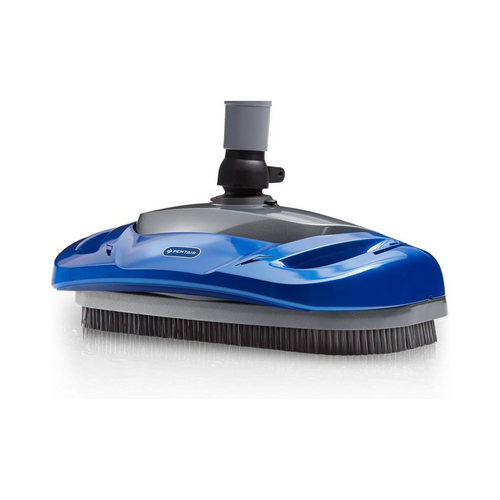
-
Pentair
Pentair Prowler 910 Deep Cleaning Robotic Pool Cleaner for Aboveground Pools | 360321
SKU: 360321
$608.00Ships in 1-2 Business Days10 in stock -
$757.09Ships in 1-2 Business Days2 in stock
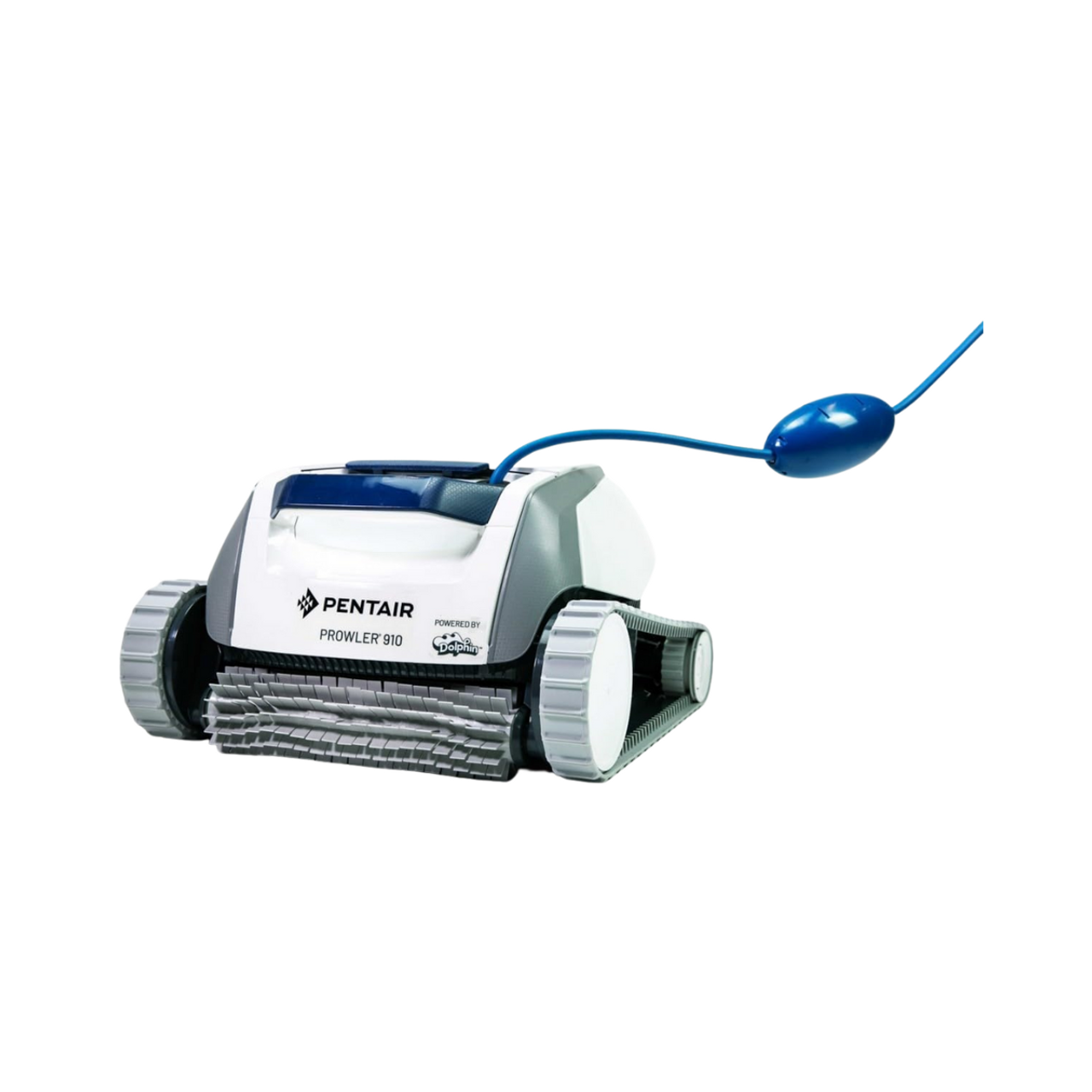
A dirty pool is not just an eyesore. Algae, debris, and poor circulation can degrade water chemistry fast, turn routine maintenance into a costly problem, and cut short the swimming season entirely. HVAC365 stocks a broad selection of pool cleaners so that whether you are replacing a worn-out unit or equipping a new installation, you can find the right cleaner for the pool size and surface type you are working with. This category covers automatic and semi-automatic pool cleaning equipment, including robotic, suction-side, and pressure-side cleaners, built to handle everything from a modest backyard pool to a larger commercial installation. Homeowners taking on a weekend project, contractors outfitting a new build, property managers sourcing replacement units, and distributors buying in volume for resale will all find relevant options here. The Pool & Spa section of the catalog has related accessories and equipment if you need to look beyond cleaners alone.
The most common mistake buyers make is choosing a cleaner based on price alone without accounting for pool size, shape, and surface type. A cleaner that is underpowered for a large pool will leave debris behind; one that is designed for a flat, smooth surface will struggle on a textured or irregular finish. Before you commit to a model, think through a few things.
Pool size and geometry matter most. Larger pools with irregular shapes or tight corners may need a cleaner with extended cable length, smarter navigation logic, or a more powerful suction mechanism to cover the full surface without missing sections. Confirm the coverage rating of any unit against your actual pool dimensions, not the headline marketing spec.
Surface type is the second major filter. Smooth plaster, vinyl, fiberglass, and rough aggregate or pebble finishes all place different demands on a cleaner's brushes and drive mechanism. A cleaner that performs well on vinyl can damage or simply fail to grip a pebble-tec surface. Check the manufacturer's stated surface compatibility before ordering.
Debris load is worth thinking through honestly. A pool surrounded by mature trees dropping leaves and seed pods every season needs a cleaner with real filtration capacity. A lightly used pool in a low-debris environment has much more flexibility. This affects which cleaner type makes sense, as covered in the configurations section below.
For those weighing efficiency against upfront cost: robotic cleaners are typically more energy-efficient because they run on their own low-voltage motors rather than drawing on the pool pump. The tradeoff is a higher initial price. Suction-side and pressure-side cleaners cost less upfront but rely on and add load to your existing pump and filtration system. If the pump is older or undersized, that is worth factoring into the total cost of ownership before you focus only on the cleaner's sticker price.
Commercial buyers and distributors evaluating multiple units at once should also weigh parts availability and warranty terms alongside the unit price. A cleaner that is easy to service and has readily available replacement parts is worth more over a season than one that requires long lead times on components.
Pool cleaners fall into three main types, and each suits a different situation. Understanding the practical difference helps you avoid buying the wrong tool for the job.
If none of these three types describes what you are looking for, check sub-categories in the Pool & Spa section for more specific options by cleaner type.
The cleaner itself is only part of what you need to think through before a unit arrives on site. Installation and compatibility questions are worth resolving early.
For robotic cleaners, verify the electrical setup at the pool equipment area. These units use a low-voltage transformer that plugs into a standard outlet, but that outlet needs to be a GFCI-protected circuit located within an appropriate distance from the pool edge per local electrical code. If a suitable outlet does not exist, that is an electrician's job to add before the cleaner can be used safely.
For suction-side cleaners, look at the pool pump's flow rate and the condition of the skimmer or dedicated suction port the cleaner will connect to. The cleaner needs adequate suction to move reliably around the pool floor. An aging or undersized pump that does not meet that threshold will result in a cleaner that moves sluggishly or stalls. Check the cleaner manufacturer's minimum flow requirements against your pump's actual output before purchasing.
Pressure-side cleaners that require a booster pump add a separate motor to the equipment pad. Measure the available space on the pad and verify the electrical panel has an available circuit at the correct amperage for the booster pump. If you are retrofitting a pressure-side cleaner into an existing system, ask whether the return line configuration in your pool is compatible with that cleaner's connection requirements.
Surface compatibility, as noted earlier, also falls into this site-readiness check. A cleaner's brushes need to match the pool finish to clean effectively without causing wear. Review the manufacturer's specification for compatible surface types before the unit is installed.
Finally, for any type of cleaner, consider cord or hose management at the coping or pool deck. A poorly managed cable or hose can create a tripping hazard and also reduce the cleaner's effective range. Some installations benefit from a swivel or hose float to reduce tangling during operation.
A: Robotic cleaners generally handle irregular shapes and larger pools better than suction-side or pressure-side models because many use sensor-guided or programmed navigation that adapts to the pool's geometry. Verify the cable length is sufficient for your pool dimensions before ordering. Suction-side cleaners can also work in larger pools but may miss corners or steps depending on the model.
A: No. Salt is corrosive to certain materials used in internal components and drive mechanisms. Check the manufacturer's specifications for saltwater compatibility before purchasing — this is covered in the buying tips above as well.
A: No. Robotic cleaners run on their own self-contained motors and connect to a standard GFCI-protected electrical outlet via a low-voltage transformer. Booster pumps are a requirement for certain pressure-side cleaners, not for robotic units. The cleaner type descriptions above explain how each type connects to your pool's systems.
A: Check the cleaner manufacturer's minimum flow rate requirement and compare it against your pool pump's rated output. A pump that does not meet that threshold will result in a cleaner that moves sluggishly or stalls. The pre-installation guidance above covers other site-readiness factors to check alongside flow rate.
A: No. A pressure-side cleaner collects debris in its onboard bag and helps keep larger material out of the pool's main filter, but both systems run alongside each other. The cleaner type descriptions above explain how pressure-side models work and when a booster pump is needed.
A: A cleaner with an onboard filter bag captures debris internally, which keeps it out of the pool's main filtration and means you empty the bag directly. A cleaner that returns debris to the skimmer relies on the pool's own filter to capture it, which can increase filter maintenance frequency in high-debris environments. In practice, onboard filtration is better for pools with heavy leaf or debris loads.
A: Most residential pool cleaners are designed for owner installation. Robotic cleaners require only a suitable GFCI outlet and minimal setup. Suction-side and pressure-side cleaners involve connecting to existing pool plumbing, which is straightforward for most pool owners but benefits from a professional check if the existing plumbing is old or the configuration is non-standard. Pressure-side cleaners that need a booster pump typically require a licensed professional for the electrical connection.
HVAC365 ships pool cleaners nationwide, with a stocked selection broad enough to cover residential backyard pools through commercial installations and distributor volume orders. The catalog is built around having the right unit available when the job or the season cannot wait, rather than limiting buyers to a narrow subset of options. If you are sourcing a single replacement unit or ordering in quantity, the same selection is available to you.
Pentair
SKU: 360321

Fast Shipping

Easy Returns

Warranty Coverage

Financing Available