
null
Ductless Mini Split Single Zone

Ductless Mini Split Single Zone

Single zone ductless mini splits — wall-mounted and ceiling cassette indoor units paired with outdoor condensers

Adding comfort to a space that has no ductwork is a real problem, and the wrong equipment choice turns a straightforward install into an expensive retrofit. Single zone ductless mini splits solve that problem cleanly: one indoor head, one outdoor unit, heating and cooling in a single system with no duct runs required. HVAC365 stocks a broad selection across capacity and efficiency tiers so the right unit for the job is actually available when you need it, whether you're a homeowner finally conditioning a sunroom or a contractor with a schedule to keep.

This category is the dedicated single zone section of the broader ductless mini splits catalog. A single zone system is exactly what it sounds like: one indoor air handler serving one defined space, paired with one outdoor condenser. That simplicity is the point. There is no zone balancing to troubleshoot, no multi-head manifold to size, no refrigerant distribution to engineer across multiple rooms. You identify the space, size the unit to the load, and install it. Homeowners replacing a window AC or adding a room addition find this format straightforward. Contractors installing a pre-sold system appreciate the faster commissioning time. Distributors and multi-unit buyers can call or contact sales for volume pricing on popular capacity tiers.

Choosing the Right Single Zone Mini Split

Capacity is the first and most consequential decision. The BTU output you need is a function of the space's square footage, ceiling height, insulation quality, window area, solar exposure, and local design temperatures. Skipping a real load calculation and guessing from square footage alone is the most common mistake in this category, and it leads to either an undersized unit that runs constantly and never catches up, or an oversized unit that short-cycles, struggles to dehumidify, and wears out its compressor faster than it should. Run the numbers or have a Manual J done before you commit to a capacity.

A 400 square foot addition in good condition might be perfectly served by a 12,000 or 18,000 BTU unit, but an older uninsulated space of the same size might need the step up. Square footage is a starting point, not an answer. Verify the load before you buy the unit.

Efficiency tier is the second decision, and it deserves more thought than it usually gets. Higher SEER2-rated units carry a higher upfront cost, but depending on local utility rates and how many hours per year the system runs, that gap can close quickly in energy savings. More importantly, many utility rebate programs have minimum efficiency thresholds. Before finalizing a unit, look up what your local utility or state program requires, because a unit that falls just below the threshold for a rebate is effectively more expensive than it appears on the sticker. The efficiency ratings in this category range from solid mid-tier performers to high-efficiency units well above baseline code minimums; SEER2 ratings of 20 and above are available here.

Application type matters too. A bedroom or home office has very different load characteristics than a server room, a medical office, or a retail space. Most single zone mini splits in this category are designed around residential and light commercial applications. If the space is heavy commercial, look at the unit's rated operating conditions and duty cycle, not just its BTU number. A contractor spec-matching for a commercial application or a distributor evaluating units for fleet stock should also weigh manufacturer lead times and parts availability alongside efficiency ratings; the installation-readiness factors covered further down are especially relevant when the commissioning environment is less controlled than a standard residential job.

Buying Tips

  • Buy the line set length you actually need, not the longest available. Pre-charged quick-connect line sets come in fixed lengths. Coiling up excess refrigerant line adds restriction and can affect system performance. Measure the actual run from the indoor head to the outdoor condenser location before ordering.
  • Match the indoor unit style to the space before the install, not after. Wall-mounted heads and ceiling cassettes are not interchangeable after the hole is cut and the line set is run. Ceiling cassettes require attic access and more labor; wall mounts are the faster solo-contractor install. Decide the mount type when you decide the location, not when the equipment shows up.
  • Check whether the unit you're buying includes the line set, mounting bracket, and drain line, or whether those are sold separately. Some manufacturers include them; some do not. Showing up to an install without a mounting bracket or with a line set that is six feet too short is an avoidable delay.
  • Verify warranty registration requirements before startup. Some manufacturers require online registration within a defined window after installation to activate the full warranty term. Missing that step can drop coverage to a shorter baseline period. It takes two minutes and is easy to forget in the middle of a busy install day.

Wall Mounts, Ceiling Cassettes, and What Fits the Space

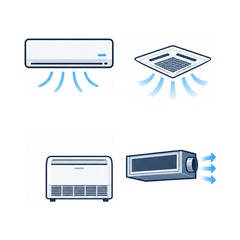
Single zone mini splits come in a small number of indoor unit configurations, and the right one depends on the room layout and how the buyer wants the airflow delivered.

  • Wall-mounted indoor heads are the dominant format in this category. They mount high on an interior wall, deliver conditioned air horizontally across the room, and require only a single penetration through the exterior wall for the refrigerant and electrical lines. They are the fastest installation format for a solo contractor and the most common choice for residential spaces. Quick-connect line set designs account for a four to six hour labor savings versus traditional split systems for this format.
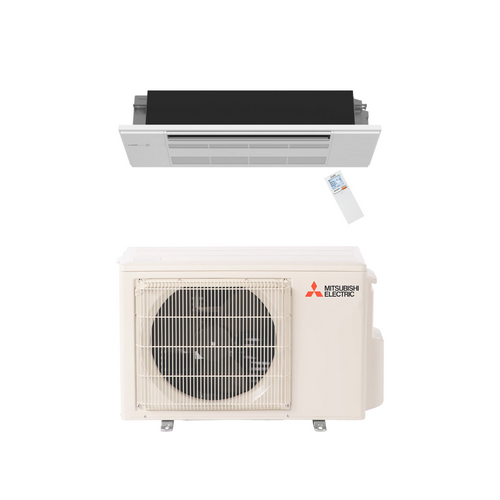
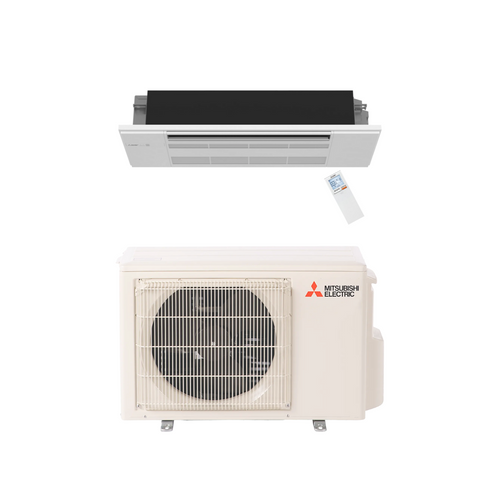
  • Ceiling cassette indoor units deliver airflow in multiple directions from a flush-mounted ceiling panel, which works well in rooms where a wall mount would intrude visually or where the layout benefits from central air distribution. The tradeoff is installation complexity: you need attic access, and the rough-in takes more time than a wall mount. They are a common choice in light commercial spaces, finished basements, and high-end residential installations where aesthetics are a priority.

Both types are available across the BTU range this category covers. The mount type does not change the capacity decision; it changes the install approach and the labor estimate.

What It Takes to Install a Single Zone Mini Split

Single zone mini splits are among the more installer-friendly refrigerant systems on the market, but the site still has to be ready before the unit arrives.

Start with the electrical supply. Most residential single zone mini splits in this category run on 208/230V single phase power and require a dedicated circuit with a correctly sized breaker and a disconnect located within sight of the outdoor unit per code. Check the unit's nameplate for the minimum circuit ampacity and the maximum overcurrent protection rating before pulling wire. Do not assume the existing panel has capacity or that the right breaker size is already there; pull the actual specs from the product documentation and compare them against what the site provides.

Drainage is straightforward with a wall-mounted head. The indoor unit produces condensate during cooling mode, and it drains by gravity through a small line that exits through the same wall penetration as the refrigerant lines. Verify that the drain outlet clears the exterior wall and terminates where local code allows. Ceiling cassettes have more complex condensate routing requirements because the unit is level with the ceiling; some require a condensate pump if there is no gravity drain path. Measure the ceiling cavity depth and determine the drain path before you order the cassette, not after it is in your hands.

The refrigerant line set length and diameter need to match the unit's specifications. Most manufacturers publish a minimum and maximum lineset length; going too short limits placement flexibility, and exceeding the maximum published run requires a refrigerant charge adjustment that adds to field labor. Quick-connect pre-charged line sets eliminate the need for field charging within the published range, which is a real labor saver for solo installers, but they are fixed lengths, so measure the actual run first.

Operating temperature range is worth verifying before a heating-dominated application. Standard mini split heat pumps have a rated heating capacity floor; below a certain outdoor ambient temperature, output drops and the unit may need supplemental heat. If the installation is in a cold climate and the space needs reliable heating through deep winter, look at the unit's low-ambient heating rating and confirm it covers the local design temperature. Some units in this category are rated for heating operation well below freezing; others are not. That detail is in the manufacturer's performance data, and it matters more in a Vermont garage conversion than it does in a Florida sunroom.

Controls and integration vary by manufacturer. Most current single zone mini splits include a handheld IR remote as standard. Many also support Wi-Fi control through a manufacturer app, either built in or via an add-on module. If the buyer needs integration with a smart home system or a building automation platform, verify that the unit supports it before the purchase, not after. Compatibility between third-party smart thermostats and mini split systems is not universal.

Things You Should Know

Q: Does a single zone mini split require a professional to install it?

A: In most jurisdictions, yes. Handling refrigerant legally requires EPA Section 608 certification, and most local codes require a licensed HVAC or electrical contractor for the electrical work and final inspection. Some pre-charged quick-connect units are marketed as DIY-friendly for the mechanical portion, but the electrical circuit and disconnect still need to meet code, and permits may be required regardless of the refrigerant handling method. Check local permit and licensing requirements before starting.

Q: What size single zone mini split do I need for my room?

A: Square footage gives you a rough starting point, but the accurate answer comes from a load calculation that accounts for ceiling height, insulation, windows, sun exposure, and local climate. Oversizing causes short-cycling and poor dehumidification; undersizing means the system runs constantly and cannot maintain setpoint. The sizing guidance above covers how to approach this correctly.

Q: Can a single zone mini split provide both heat and cooling?

A: Yes. Units in this category are heat pumps, meaning they move heat in both directions. In cooling mode the indoor unit absorbs heat from the room and rejects it outside; in heating mode the process reverses. No separate furnace is needed for spaces with adequate insulation and a unit sized to the winter load. Low-ambient heating performance varies by model — verify the rated heating capacity floor if the climate regularly sees hard winters.

Q: What is the difference between a wall-mounted and a ceiling cassette indoor unit?

A: A wall-mounted head mounts high on an interior wall and delivers airflow horizontally; it is faster to install and requires only one hole through the exterior wall. A ceiling cassette mounts flush in the ceiling and distributes air in multiple directions, which suits rooms where central air distribution or aesthetics matter more than install speed. The unit configurations section above covers the tradeoffs in full, including the condensate routing difference that affects ceiling cassette jobs specifically.

Q: Do I need to add refrigerant during installation?

A: It depends on the line set type. Units sold with pre-charged quick-connect line sets do not require field charging within the manufacturer's published line length range. Standard flare-connection systems require a licensed technician to pressure test and charge the system in the field. Check what the specific unit includes and what its published line length limits are before ordering.

Q: What electrical supply does a single zone mini split need?

A: Most residential single zone units in this category run on 208/230V single phase and require a dedicated circuit. The exact ampacity and breaker size vary by model and capacity. Pull the nameplate data or manufacturer spec sheet for the unit you are buying, verify the site panel has capacity for a new dedicated circuit, and confirm the disconnect and wiring meet local code. The installation section above covers what to check on site.

Q: Can a single zone mini split handle a space that gets very cold in winter?

A: Many units in this category are rated for heating operation at low outdoor temperatures, but the rated low-ambient floor varies by model. Some are engineered specifically for cold-climate performance; others see significant output reduction once outdoor temps drop below a certain point. Check the manufacturer's low-ambient heating rating against your local design temperature before buying, especially for a garage, workshop, or poorly insulated addition in a cold climate.

Q: What is the noise level during operation?

A: Single zone mini splits are notably quiet compared to window units or forced-air systems. Indoor sound levels for units in this category run in the 22 to 26 dB range — roughly the level of a quiet library or a soft whisper. The outdoor condenser is louder, but placement away from bedroom windows or outdoor living areas addresses that easily. Actual sound levels vary by model and operating speed.

HVAC365 ships single zone mini splits nationwide, and the catalog covers the capacity and configuration range that most residential replacements, room additions, and light commercial installs actually call for. Whether you are a homeowner ordering one unit or a distributor sourcing volume stock, the selection is broad enough that the right capacity and mount type is in inventory rather than on back order. Contractors get bulk pricing on orders of three or more units; contact sales directly for current pricing and availability on specific capacity tiers.

Compare
Show: 12 24 48

Fast Shipping

Easy Returns

Warranty Coverage

Financing Available