null
Fire Pits

Fire Pits

When the temperature drops and the job or the evening needs to keep going outside, a fire pit does what a space heater or a patio umbrella cannot: it creates a genuine gathering point with sustained, radiant heat that works even in a breeze. Whether you are a homeowner looking to extend your backyard season, a contractor sourcing product for a residential or light-commercial outdoor living project, or a distributor stocking up ahead of spring demand, HVAC365 carries a broad selection of fire pits with the inventory depth to support any scale of order. This category is part of the wider Heaters lineup, which covers the full range of supplemental and primary heating equipment for indoor and outdoor applications.

Fire pits are outdoor heating appliances designed to produce open-flame heat for exterior spaces: patios, decks, poolside areas, commercial courtyards, and similar settings. They are not central heating equipment; they are localized, ambient heat sources that also serve a social function. Buyers across the spectrum use them. Homeowners pick them up as a backyard upgrade. Contractors spec them into outdoor living builds or commercial hospitality installs. Distributors move them in volume ahead of the season, with interest peaking around May based on consistent search-trend patterns.

Choosing the Right Fire Pit

The most important decision is fuel type, and it drives nearly every other consideration. Gas-fired units (natural gas or liquid propane) light instantly, produce a clean flame, and let you dial heat output up or down without managing a fire. Wood-burning units produce a more traditional look and feel, do not require a gas connection or fuel storage, and tend to cost less upfront. Gel or ethanol fire pits are a third option, valued for portability and the absence of smoke, though their heat output is typically more modest. Before settling on a fuel type, verify what you actually have on site: a natural gas stub-out, a propane setup, or neither. Choosing a gas fire pit when the site has no gas infrastructure means either running new supply lines or switching to propane, which adds cost and planning time.

Size and heat output should be matched to the space, not chosen by eye. A fire pit that is too small for a large open terrace will feel underwhelming. One that is oversized for a small enclosed deck creates a safety concern rather than a comfort benefit. Think about how many people will typically be seated around it, the approximate square footage of the area, and whether the site is sheltered or exposed to wind. Exposed, windy environments favor lower-profile designs that keep the flame from flaring unpredictably; sheltered patios have more flexibility.

Design and construction material matter more here than they do with most HVAC equipment, because a fire pit stays outdoors year-round in most climates. Steel units cost less but require protective coatings or covers to resist rust. Cast iron holds heat well but is heavy and can crack under thermal stress if low-quality. Concrete and stone look permanent and weather well, but they are heavy and typically not portable. Powder-coated finishes extend the life of steel units; check whether the coating is rated for the temperatures the unit will reach at the bowl or firebox.

For professional buyers spec-ing product for a project, the application context matters beyond just the residential-versus-commercial split. A fire pit for a hotel rooftop terrace faces different durability and liability considerations than one for a single-family backyard. Commercial installs often require specific clearances from structures, compliance with local fire codes, and in some jurisdictions, permits. Confirm local requirements before specifying a unit. Distributors evaluating volume purchases should factor in seasonal demand timing, since consumer interest concentrates around late spring.

Buying Tips

  • Check local fire codes before you buy. Many municipalities restrict open-flame fire pits entirely in certain zones, require minimum setback distances from structures, or prohibit wood-burning units in areas with air-quality restrictions. A unit that is returned because of a code violation is an avoidable problem.
  • Buy a cover at the same time. A fire pit left uncovered through rain and freezing temperatures degrades significantly faster than one that is protected. Covers are almost always cheaper when bundled with the original purchase than when sourced separately later.
  • Think about where it will actually live. A heavy cast-iron or concrete fire pit is essentially permanent once placed. If there is any chance the layout of the space will change, or if the buyer wants to move it seasonally, prioritize a unit with manageable weight and portability features from the start.
  • Gas line sizing is a real constraint. For natural gas units, the BTU demand of the fire pit has to be supported by the existing gas supply line. A line that already feeds a grill, a generator, and a pool heater may not have enough residual capacity to add a fire pit without a pressure drop. A licensed plumber or gas fitter should verify this before installation, not after.

Fire Pit Styles and Fuel Types

Fire pits come in enough genuine variations that understanding the distinctions saves time during selection. The core split is between fuel type and form factor, and these two axes interact.

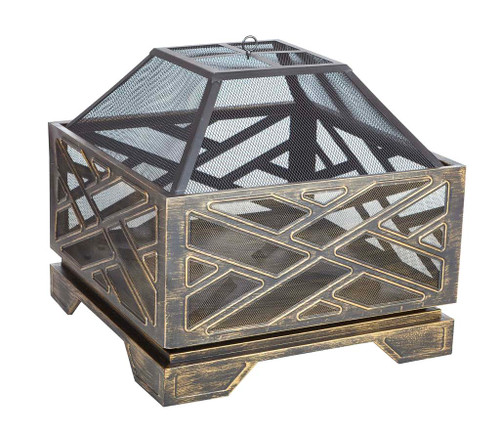
  • Wood-burning fire pits: The traditional open-bowl style. No utility connection required, which makes placement flexible. They produce real wood smoke and require ash cleanup. Best for sites where the experience of a wood fire matters and where local ordinances permit open burning.
  • Propane fire pits: Self-contained units that run off a standard propane tank, typically stored in the base or beneath the unit. No permanent gas line required, which makes them portable and easy to reposition. Output is controlled by a valve. A good choice when natural gas is not available or when portability matters.
  • Natural gas fire pits: Plumbed directly to a gas supply line, so there is no tank to swap. They are effectively permanent once connected. Output can be significant, and the flame is consistent. Best for built-in applications or permanent outdoor living spaces where a permanent connection is practical.
  • Tabletop and portable fire pits: Smaller units designed for casual use. Gel, ethanol, and small propane canisters are common fuel sources. Heat output is limited compared to a full-size unit, but they are easy to move and store and require minimal setup.
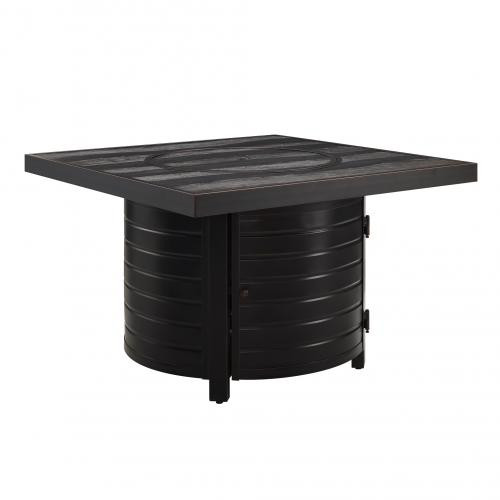
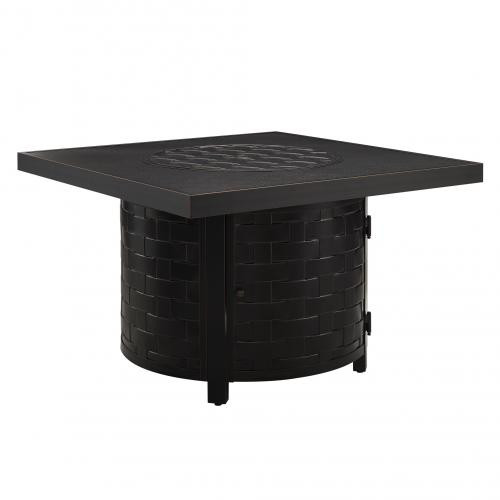
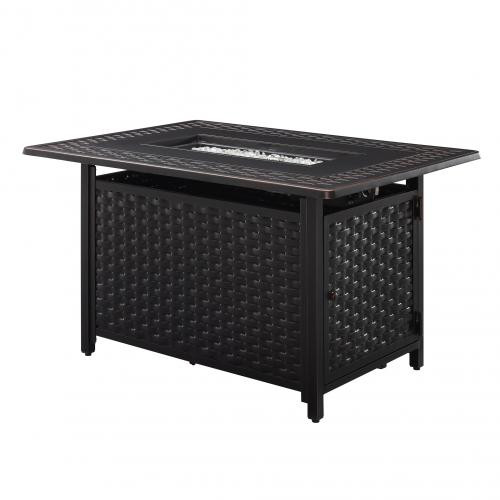
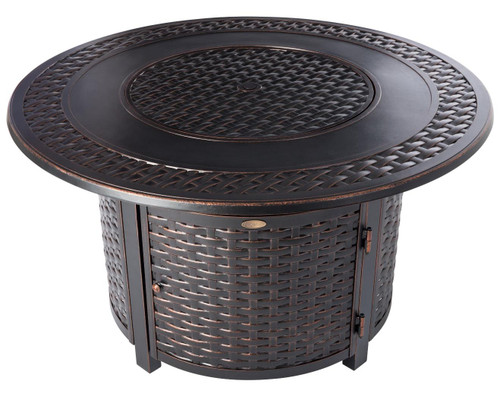
  • Fire pit tables: A hybrid product that combines a fire pit with a surrounding table surface. The fire element is typically gas-fired, centered in the table. Popular for patios where seating and heating are wanted without two separate pieces of furniture.

The right category depends on the site, the fuel source available, and what the buyer expects from the unit in terms of heat, aesthetics, and permanence.

What to Verify Before Setup

Installation for a fire pit is simpler than most HVAC equipment, but there are still several things to check before the unit goes into service.

For gas units, verify that the gas supply type (natural gas or LP) matches the unit's configuration. Many gas fire pits ship from the factory set for one fuel type and require a conversion kit for the other; check the spec sheet, not the listing title. Measure the supply line capacity against the unit's BTU demand, particularly if other gas appliances share the same line, as noted in the buying tips above. The connection should be made by a licensed plumber or gas fitter in most jurisdictions; look up your local requirements before the unit arrives.

For wood-burning units, the surface beneath the fire pit matters. Open-frame wood-burning units placed on a combustible deck surface without a spark-arresting pad are a fire hazard. Check whether the unit includes a spark guard or screen; if it does not, source one. Clearance from overhead structures (pergola rafters, umbrellas, roof overhangs) is another factor to measure before placement, not after.

Check wind exposure at the specific site. Gas units with electronic ignition may have trouble lighting or staying lit in high-wind conditions if they are not designed for exposed locations. Ask the manufacturer or distributor whether the burner system is rated for the wind conditions typical of the site.

Weatherproofing and storage should be planned before delivery. If the unit will stay outside year-round, confirm the materials and finish are appropriate for the local climate (freeze-thaw cycles, salt air in coastal areas, UV exposure). A cover, as mentioned in the buying tips, is a baseline investment worth planning upfront.

Finally, look up permit requirements for your jurisdiction before the unit is ordered. Some localities require permits for permanent gas connections or for fire pits above a certain BTU threshold. This is especially relevant for commercial installations.

Things People Ask About Fire Pits

Q: Do I need a permit to install an outdoor fire pit?

A: It depends on your municipality and the type of fire pit. Permanent natural gas connections almost always require a permit from the local building or fire department. Open wood-burning fire pits may be prohibited outright in some jurisdictions, particularly in areas with air-quality restrictions or fire-risk ratings. Check with your local authority having jurisdiction (AHJ) before purchasing, because permit requirements vary significantly by location and the cost of getting this wrong falls on the buyer, not the seller.

Q: Can I use a propane fire pit on a wood deck?

A: Yes, but placement matters. Keep the unit on a level, stable surface with adequate clearance from railings, overhead structures, and combustible materials. A protective mat or pad under the fire pit is a reasonable precaution even if the unit has legs that lift it off the deck. Check the unit's clearance specifications in the installation documentation and follow them; the pre-setup checklist above covers what to look for on site.

Q: What is the difference between a natural gas and a propane fire pit?

A: The fuel source and the supply setup. Natural gas units connect to a permanent gas line; propane units run off a portable tank. Many fire pit burner systems are available in both configurations or can be converted with a kit. The practical difference is that natural gas requires a plumbed connection (making the unit semi-permanent) while propane gives you flexibility to move the unit — covered in more detail in the styles and fuel types section above. Verify which fuel your site has available before ordering.

Q: How much heat output do I actually need?

A: It depends on the size of the area, how enclosed or exposed it is, and what ambient temperature you are trying to offset. Think about how many people will gather around the unit and how exposed the site is to wind and cold — the sizing guidance above walks through this. Review the output specifications of units you are considering against those site conditions, and ask the manufacturer or distributor if you are unsure whether a given unit is appropriate for the application.

Q: Are gas fire pits safe to use on a covered patio?

A: It depends on the coverage and ventilation. A fully enclosed room is not an appropriate location for an open-flame gas appliance; these units are designed for outdoor use. A partially covered structure with open sides and adequate overhead clearance is generally acceptable, but verify clearance requirements for the specific unit and check whether your local fire code has restrictions. Carbon monoxide is not a risk profile typical of an outdoor open-flame unit used in a well-ventilated space, but inadequate airflow is still a concern worth checking.

Q: What maintenance does a fire pit need?

A: Wood-burning units need regular ash removal and periodic cleaning of the bowl or firebox. Gas units should have the burner, orifices, and igniter inspected at the start of each season for debris, insect nests, and corrosion. Check hose connections and regulators on propane units for leaks before first use each season. A protective cover extends the interval between cleanings and significantly reduces weather-related degradation for any fuel type.

Q: Can a fire pit be used commercially?

A: Yes, fire pits are used in commercial outdoor settings including restaurant patios, hotel courtyards, and event venues. Commercial installs typically face stricter code requirements than residential ones, including specific clearance rules, requirements for commercial-grade equipment, and in some cases inspection and permitting for the gas connection. The permit and code considerations noted earlier apply here with greater weight. Spec the unit to the application, confirm local commercial fire and building codes, and involve a licensed contractor for any permanent gas connections.

HVAC365 ships fire pits nationwide, with a broad catalog that covers wood-burning, propane, and natural gas options across a range of styles and sizes. That stocked selection means residential buyers can find and order without waiting on a special build, and contractors or distributors placing larger orders have the product depth to fill a project without sourcing from multiple suppliers. Orders are available for the full range of buyers, from a single homeowner replacement to distributor volume purchases.

Compare
Show: 12 24 48

Fast Shipping

Easy Returns

Warranty Coverage

Financing Available