null
Dehumidifiers

Dehumidifiers

Excess moisture isn't just uncomfortable — it grows mold, rots framing, corrodes equipment, and forces your HVAC system to work harder than it should just to hold a stable temperature. A correctly sized, properly installed dehumidifier solves all of that, and HVAC365 stocks the capacity and application range to match what the job actually calls for, from a single basement unit to a whole-building system, with reliable availability when waiting isn't an option. Whether you're a homeowner replacing a failed portable unit, a contractor spec'ing humidity control for a renovation or new build, a light-commercial installer sourcing a unit for a pool room or warehouse, or a distributor stocking volume inventory, this category covers the equipment that pulls excess moisture out of the air and keeps it out — and the buying information below helps you get to the right unit the first time.

Choosing the Right Dehumidifier

Capacity is the first question to settle, and it's the one most often guessed at rather than calculated. The pints-per-day rating on a dehumidifier isn't a rough suggestion — it's the spec that determines whether a unit can actually keep up with the moisture load in a given space. Getting that number right means working from a real load calculation that accounts for square footage, ceiling height, construction type, climate zone, and how the space is used. Oversizing sounds like a safe bet, but it comes with a real cost: a unit that short-cycles may hold an acceptable average humidity while still allowing spikes that cause condensation and mold at the surface level. Undersizing means the unit runs continuously and still can't hold the target RH. Confirm the capacity your load calculation calls for before you order — don't estimate it from square footage alone.

Application type is the next decision, and it's closely tied to capacity. A portable unit designed for a bedroom behaves very differently from a whole-home unit integrated into ductwork, and both behave differently from a commercial-grade unit built to handle a large open floor plan, a pool enclosure, or an industrial space with constant moisture infiltration. The right unit for the application isn't just about pints per day — it's about where the unit is installed, how air reaches it, how collected moisture is removed, and how controls integrate with the rest of the system. A mismatch here is expensive to fix after the install, so nail down the application before selecting a model.

Efficiency ratings matter more than buyers sometimes expect, and they have a direct effect on operating cost. Higher-efficiency units typically carry a higher upfront price, but the payback in reduced runtime energy cost can be significant in high-moisture environments where the unit runs frequently. Some utility programs offer rebates for qualifying high-efficiency dehumidifiers — check with your utility directly, since thresholds and eligibility vary by program and region. Operating temperature range also belongs in this conversation: not all dehumidifiers are rated for the same conditions, and a unit that performs at rated capacity in a conditioned living space may derate significantly — or stop functioning altogether — in a cold basement or unconditioned crawl space. The installation-readiness factors that govern where and how a unit gets placed are covered in detail further down; read that section before finalizing a model if any of those apply to your install.

For a distributor evaluating volume pricing and lead time, or a professional spec'ing a unit for a specific contract, the buying decision also includes availability and delivery timing. A dehumidifier that's perfect on paper but weeks out on lead time can stall a job or leave a building exposed to moisture damage in the meantime. That's worth confirming at the same time as the spec.

Buying Tips

  • Don't rely on the DOE test condition alone. The standardized pints-per-day rating is measured at a specific temperature and relative humidity that may not match your actual site. If you're installing in an unconditioned basement, garage, or crawl space, look specifically at the manufacturer's performance data at lower temperatures — many units derate significantly in cooler conditions, and a few aren't rated for those environments at all.
  • Plan the drain path before you order, not after. A unit with a built-in condensate pump gives you flexibility on drain routing, but only if the pump head and tubing run match what your install actually requires. Check the pump's rated lift height against the distance to the nearest drain before the unit arrives on site — retrofitting a gravity drain or a separate pump after the fact wastes time and money.
  • Integrated controls matter for whole-home and commercial installs. A standalone humidistat is fine for a portable unit in a basement. A unit integrated into a ducted system needs controls that can communicate with the air handler or building automation system. Verify the control interface before you buy, not during startup.
  • Check the warranty coverage against the application. Some residential-rated dehumidifiers are explicitly excluded from coverage when installed in commercial or semi-commercial environments. If the space is a gym, a pool room, a laundry facility, or any other high-demand application, verify that the unit's warranty language covers that use — or select a unit that's rated and warranted for it.

Dehumidifier Types and Where Each One Fits

Most dehumidifiers fall into a few distinct categories, and the right one depends on where it's going and what it's expected to handle.

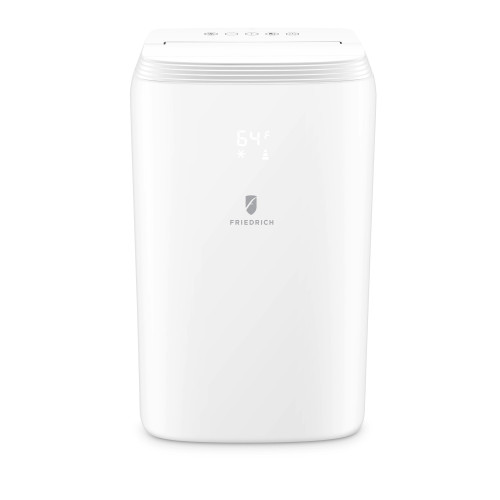
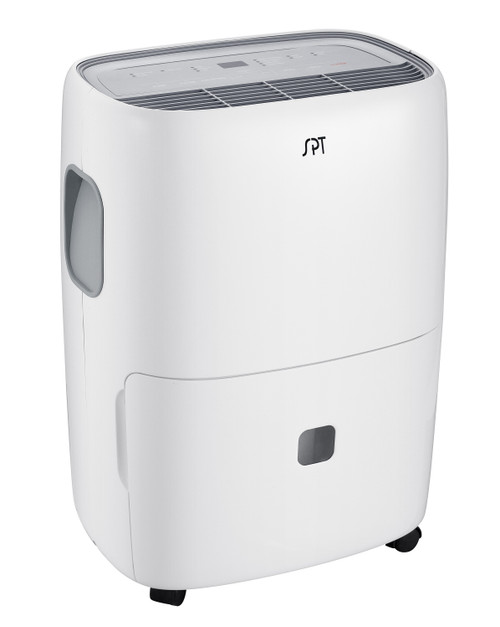
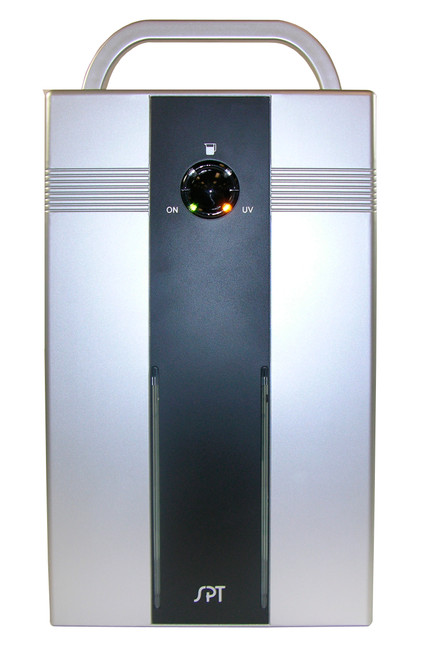
  • Portable / room dehumidifiers are freestanding units designed for a single space — a bedroom, a small basement, a utility room. They're self-contained, require no permanent installation, and drain either through gravity into a bucket or through a hose to a floor drain. They're the right choice when the moisture problem is localized and the space is accessible. They're the wrong choice when the space is large, the moisture load is continuous, or you need whole-building control.
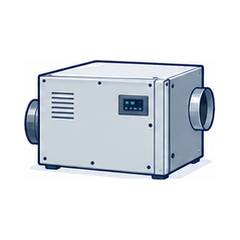
  • Whole-home / ducted dehumidifiers integrate into existing ductwork and handle humidity control for the entire conditioned space. They're installed inline with the air handler, draw from the return air stream, and discharge treated air back into the supply. This approach is the correct one when portable units are cycling constantly and still not keeping up, or when a new build requires dedicated humidity control independent of the cooling system. Installation requires a permanent electrical connection, a condensate drain plan, and ductwork access — factors covered in the next section.
  • Crawl space dehumidifiers are purpose-built for low-clearance, high-humidity, unconditioned environments. Standard portable units often aren't rated for the temperature and humidity extremes found in crawl spaces, and they aren't designed for the drainage and airflow constraints of that environment. Units in this category are typically low-profile, rated for operation at lower temperatures, and built to handle the near-constant moisture load a sealed crawl space can generate.
  • Commercial / industrial dehumidifiers are built for large open floor plans, pool enclosures, storage facilities, manufacturing floors, and other spaces where moisture loads exceed what any residential-grade unit can handle. They're rated for higher pints-per-day output, built from materials that resist the corrosive conditions in high-humidity commercial environments, and — in many cases — designed for remote monitoring and integration with building management systems. Selecting the right commercial unit requires a real load calculation for the specific space, not a rule-of-thumb estimate.

What It Takes to Install One

Installation requirements vary significantly across the types above, and getting them wrong before the unit arrives on site is the kind of mistake that stalls a job. Here's what to verify before you finalize a model.

Electrical supply. Every dehumidifier has specific voltage and amperage requirements. Portable units are typically plug-in, but check the outlet type and circuit ampacity against the unit's draw — running a high-capacity portable unit on an undersized circuit is a real risk. Whole-home and commercial units almost always require a dedicated circuit. Pull the unit's electrical spec sheet and compare it against what's actually on site before you order; adding a circuit after the equipment arrives adds cost and time.

Drainage and condensate routing. Dehumidifiers collect a lot of water — that's the job. Where it goes matters. Gravity drain options require a floor drain or utility sink within reach of the unit's drain hose. Units with built-in condensate pumps can push water uphill to a higher drain point, but the pump's rated lift height sets the limit on how far. Measure the actual vertical rise and horizontal run to the nearest drain point and compare against the pump spec before you commit. For crawl space and whole-home installations, this often means planning a condensate line run that terminates at an appropriate drain — sketch it out before the install, not during.

Operating temperature range. Look up the manufacturer's rated operating temperature range for any unit you're considering, then compare it against the actual low-end temperature the install site reaches in winter. A unit rated for conditioned spaces may stop functioning or sustain damage in a cold crawl space or unheated garage during winter months. This is especially worth checking for units that will run year-round in unconditioned environments — don't assume a unit is suitable for that application just because it physically fits in the space.

Airflow and ductwork. Whole-home ducted dehumidifiers require access to the return and supply duct system and need adequate static pressure and airflow to operate correctly. Check the unit's minimum and maximum CFM requirements against the existing duct system before installation. Restricting airflow below the unit's minimum will reduce performance and can shorten equipment life. For commercial units with integral ductwork connections, verify duct sizing and layout against the manufacturer's installation guide before the rough-in is complete.

Controls and integration. Portable units typically have an onboard humidistat. Whole-home units may communicate with a separate humidistat, a smart thermostat, or a building automation system. Verify what control signals the unit accepts and what accessories — wiring, communicating thermostats, remote sensors — are required versus optional. For commercial installs with BMS integration, check protocol compatibility before specifying the unit.

Things You Should Know

Q: How do I determine what capacity dehumidifier I actually need?

A: Capacity is measured in pints of moisture removed per day, and the right number comes from a real load calculation — not a square-footage estimate. The calculation accounts for square footage, ceiling height, construction type, climate zone, how the space is used, and whether it's conditioned or unconditioned. An HVAC contractor or engineer can run this; some manufacturers also publish load-estimation worksheets for specific application types. The capacity section above explains why guessing at that number — in either direction — causes problems after the install.

Q: Can I use a standard residential dehumidifier in an unconditioned basement or crawl space?

A: Not always. Standard residential units are tested and rated at conditions that don't reflect a cold, damp basement or crawl space in winter. Many units derate significantly at lower temperatures, and some will stop operating or sustain refrigerant-circuit damage if run below their minimum rated temperature. Check the operating temperature range against actual site conditions before selecting a unit — crawl space-specific and low-temp-rated units exist for exactly this reason, and the type descriptions above cover what sets them apart.

Q: What's the difference between a portable dehumidifier and a whole-home ducted unit?

A: A portable unit handles one room or one localized area. A whole-home ducted dehumidifier ties into the existing duct system and controls humidity across the entire conditioned space, independent of whether the air conditioner is running. The type descriptions above cover both in detail, including the electrical, drainage, and ductwork requirements that come with the ducted approach.

Q: Do I need a separate humidistat, or is one built in?

A: Most portable and crawl space units include an onboard humidistat. Whole-home and commercial units vary — some include integrated controls, others require a remote humidistat or communicate with a smart thermostat or building automation system. Check the control requirements in the unit's spec sheet before buying; in some installs, the control accessory is a required item, not an optional upgrade. The controls and integration section above covers what to verify before you finalize a model.

Q: Are there utility rebates available for high-efficiency dehumidifiers?

A: Some utility programs do offer rebates for qualifying units, but eligibility thresholds, qualifying models, and rebate amounts vary by utility and region. Check directly with the local utility for current program details — what qualifies in one service territory may not qualify in another, and programs change. Rebates don't change the correct unit for the application, but they can affect the total cost calculation when comparing efficiency tiers.

Q: What drainage options do I have if there's no floor drain nearby?

A: Units with a built-in condensate pump can push collected water uphill and over distance to a utility sink, a laundry drain, or another accessible drain point — up to the pump's rated lift height. Measure the actual vertical rise and horizontal run to the nearest suitable drain and compare against the pump's spec before you buy. If the distance or height exceeds what the built-in pump can handle, an external condensate pump can be added — but plan for it before the install. The drainage section above covers how to work through that measurement before the unit ships.

Q: What warranty considerations apply to commercial or heavy-use installations?

A: Some dehumidifiers carry warranty exclusions for commercial or high-demand applications — pool rooms, laundry facilities, gyms, and similar environments. If the install is anything other than a standard residential space, read the warranty language carefully before you buy. Commercial and industrial units are specifically rated and warranted for those conditions; use them where the application calls for it.

HVAC365 ships dehumidifiers nationwide, which means a homeowner dealing with a mold situation doesn't have to wait on local stock, and a contractor who needs a unit on site by a specific date has a real option for getting it there. Orders ship for residential replacements through commercial and distributor volume needs — if lead time is a factor on your job, confirm availability at the time you're placing the spec, not the day before the install date.

Compare

Fast Shipping

Easy Returns

Warranty Coverage

Financing Available