null
9,000 BTU

9,000 BTU

A failing or undersized PTAC unit in a guest room, in-law suite, or small commercial space is not a comfort inconvenience so much as a real operational problem: guests complain, tenants leave, and a property manager or contractor needs a replacement on the wall fast. HVAC365 stocks 9,000 BTU PTAC units across the configurations this capacity calls for, so you are not hunting down a unit when the job is already scheduled.

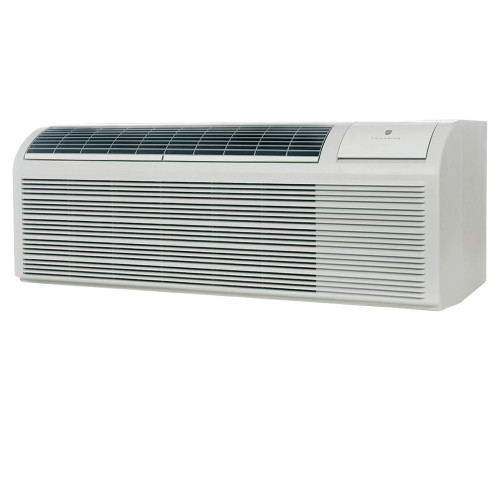
This category covers packaged terminal air conditioners rated at 9,000 BTU. PTACs are self-contained, wall-mounted units that combine heating and cooling in a single chassis, mounted through an exterior wall sleeve. They are the standard choice anywhere that each room or space needs independent climate control without a shared duct system. The 9,000 BTU capacity sits on the smaller end of the PTAC range, making it well-matched to smaller rooms, single-occupancy hotel rooms, small office spaces, and residential addition or conversion projects. You can also browse the broader PTAC Air Conditioners category if you need a different capacity or want to compare options across the full lineup.

The buyers who land here come from several directions. Homeowners converting a garage or finishing a basement often reach for a PTAC because there is no existing duct infrastructure, and the all-in-one form factor keeps the install clean. Property managers and hotel facilities teams replace individual units as they age out, and matching the existing sleeve dimensions is usually the driving constraint. HVAC contractors and installers spec and source units for their clients, often working against a project timeline where availability matters as much as price. Distributors and supply houses buying in volume for property renovation projects or fleet replacements will find the same catalog depth available regardless of order size.

Choosing the Right 9,000 BTU PTAC

The 9,000 BTU rating is a starting point, not a guarantee of fit. Before you buy, there are a few decisions worth resolving carefully, because getting them wrong is easier than correcting them after the unit is in the wall.

Capacity is the first question, and even though you are already shopping a specific BTU tier, it is worth pausing here. A load calculation for the actual room, accounting for square footage, ceiling height, sun exposure, insulation quality, and occupancy, is the only reliable way to confirm that 9,000 BTU is the right number. Oversized units short-cycle, which means they cool the air quickly but do not run long enough to pull humidity down, leaving the room feeling clammy even at the right temperature. Undersized units run constantly and never quite catch up on a hot day. If you have not run the numbers or had someone run them, do that before locking in a unit.

Application type shapes which unit features matter most. A hotel room application may weight reliability and quiet operation differently than a residential bedroom or a small office. Some applications also have specific code requirements around efficiency levels, and local utility programs may offer rebates tied to meeting a minimum efficiency threshold. The EER (energy efficiency ratio) is the relevant rating for PTACs; look up what your jurisdiction or utility program requires before assuming the first unit that fits the opening is the right one to buy. The installation-readiness factors covered below, including electrical supply and sleeve compatibility, also feed directly into this decision.

Heating source is another real split within the PTAC category. Units are available with electric resistance heat, heat pump configurations, or both. Heat pump models provide more efficient heating in moderate climates but have operating temperature limits that matter in colder regions. Electric resistance heat is simpler and works regardless of outdoor temperature, but it costs more to run. If you are replacing an existing unit, check whether the current unit has a heat pump or resistance element, and whether the existing electrical circuit supports the replacement you are considering. Distributors sourcing for a multi-property renovation should weigh whether standardizing on one heating configuration simplifies maintenance and parts stocking across the fleet.

Buying Tips

  • Measure the existing sleeve before ordering. PTACs are designed to drop into a standard wall sleeve, but sleeve dimensions are not universal. A unit that is a quarter-inch too wide or too tall simply will not fit, and returning a PTAC after it has been on a job site is a headache no one wants. Pull the sleeve dimensions from the existing installation before placing the order, not after.
  • Check whether the chassis or the sleeve needs replacement too. Many replacement projects involve only the indoor chassis, not the wall sleeve, which stays in place. Confirm whether the existing sleeve is compatible with the replacement unit you are ordering. Some manufacturers offer chassis-only replacement programs; others require the full unit. Assuming compatibility without verifying it is a common and expensive mistake.
  • Do not skip the controls question. PTACs can ship with a range of thermostat and control configurations, from simple manual controls to units designed for property management systems. If you are installing into a hotel or multi-unit property with existing room controls infrastructure, verify that the replacement unit is compatible with that system before it ships.
  • Factor in the wall finish. When a sleeve stays in place and a new chassis goes in, the trim kit or front panel on the new unit may not match the existing wall opening exactly. This is cosmetic, but it matters in a guest-facing environment. Confirm the front panel dimensions and finish options at the same time as the chassis.

PTAC Configurations at This Capacity

Within the 9,000 BTU PTAC category, the meaningful distinctions are about heating type and control configuration, not about form factor (every PTAC at this capacity installs into a through-wall sleeve in the same basic way).

  • Electric resistance heat: The simpler and more widely installed configuration. Works in any climate, no minimum outdoor temperature required, and the electrical requirements are generally straightforward. Running costs are higher than a heat pump in moderate climates, but there is nothing to service on the refrigeration side for heating.
  • Heat pump with supplemental resistance: More efficient in moderate outdoor temperatures, with resistance heat as a backup when outdoor conditions drop below the heat pump's effective operating range. Better long-term operating economics in the right climate. The tradeoff is a higher upfront cost and more components in the system.
  • Cooling only: A smaller subset of applications need cooling with no integrated heating, either because a separate baseboard or hydronic system handles heat or because the climate simply does not require it. Cooling-only configurations are available but less common at this capacity.
  • Control type: Units range from fully manual controls to units with wireless or property management system integration. For single-room residential installs, the control sophistication is usually not the deciding factor. For hotel or multi-unit commercial installs, the control type can be the difference between a unit that works with the existing infrastructure and one that requires a workaround.

What It Takes to Install a 9,000 BTU PTAC

PTACs are among the more straightforward HVAC installs because the unit contains everything in one chassis, but there are still several site conditions worth checking before the unit arrives.

Electrical supply is the first thing to verify. PTACs at this capacity are available in different voltage configurations, and the existing wall circuit may or may not match the replacement unit. Pull the voltage and amperage ratings from the spec sheet of the unit you are ordering, then check those against the existing circuit at the installation location. A mismatch here means electrical work before the unit can run, which adds cost and time to the project. Do not assume a direct replacement will land on the same electrical configuration as the unit being removed, especially if you are switching manufacturers.

The wall sleeve is the physical constraint that governs most of the rest of the install. Measure the interior sleeve dimensions (width, height, and depth) accurately. Check whether the sleeve is in acceptable condition: corrosion, bent flanges, or damaged seals compromise the unit's performance and weather resistance once the new chassis is installed. If the sleeve needs replacement, that is a more involved project that may require wall work.

Condensate drainage is relevant in cooling mode: PTACs produce condensate that either drains through the wall (most common) or must be managed with an internal slinger or evaporator. Look up how the specific unit handles condensate and make sure the wall opening and sleeve configuration support that method. Improper drainage leads to water damage over time, which is a problem that shows up well after the install and looks like a leak rather than a setup error.

Clearances and airflow on the outdoor side of the wall matter more than people expect. The outdoor face of the unit needs unobstructed airflow to reject heat. Check what is outside the wall opening: landscaping, a deck, a signage structure, or any obstruction that limits airflow will reduce the unit's efficiency and can shorten its service life. Compare the clearance requirements in the manufacturer's documentation against the actual site conditions before committing to the location.

For heat pump models, note the outdoor temperature operating range listed in the specs. Most heat pump PTACs have a lower ambient temperature threshold below which the heat pump does not operate and resistance backup takes over. If the installation site regularly sees temperatures below that threshold, factor that into the operating cost estimate and the control setup.

Things You Should Know

Q: What size room does a 9,000 BTU PTAC actually handle?

A: It depends on the room, not just the square footage. Ceiling height, insulation, sun exposure, and occupancy all affect the real load — which is why the load calculation guidance earlier in this page matters before you lock in a BTU rating.

Q: Can I replace just the PTAC chassis without replacing the wall sleeve?

A: Yes, in many cases, and the sleeve-measurement and compatibility steps covered in the buying tips above are exactly what determine whether that approach works for your install. Some manufacturers publish compatibility guides; others require sleeve replacement when switching brands.

Q: What electrical supply does a 9,000 BTU PTAC require?

A: It varies by unit. Pull the voltage and amperage from the spec sheet of the model you are ordering and check them against the existing circuit — the installation section above walks through exactly what to verify on site. Do not assume a same-BTU replacement matches the existing wiring, especially across brands.

Q: Is a heat pump PTAC worth it over a straight electric resistance model?

A: In moderate climates where outdoor temperatures stay above the heat pump's minimum operating threshold for most of the heating season, a heat pump will cost less to run than electric resistance heat. In colder climates where the heat pump frequently hits its lower limit and resistance backup carries the load, the efficiency advantage shrinks. Compare the unit's rated operating temperature range against the actual climate at the installation site to make a realistic call.

Q: What causes a PTAC to short-cycle and how do I avoid it?

A: Short-cycling is an oversizing problem: the unit satisfies the thermostat before it runs long enough to pull humidity down, leaving the room feeling cold and clammy. The fix is a proper load calculation before you buy — covered in the capacity section above — rather than defaulting to a higher BTU rating to feel safe.

Q: Do 9,000 BTU PTACs work with hotel property management systems?

A: Some models at this capacity are designed with controls interfaces compatible with common hotel property management systems; others are not. Verify compatibility for the specific unit before ordering — the controls discussion in the configuration and buying tips sections above explains what to confirm and when.

Q: How is condensate handled in a PTAC installation?

A: Most PTACs drain through the wall or use an internal slinger that evaporates condensate over the condenser coil. The right method depends on the unit's design and the wall configuration — see the installation section above for what to check on site before the unit arrives.

HVAC365 ships 9,000 BTU PTAC units nationwide, and the catalog covers the heating configurations, control types, and sleeve compatibility options that real installs call for. Whether you are a homeowner sourcing a single replacement or a facilities team working through a property renovation, the availability and selection are here to match the job, not just the capacity tier.

Compare

Fast Shipping

Easy Returns

Warranty Coverage

Financing Available