






Description
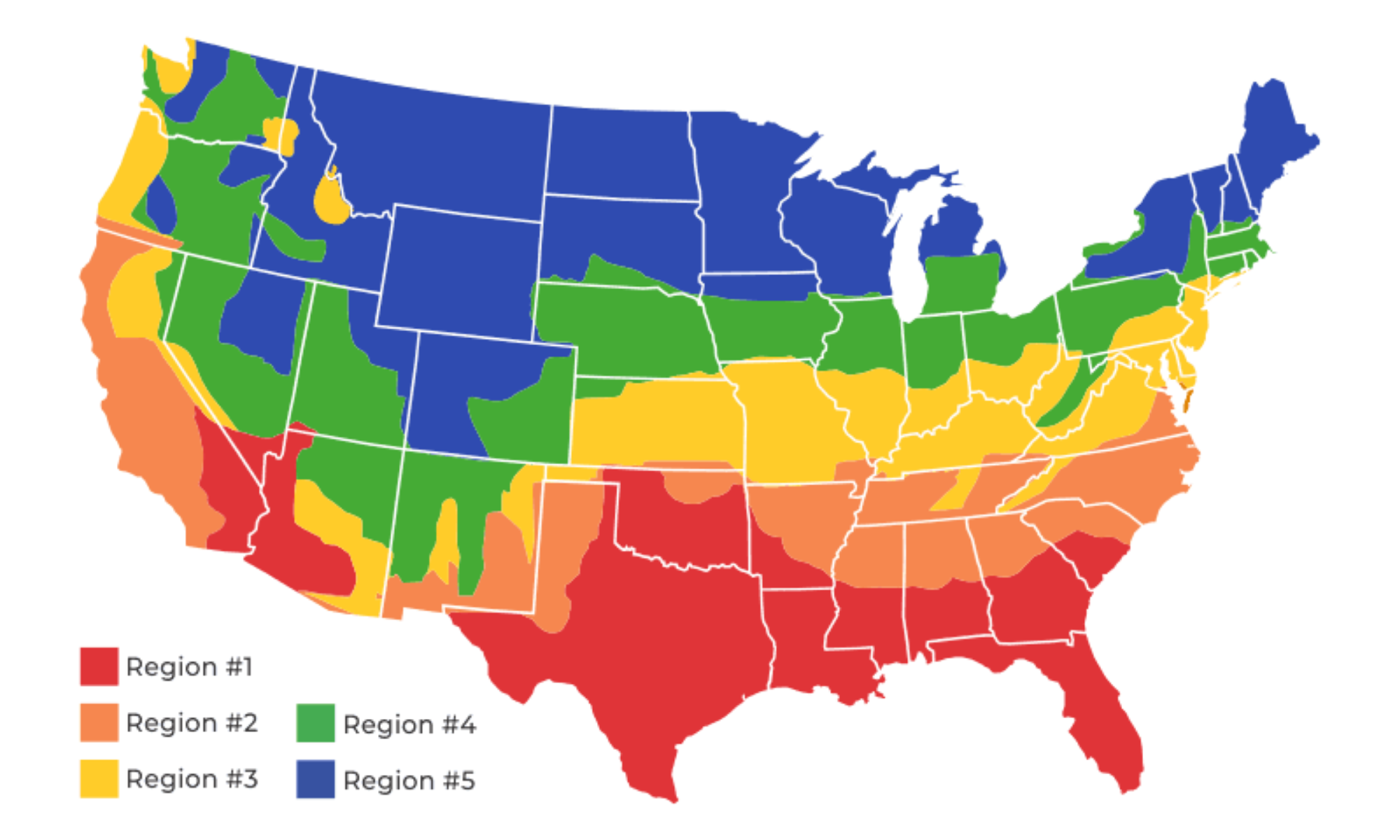
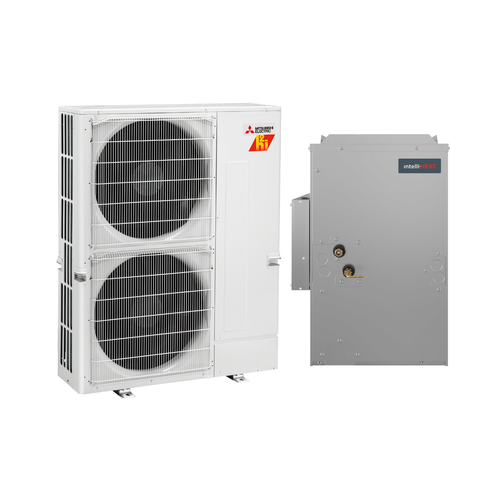
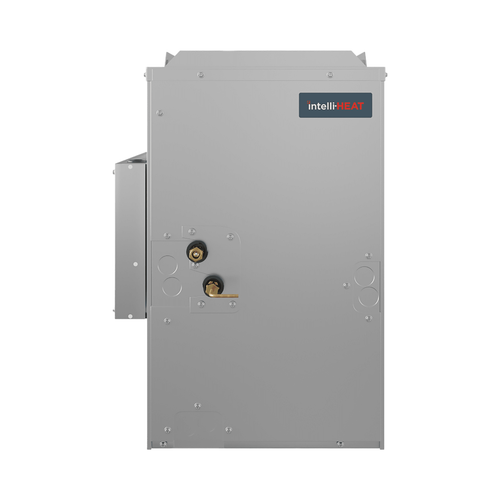
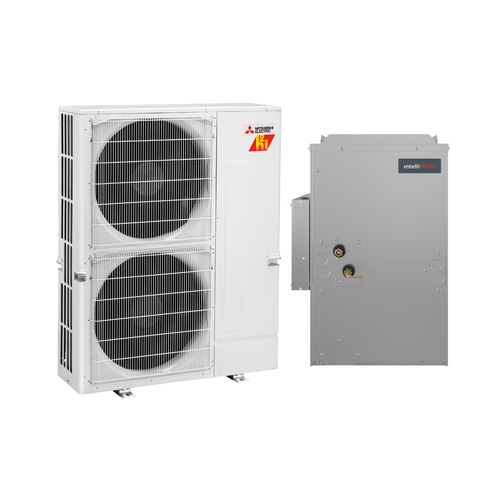
This system pairs the PUZ-HA30NKA Hyper-Heating outdoor unit with the PAA-A30BA1 PAA-series ducted cased coil indoor unit to deliver a high-performance ducted heat pump setup built for cold-weather confidence. It’s the kind of bundle you choose when comfort has to stay consistent even as outdoor temperatures swing—because this platform is designed around inverter control and cold-climate heating support, not just mild-weather performance. In cooling season, it’s built to deliver clean, even ducted comfort without the wall-mounted look, making it an easy fit for homeowners who want a traditional feel with modern performance.
The real advantage is how the system behaves. Instead of hard on/off cycling that overshoots and swings, this is designed to modulate capacity to maintain setpoint more smoothly. That translates into steadier comfort, fewer temperature peaks and dips, and a more refined day-to-day experience. For buyers in cold regions, the Hyper-Heating platform is the difference between “it heats most days” and “it’s built to handle winter.”
PAA-A30BA1 is also built for buyers who care about a clean, correct system build. It’s a model-specific ducted indoor solution designed to integrate properly in the intended pairing, helping keep procurement straightforward and reducing the chance of compatibility headaches later. If you want a ducted Mitsubishi Electric system that’s built for winter performance and comfort stability, this bundle is the right lane.
Key Features:
-
Hyper-Heating outdoor unit: Designed for cold-weather heating performance and confidence.
-
Ducted cased coil indoor unit: Clean ducted comfort without wall-mounted heads.
-
Published matched performance (this pairing): 30,000 BTU/h system rating with 18.0 SEER2 and 8.9 HSPF2.
-
Cold-weather operation capability: Designed for heating operation down to -13°F in the matched outdoor platform.
-
Inverter-driven comfort control: Smoother modulation for steadier temperatures and reduced cycling.
-
Model-matched bundle: Built as a correct pairing to reduce mismatch risk and procurement friction.