-
Goodman
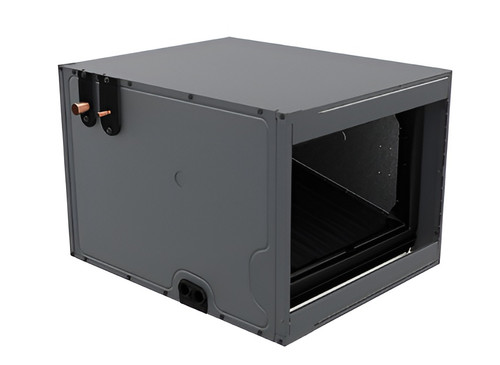
Goodman 3.5 Ton 30” W x 21” H Evaporator Cased Coil Horizontal with TXV | R32 Refrigerant | CHPTA4230C3
SKU: CHPTA4230C3
$964.00Ships in 2-3 Business Days5 in stock
Evaporator coils are a key indoor component in central air conditioning and heat pump systems. They work by absorbing heat from indoor air as refrigerant passes through the coil, allowing the system to cool and dehumidify your home before sending conditioned air through the ductwork.
These coils are typically installed with an air handler or furnace and must be properly matched with the outdoor condenser to ensure efficient cooling performance, correct refrigerant flow, and system reliability.
What does an evaporator coil do?
It removes heat and humidity from indoor air as refrigerant flows through it.
Is the evaporator coil inside or outside?
It is located inside the home, usually attached to the air handler or furnace.
Do evaporator coils need to match the condenser?
Yes. Proper matching is essential for efficiency, performance, and warranty validation.
How long do evaporator coils last?
Typically 10–15 years, depending on usage, maintenance, and environmental conditions.
Can a bad coil affect cooling?
Yes. A damaged or dirty coil can reduce cooling performance and increase energy use.
Do evaporator coils require professional installation?
Yes. Proper installation ensures correct refrigerant charge, airflow balance, and system efficiency.
HVAC365 provides transparent pricing, expert guidance, and reliable evaporator coils designed for efficient heat transfer, system compatibility, and long-term HVAC performance.
Goodman
SKU: CHPTA4230C3

Fast Shipping

Easy Returns

Warranty Coverage

Financing Available