null

Ductless Multi Zone Components

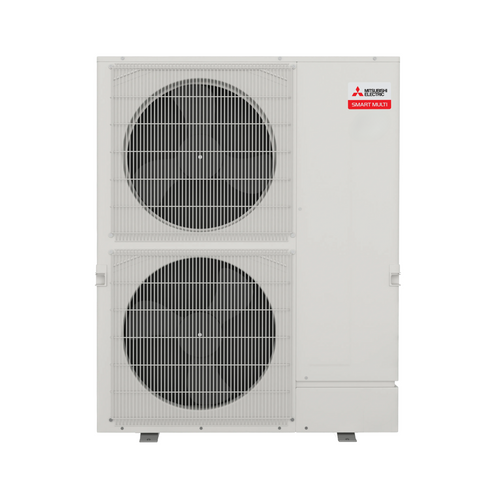
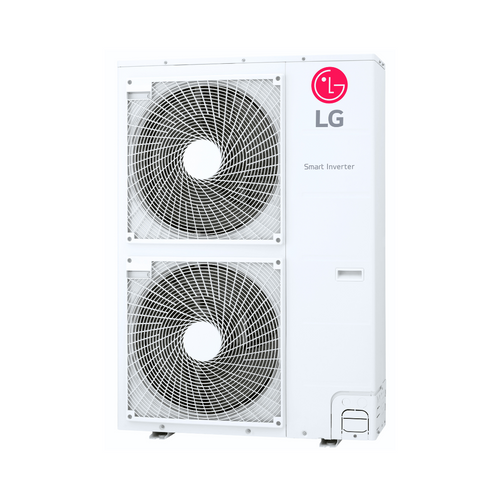
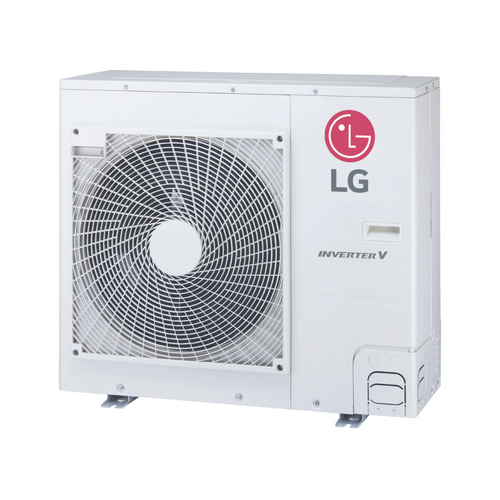
When a single indoor unit is not enough, multi-zone ductless systems give you the ability to condition several rooms or areas from one outdoor condenser without running a single duct. Getting that kind of system to work well depends entirely on having the right components matched and sized for each zone, and that is where HVAC365 comes in. We stock the condensers, air handlers, line sets, and supporting accessories that a multi-zone install actually calls for, so you are not piecing together a system from whatever is available.

This category covers the individual components and matched assemblies that make up a ductless multi-zone system. A multi-zone setup lets one outdoor unit serve multiple indoor air handlers, each independently controlled and sized to its own space. That flexibility makes these systems a strong fit for a wide range of buyers: a homeowner retrofitting an older house with no ductwork, a property manager conditioning different-use spaces in a commercial building, a contractor spec-matching components to a design that calls for three or four zones, or a distributor stocking common parts for the multi-zone jobs running through their service area. If you are browsing the broader Ductless Mini Split Multi Zone lineup, this component category is where you find the individual pieces that complete or extend those systems.

Matching Components to the System You Are Building

The single most important buying decision in this category is compatibility. Multi-zone systems are not mix-and-match at the component level. Outdoor condensers are rated for a specific number of zones and a total combined capacity, and each indoor air handler has to fall within the limits that condenser can support. Before you select any component here, know the outdoor unit it is going to connect to, including the brand, model, the zone count the condenser supports, and the minimum and maximum capacity each port accepts. That information comes from the manufacturer's engineering documentation, not a rule of thumb.

Capacity sizing is the next question to resolve, and it is a per-zone calculation, not a whole-building estimate. Each indoor air handler needs to be sized to the room or zone it conditions, which means a real load calculation for each space. Oversizing a single zone to "play it safe" causes that air handler to short-cycle, which reduces dehumidification and wears the equipment faster. Undersizing leaves the zone unable to hold setpoint on a design day. Neither problem shows up during a showroom demo; both show up after the install. If you are a homeowner buying for a single project, a load calculation from the installing contractor is the right input. If you are a contractor purchasing multiple components for a job, that calculation should already be in your design documents.

Application type affects which components are the right fit. Residential installations typically use ceiling cassette, wall-mount, or floor-mount indoor units depending on room layout and ceiling height. Light commercial spaces may call for ducted air handlers that feed a short duct run, or ceiling cassettes that spread airflow across an open floor plan. The component you choose for a bedroom is not necessarily the right one for a retail space with a high ceiling. Think about the physical constraints of each zone before selecting an air handler style, not after.

Efficiency tier is a buying decision that has real financial consequences beyond the sticker price. Higher-efficiency components generally carry a higher upfront cost but may qualify for utility rebates or meet local energy code minimums that a lower-tier component would not. Check the rebate thresholds your utility publishes and verify whether local code sets a minimum efficiency rating for the install location before you decide. A component that fails a code inspection or misses a rebate cutoff by one tier is a preventable problem.

Distributors and contractors buying across multiple jobs should also think about lead time and parts availability in context. A multi-zone system where one air handler is discontinued or backordered mid-project creates a real scheduling problem. Confirming that all components for a given system are in stock and available from the same source before committing to a job schedule is the kind of step that prevents a two-week hold at the punch-out stage.

Buying Tips

  • Do not assume brand interchangeability. Multi-zone components from different manufacturers almost never work together, even when the electrical specs look similar. The communication protocol between the outdoor unit and indoor air handlers is proprietary in most product lines. Mixing brands is the most common and most expensive mistake in this category.
  • Count your zones before you order the condenser. A two-zone condenser cannot support a third air handler later, even if the capacity math seems to work. If the project has any chance of expanding, size the outdoor unit for the total zone count you might eventually want, not just what you need today. Adding a zone later typically means replacing the outdoor unit.
  • Verify refrigerant line diameter per zone, not per system. Each indoor unit connection has its own line set requirement. A four-zone system may use different line diameters on different ports depending on the capacity of each connected air handler. Running the wrong diameter line to a specific zone creates a performance problem that is difficult to diagnose and expensive to re-run.
  • Check accessory compatibility before install day. Drain pumps, wireless controllers, and communication adapters are not universally compatible across a manufacturer's own product line. Confirm that any accessory you plan to use is listed as compatible with the specific indoor unit model, not just the brand.

How Multi-Zone Systems Come Together

The core of any multi-zone ductless system is the outdoor condenser, which handles refrigerant compression and heat exchange for all connected zones. From there, individual refrigerant line sets run to each indoor air handler. Each air handler operates independently, responding to its own thermostat or remote, while the outdoor unit manages the overall load. That basic architecture holds across the category, but the specific component choices within it vary significantly by application.

Indoor air handler types represent the most visible configuration difference in this category:

  • Wall-mount units are the most common choice for residential zones. They mount high on the wall, distribute air across the room, and are straightforward to install where wall penetrations are feasible.
  • Ceiling cassettes distribute airflow in multiple directions from a recessed ceiling position, which makes them well-suited for open-plan spaces, retail areas, or rooms where a wall-mounted unit would be obtrusive.
  • Floor-mount units work in spaces with limited wall height or where the heat delivery preference leans toward low-level distribution, such as rooms with high glass areas or sunrooms.
  • Ducted (concealed) air handlers connect to a short duct run and allow conditioned air to be delivered through grilles rather than directly from the unit face. These are common in light commercial applications or high-end residential installs where exposed equipment is not acceptable.

Line sets are sized per zone based on the capacity of the connected air handler and the manufacturer's published requirements. Accessories such as line set covers, condensate drain pumps, and communication wiring are required or optional depending on the site and the specific equipment. Each of these is covered in more detail in the installation section below.

What It Takes to Install a Multi-Zone System

Multi-zone ductless installs have more moving parts than a single-zone setup, and site readiness matters for each zone independently, not just for the system as a whole.

Electrical supply. The outdoor condenser requires a dedicated circuit sized to the unit's nameplate rating. Pull that rating from the condenser's spec sheet or rating plate before sizing the breaker and disconnect. Each indoor air handler also has its own low-voltage communication wiring requirement that runs between the indoor and outdoor units. Verify the wire gauge and conductor count the manufacturer specifies for each run length; this is not universal across brands or even across product lines within a brand.

Refrigerant line sets. Each zone needs its own line set, sized per the manufacturer's requirements for that specific indoor unit's capacity. Check the maximum line length and maximum vertical rise allowed for each zone, not just the system overall. Exceeding those limits affects capacity and may require additional refrigerant charge, which needs to be done by a licensed technician. Measure actual line run distances on site before ordering line sets, because estimated distances lead to either short sets that cannot reach or excess coiled line that affects performance.

Condensate drainage. Each indoor air handler produces condensate that has to go somewhere. Wall-mount units typically gravity-drain through a small line to the exterior. Ceiling cassettes and concealed air handlers often require a condensate drain pump where gravity drainage is not practical. Look at the ceiling or wall cavity available for each unit before committing to a specific air handler type, and verify whether a drain pump is required or optional for that unit in that location.

Operating temperature range. Multi-zone condensers have published heating and cooling operating temperature limits. In climates with very low winter temperatures, check the low-ambient heating rating of the outdoor unit against your design-day conditions. Not every multi-zone condenser performs to full rated capacity at extreme low temperatures, and some have minimum cooling ambient limits as well. The manufacturer's published operating range is the reference, not a general rule.

Clearances and mounting. The outdoor condenser needs adequate clearance on all sides for airflow and service access. Look up the manufacturer's minimum clearance requirements before the condenser pad or bracket is set, because moving a condenser after refrigerant lines are run is a significant rework. Indoor units have their own mounting height and clearance requirements; check each unit's installation manual for the specific zone.

Controls and integration. Most multi-zone systems ship with individual remote controls for each indoor unit. If the project requires smart home integration, verify that the specific condenser and air handler models support the communication protocol or adapter the integration system needs. Not every unit in a manufacturer's lineup supports every control option, even if the brand as a whole offers that feature.

Things You Should Know

Q: Can I mix different air handler styles on the same multi-zone condenser?

A: In most cases, yes, provided all units are from the same manufacturer's compatible product family and the total combined capacity stays within the condenser's rated limits. A wall-mount in one room and a ceiling cassette in another can share the same outdoor unit as long as the manufacturer's compatibility chart confirms the combination. Always verify with the manufacturer's engineering documentation for the specific condenser model before ordering.

Q: How do I know what capacity each indoor unit should be?

A: Each zone needs its own load calculation — square footage, insulation, window area, orientation, and occupancy all factor in. A whole-building estimate divided by zone count is not accurate enough. The sizing section above explains the short-cycle and setpoint failure consequences of getting this wrong.

Q: Do all line sets for a multi-zone system have to be the same length?

A: No. Each line set runs independently to its indoor air handler, so lengths will naturally differ. What matters is that each individual run stays within the maximum length and maximum vertical rise the manufacturer allows for that port and capacity. Measure each run separately on site.

Q: Can I add a zone to an existing multi-zone system later?

A: Only if the existing condenser has an unused port and the total connected capacity stays within its maximum after adding the new unit. If the condenser is already at its zone limit, a new outdoor unit is required. The buying tips above explain why sizing for potential future zones at the original install is worth considering.

Q: What refrigerant does my multi-zone system use, and does it affect which components I can buy?

A: The refrigerant type is specific to the outdoor condenser model and is listed on the unit's rating plate and in the manufacturer's documentation. It directly affects which line sets and which service procedures apply. Do not assume refrigerant type from the brand alone; verify it from the equipment documentation for the specific model you are working with.

Q: Is a dedicated electrical circuit required for each indoor air handler?

A: Most ductless indoor air handlers draw low-voltage power through the communication wiring from the outdoor unit rather than from a separate circuit. However, some configurations and some product lines do require a separate power feed to the indoor unit. Check the wiring diagram in the installation manual for each specific indoor unit model rather than assuming one approach applies across the system.

Q: What accessories are typically required versus optional for a multi-zone install?

A: It depends on the site and unit type. Condensate drain pumps are required where gravity drainage is not available. Communication wire is required for every indoor unit. Line set covers and smart home adapters are optional — and any accessory must be confirmed compatible with the specific unit model before purchase, as covered in the buying tips above.

HVAC365 ships ductless multi-zone components nationwide, with a stocked catalog broad enough to support a single-room addition or a full multi-zone commercial install from the same order. Whether you are a homeowner sourcing parts for an installer or a distributor replenishing stock across multiple job types, the same selection is available to you. When a comfort problem cannot wait and a job schedule depends on parts showing up complete, having a single source with real inventory depth matters.

Compare
Show: 12 24 48

Fast Shipping

Easy Returns

Warranty Coverage

Financing Available