null
Hand Tools

Hand Tools

A job that stalls because the right wrench or tube cutter isn't on the truck costs more in time than the tool ever would have. Hand tools are the unglamorous backbone of every HVAC install, service call, and repair — and having the correct one on hand, in the right size, is what separates a clean finish from a callback. HVAC365 stocks a broad selection of hand tools built specifically for refrigeration, heating, cooling, and ventilation work, so whether you're a homeowner tackling a filter swap and a thermostat wire, or a technician running refrigerant lines on a commercial job, the tool you need is available and ready to ship.

This category covers the hand tools that HVAC work actually calls for: manifold gauge sets, tube cutters, flaring and swaging tools, service wrenches, pipe wrenches, refrigeration hand tools, wire strippers, leak detection accessories, and the assorted trade tools that keep an installation or service call moving. Homeowners replacing a capacitor or tightening a condensate drain fitting will find what they need here. Contractors and installers stocking a service van will find the staples alongside less common specialty pieces. Distributors sourcing tools in volume for resale or fleet supply will find enough breadth to consolidate an order.

Picking the Right Hand Tool for the Task

Hand tools are deceptively simple to shop — until you grab one that doesn't fit, doesn't reach, or isn't rated for the application. The first question to settle is what the tool will actually be used for: refrigerant-side work, mechanical assembly, electrical rough-in, or general service. Each of those disciplines leans on a different set of hand tools, and a tool optimized for one (say, a specialty HVAC service wrench or a refrigerant manifold) will not substitute for another (a wire stripper or a knockout punch).

For refrigerant-side work, the core decisions are compatibility and rating. Manifold gauge sets, hoses, and service valves need to be matched to the refrigerant type the system uses — not all gauges and hoses are rated for every refrigerant, and using the wrong set can produce inaccurate readings or cause a dangerous pressure event. Verify the refrigerant type in the system before selecting gauges or hoses, and check that the gauge set's pressure range covers what you'll actually see in service.

For tube work — cutting, flaring, swaging — the critical question is tube diameter. Most tube cutters and flaring tools are sized for specific diameter ranges, and forcing a tool outside its rated range damages both the tool and the tubing. Pull the line set dimensions from the spec sheet or measure the existing tubing before ordering. For flaring specifically, understand whether the job calls for a standard 45-degree flare or a different profile, since flaring tools aren't universally interchangeable across profiles or materials.

Mechanical assembly and service work — tightening service valves, pulling caps, torquing fittings — calls for the right drive size and enough clearance to reach the fastener without rounding it. In tight equipment cabinets or confined service areas, a standard-length wrench may not swing far enough to turn. Consider the access geometry of the equipment before assuming the wrench you already own will work. The same logic applies to ratchets, nut drivers, and hex keys: reach and clearance matter as much as drive size.

For distributors placing volume orders, lead time and pack quantities are worth confirming at the order stage — commodity hand tools can move fast during peak season and a sudden stock gap can hold up multiple jobs. The site-readiness factors covered further down are also worth reviewing if tools are being sourced for a new install project rather than service stock.

Buying Tips

  • Don't buy manifold gauges without confirming the refrigerant compatibility first. Hoses, seals, and gauge internals are not universal. A gauge set that works fine on one refrigerant may give you inaccurate readings or corrode internally on another. The refrigerant type is on the equipment nameplate — check it before you order.
  • Flaring tools are not interchangeable between tubing materials. A tool rated for soft copper may not produce a clean flare on ACR tubing of the same diameter, and vice versa. If the job spec calls for a specific tubing type, verify the flaring tool is rated for it — a bad flare is a guaranteed leak.
  • Cheap tube cutters leave burrs that restrict flow. A quality cutter with a sharp, properly sized wheel makes a clean, square cut. A dull or wrong-sized wheel scores and deforms the tube end, and even a small burr left in a refrigerant line can migrate to a valve seat and cause a failure. Budget for the right cutter for the line size you're working with.
  • Service wrenches and valve keys are easy to overlook until you're standing in front of a Schrader valve with the wrong tool. Keep a set of HVAC service keys in the kit — they're inexpensive, take almost no space, and cost nothing compared to a service call delay.

What You'll Find in This Category

Hand tools for HVAC work don't come in configurations the way equipment does — a tube cutter is a tube cutter — but the category spans enough distinct tool types that it's worth knowing what's here and what each one handles.

  • Manifold gauge sets and hoses: Used to measure suction and discharge pressures, check refrigerant charge, and perform evacuation. Available in analog and digital versions; hose and gauge compatibility varies by refrigerant type.
  • Tube cutters: Sized by tubing diameter range. Designed for copper refrigerant and ACR tubing; using the wrong size or a dull wheel leaves burrs that restrict flow or cause leaks.
  • Flaring and swaging tools: Create mechanical joints in copper tubing. Flaring tools produce a cone-shaped end for a flare fitting; swaging tools expand one tube end to accept another for a soldered lap joint. Both are sized to specific tubing diameters.
  • Service wrenches and valve tools: HVAC-specific wrenches, Schrader valve cores, and valve keys for opening and closing service ports without losing refrigerant charge.
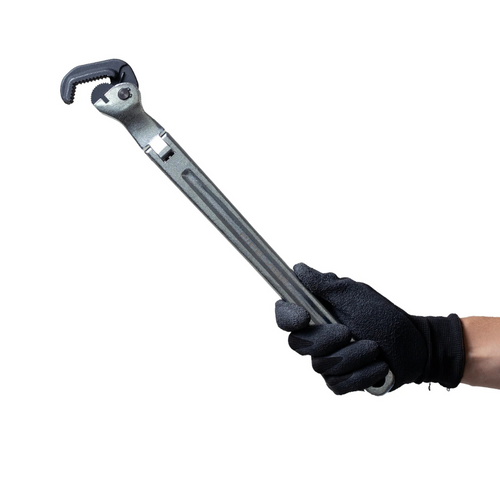
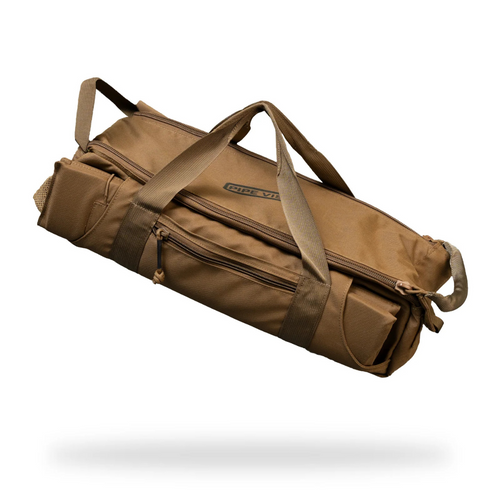
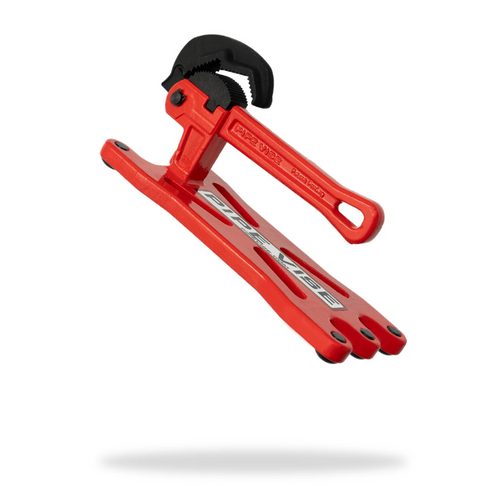
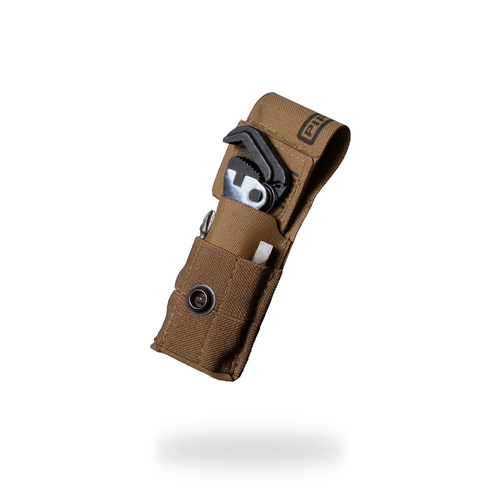
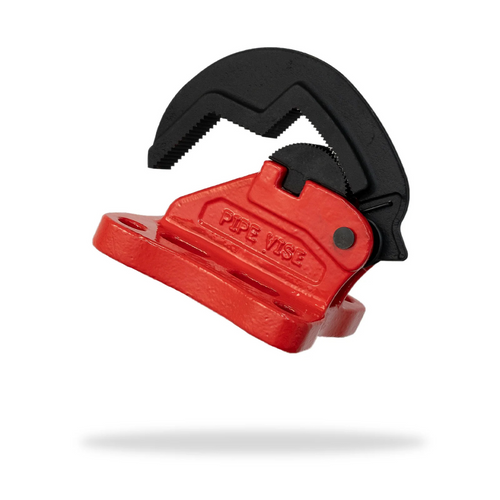
  • Pipe and adjustable wrenches: General mechanical fastening for condensate line fittings, gas line connections, and mechanical assembly work across residential and commercial equipment.
  • Wire strippers, crimpers, and electrical hand tools: Used for control wiring, thermostat hookups, and low-voltage electrical connections — not for line-voltage electrical work, which requires licensed work in most jurisdictions.
  • Leak detection tools and accessories: Handheld electronic leak detectors, UV light accessories, and related hand tools for locating refrigerant leaks in coils, line sets, and fittings.

The range here covers the tools a service tech reaches for on most residential and light commercial calls, as well as specialty pieces that a homeowner might only need once but genuinely cannot do the job without.

What to Check Before You Use the Tool on the Job

Even the right tool can cause problems if the site conditions aren't matched to what the tool requires. A few things worth verifying before the tool meets the job:

For gauges and hose sets, look up the maximum working pressure rating and compare it against the operating pressures of the refrigerant system you're servicing. High-pressure refrigerants can exceed the ratings of older gauge sets designed for R-22 or similar legacy refrigerants — check the rating stamped on the gauge face or listed in the tool's documentation before connecting to any system.

For tube cutters and flaring tools, measure the actual outside diameter of the tubing on site rather than assuming it matches the nominal pipe size on the spec sheet. Tubing sold under the same nominal size can vary slightly by standard or country of origin, and a cutter or flaring block that's even slightly mismatched will leave a compromised joint.

Electrical hand tools — wire strippers, crimpers — should be rated for the wire gauge you're actually working with. A stripper set for 18 AWG control wire will nick or cut through 22 AWG, weakening the conductor and creating an intermittent connection. Look at the wire gauge printed on the wire jacket or spec sheet, then verify your tool is rated for that range.

For refrigerant-side tools being used on a system that's still under manufacturer warranty, ask the equipment manufacturer or distributor whether using a specific tool type or procedure affects warranty coverage. Some manufacturers specify vacuum levels, torque values, or approved tool types in their installation manuals — pulling the manual before the job is faster than discovering a warranty dispute afterward.

If access to service ports or mechanical fasteners is restricted by equipment placement — a tight mechanical room, a closet install, or rooftop equipment — work out the access geometry before the job, not during. A socket extension, a flex-head wrench, or a right-angle driver can save significant labor time when the standard tool can't reach.

Things You Should Know

Q: Do I need a different manifold gauge set for different refrigerants?

A: Yes. Pressure ranges, seal materials, and fitting sizes differ between refrigerant types, so a gauge set configured for one refrigerant can give inaccurate readings or fail on another. Check the system nameplate for the refrigerant type and match the gauge set to it — the compatibility and pressure-rating details are covered above.

Q: How do I know what size tube cutter to buy?

A: Match the cutter's rated outside-diameter range to the actual tubing you'll be cutting. Measure on site or pull it from the line set spec sheet rather than assuming the nominal size is exact — a cutter used outside its rated range won't seat squarely and leaves a deformed or burred end.

Q: Can I use the same flaring tool for copper and aluminum tubing?

A: Not always. Aluminum work-hardens differently than copper and can crack under flaring pressure if the tool isn't designed for it. Check the tool's specifications — it will state which materials it's rated for. The material compatibility point is also covered in the buying tips above.

Q: Are HVAC hand tools rated or certified in any way I should look for?

A: For refrigerant-side tools like gauges and hoses, look for UL listing or equivalent safety certification, and confirm the maximum working pressure rating exceeds what you'll encounter in service. For general hand tools, most professional-grade HVAC tools meet ASME or ANSI dimensional standards — check the product documentation if you're sourcing tools for a job that specifies approved tooling.

Q: What's the difference between a service wrench and a standard adjustable wrench for HVAC work?

A: HVAC service wrenches and valve keys are purpose-built for specific tasks like operating service valves, removing Schrader valve cores, and accessing ports in tight equipment cabinets where a standard wrench won't fit or seat properly. Standard adjustable wrenches are fine for general pipe and fitting work but won't substitute for service-specific tooling on refrigerant-side valves.

Q: How do I check for refrigerant leaks with a hand tool?

A: Handheld electronic leak detectors sense refrigerant concentration around fittings, coils, and line sets. UV dye injection followed by UV light inspection is a complementary method for slow leaks. Both approaches require a tool rated for the specific refrigerant in the system — the leak detection accessories in this category cover both methods.

Q: Can a homeowner use these tools, or are they just for licensed technicians?

A: Most hand tools here — tube cutters, wrenches, wire strippers, flaring tools — have no licensing restriction on purchase or use. Refrigerant handling is the key exception: purchasing, recovering, or adding refrigerant requires an EPA Section 608 certification in the United States. A homeowner can legally use manifold gauges to read pressures, but cannot legally purchase or handle refrigerants without certification. Check your local jurisdiction's requirements for any work that touches refrigerant or line-voltage electrical connections.

HVAC365 ships hand tools nationwide, which matters most when a service call uncovers a missing or broken tool and the job can't wait for a local supplier to open. Residential customers replacing a thermostat or tightening a fitting can order the same day and get back to the job; contractors who need to restock a van between calls or distributors filling tool orders for their own customers can pull from a broad selection without splitting an order across multiple sources.

Compare
Show: 12 24 48

Fast Shipping

Easy Returns

Warranty Coverage

Financing Available