
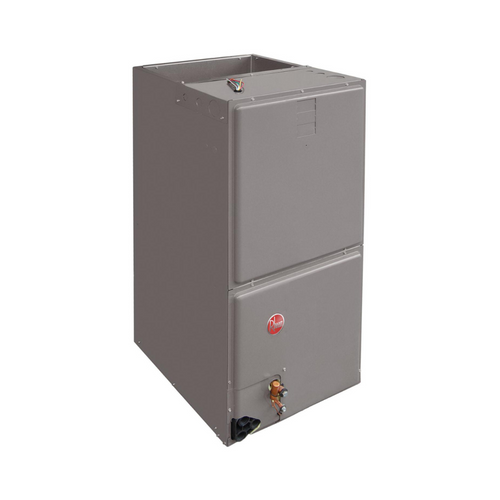






Description
The Rheem WH2TY Air Handler: What It Brings to Your Home Experience
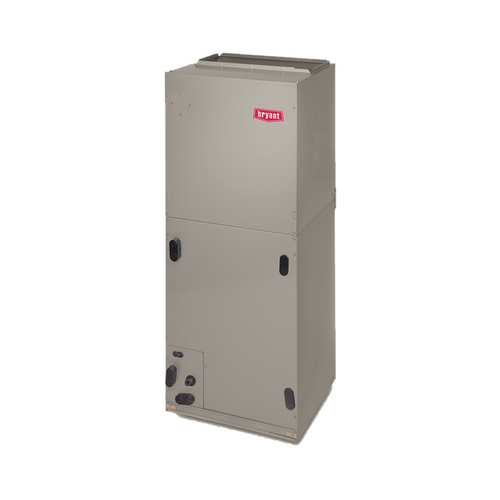
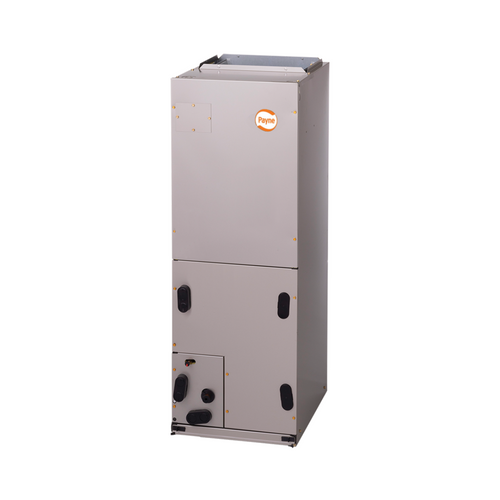
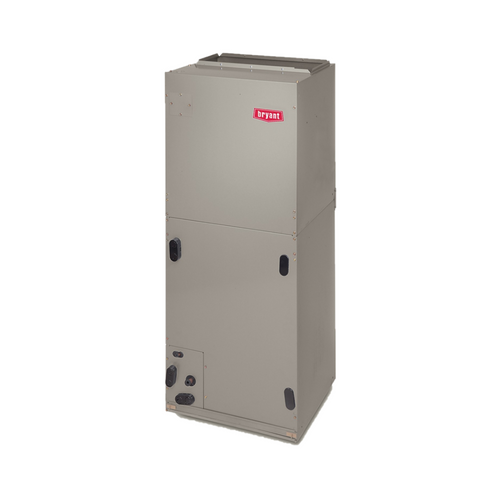
When you think about replacing or upgrading your heating and cooling system, the outdoor unit often grabs all the attention. Yet the indoor component — the air handler — plays a huge role in how comfortable your home actually feels. The Rheem WH2TY is built to deliver everyday benefits you’ll feel: smoother airflow, quieter performance, smarter adaptability, and future resilience. You won’t see many flashy marketing claims here — instead you’ll notice the difference in how your home works. This indoor unit is meant to fade into the background, quietly doing its job. Over time, the things it does well will be the things you take for granted. Let’s walk through what makes the WH2TY special in a way any homeowner can relate to.
Installation Flexibility That Fits Your Home, Not the Other Way Around
Homes come in all shapes and quirks. Ducts snake through ceilings, closets are awkward, ceiling joists get in the way. Many indoor units force you to rework your home to fit the unit, instead of the unit fitting your home. The WH2TY changes that — it’s designed to work in multiple orientations so your installer has choices. Whether it’s upflow, downflow or horizontal configurations, you have options instead of compromises. That means less demolition, fewer custom transitions, and fewer “surprises” once the job starts. For you, the result is a cleaner install, less mess, and fewer last-minute trade-offs. The indoor unit adapts so your home doesn’t have to.
Quieter Operation That Lets You Forget It’s Running
One of the most noticeable improvements in any HVAC system is how quietly it runs. With the WH2TY, the design goal is simple: let it run, but let it recede. The cabinet includes insulation in critical places to muffle hums, resonance, and vibration. Joints and seams are sealed to reduce leakage and noise from escaping. In rooms where peace matters — bedrooms, home offices, living areas — you’ll hear less of the system. You might sense airflow, but it won’t dominate background noise. Over time, that quiet becomes one of the features you hardly think about — until you compare it with systems that are louder. That subtle reliability is a difference you’ll carry with you daily.
Balanced Comfort Across Your Home — No Rooms Left Behind
If you’ve ever walked from one room to another and felt a sudden shift — too warm here, too cold there — you know how jarring it is. The WH2TY helps reduce those ambient surprises. It adjusts airflow behavior so rooms don’t overshoot or lag. When demand is light, it backs off; when areas heat up, it ramps as needed. The result? Smoother transitions, fewer thermostat wars, and less constant tweaking. You’ll notice fewer extremes of hot or cold, and the home will feel more cohesive. You may not “see” it in data — but you’ll feel it in everyday life. That’s where comfort becomes something you live with, not something you monitor.
Tomorrow-Ready Design That Doesn’t Become Obsolete Overnight
When you choose an indoor unit, you hope it lasts — not just in years, but relevance. The HVAC world is shifting: refrigerants, codes, efficiency standards — all evolving. The WH2TY is built with that evolution in mind. It supports newer refrigerants and includes monitoring features that help it adapt behind the scenes. That means if rules change or new tech emerges, your system is less likely to be held back by its indoor unit. Instead of scrambling to replace hidden parts, you have breathing room. That kind of forward thinking can mean fewer surprises, less premature replacement, and a system you can feel confident aging with. For homeowners who plan beyond the next few years, that matters.
Key Features
- Multi-positional / 4-way convertible design — adapts to upflow, downflow, or horizontal configurations
- Quiet cabinet construction with internal insulation to reduce noise
- Aluminum indoor coil design for enhanced corrosion resistance
- Very low internal leakage to preserve airflow integrity
- Integrated refrigerant detection and monitoring safeguards
- Compatibility with newer, lower-impact refrigerants
- Rugged, compact steel construction — built to fit tight mechanical spaces