null
Air Conditioner Components

Air Conditioner Components

Air Conditioner Components

Air conditioner components are the core parts used to build, replace, or repair a central HVAC split system. This category includes outdoor condensers, heat pump condensers, indoor air handlers, evaporator coils, and gas furnaces for residential and light commercial cooling and heating systems.

Outdoor Equipment

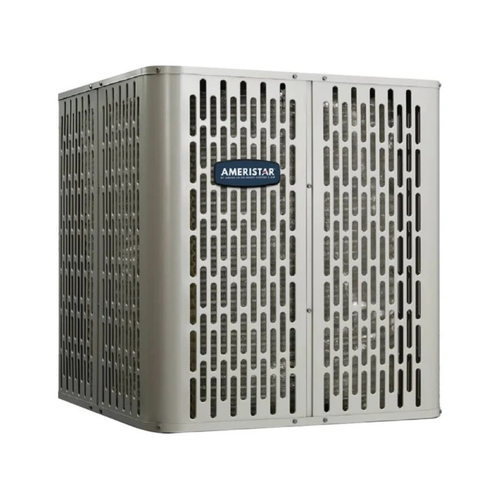
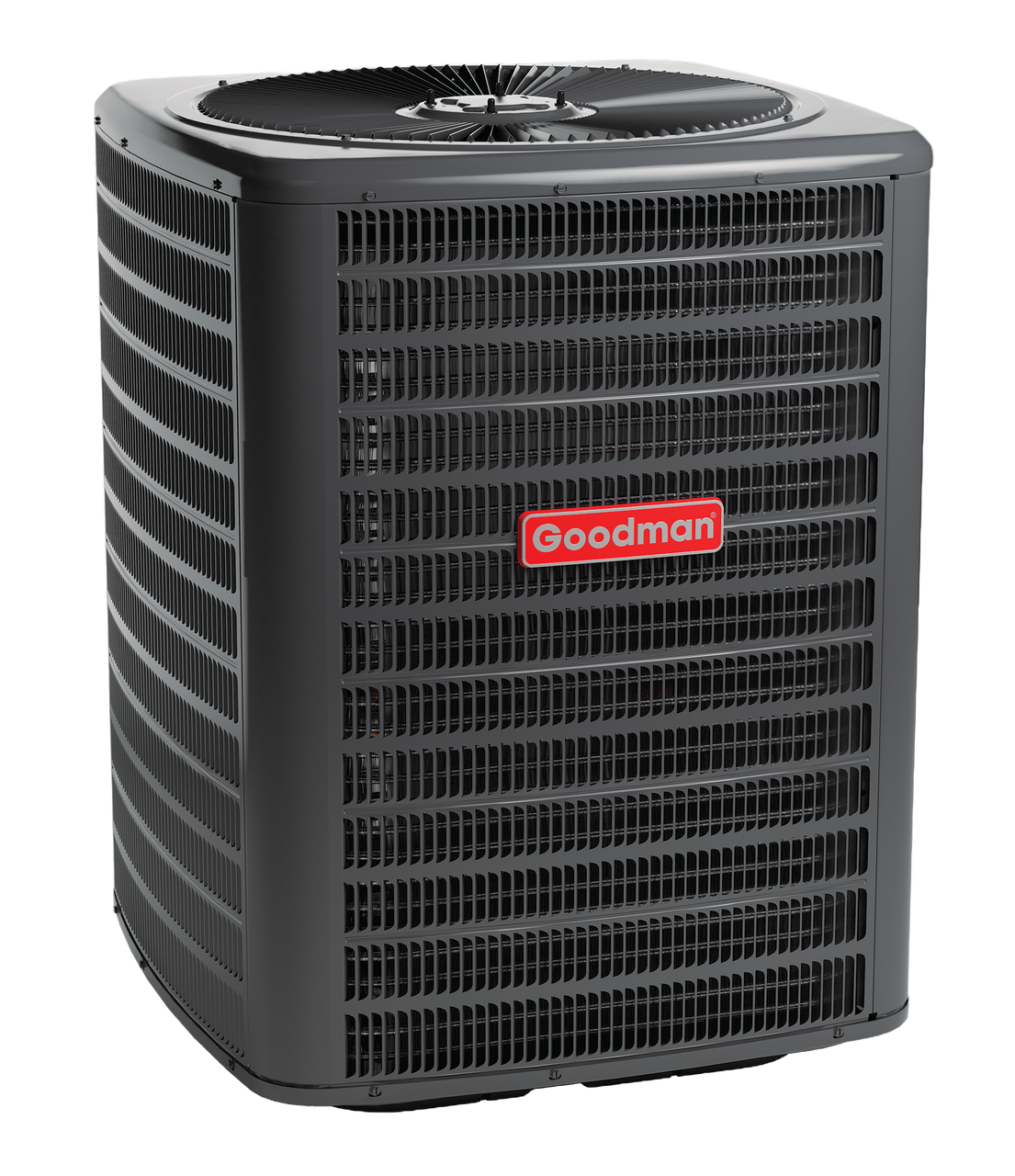
Choose from air conditioner condensers and heat pump condensers designed to pair with compatible indoor HVAC equipment.

Indoor Components

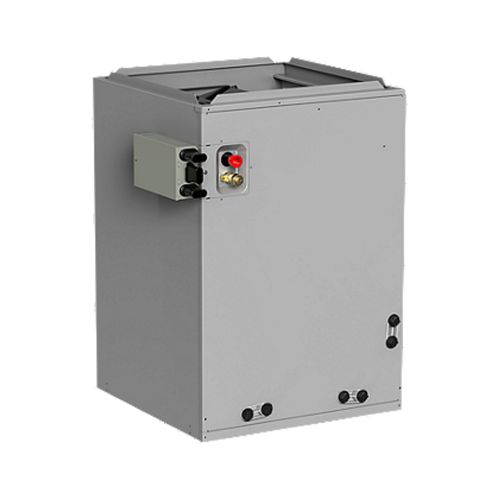
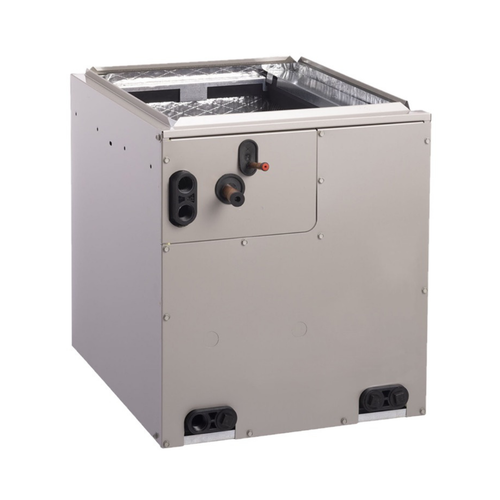
Shop air handlers and evaporator coils used to move air, transfer heat, and complete a central split system.

Heating Pairings

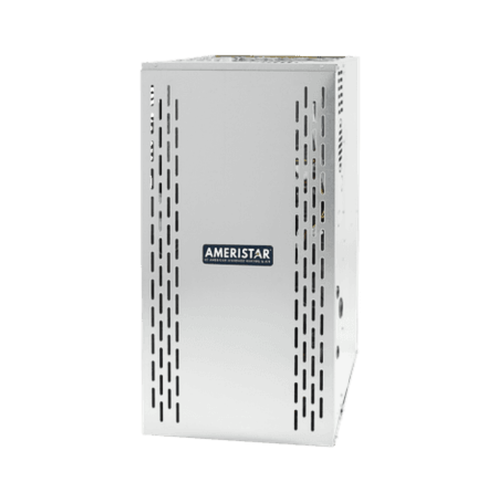
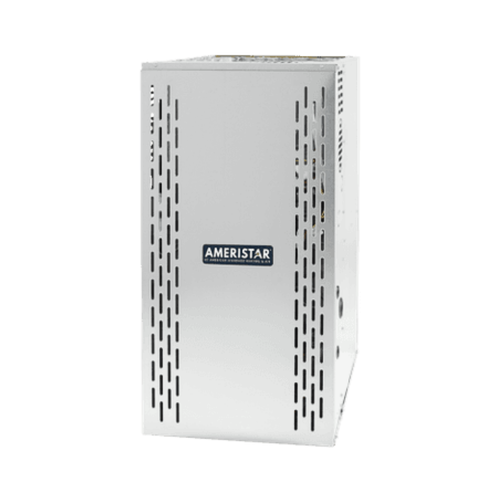
Gas furnaces can be matched with evaporator coils and condensers for complete forced-air heating and cooling.

How to Choose the Right Air Conditioner Component

  • Confirm the required system size, tonnage, or BTU capacity before selecting a replacement component.
  • Match the correct refrigerant type, such as R32, R454B, or the refrigerant required by the existing system.
  • Verify voltage, electrical phase, cabinet size, and installation orientation.
  • Check airflow requirements for air handlers, evaporator coils, and furnaces.
  • Make sure the condenser, coil, furnace, or air handler is part of a compatible matched HVAC system.
  • Review local code, installation requirements, and professional licensing needs before ordering.

What This Category Includes

This category covers individual HVAC components used in central air conditioner and heat pump systems. Shoppers commonly use this page when replacing a failed condenser, upgrading an indoor coil, matching an air handler to a heat pump, or pairing a gas furnace with a cooling system.

These parts are typically selected by system capacity, refrigerant type, airflow, electrical requirements, and approved equipment matchups. Choosing the correct component helps support proper comfort, efficiency, system reliability, and long-term HVAC performance.

Types of Air Conditioner Components

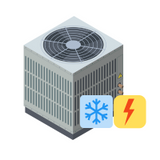
  • Air conditioner condensers: Outdoor cooling units that reject heat from the home or building and connect to a compatible indoor evaporator coil or air handler.
  • Heat pump condensers: Outdoor units that can provide cooling and heating when matched with the correct indoor coil, air handler, furnace, and controls.
  • Air handlers: Indoor blower units that circulate conditioned air through ductwork and are commonly used with split air conditioners and heat pumps.
  • Evaporator coils: Indoor coils that absorb heat from the air and must be properly matched to the condenser, refrigerant, airflow, and metering requirements.
  • Gas furnaces: Forced-air heating units that can be paired with evaporator coils and outdoor condensers for complete heating and cooling systems.
  • Matched system components: Equipment selected to work together based on capacity, refrigerant, airflow, cabinet size, and manufacturer specifications.

Compatibility Matters

HVAC components should not be chosen by size alone. A 2-ton, 3-ton, 4-ton, or 5-ton component still needs to match the rest of the system. Before purchasing, compare model numbers, refrigerant type, SEER2 or efficiency requirements, coil dimensions, furnace width, blower capacity, and installation configuration.

If you are replacing one part of an existing central HVAC system, confirm that the new component is compatible with the equipment already installed. In many cases, the outdoor condenser, indoor coil, furnace, air handler, thermostat, and refrigerant controls must work together as a matched system.

Can I replace only one air conditioner component?

Yes, but the replacement component must be compatible with the rest of the HVAC system. Always compare tonnage, refrigerant type, airflow, voltage, cabinet size, and approved equipment matches before ordering.

What is the difference between an air conditioner condenser and a heat pump condenser?

An air conditioner condenser provides cooling only. A heat pump condenser can provide both cooling and heating when paired with the correct indoor equipment and controls.

Do evaporator coils need to match the condenser?

Yes. Evaporator coils should be matched to the condenser for capacity, refrigerant, airflow, and metering requirements. A mismatched coil can reduce comfort, efficiency, and equipment performance.

How do I know what size HVAC component I need?

HVAC component size is usually based on system capacity, load requirements, ductwork, airflow, and the equipment already installed. Do not choose a replacement part by square footage alone. A licensed HVAC professional can confirm the correct tonnage, BTU rating, and compatible equipment match.

Can a gas furnace be used with an air conditioner?

Yes. Many central HVAC systems use a gas furnace for heating and an evaporator coil with an outdoor condenser for cooling. The furnace, coil, condenser, and blower must be properly matched for airflow, cabinet width, and system capacity.

Who should install central HVAC components?

Central HVAC components should be installed by a licensed HVAC professional because installation may involve refrigerant handling, electrical work, condensate drainage, ductwork changes, gas connections, and startup testing.

Need help matching equipment? Contact HVAC365 before ordering so the condenser, air handler, coil, furnace, or heat pump component is selected for the correct application.
Compare
Show: 12 24 48

Fast Shipping

Easy Returns

Warranty Coverage

Financing Available