null

Installation Supplies

The big-ticket parts get all the attention, but a job is not finished until the line set is strapped, the drain is trapped, the fuses are the right size, and the unit is anchored where it belongs. Installation supplies are the small items that make an install pass inspection, run quietly, and stay trouble-free for years. Leave them out and you get sagging line sets, water on a ceiling, nuisance fuse blows, or a condenser that walks across its pad.

This category gathers the consumables and hardware that HVAC and refrigeration techs reach for on every job: hanging and support straps, fitting brushes for brazing and soldering prep, cartridge and control fuses, hose clamps, condensate traps, mounting hardware, and silicone tubing. Most of it is Supco stock, packaged for the truck and the parts shelf.

Contractors use these supplies on new installs and change-outs, maintenance staff use them on rooftop and walk-in service, and capable homeowners pick up a replacement fuse, a hose clamp, or a fresh section of drain tubing. The shared goal is a clean, code-minded install that does not generate a callback.

How These Supplies Work on the Job

  • Straps and hangers support refrigerant line sets, condensate piping, flex duct, and conduit. Proper support keeps lines from sagging, rubbing, or transmitting vibration into the structure.
  • Fitting brushes clean the inside of copper fittings (and the outside of tubing, with matching tube brushes) before brazing or soldering. Clean, bright copper is what lets filler metal flow and bond.
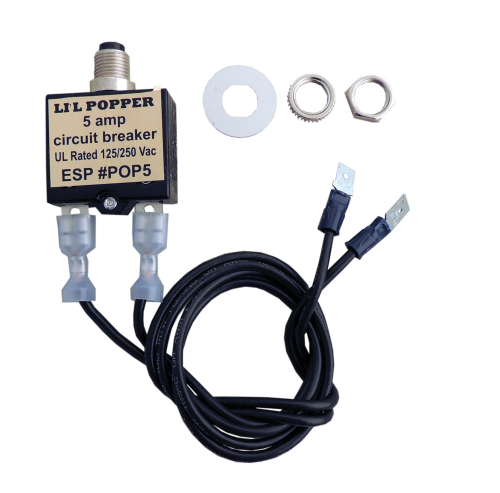
  • Fuses protect circuits from overcurrent. In HVAC you will see cartridge fuses in disconnects, and small glass or ceramic fuses protecting the 24V control circuit on furnace and air handler boards.
  • Hose clamps secure flexible hose and tubing to fittings on drain lines, washer and dishwasher hoses, and other low-pressure connections.
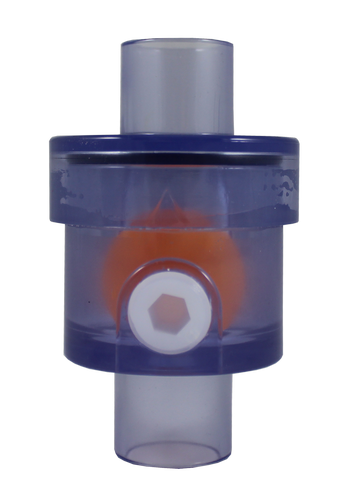
  • Condensate traps create a water seal in the drain line so the blower does not pull air back through the drain. Without that seal, a negative-pressure air handler can hold water in the pan until it overflows.
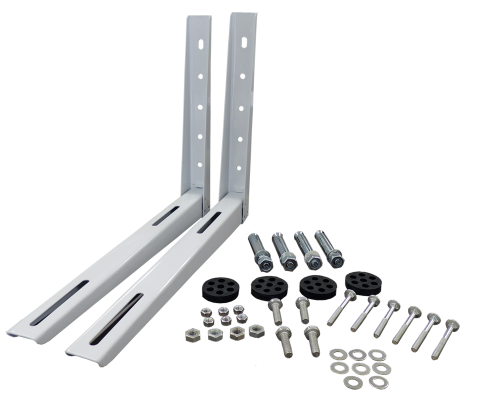
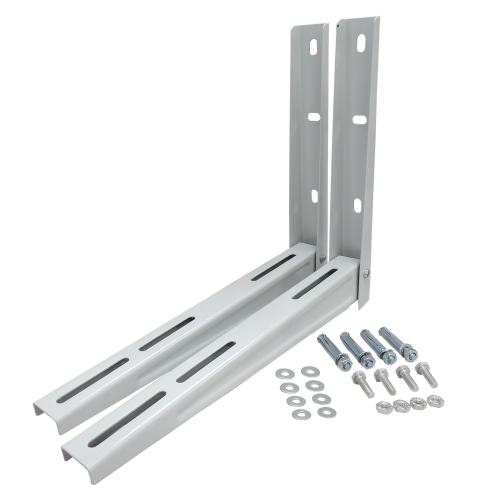
  • Mounting hardware includes brackets, anchors, and fasteners for securing equipment, controls, and accessories.
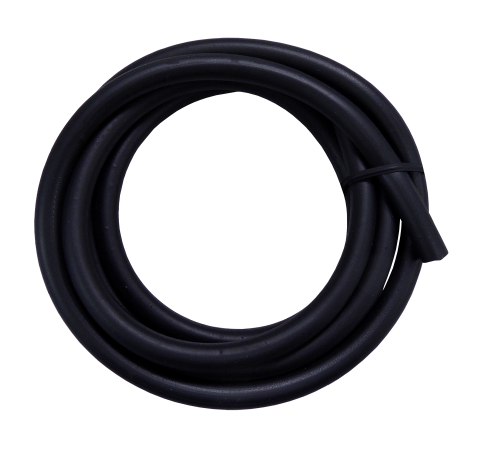
  • Silicone tubing is flexible, heat-resistant, and handy for small condensate runs, pressure switch connections, and sensing lines.

Signs It's Time to Replace or Upgrade

Many of these items are bought new for an install, but plenty of service calls trace back to worn-out supplies:

  • Sagging or rubbing line sets where straps have broken, rusted, or were never installed. Rubbing copper eventually wears through and leaks.
  • Water in the secondary pan, a tripped float switch, or a stained ceiling. A missing, cracked, or clogged trap is a common cause, along with algae and debris in the drain line.
  • A dead thermostat and no 24V at the board. Check the low-voltage fuse. A blown control fuse is a symptom, not a fix; something on the 24V circuit shorted, often a pinched thermostat wire or a shorted contactor coil.
  • Repeated cartridge fuse failure in the disconnect. This can point to a failing compressor, a shorted fan motor, a bad capacitor, or an incorrectly sized fuse.
  • Weeping hose connections or clamps that have rusted through.
  • Hardened, cracked, or kinked tubing on pressure switch lines, which can cause furnace lockouts and venting faults.
  • Bad brazed joints on past jobs. If leaks keep appearing at fittings, look at prep. Dirty copper is a leading cause of porous or cold joints.

How to Choose the Right Supplies

Fuses: match the type and rating exactly

Replace a fuse with the same amperage, voltage rating, physical size, and type (time-delay versus fast-acting) the equipment calls for. Condenser and heat pump nameplates list the maximum overcurrent protection; never exceed it. On furnace and air handler control boards, the fuse rating is usually printed on the board next to the fuse holder. Never install a larger fuse to stop nuisance blows. Find the short.

Straps and supports

Choose strap material and width for the load and environment. Metal strap is stronger for heavier runs; plastic or cushioned strap protects copper from galvanic contact and vibration. Support spacing depends on pipe size, material, and local code, so follow the code and the equipment manufacturer.

Fitting brushes

Match the brush to the tube size. Fitting brushes are sized by the nominal outside diameter of the tubing (for example 3/8 in., 1/2 in., 5/8 in., 7/8 in.). A brush that is too small will not clean the full fitting wall.

Condensate traps

Match the trap to the drain connection size, typically 3/4 in. on residential equipment, and to the air handler's pressure. Negative-pressure (draw-through) units need a trap deep enough to hold a seal against blower suction. Check the equipment installation manual for trap depth requirements.

Hose clamps and tubing

Size clamps to the hose outside diameter, and choose stainless steel for wet or outdoor locations. For tubing, match the inside diameter to the fitting barb, and confirm the temperature rating for the location.

Supply Main job Size or rating to match Common mistake
Cartridge fuse Protects condenser circuit at disconnect Amps, voltage, time-delay, body size Oversizing to stop nuisance blows
Control circuit fuse Protects 24V transformer and board Rating printed on board Replacing without finding the short
Fitting brush Cleans copper before brazing Nominal tube OD Using one brush for every size
Condensate trap Seals drain against blower pressure Drain size and trap depth No trap on a draw-through unit
Hose clamp Secures hose to fitting Hose OD range Plain steel in a wet location
Line set strap Supports and isolates piping Pipe size and load Spacing too far apart
Silicone tubing Sensing and small drain lines Inside diameter and temp Kinks on tight bends

Installation and Safety Tips

  • De-energize before touching fuses. Open the disconnect or breaker and verify zero voltage with a tested meter. Use a fuse puller, not your fingers or a screwdriver.
  • Test, do not guess. Check fuses for continuity with power off. A fuse that looks fine can still be open.
  • Brush every joint. Clean the fitting socket and tube end until the copper is bright, wipe away debris, and keep grit out of the system. Then flow nitrogen while brazing to prevent internal scale.
  • Brazing and refrigerant work need the right credentials. Any work that opens a refrigerant circuit requires EPA 608 certification. Leave it to a certified technician.
  • Prime the trap. Fill a new condensate trap with water before start-up so it seals immediately. Slope drain lines toward the drain and provide a cleanout so the line can be flushed.
  • Isolate copper from dissimilar metals. Use cushioned or plastic straps where copper contacts galvanized steel to avoid corrosion and noise.
  • Do not overtighten clamps. Snug is enough on soft hose. Overtightening cuts the hose and causes leaks.
  • Anchor outdoor equipment properly. Use mounting hardware rated for the unit's weight and your local wind and seismic requirements.

Part Details & Shipping

Supco has supplied the HVAC, refrigeration, and appliance trade with replacement parts and shop supplies since 1945. HVAC365 lists the sizes and ratings on each product page, with spec sheets where available, so you can match a fuse or brush size without guessing. These supplies ship in 3-5 business days, so you can keep your install kit stocked between jobs.

Frequently Asked Questions

Why does my furnace keep blowing the 3A or 5A board fuse?

The fuse is doing its job. Something on the 24V circuit is shorting, most often thermostat wire pinched or chewed in a wall or outdoors, a shorted contactor coil, or a damaged accessory like a humidifier or zoning panel. Isolate each circuit until you find the short before replacing the fuse again.

Can I use a fast-acting fuse instead of a time-delay fuse?

Not in a motor or compressor circuit that calls for time-delay. Motors draw high inrush current at start, and a fast-acting fuse may blow every time the unit starts. Always use the fuse type the equipment specifies.

Does every air handler need a condensate trap?

Most manufacturers require one, especially on draw-through units where the drain pan sits under negative pressure. Check the installation manual; it specifies whether a trap is required and how deep it must be.

How often should line sets be supported?

Spacing depends on the tube size, the material, and local code. Follow your local mechanical code and the equipment manufacturer's instructions, and add support near bends and at equipment connections.

Why clean copper with a fitting brush if I am using flux?

Flux is not a cleaner. It protects clean metal from oxidizing during heating. Oil, oxide, and dirt left on the copper keep filler metal from wetting the joint and cause leaks.

Can silicone tubing be used for a furnace pressure switch?

Silicone tubing is widely used for pressure switch and sensing lines because it stays flexible and resists heat. Match the inside diameter to the switch and inducer ports, avoid kinks, and route it so condensate cannot pool in a low spot.

Compare
Show: 12 24 48

Fast Shipping

Easy Returns

Warranty Coverage

Financing Available