
-
$0.58
- 📦$9.95 Flat-Rate Shipping
- ⚡Fast Shipping
Ships from Mfg. in 3-5 Business Days10 in stock -
$0.87
- 📦$9.95 Flat-Rate Shipping
- ⚡Fast Shipping
Ships from Mfg. in 3-5 Business Days10 in stock -
C&D Valve
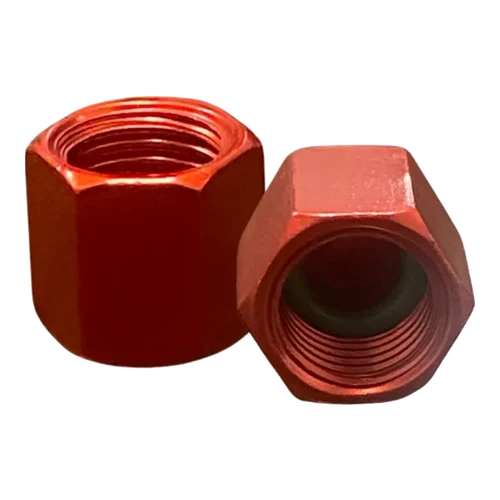
C&D Valve 1/4" Flare A2L Red Anodized Aluminum Hex Cap with O-Ring Seal - 6 Pack | CD2235R/6
SKU: CD2235R/6
$4.79- 📦$9.95 Flat-Rate Shipping
- ⚡Fast Shipping
Ships in 1-2 Business Days10 in stock -
$1.07
- 📦$9.95 Flat-Rate Shipping
- ⚡Fast Shipping
Ships from Mfg. in 3-5 Business Days10 in stock -
$1.13
- 📦$9.95 Flat-Rate Shipping
- ⚡Fast Shipping
Ships from Mfg. in 3-5 Business Days10 in stock -
C&D Valve
C&D Valve 1/4" Flare A2L Red Anodized Aluminum Hex Cap with O-Ring Seal - 10 Pack | CD2235R/10
SKU: CD2235R/10
$7.88- 📦$9.95 Flat-Rate Shipping
- ⚡Fast Shipping
Ships in 1-2 Business Days10 in stock -
$1.47
- 📦$9.95 Flat-Rate Shipping
- ⚡Fast Shipping
Ships from Mfg. in 3-5 Business Days10 in stock -
$1.60
- 📦$9.95 Flat-Rate Shipping
- ⚡Fast Shipping
Ships from Mfg. in 3-5 Business Days10 in stock -
$10.96
- 📦$9.95 Flat-Rate Shipping
- ⚡Fast Shipping
Ships in 1-2 Business Days92 in stock -
$1.87
- 📦$9.95 Flat-Rate Shipping
- ⚡Fast Shipping
Ships from Mfg. in 3-5 Business Days10 in stock -
$2.18
- 📦$9.95 Flat-Rate Shipping
- ⚡Fast Shipping
Ships from Mfg. in 3-5 Business Days10 in stock -
C&D Valve
C&D Valve 1/4" Flare A2L Red Anodized Refrigerant Locking Cap - Single | CD2290R/S
SKU: CD2290R/S
$17.04- 📦$9.95 Flat-Rate Shipping
- ⚡Fast Shipping
Ships in 1-2 Business Days246 in stock
Buying guidance
Refrigeration Parts & Accessories






When a refrigerator, freezer, walk-in cooler or ice machine stops working, the fix is often a single part. A failed fan motor, a stuck valve, a bad temperature control or a cracked drain pan can make a whole unit look dead even though the compressor and coils are fine. This category is built for business owners, facility managers, property managers and technicians who need to find the right replacement part for refrigeration equipment and get it shipped quickly. It brings together controls, valves, sensors, motors, electrical components, ice machine parts and OEM replacement parts from brands including Danfoss, Heatcraft, Bohn, Larkin, Kramer, Copeland, Manitowoc and Supco.
Finding the Right Part for Your Equipment
The fastest way to the correct part is the part number. Most refrigeration parts have a number printed on a label, stamped into the body or listed on the equipment's parts diagram. Search that number on our site, and if the original has been superseded, the listing for the newer part will often name the number it replaces.
If the part number is missing, start with the equipment's nameplate. It lists the manufacturer, model number and serial number, plus the refrigerant and electrical ratings. With those details, a technician or our support team can usually identify the correct part from the manufacturer's literature.
- Photograph the nameplate on the condensing unit, evaporator, ice machine or cabinet before you call or order.
- Photograph the old part from several angles, including any labels and connections.
- Note the refrigerant listed on the nameplate, since valves and controls are rated for specific refrigerants.
- Note the voltage for motors, controls and electrical parts.
Common Problems and the Parts Behind Them
Cooler or freezer not cold enough
A unit that runs but will not reach temperature may have a dirty condenser coil, a failed condenser or evaporator fan motor, an iced evaporator from a defrost problem, a restricted expansion valve, or a low refrigerant charge from a leak. Fan motors, defrost controls, expansion valves and temperature controls are the parts most often replaced to fix this symptom.
Unit not running at all
If nothing runs, check power and breakers first. After that, a failed temperature control, pressure control, contactor, relay or start component can stop the compressor. Electronic controllers can also fail or lose their settings after a power surge.
Ice building up on the coil
Ice on the evaporator usually points to the defrost system: a defrost heater, a termination sensor, a defrost timer or the controller's defrost settings. Door gaskets that do not seal let in humid air that turns to frost quickly.
Water on the floor
Leaks under an evaporator usually come from a plugged or frozen drain line, a cracked drain pan, or a failed drain line heater on a freezer. Condensate pumps and replacement drain pans solve many of these issues.
Compressor short cycling or tripping
A compressor that starts and stops rapidly may be reacting to a pressure control set incorrectly, a low charge, a dirty condenser or an electrical problem. Pressure controls, overloads, relays and capacitors are common replacements, but the root cause should be diagnosed first.
Part Types You Will Find Here
- Pressure and temperature controls that turn compressors, fans, heaters and alarms on and off at the right setpoints.
- Sensors and pressure transmitters that feed electronic controllers accurate readings.
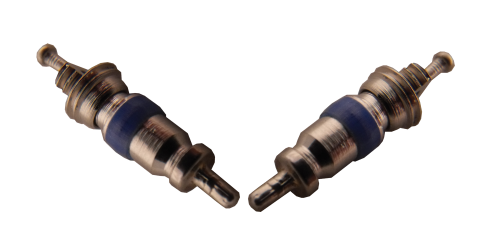
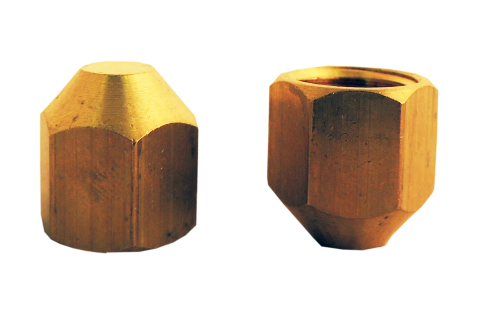
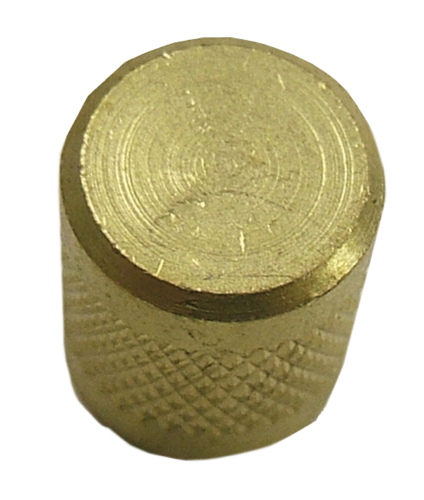
- Valves and fittings, including electronic and thermostatic expansion valves, regulating valves, access fittings and locking caps.
- Electronic controllers and modules for display cases, walk-ins and supermarket systems.
- Motors, relays, overloads and capacitors for fans and compressors.
- Heaters and defrost components that keep coils and drains clear of ice.
- Ice machine components, evaporator assemblies and other OEM parts.
- Drain pans, condensate pumps and capillary tubing for water management and metering.
OEM Versus Universal Parts
OEM parts are made or specified by the equipment manufacturer and fit the original application exactly, which is the safest choice for electronic boards, evaporator assemblies and model-specific components. Universal parts, such as many motors, capacitors, relays and controls, are designed to cover a range of applications and can be a faster, lower cost option when they match the original ratings. Each listing states what the part is designed for so you can make the right call.
Ice Machine Parts
Commercial ice machines combine refrigeration and water systems, so their failures fall into two groups. On the refrigeration side, the usual suspects are condenser fan motors, hot gas valves, expansion valves, sensors and the evaporator assembly where ice actually forms. On the water side, water pumps, inlet valves, float switches, curtains and distribution tubes wear out or scale up over time. Hard water speeds up that wear, which is why regular cleaning and a good water filter extend the life of every part in the machine.
Ice machine parts are often specific to the machine model and series, so the model and serial number from the data plate are especially important. Evaporator assemblies in particular are matched to the exact machine and are a significant repair, so confirm the diagnosis before ordering.
Understanding the Refrigerant on Your Nameplate
Every refrigeration unit lists its refrigerant on the nameplate. Older equipment often uses R-404A, R-134a or R-22, while newer equipment uses lower global warming potential refrigerants such as R-448A, R-449A, R-454C, R-290 propane or CO2 (R-744). The refrigerant matters when ordering valves, pressure controls, pressure transmitters and compressor parts, because pressures and temperatures differ from one refrigerant to the next.
R-290 and other A3 refrigerants are flammable, and A2L refrigerants such as R-454C are mildly flammable, so equipment that uses them has specific service requirements and may require spark-free or rated replacement components. If your equipment uses one of these refrigerants, make sure the replacement part is approved for it and that the technician is trained for that refrigerant class.
If you are unsure what refrigerant your system uses, the nameplate on the condensing unit or the self-contained cabinet will tell you. Include it when you contact support so we can confirm the part is compatible before it ships.
Who Should Install Refrigeration Parts
Some parts, like locking caps or a plug-in sensor, are simple to swap. Anything that opens the refrigerant circuit, such as a valve, a compressor component or a coil, must be installed by a technician with EPA Section 608 certification. Electrical parts should be installed with power disconnected and locked out, and controls should be set and tested by someone familiar with the equipment. If you are a business owner, ordering the part ahead of the service visit can shorten downtime considerably.
Preventive Maintenance That Saves Parts
- Clean condenser coils every few months, more often in kitchens with grease or dusty locations.
- Check door gaskets and closers so warm, humid air stays out.
- Keep evaporator fans and drain lines clear, and make sure the drain heater works on freezers.
- Watch the temperature display and alarms, and have small changes checked before they turn into failures.
- Schedule a professional inspection at least once a year to check pressures, controls and defrost.
Frequently Asked Questions
How do I know which part I need?
Use the part number from the old part or the equipment's parts list. If you only have the model and serial number from the nameplate, a technician or our support team can help identify it.
Can I use a part from a different brand?
For many controls, motors and electrical parts, yes, as long as the ratings match. For model-specific OEM parts, such as electronic boards and coils, use the original part.
How quickly do parts ship?
Each listing shows stock and the expected shipping time. Many in-stock parts ship within a few business days.
Is it worth repairing older equipment?
Usually, if the cabinet, coils and compressor are in good condition. A control, motor or valve costs a fraction of new equipment. If the compressor has failed on an older unit that uses a phased-out refrigerant, compare the repair cost with a new, more efficient unit before deciding.
Can I order a part before the technician arrives?
Yes, and it often saves a second trip. Share the part number or the nameplate details with your technician so the part on hand matches the diagnosis.


