null

Universal Appliance Parts

Not every appliance repair calls for a model-specific OEM part. Some of the most common fixes involve components that are standardized across brands: a knob that slips on its shaft, a burned-out appliance bulb, a damaged power cord, a switch rated for a common load, or a temperature sensor used on several platforms. Universal and multi-brand parts cover those repairs, and they let techs carry fewer SKUs on the truck while still fixing more appliances on the first visit.

This category covers Supco universal and multi-fit appliance parts, including switches, control knobs, appliance bulbs, power cords, sensors and multi-brand replacement components that fit a range of manufacturers. They're popular with appliance service techs, property maintenance teams and homeowners who need a reliable part without waiting on a dealer order.

"Universal" doesn't mean every part fits every appliance. A universal part is designed to work across a defined range of models, with specific ratings, shaft types or connector styles. Matching those specs is the key to a safe, reliable repair.

How Universal Appliance Parts Work

Universal parts are engineered around common industry dimensions and ratings rather than one manufacturer's design. A universal range knob may include adapters to fit D-shaped and other common shaft styles. A universal appliance bulb uses a standard base and wattage rating that matches many refrigerators, ovens and range hoods. A universal power cord uses a standard plug configuration and ampacity rating with ring or spade terminals that attach to most terminal blocks.

Multi-brand parts are slightly different. They're designed to replace a specific OEM part that was used across several brands, often because those brands share a manufacturer or platform. For example, many Whirlpool, Kenmore, Maytag and KitchenAid appliances share components. A multi-brand part fits all of those models because the OEM part was the same.

For a service tech, universal parts solve a stocking problem. No truck can carry an OEM knob, switch and cord for every model on the route, but a handful of universal knobs, a few common switches, appliance bulbs and a set of 120V and 240V cords cover a surprising share of calls. For property managers running mixed-brand apartment portfolios, the same logic applies to the maintenance shop shelf. The tradeoff is that the installer has to confirm the ratings, rather than relying on a part number match.

Signs It's Time to Replace

  • Knobs: Cracked, slipping on the shaft, faded markings, or missing.
  • Bulbs: No light when the door opens, flickering, or a darkened glass envelope.
  • Power cords: Frayed insulation, cracked plug, burned or discolored terminals, or a cord that has been pinched behind the appliance.
  • Switches: Intermittent operation, no continuity when actuated, a burning smell, or a switch that feels loose or sticky.
  • Sensors: Readings out of range, error codes pointing to a sensor, or erratic temperature control. Confirm with a resistance test against the manufacturer's chart before replacing.

Test before you buy. Many "bad switch" calls turn out to be a loose wire or a corroded connector, and many "bad sensor" codes are caused by a damaged harness. A few minutes with a multimeter, checking continuity on switches and resistance on sensors at a known temperature, prevents ordering parts the appliance doesn't need. Most appliance service manuals and tech sheets, often tucked behind a kick plate or inside a control panel, include sensor resistance charts and wiring diagrams.

How to Choose the Right Universal Part

Treat a universal part like any other replacement: match the specs. Supco product pages list the ratings, dimensions and, where applicable, the OEM numbers each part replaces.

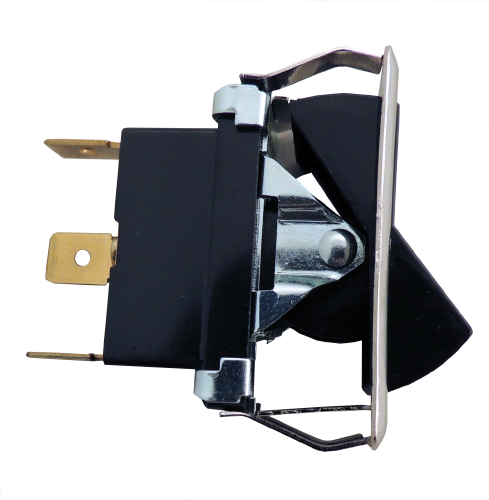
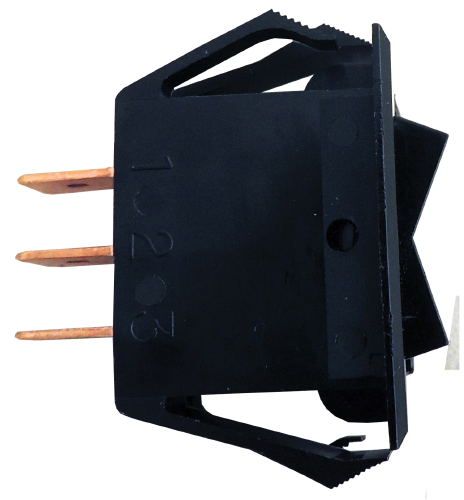
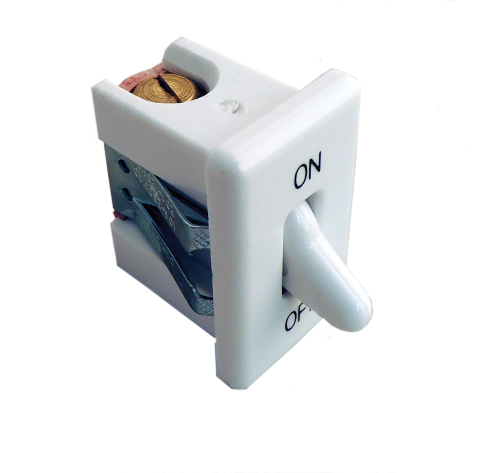
  • Switches: Match the switch type (momentary, toggle, rocker, door switch, push-button), contact configuration (normally open, normally closed, SPST, SPDT), voltage and amperage rating, and mounting. Never use a switch rated below the load it controls.
  • Knobs: Match the shaft shape (D-shaft, flat, round with set screw) and the shaft diameter and length. Check whether the knob uses a spring clip or adapter.
  • Bulbs: Match base type (often a standard appliance base), wattage and voltage. Oven bulbs must be rated for oven temperatures; a standard bulb will fail and can break.
  • Power cords: Match the plug configuration, wire gauge, amp rating, number of conductors, length and terminal ends. Dryers and ranges use different cords than 120V appliances.
  • Sensors: Thermistors and temperature sensors are defined by resistance curve. A sensor that looks similar but has a different curve will cause incorrect temperature control.
  • Multi-brand parts: Check the OEM cross-reference list to confirm your part number is covered.
Part TypeKey Specs to MatchCommon Mistakes
SwitchType, contacts, voltage, amperage, mountingUnderrated amperage; wrong NO/NC configuration
Control knobShaft shape, diameter, length, clip styleWrong shaft style causes slipping
Appliance bulbBase type, wattage, voltage, heat ratingStandard bulb used in an oven
Power cordPlug type, gauge, amp rating, conductors, terminals3-wire vs. 4-wire mismatch on 240V appliances
Sensor / thermistorResistance curve, probe style, connectorSimilar-looking sensor with wrong resistance
Multi-brand partOEM cross-reference numberAssuming fit without checking the cross-reference

Installation and Safety Tips

  • Disconnect power first. Unplug the appliance or shut off the breaker before replacing any switch, cord, sensor or bulb.
  • Shut off gas and water where they apply. If you're working on a gas appliance, close the gas shutoff valve. If the repair involves a water-connected appliance, shut off the water supply. Gas-side repairs should be performed by a qualified technician.
  • Match ratings, never downgrade. A switch, cord or bulb rated below the appliance's load will overheat.
  • Photograph wiring before removing a switch or sensor, so connections can be restored exactly.
  • Use proper terminals and strain relief when installing a power cord, and torque terminal screws firmly. Loose cord connections are a common cause of burned terminal blocks.
  • Follow the appliance manufacturer's instructions for 240V cords, including the neutral-to-ground bonding strap on 3-wire vs. 4-wire installations.
  • Handle bulbs carefully. Let a hot oven bulb cool fully before removal, and replace any protective glass cover.
  • Test before and after. Use a meter to confirm the old part has failed and the new part functions correctly.

Part Details & Shipping

Supco has been making replacement parts since 1945, with universal components designed around industry-standard ratings and dimensions. HVAC365 product pages list specs and, where applicable, OEM cross-reference numbers so you can confirm the right fit. Parts in this category ship in 3-5 business days.

Frequently Asked Questions

Are universal parts as good as OEM parts?

When the ratings and dimensions match the application, a quality universal part performs the same job. The key is matching specs: voltage, amperage, shaft style, base type or resistance curve, depending on the part.

How do I know if a universal knob will fit my range?

Check the shaft shape and diameter on your appliance and compare them to the knob's listed fit and included adapters.

Can I use a regular light bulb in my oven?

No. Oven bulbs are rated for high temperatures. A standard household bulb can fail quickly and may break inside the oven.

What is a multi-brand part?

It's a replacement for an OEM part that was used across several brands, often because the brands share a manufacturer. Confirm fit by checking the OEM cross-reference list on the product page.

How do I replace a damaged appliance power cord?

Unplug the appliance, note how the old cord is connected, and install a cord with the same plug type, gauge, amp rating and conductor count. On 240V appliances, follow the manufacturer's instructions for 3-wire or 4-wire configuration. If you're unsure, have a qualified technician install it.

Can a universal switch replace a door switch on any appliance?

Only if it matches the original's contact configuration, rating, actuator and mounting. Door switches often serve as safety interlocks, so a mismatch can let an appliance run when it shouldn't. If the switch is an interlock on a microwave, washer or dryer, use the exact part listed for the model.

Why does a sensor need to match a specific resistance curve?

The appliance control reads temperature by measuring the sensor's resistance. A sensor with a different curve gives false readings, which can cause the appliance to overheat or underperform.

Compare

Fast Shipping

Easy Returns

Warranty Coverage

Financing Available