null

Thermostat Guards

A thermostat on an open wall is an invitation. In offices, classrooms, rental units, retail stores, gyms, churches and warehouses, people adjust it, bump it, pull it off the wall or set it to 62 degrees and leave it there. The result is higher utility bills, equipment that runs nonstop, comfort complaints and service calls that turn out to be nothing more than someone changing the setpoint. A thermostat guard puts a locked, ventilated cover over the thermostat so it can still sense room temperature accurately while only authorized people can change settings.

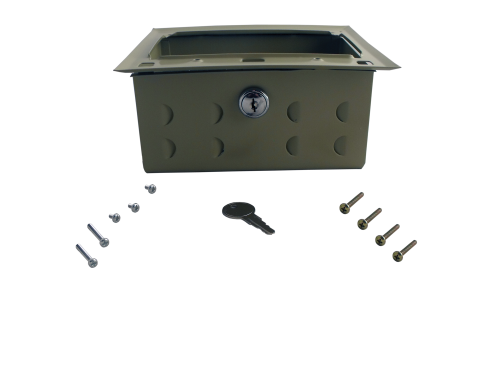
This category carries Supco thermostat guards: clear locking covers, universal guards that fit a wide range of thermostat sizes, and lock boxes for heavier-duty protection. Property managers, facility maintenance teams, school districts and HVAC contractors who maintain commercial accounts are the main buyers. Landlords use them in rental properties and short-term rentals, and homeowners use them to keep settings stable when other people have access to the house.

How Thermostat Guards Work

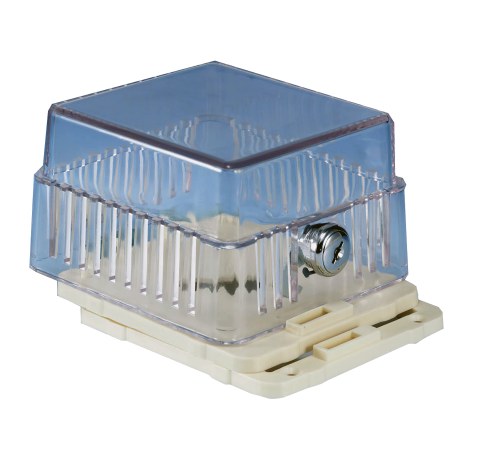
A thermostat guard has two main parts: a base that mounts to the wall around the thermostat and a cover that attaches to the base and locks with a key. The thermostat itself stays mounted on its own subbase or wall plate, exactly where it was. The guard simply encloses it.

The cover is designed with ventilation openings, usually slots or perforations, so room air can circulate around the thermostat's sensor. That matters. A thermostat measures air temperature at the wall, and a solid sealed box would trap heat from the thermostat's electronics and slow its response to room temperature changes. Ventilation keeps sensing close to what an open thermostat would read.

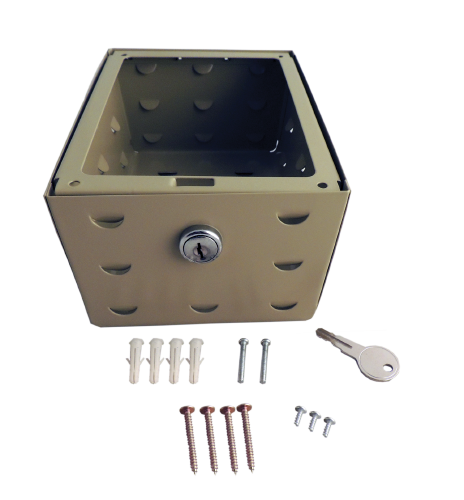
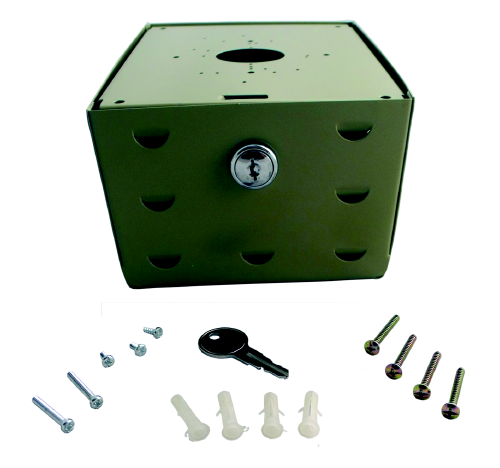
Clear covers, typically made from durable clear plastic, let occupants see the display and current temperature without being able to touch the controls. That reduces "is the heat on?" complaints, because people can see the system is working. Opaque or metal lock boxes give more physical protection in high-abuse locations such as gyms, warehouses, schools and public buildings, where a guard might get hit by a ball, a cart or a fist.

Universal guards are sized with enough interior room for a broad range of thermostat models. Some include adjustable or multiple mounting patterns so the base can fit over existing wall anchors or a standard electrical box.

When You Need a Thermostat Guard

  • Frequent setpoint changes. If energy bills or run-time data show the system is being pushed far beyond normal setpoints, a guard enforces the schedule.
  • Nuisance service calls. Calls for "no heat" or "no cooling" that turn out to be a changed mode or setpoint are costly for building owners and contractors.
  • Tampering or vandalism. Broken buttons, thermostats pried off the wall and damaged wiring point to the need for physical protection.
  • Public and shared spaces. Lobbies, hallways, classrooms, break rooms and retail floors are high-traffic areas where many people pass the thermostat daily.
  • Rental and vacation properties. Landlords and hosts use guards to set limits on heating and cooling in units where utilities are included.
  • A cracked or lost existing guard. Old covers become brittle or lose their keys. Replacing them restores protection.

Programmable and smart thermostats can often lock their keypads in software, and that is worth using. But a software lock does nothing against physical damage, and some occupants learn the keypad code. A physical guard backs up the software lock.

How to Choose the Right Thermostat Guard

Measure the thermostat

Measure width, height and depth, including any wall plate or trim plate. Depth is the dimension most often overlooked, especially on newer smart thermostats and larger touchscreen models. Compare those numbers with the interior dimensions listed for the guard and leave some clearance for air movement.

Clear cover or lock box

Choose a clear cover where visibility matters and abuse is moderate, such as offices, classrooms and rental units. Choose a heavier lock box for gyms, warehouses, schools and other locations where impact or determined tampering is a concern.

Ventilation

Make sure the guard has adequate ventilation. Generous openings help the thermostat read room temperature accurately and respond quickly.

Mounting and lock

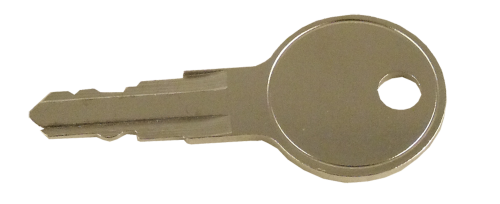
Check that the base mounting holes work with the wall surface and with how the thermostat is mounted. Note the lock type and key, and plan how keys will be controlled. For multiple buildings, consider standardizing on one guard so maintenance staff carry fewer keys.

Smart thermostat considerations

Plastic guards generally do not interfere with Wi-Fi signals. Fully metal enclosures can affect wireless connectivity on some models, so test the connection after installation. If the thermostat uses an occupancy or proximity sensor, a cover may affect that function.

Guard Type Visibility Protection Level Best Locations
Clear locking cover Display and temperature visible Prevents adjustment; moderate impact resistance Offices, classrooms, rentals, retail, lobbies
Universal clear guard Display visible Prevents adjustment; fits many thermostat sizes Mixed properties with different thermostat models
Lock box Limited, depending on design Heavier physical protection against impact and tampering Gyms, warehouses, schools, public buildings

Installation and Safety Tips

Installing a guard is light work, but careful placement makes a difference in comfort and in how long the guard lasts.

  1. Turn off power to the HVAC system if you need to remove the thermostat. Most guards install around the thermostat without disturbing it, but if the thermostat must come off the wall, shut off the equipment first to avoid shorting the low-voltage wiring.
  2. Check thermostat location. A guard does not fix a thermostat in a bad location. If it sits in direct sun, next to a supply register, on an exterior wall or near heat-producing equipment, consider relocating it before installing a guard.
  3. Seal the wall opening behind the thermostat. Drafts from inside the wall cavity can cause false readings. Seal the wire hole with a small amount of sealant or insulation.
  4. Center the base and level it. Mount the base so the thermostat sits centered with clearance on all sides and is not touching the cover.
  5. Use proper anchors. Use anchors suited to drywall, plaster, block or brick so the guard cannot be pulled off the wall.
  6. Do not block the vents. Keep ventilation openings clear, and do not tape over them.
  7. Verify operation. After installing, confirm the thermostat reads room temperature consistently and the system cycles normally. Allow some time for readings to stabilize.
  8. Manage keys. Label and store keys securely, and give spares only to authorized maintenance personnel.

Part Details & Shipping

Supco has made parts and accessories for HVAC technicians and facility maintenance teams since 1945. HVAC365 lists interior dimensions and specifications on each product page, with spec sheet details where available, so you can confirm fit before ordering. Orders ship in 3-5 business days, which makes it easy to cover a whole building in one order.

Frequently Asked Questions

Will a thermostat guard affect temperature readings?

A properly ventilated guard has minimal effect. Choose a guard with good ventilation, keep openings clear and make sure the thermostat is not touching the cover.

Will a universal guard fit my thermostat?

Universal guards fit a wide range of models, but always compare your thermostat's width, height and depth against the guard's interior dimensions listed on the product page. Large touchscreen and smart thermostats are the most common fit problems.

Can I still see the temperature through the guard?

With a clear cover, yes. Occupants can read the display and current temperature but cannot press buttons or change settings.

Do I need a guard if my thermostat has a keypad lock?

Software locks help, but they do not protect against physical damage, and lock codes get shared. A physical guard adds a second layer of protection.

Is a metal lock box better than a clear cover?

It is tougher, which makes sense in high-abuse locations. A clear cover is better where visibility and a clean appearance matter. Consider wireless connectivity when using metal enclosures with smart thermostats.

What if the keys get lost?

Plan key control from the start. Record which guards use which keys and store spares securely. If keys are lost, contact the manufacturer or replace the cover according to the product's instructions.

Compare
Show: 12 24 48

Fast Shipping

Easy Returns

Warranty Coverage

Financing Available