
-
CellarCool
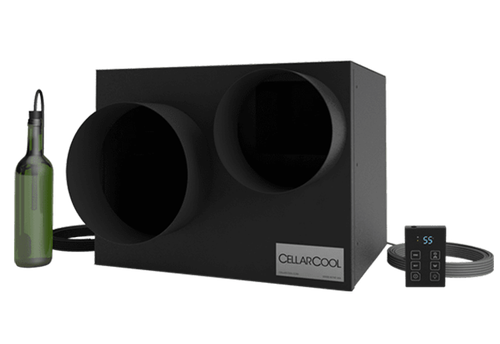
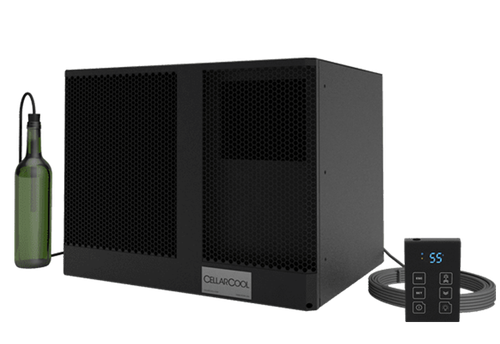
CellarCool 1,453 BTU/h Through-Wall Self-Contained Wine Cellar Cooling Unit, Up to 300 cu ft, 115V | CX2200
SKU: CX2200
$3,130.55- 🚚Qualifies for FREE Shipping
- ⚡Fast Shipping
Ships in 1-2 Business Days10 in stock -
CellarCool
CellarCool 2,049 BTU/h Through-Wall Self-Contained Wine Cellar Cooling Unit, Up to 650 cu ft, 115V | CX3300
SKU: CX3300
$3,464.05- 🚚Qualifies for FREE Shipping
- ⚡Fast Shipping
Ships in 1-2 Business Days10 in stock -
CellarCool
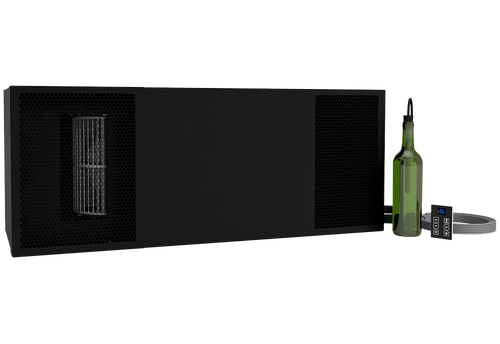
CellarCool 2,492 BTU/h Wall Mount Ductless Split Wine Cellar Cooling System, Up to 500 cu ft, 115V | WM2500-S
SKU: WM2500-S
$8,756.55- 🚚Qualifies for FREE Shipping
- ⚡Fast Shipping
Ships in 1-2 Business Days10 in stock -
CellarCool
CellarCool 2,514 BTU/h Ceiling Mount Ductless Split Wine Cellar Cooling System, 115V | CM2500-S
SKU: CM2500-S
$10,424.05- 🚚Qualifies for FREE Shipping
- ⚡Fast Shipping
Ships in 1-2 Business Days10 in stock -
CellarCool
CellarCool 2,514 BTU/h Ceiling Mount Ductless Split Wine Cellar Cooling System, 24V Control, 115V | CM2500-S24V
SKU: CM2500-S24V
$10,424.05- 🚚Qualifies for FREE Shipping
- ⚡Fast Shipping
Ships in 1-2 Business Days10 in stock -
CellarCool
CellarCool 3,849 BTU/h Fully Ducted Split Wine Cellar Cooling System, 115V | FD5000-S
SKU: FD5000-S
$11,337.55- 🚚Qualifies for FREE Shipping
- ⚡Fast Shipping
Ships in 1-2 Business Days10 in stock -
CellarCool
CellarCool Wall Mount Ductless Split Wine Cellar Cooling System, Up to 1,750 cu ft, 115V | WM5000-S
SKU: WM5000-S
$11,337.55- 🚚Qualifies for FREE Shipping
- ⚡Fast Shipping
Ships in 1-2 Business Days10 in stock -
CellarCool
CellarCool Ceiling Mount Ductless Split Wine Cellar Cooling System, 115V | CM5000-S
SKU: CM5000-S
$12,251.05- 🚚Qualifies for FREE Shipping
- ⚡Fast Shipping
Ships in 1-2 Business Days10 in stock
Buying guidance
Wine Cellar Cooling Units


Wine ages best at a steady temperature around 55°F with relative humidity near 50 to 70 percent. A wine cellar cooling unit is built to hold those conditions quietly and gently, without the cold blasts and very dry air that a standard air conditioner produces. That protects corks, labels and the wine itself.
This category includes CellarCool wine cellar cooling units, including ductless split systems that place the quiet evaporator in the cellar and the condensing unit outside or in another room, with ceiling-mount and other configurations to suit the room design.
Choosing the Right Wine Cellar Cooling Unit
Size the unit from the heat load of the cellar, not just its volume. Insulation and vapor barrier, glass walls or doors, lighting, the temperature of the surrounding space and how often the door opens all add load. Most manufacturers publish sizing charts by cellar volume and construction, and glass-heavy cellars need extra capacity.
Next choose the configuration. Ductless split systems keep noise and heat out of the cellar and suit finished rooms. Self-contained through-wall units are simpler to install but exhaust heat into the adjoining room. Ceiling-mount evaporators save wall space for racking.
Buying Tips
- Build the room right. Insulation, a vapor barrier and an exterior-grade door make the biggest difference to how hard the unit has to work.
- Plan heat rejection. Decide where the condensing unit or exhaust air will go before choosing a model.
- Allow for glass. Glass walls and doors add significant load. Size up accordingly.
- Plan the drain. Most units produce condensate that needs a drain line or pump.
What It Takes to Install
Ductless split systems require a licensed, EPA Section 608 certified technician to run refrigerant lines, evacuate and charge the system, and wire power and controls. Self-contained units are simpler but still need correct electrical service and a path for exhaust air.
Things You Should Know Before You Buy
Local building, electrical, mechanical and energy codes apply and vary by location, so confirm requirements with your contractor or local building department. Refrigerant rules are also changing, so verify that the refrigerant you choose is permitted for your application.
Frequently Asked Questions
Q: What temperature should a wine cellar be?
A: Around 55°F with relative humidity around 50 to 70 percent is the widely used target for long-term storage.
Q: Can I use a regular air conditioner for a wine cellar?
A: It is not recommended. Standard air conditioners are not designed to hold 55°F continuously and remove too much moisture, which can dry out corks.
Q: What is a ductless split wine cellar system?
A: A system with a quiet evaporator inside the cellar connected by refrigerant lines to a condensing unit located outside or in another room, keeping heat and noise out of the cellar.
Q: How do I size a wine cellar cooling unit?
A: Use the sizing guide from the manufacturer based on cellar volume, insulation, glass area and the temperature of the surrounding space.


