
There are no products listed under this category.
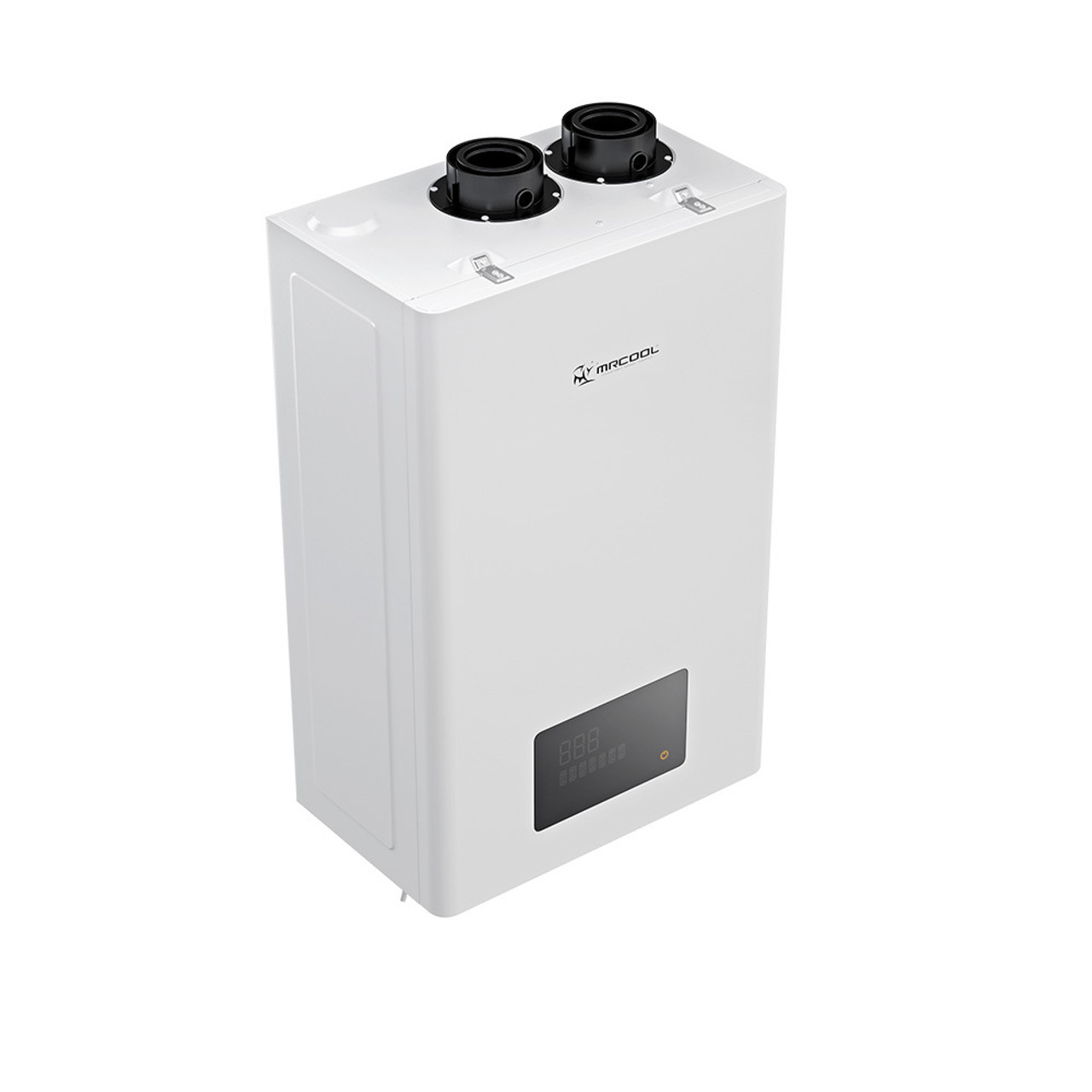
Running out of hot water isn't a minor inconvenience, it's a real problem that stops a household cold or delays work on a job site. Whole house water heaters are the equipment category built to handle the full demand of a home or building, not a single tap or a point-of-use workaround, and HVAC365 stocks the range of types and capacities that different applications actually call for, so you're not choosing between speed and fit when you need a unit. Whether you're a homeowner replacing a failed water heater, a contractor sourcing the right unit for a job, a light-commercial facility manager, or a distributor stocking inventory, this category covers the full-building hot water equipment built to meet those loads.
The most important decision in this category is capacity, and the most common mistake is guessing at it. Whole house water heaters are sized by the volume of hot water the building draws in a given period (often measured as first-hour rating or flow rate, depending on the type), and that number needs to come from an honest look at the actual demand: number of occupants, simultaneous fixtures, and peak-use patterns. An undersized unit leaves you short; an oversized one costs more upfront, may cycle inefficiently, and does not necessarily pay back that cost in comfort or reliability. Get a real load estimate before you specify a size.
Application type matters just as much. A unit selected for a single-family home and a unit selected for a small commercial building are not interchangeable, even if the raw capacity looks similar on paper. Commercial installs often involve different duty cycles, different recovery expectations, and in some cases different code requirements. If the application is anything other than a straightforward residential replacement, treat it as its own sizing and specification problem.
Efficiency is the third leg of the decision, and it interacts with both of the above. Higher-efficiency units carry a higher purchase price, but many qualify for utility rebates or tax credits that change the math significantly. The threshold for those rebates is set by local utilities and federal programs, and it shifts over time, so check current eligibility before you assume a particular tier qualifies. The tradeoff between first cost and operating cost also depends on how much hot water the building actually uses: a high-efficiency unit in a low-demand application takes longer to pay back than the same unit in a high-demand one. Distributors sourcing volume for resale or fleet stock should also factor lead time and availability into the equation, not just unit price, since those considerations shape the real total cost of keeping a project on schedule. The fuel type, venting, and electrical supply factors covered further down can also limit which efficiency tiers are physically installable at a given location.
Whole house water heaters come in several meaningfully different configurations, and the right one depends on the application, the site, and the demand profile, not just the price point.
There may also be configuration distinctions around venting type (direct vent, power vent, atmospheric vent) for gas units, or single-element vs. dual-element for electric storage tanks. Those details affect installation requirements as much as the type itself, so they're worth reviewing alongside the site-readiness factors below.
Site readiness is where a lot of water heater purchases get complicated after the fact. Working through these factors before placing an order saves time, rework, and the cost of a return.
Fuel type and supply. Gas units need a gas supply line sized for the unit's BTU input. If the existing line fed a smaller unit, measure whether it can supply the new one at full draw. Electric units need a circuit sized for their voltage and amperage draw; pull the spec sheet for the unit you're considering and compare it against the breaker and wiring already at the location. Heat pump units have their own electrical requirements that differ from standard resistance-electric models.
Venting. Gas water heaters vent combustion gases, and the venting type (atmospheric, power vent, or direct vent) must match the installation location and the existing vent infrastructure. Atmospheric vent units need a vertical flue with natural draft; power vent units use a blower and can vent horizontally, which opens up more installation locations; direct vent units draw combustion air from outside, which is useful in tight or conditioned spaces. Switching vent types is a real installation project, not a minor adjustment, so verify what the current setup is and what the new unit requires.
Space and clearances. Storage tank units need clearance on all sides for service access and, in the case of gas units, for combustion air. Heat pump units need substantial surrounding air volume to operate efficiently. Measure the available space carefully, including height, and check the manufacturer's minimum clearance specs before the unit ships.
Drainage. All storage tank units have a temperature-pressure relief valve that must be piped to a drain. Tankless units may also produce condensate depending on type. Check whether a floor drain is nearby and what the local code requires for T&P valve discharge routing.
Water quality. Hard water accelerates sediment buildup in storage tanks and can reduce efficiency and tank life faster than the warranty timeline assumes. If the site has known hard water, ask about the unit's anode rod type and consider a water softener or regular flush schedule as part of the long-term plan.
Controls and integration. Some modern units offer Wi-Fi connectivity or smart scheduling. If the installation is going into a home or building with an energy management system or a smart panel, verify compatibility before assuming the feature works with the existing setup.
A: For storage tank units, size to first-hour rating; for tankless units, to flow rate in gallons per minute at your required temperature rise. Count simultaneous fixtures and occupants rather than matching the old unit's capacity — the old unit may have been wrong for years. A plumber or HVAC professional can run a proper load estimate if you're unsure.
A: Usually not without real work. Tankless gas units typically need a larger gas supply line, and tankless electric units often need a dedicated high-amperage circuit. Venting requirements also differ. It's a viable upgrade in many homes, but budget for the infrastructure changes — not just the unit. The installation section above covers each of these factors in detail.
A: A heat pump water heater moves heat from surrounding air into the water instead of generating it directly, using significantly less electricity than a standard electric resistance unit and typically qualifying for rebates. It works best where there's enough ambient air volume and a moderate year-round temperature — a cold garage or very small closet will hurt efficiency and output. Space, clearance, and ambient-temperature requirements are covered in the installation section above.
A: In most jurisdictions, yes, replacing or installing a water heater requires a permit and inspection. Requirements vary by municipality, so check with your local building department before starting. A licensed plumber or contractor pulling the permit also takes on code compliance responsibility, which matters for insurance and future home sales.
A: The longer warranty typically reflects a heavier-duty build — a thicker anode rod, better tank lining, or a larger heating element — not just a paper extension. In areas with hard or aggressive water, that difference in construction often justifies the higher price through extended tank life. The warranty point in the buying tips above has more on this.
A: On a closed plumbing system — one with a check valve or pressure-reducing valve on the supply — thermal expansion has nowhere to go, which stresses the tank and plumbing. Many local codes now require a thermal expansion tank on closed systems. It's a low-cost add-on at install time, and skipping it can be a code and liability issue, as noted in the buying tips above.
A: Some units in this category are rated for light-commercial use, but sizing and duty-cycle requirements for a commercial application differ from residential. A small office or retail space may be well served by a residential-grade unit; a restaurant or laundry facility has a fundamentally different demand profile. If the application is commercial, confirm that the specific unit is rated for commercial use and sized to the actual load, not estimated from a residential rule of thumb.
HVAC365 ships whole house water heaters nationwide, with a broad, stocked catalog that covers residential replacements through distributor volume orders. When a water heater fails, the timeline for getting a replacement on site matters directly to whether a household has hot water or a job stays on schedule, and having a stocked selection that can be matched to the actual application is the practical starting point for that. Browse the full selection above, or reach out if you need help matching a unit to a specific job.
There are no products listed under this category.

Fast Shipping

Easy Returns

Warranty Coverage

Financing Available