null

Appliance Parts

When an appliance quits, the part that failed is usually small, specific, and listed by a number most people have never seen before. A dryer that runs cold, a washer that will not drain, a dishwasher that leaves water in the tub, an oven that will not heat, an ice maker that stopped making ice: each one comes down to a thermal fuse, a pump, a valve, an element, a switch, or a sensor. Find the right number and the repair is often straightforward. Guess, and you are buying parts you do not need.

This is the hub for HVAC365's appliance parts. It is organized by appliance type, with sections for dryer, washer, dishwasher, range and oven, refrigerator and ice maker, and microwave parts, plus hoses and gas connectors, water heater parts, and universal appliance parts that fit many brands. Most of the inventory is from Supco, which has made replacement parts for the appliance and HVAC/R trade since 1945 and builds many of them as direct replacements for OEM numbers.

Appliance service techs, property maintenance teams, landlords, and capable homeowners all shop here. Start in the subcategory for your appliance, then use the model number and the OEM part number to confirm you have the right replacement.

How the Appliance Parts Categories Are Organized

  • Dryer parts: thermal fuses, cycling and high-limit thermostats, heating elements, igniters and flame sensors, gas valve coils, belts, idler pulleys, drum rollers and glides, and door switches.
  • Washer parts: drain pumps, water inlet valves, lid and door switches and locks, belts, couplers, and pressure switches.
  • Dishwasher parts: inlet valves, drain pumps, heating elements, door latches and switches, and thermostats.
  • Range and oven parts: bake and broil elements, surface elements, infinite switches, burner receptacles, igniters, temperature sensors, and thermostats.
  • Refrigerator and ice maker parts: defrost timers, defrost thermostats and heaters, start relays and overloads, evaporator and condenser fan motors, water valves, and ice maker kits.
  • Microwave parts: door switches, thermal cutoffs, and fuses.
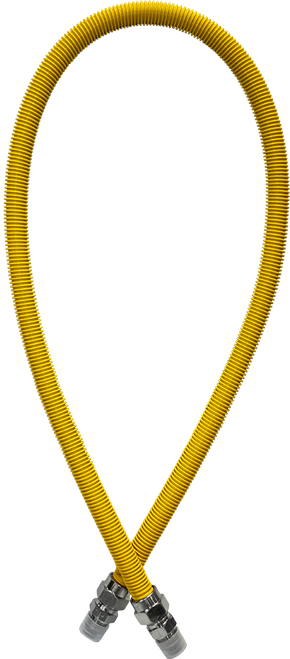
  • Hoses and gas connectors: washer fill hoses, dishwasher supply lines, ice maker supply lines, and gas appliance connectors for ranges and dryers.
  • Water heater parts: elements, thermostats, and related components.
  • Universal parts: components that fit many brands, such as universal thermostats, start devices, and terminals.

Common Symptoms and the Parts Behind Them

Before ordering, diagnose. These are some of the most frequent failures by appliance:

  • Dryer runs but no heat: blown thermal fuse, failed heating element, bad cycling or high-limit thermostat, or on gas dryers a failed igniter or gas valve coils. A blown thermal fuse is almost always a symptom of a restricted vent, so clean the vent before replacing it.
  • Dryer squeals or thumps: worn drum rollers, idler pulley, or glides.
  • Washer will not drain: clogged or failed drain pump, or a blocked hose.
  • Washer will not fill: failed inlet valve or clogged inlet screens.
  • Washer will not spin: lid switch or door lock, belt, or coupler.
  • Dishwasher leaves water in the tub: drain pump, clogged filter, or blocked drain hose.
  • Oven will not heat: failed bake element, igniter on gas models, or temperature sensor.
  • Surface burner stuck on high or will not heat: infinite switch, element, or burned burner receptacle.
  • Refrigerator warm, freezer frosty: defrost system failure, such as a defrost timer, defrost thermostat, or defrost heater.
  • Refrigerator clicks but compressor does not run: start relay or overload, or a compressor problem.
  • Ice maker not making ice: water inlet valve, frozen supply line, or ice maker module.
  • Microwave completely dead: blown fuse, often caused by a failed door switch. Replace both if indicated.

How to Find the Right Part by OEM Number

The single most important step in ordering appliance parts is matching the part number. Here is how to do it:

  1. Find the model number of the appliance. It is on a label or plate, commonly inside the door frame, on the back panel, behind the kick plate, or inside the lid. Write down the full model number and serial number.
  2. Find the OEM part number. Many original parts are stamped or labeled with a number. You can also find it in the appliance's parts diagram for that model number.
  3. Search by the OEM number. Supco replacement parts list the OEM numbers they replace. Search that number on HVAC365, then confirm the cross-reference on the product page.
  4. Compare specs and physical details. Check voltage, wattage or resistance, temperature rating, terminal type, mounting, and dimensions against the original.
  5. When in doubt, check before ordering. Similar-looking parts can have different ratings. A thermostat with the wrong opening temperature or an element with the wrong wattage will not work correctly and can be unsafe.
Appliance Where to find the model number Specs to confirm on the part
Dryer Inside the door frame or on the back panel Voltage, wattage, thermostat temperature ratings, gas or electric
Washer Under the lid, on the back, or inside the door frame Voltage, valve configuration, pump fitment
Dishwasher On the edge of the tub or inside the door Voltage, wattage, valve fittings
Range/oven Inside the oven door frame, drawer area, or back Element wattage and voltage, terminal type, sensor resistance
Refrigerator Inside the fresh food compartment or on the back Timer and thermostat ratings, relay and compressor match
Microwave Inside the door frame or on the back Fuse rating, switch type and terminals
Water heater Label on the tank Element voltage and wattage, thermostat type

Installation and Safety Tips

  • Unplug or turn off the breaker before any repair. Many appliances run on 240V and can deliver a dangerous shock even when switched off at the control.
  • Shut off gas and water supplies before working on gas appliances, connectors, or water valves. Gas appliance repairs and gas connector replacements should be handled by a qualified technician, and every gas connection should be leak-tested after work.
  • Discharge microwave capacitors safely. Microwave high-voltage capacitors can hold a lethal charge after unplugging. Microwave repairs inside the cabinet belong with a qualified technician.
  • Sealed refrigeration systems are off-limits without certification. Compressor replacement or any refrigerant work requires EPA 608 certification.
  • Take photos before disconnecting wires. A quick photo of terminal locations prevents wiring mistakes.
  • Fix the cause, not just the part. Clean dryer vents before replacing a thermal fuse, check for a stuck door switch before replacing a microwave fuse, and check defrost components together when one fails.
  • Replace burned terminals and wire. If an element or switch failed with scorching, replace the damaged terminals with high-temperature terminals and wire rated for the location.
  • Never bypass safety devices. Thermal fuses, high limits, and door switches exist to prevent fires and injuries.

Part Details & Shipping

Supco has made replacement parts for the appliance and HVAC/R trade since 1945, with many parts built to cross-reference directly to OEM numbers. On HVAC365, product pages list the OEM numbers each part replaces and its key specs, with spec sheets where available, so you can confirm fit before ordering. Appliance parts ship in 3-5 business days.

Frequently Asked Questions

Are Supco parts the same as OEM parts?

Supco parts are aftermarket replacements built to match the function and fit of the OEM parts they cross-reference. Check the product page for the OEM numbers each part replaces and compare specs with your original.

I cannot find a number on my old part. What now?

Use the appliance model number to look up the parts diagram for that model, which lists part numbers by location. You can also compare specs and physical dimensions, but a confirmed number is always safest.

Why does my dryer keep blowing thermal fuses?

The most common cause is a restricted vent or lint buildup that makes the dryer overheat. A failing cycling thermostat or heating element shorted to the housing can also cause it. Clean the full vent run and test the thermostats before installing a new fuse.

Can I use a universal part instead of an exact replacement?

Sometimes. Universal parts are designed to fit many models when their ratings and mounting match. Confirm voltage, wattage, temperature ratings, and connections, and follow the included instructions.

Should I replace my gas range or dryer connector when I move the appliance?

Many manufacturers and local codes recommend a new connector whenever an appliance is installed or relocated, and connectors should never be reused if kinked or damaged. Gas connections should be installed and leak-tested by a qualified technician.

My refrigerator is warm but the freezer is fine. What part do I need?

Often it is a defrost system problem that has blocked airflow with frost, or a failed evaporator fan motor. Look at the evaporator coil for frost buildup and check the defrost timer or control, defrost thermostat, and defrost heater before ordering.

How do I know which water heater element to buy?

Match the voltage, wattage, and mounting style printed on the old element or the tank label. Installing the wrong wattage can overload the circuit or underperform. Turn off power and follow safe draining procedures, or have a qualified technician do the replacement.

Compare
Show: 12 24 48

Fast Shipping

Easy Returns

Warranty Coverage

Financing Available