


null
Pool Lighting

Pool Lighting

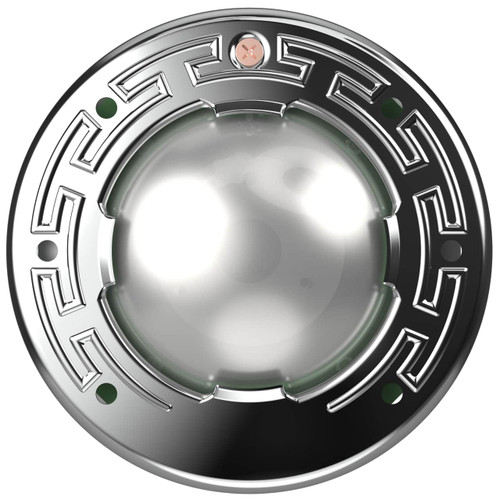
Pool lighting does two jobs. It lets swimmers see the floor, the steps and the walls after dark, which is a real safety issue, and it turns the pool and spa into the centerpiece of the yard at night. A typical underwater pool light is a sealed fixture with a lens, a lamp or LED module and a long cord that runs through a conduit to a junction box on the deck. Most sit in a niche, a metal or plastic housing set into the pool wall, so the fixture can be pulled up to the deck for service without draining the pool.

This category is the parent overview for pool and spa lighting. It covers LED and incandescent pool lights, spa lights, color-changing fixtures, nicheless lights, replacement lamps, lenses, gaskets, niches, transformers and light controllers from brands such as Pentair, Hayward, Jandy, S.R. Smith and others. Service techs swapping out old incandescent fixtures, builders specifying light packages for new pools and homeowners upgrading to color LED all buy here. Pool lighting is governed by NEC Article 680, and the wiring, GFCI protection and bonding should be handled by a licensed electrician.

How Pool Lights Work

An underwater light has to survive full submersion, chlorinated water, heat and years of exposure. The main parts are similar across brands.

  • Fixture. A sealed housing with a lens, a gasket and a light source. Incandescent and halogen fixtures use a lamp. LED fixtures use an LED module with a driver.
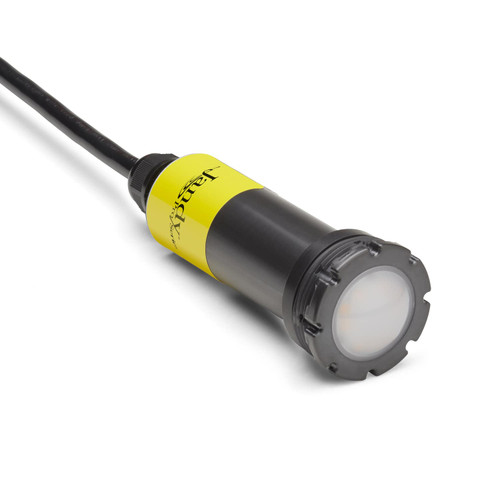
  • Cord. A listed, wet-location cord long enough to reach the deck box with extra for pulling the light up to the deck for service. Common lengths include 30, 50, 80 and 100 feet.
  • Niche. A wet niche is a housing set into the wall that fills with pool water. The fixture sits inside, cooled by the water. Niche sizes are commonly large (for full-size pool lights) or small (for spa lights and some smaller pool lights).
  • Nicheless fixtures. Some LED lights mount directly to a wall fitting with no niche. They are often used in vinyl, fiberglass or new-build pools, or as compact accent lights.
  • Junction box or deck box. Where the light cord connects to the branch circuit or transformer. NEC sets its placement relative to the pool and water level.
  • Transformer. Low-voltage 12 V lights require a listed pool and spa transformer that isolates the light from line voltage.
  • Controller. A switch, timer, relay or automation system that turns lights on and selects color modes on color-changing fixtures.

LED vs incandescent and halogen. Incandescent pool lights, often in 300, 400 and 500 W versions, and halogen versions produced warm white light but used a lot of power and needed regular lamp replacement. LED fixtures use a fraction of the power for similar or brighter output, last much longer and offer white or color-changing options. Most new pools now use LED, and many owners retrofit older incandescent fixtures with LED replacements that fit the existing niche.

12 V vs 120 V. Many lights come in both 12 V and 120 V versions. A 12 V light runs through a pool-rated transformer, which reduces voltage at the light. 120 V lights connect directly to a GFCI-protected branch circuit. Match the voltage to the existing wiring, or have an electrician change the circuit. A 120 V fixture on a 12 V circuit will not work, and a 12 V fixture on a 120 V circuit will fail and create a hazard.

Color sync. Color LED lights from the same brand can usually sync together, so all lights show the same color or run the same show. Pentair IntelliBrite, Hayward ColorLogic, and Jandy WaterColors and Infinite WaterColors are common systems. Many change colors by switching power off and on in a set sequence, while others use automation or a dedicated controller.

Signs a Pool Light Needs Repair or Replacement

  • Water inside the lens. A failed gasket or cracked lens. Turn the circuit off immediately and have the light inspected. Water inside a fixture can create a shock hazard.
  • Light trips the GFCI. Often water intrusion, a damaged cord or a failed fixture. Do not keep resetting it. Have a licensed electrician find the cause.
  • Burned-out lamp. Common with incandescent fixtures. A lamp change requires pulling the fixture, replacing the lamp and installing a new gasket.
  • Dim or flickering LED. Can point to a failing driver, poor connections, low voltage or a failing transformer.
  • Colors out of sync. Lights can drift out of sequence. Most systems have a reset or sync procedure. If one light refuses to sync, it may be a different model or failing.
  • Corroded or loose niche. Older metal niches can corrode, and loose mounting screws let the fixture fall out of the niche. Repair niches promptly.
  • Old incandescent fixture. Not a failure, but switching to LED cuts energy use and maintenance.

How to Choose the Right Pool Light

  1. Pool or spa. Spa lights are smaller and fit small niches. Pool lights are larger and fit full-size niches. Check niche size before ordering.
  2. Voltage. Read the existing fixture or transformer label. Order the same voltage unless an electrician is changing the circuit.
  3. Cord length. Measure from the niche to the deck box through the conduit, plus extra for pulling the fixture to the deck. Order the cord length that covers it. Never splice a pool light cord.
  4. Niche compatibility. Many replacement LEDs are designed for specific brand niches. Some include adapters for other brands. Check the fit chart on each product page.
  5. White or color. White LEDs are simpler and often brighter. Color LEDs offer shows and sync. If adding to existing color lights, match the brand and series so they sync.
  6. Brightness. Choose output and fixture count based on pool size, depth and finish. Darker finishes need more light.
  7. Control. Decide whether lights will run on a switch, a timer, a dedicated controller or automation.
  8. New build or retrofit. On new pools, nicheless fixtures may be an option. On existing pools, retrofit fixtures that fit the existing niche are usually simplest.
Light TypeVoltage OptionsBest ForThings to Know
Incandescent or halogen pool light12 V and 120 VExisting installs, simple white lightHigher energy use and regular lamp replacement
White LED pool light12 V and 120 VEnergy-efficient replacementLong life, lower power, often fits existing niches
Color LED pool light12 V and 120 VColor shows and synced lightingMatch brand and series for sync
Spa light12 V and 120 VSpas and small nichesSmaller fixture; check niche size
Nicheless LEDOften 12 VNew builds, vinyl and fiberglass pools, accent lightingMounts to a wall fitting; check pool type compatibility

Installation and Safety Tips

  • Hire a licensed electrician. NEC Article 680 governs underwater lights, including GFCI protection, transformer requirements, junction box placement, bonding and conduit. Underwater lights operating above the low-voltage contact limit require GFCI protection.
  • Turn off power before service. Shut off the breaker and confirm the circuit is dead before pulling a light. Do not rely on a wall switch alone.
  • Mount at the right depth. Wet-niche lights are typically installed with the top of the lens at least 18 inches below the normal water level, unless the fixture is listed for a shallower location. Follow code and the fixture's listing.
  • Use a new gasket every time. Replace the lens gasket whenever a fixture is opened. Reusing old gaskets is a leading cause of leaks.
  • Do not run lights out of water. Many fixtures, especially incandescent, rely on water for cooling. Running them dry can damage the lens and the lamp. Follow the manufacturer's guidance for LEDs.
  • Coil the cord in the niche. Wrap extra cord neatly around the fixture inside the niche so the light can be pulled to the deck later.
  • Use listed transformers. Low-voltage lights must use a transformer listed for pool and spa use.
  • Bond the niche. Metal niches must be bonded to the equipotential bonding grid. A licensed electrician should verify bonding.

Shopping This Category at HVAC365

Everything in this category is brand-new with the full manufacturer warranty. Product pages list voltage, cord length, niche fit and color options so you can match the existing setup, and most items ship in 1-2 business days. If you are not sure which fixture fits your niche or whether a light will sync with your existing ones, send HVAC365 the old fixture's label details and we will help you match it.

Frequently Asked Questions

Can I replace an incandescent pool light with an LED?

Usually, yes. Many LED replacements are designed to fit existing niches. Match voltage, cord length and niche fit. The installation should be done by a licensed electrician.

Is a 12 V pool light safer than a 120 V light?

12 V systems reduce voltage at the fixture, which lowers shock risk. Both types are safe when installed correctly to NEC Article 680, with proper GFCI protection, bonding and listed equipment.

Why won't my color lights sync?

Lights can drift out of sequence. Most brands have a reset or sync procedure. Lights from different brands or series often will not sync with each other.

How long do LED pool lights last?

LED pool lights last much longer than incandescent lamps. Real-world life depends on water temperature, voltage stability and how often the light runs. Check the manufacturer's rated life on the product page.

Do I need a new niche for a new light?

Not always. Many replacement lights fit existing niches, sometimes with an adapter. If the niche is damaged, corroded or the wrong size, it may need repair or replacement.

What is a nicheless pool light?

A nicheless light mounts to a wall fitting instead of sitting in a niche. These lights are often used on new builds, vinyl or fiberglass pools, or as accent lighting. Check compatibility with your pool type.

Compare
Show: 12 24 48

Fast Shipping

Easy Returns

Warranty Coverage

Financing Available