null

HVAC Parts & Supplies

Most HVAC breakdowns are not the end of the equipment. A condenser that hums and won't start, a furnace that lights and drops out, an air handler that runs with no airflow: nine times out of ten, the root cause is one inexpensive component that wore out ahead of the rest of the system. Capacitors dry out, contactor points pit, igniters crack, pressure switch diaphragms stiffen, and blower motor bearings run dry. Replace the right part and the system goes back to work for years.

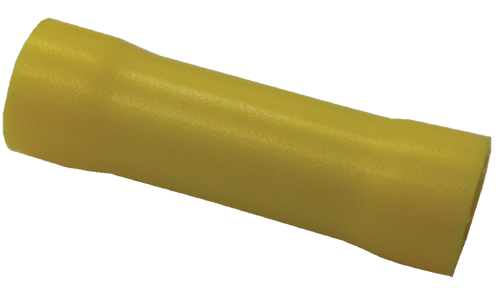
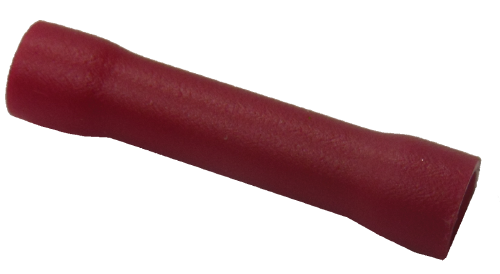
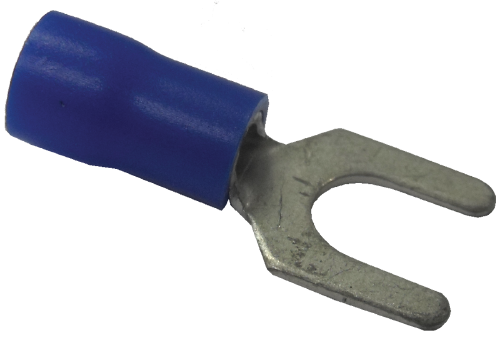
This category is the parts counter for all of that. It covers the electrical, control, ignition, airflow and refrigeration-side components that keep residential and light commercial heating and cooling equipment running: run and start capacitors, contactors, relays, hard start kits, motors, belts, hot surface and spark igniters, flame sensors, pressure switches, limit switches, sequencers, control transformers, filter driers, valves, smoke detectors, heaters, terminals and wiring accessories. Most of what you will find here is from Supco (Sealed Unit Parts Co.), which has been making replacement parts for the trade since 1945, along with select System Sensor and Pipe Vise items.

Service techs use this category to stock trucks and source the oddball part on a callback. Property managers and capable homeowners use it to buy the exact part a technician diagnosed. The goal of this guide is to help you narrow down what failed and buy the correct replacement the first time.

How the Major Part Groups Work Together

A heating or cooling system is a chain of components that each have to do their job in sequence. Understanding that sequence is the fastest way to find the weak link.

  • Control circuit: A 24-volt control transformer powers the thermostat. When the thermostat calls, it energizes relays and contactor coils that switch line voltage to motors and compressors.
  • Starting and running: Single-phase compressors and PSC motors rely on run capacitors to create the phase shift that gets them turning and keeps them efficient. Start capacitors and hard start kits add extra torque for hard starts.
  • Heating ignition and safety: Gas furnaces prove draft through a pressure switch, light through a hot surface or spark igniter, and prove flame through a flame sensor. Limit switches and rollout switches shut the burner down if temperatures go out of range. Electric heat uses sequencers or relays to stage heater elements.
  • Airflow: Blower and condenser fan motors, belts, pulleys and bearings move air across the coils and heat exchanger.
  • Refrigeration side: Filter driers trap moisture and debris, and service valves, access valves and expansion devices control refrigerant flow.
  • Life safety: Duct and area smoke detectors shut down air handlers to keep smoke from being distributed through a building.

When one link in that chain fails, the symptom usually shows up somewhere else. A weak capacitor looks like a bad compressor. A cracked heat exchanger can trip a rollout switch. A failed inducer motor makes a pressure switch look bad. Diagnose the whole sequence before you order.

Common Failure Symptoms and Where to Look

These are the calls that come up most often, along with the parts that usually turn out to be responsible:

  • Outdoor unit hums but the fan and compressor don't start: Check the run capacitor or dual capacitor first, then the contactor. A compressor that struggles on startup may need a hard start kit.
  • Outdoor unit runs with the thermostat off: Contactor points are welded closed, or a single-pole contactor is leaving one leg energized.
  • Clicking or chattering at the condenser: Low control voltage, a weak transformer, or a failing contactor coil.
  • Furnace inducer runs, but no ignition: Pressure switch not closing (check tubing, inducer and venting first), or an open limit.
  • Igniter glows, burner lights, then shuts off after a few seconds: Dirty or failed flame sensor, or a grounding problem.
  • No glow at all: Cracked hot surface igniter. Measure its resistance and compare to the manufacturer's range.
  • Electric heat only partly working: Failed sequencer, heater relay or open element.
  • Blower squeals or runs slow: Worn belt, dry bearings or a failing blower motor capacitor.
  • Repeated restriction or moisture problems after a repair: The filter drier was not replaced when the system was opened.

How to Choose the Right Replacement Part

Getting the right part comes down to three things: knowing the electrical and physical ratings, cross-referencing the original part number, and confirming fit.

Start with the nameplate and the old part

Read everything printed on the failed component before you remove it. Capacitors list microfarads (MFD or µF) and voltage. Contactors list pole count, full load amps (FLA) and coil voltage. Transformers list primary voltage, secondary voltage and VA rating. Pressure switches list a setpoint in inches of water column and whether they are normally open or normally closed. Limit switches list an opening temperature. Take a photo of the label and the wiring before you disconnect anything.

Cross-reference OEM numbers

Equipment manufacturers often stamp their own part numbers on components that are made by a parts supplier. A universal replacement from Supco can match those ratings without the OEM markup or lead time. Compare the OEM number to the cross-reference data on the product page, then confirm the ratings match.

Match or exceed ratings the right way

Some ratings can go higher, and some must match exactly. Know which is which:

PartMust matchCan be equal or higherAlso check
Run capacitorMFD (within tolerance)Voltage (440V can replace 370V)Case size and shape
Start capacitorMFD rangeVoltageBleed resistor, mounting
ContactorCoil voltage, pole countFLA ratingMounting footprint, auxiliary contacts
RelayCoil voltage, contact configurationContact amp ratingTerminal layout
Control transformerPrimary and secondary voltageVA ratingMounting style, breaker or fuse
Pressure switchSetpoint, NO/NC configurationNot applicablePort size, tubing, bracket
Limit switchOpen/close temperatures, reset typeNot applicableProbe length, flange
MotorVoltage, rotation, RPM, frameHorsepower (within reason)Shaft size, capacitor value
Filter drierRefrigerant compatibility, connection sizeCore capacityFlow direction, liquid or suction line

Safety devices such as limits, rollout switches and pressure switches are not places to improvise. Replace them with a part that matches the original setpoint, and never bypass one to get a system running.

Installation and Safety Tips

  • Kill the power and verify it: Turn off the disconnect and breaker, then confirm zero voltage with a meter. Many units have more than one power source.
  • Discharge capacitors: Run and start capacitors can hold a dangerous charge after power is removed. Discharge them with a proper resistor tool, not a screwdriver.
  • Label wires before removal: Photograph the wiring and tag each conductor. Wiring diagrams inside the panel door are helpful, but field changes are common.
  • Find the cause, not just the casualty: A burned contactor may point to a shorted compressor. A failed igniter may point to a flame rollout or a voltage problem. A tripped limit usually means low airflow.
  • Gas, high voltage and refrigerant work belong with qualified technicians: Furnace ignition and gas valve work, line-voltage electrical repairs and anything involving the refrigerant circuit should be handled by a qualified HVAC technician. Opening the refrigerant circuit requires EPA Section 608 certification.
  • Test after the repair: Run the system through a full cycle, check amperage against the nameplate and confirm every safety device operates.

Part Details & Shipping

We stock Supco replacement parts because they have been a trusted name on supply house shelves since 1945, with universal parts built to cover a wide range of OEM applications. Product pages include cross-reference data and spec sheets so you can confirm the match before you order, and items in this category ship in 3-5 business days. We sell to working HVAC pros and to homeowners who already know what they need.

Frequently Asked Questions

How do I know which part actually failed?

Start with the symptom and follow the system's sequence of operation. Measure voltage at each component when it should be energized, test capacitors with a meter that reads microfarads, and check switches for continuity in the state they should be in. If you are not comfortable working around live voltage or gas, have a qualified technician diagnose it.

Are universal parts as good as OEM parts?

A universal part built to the same electrical and physical ratings will do the same job. Many OEM-labeled components come from the same parts suppliers. The key is matching the ratings and confirming the fit using the cross-reference and spec sheet.

Can I use a part with a higher rating than the original?

For some ratings, yes. Higher capacitor voltage, higher contactor FLA and higher transformer VA are generally acceptable. Microfarads, coil voltage, pressure switch setpoints and limit temperatures must match the original.

Should I replace the capacitor when I replace a contactor?

It's not required, but it's common practice on older equipment. Both parts age at about the same rate, and testing the capacitor while the panel is open costs nothing.

What should I do if I can't find my OEM part number?

Use the ratings printed on the old part and the equipment model and serial number. Most electrical parts can be matched by ratings and physical size even when the OEM number has been discontinued.

Do I need to replace the filter drier on every refrigerant repair?

Industry best practice is to replace the filter drier any time the refrigerant circuit is opened. A new drier protects the compressor and metering device from moisture and debris introduced during the repair. This work must be done by an EPA 608-certified technician.

Compare
Show: 12 24 48

Fast Shipping

Easy Returns

Warranty Coverage

Financing Available