null

Heaters & Heating Elements

Electric resistance heat shows up all over HVAC and refrigeration work, and much of it is hidden. The open coil elements in an electric furnace or air handler heat strip provide the building's heat. Inside a walk-in cooler or reach-in case, small heaters keep doors from freezing shut and glass from fogging, keep condensate drain lines from icing over, and clear frost from evaporators during defrost. When any of them fail, the symptoms range from a cold house to a door that sweats, an iced-up drain pan or a freezer full of frost.

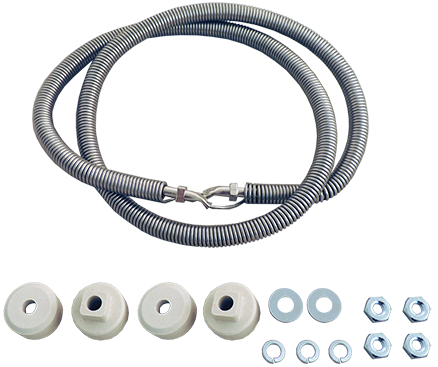
This category carries Supco heaters and heating elements: duct heaters, heater restring coil kits for open coil elements, ceramic insulators, refrigeration door and frame heaters, drain line heaters and foil defrost heaters. HVAC techs buy restring kits and insulators to repair heat strips. Refrigeration techs and appliance repair shops buy door heaters, drain line heaters and defrost heaters for commercial and residential refrigeration.

How Electric Heaters and Elements Work

Every heater in this category works on the same principle: current flowing through a resistive conductor produces heat. Wattage depends on voltage and resistance. The relationship is simple and useful in the field: watts equal volts squared divided by ohms, and amps equal watts divided by volts. If you know the rated voltage and wattage, you can calculate the resistance a good element should read on your meter.

Open coil heating elements and duct heaters

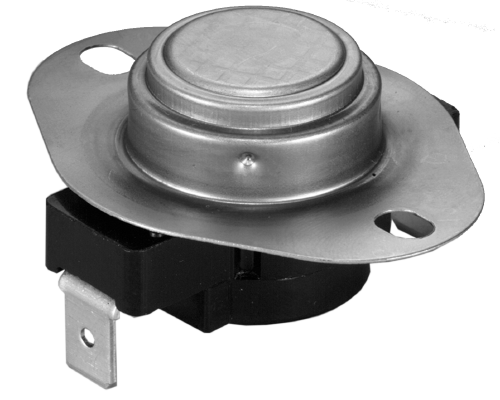
Electric furnaces, air handler heat kits and duct heaters use coils of nickel-chromium resistance wire strung across a frame and supported by ceramic insulators. Air from the blower passes directly over the coils. Each element circuit has safety controls in series: a limit switch that opens on high temperature and usually a thermal fuse or one-shot cutoff as backup. Sequencers or relays bring elements on in stages. Duct heaters mount in the ductwork and provide primary, supplemental or zone heat.

Restring coil kits and ceramic insulators

When an open coil element breaks, the frame, controls and wiring are often still fine. A restring coil kit provides replacement resistance wire of the correct gauge and length so a technician can restring the element instead of replacing the entire heater assembly. Ceramic insulators hold the coil off the frame and electrically isolate it. Cracked or missing insulators let the coil sag, touch the frame and short.

Refrigeration door and frame heaters

Freezer and cooler doors use low-wattage heater wire in the door frame and sometimes the door itself. These anti-sweat heaters keep surfaces above the dew point so condensation does not form and gaskets do not freeze to the frame.

Drain line heaters

Freezer and walk-in evaporator drain lines pass through below-freezing space. A drain line heater runs inside or along the drain line so defrost water can flow out before it refreezes.

Foil defrost heaters

Many refrigerators and some commercial units use a heater element bonded to aluminum foil, attached to the evaporator or drain area. The foil spreads heat evenly during the defrost cycle.

Signs a Heater or Element Is Failing

  • Electric heat runs but output is low. One or more elements have opened. Check amperage on each element circuit and compare it with the expected value.
  • Open resistance reading. With power off and the element isolated, an infinite reading means a broken coil.
  • Visible broken or sagging coil. Look for broken wire, sagging sections and burned spots on the frame where a coil touched metal.
  • Cracked or missing insulators. These lead to shorts and repeated element failures.
  • Burning smell when heat starts. Some odor is normal at the start of heating season as dust burns off. A persistent smell or smoke means inspection is needed right away.
  • Cooler or freezer doors sweating or freezing shut. Door or frame heaters have failed or lost power.
  • Ice in the drain pan or drain line. The drain line heater or the defrost heater is not working.
  • Frost buildup on the evaporator. The defrost heater, defrost terminator or defrost timer has failed.

How to Choose the Right Replacement

Voltage and wattage

Match the voltage and wattage of the original element. A heater installed on the wrong voltage will either underperform or overheat. Higher wattage can overload wiring, breakers and controls.

Physical dimensions

For restring kits, match the wire gauge and length to the original coil or the kit's application. For door and frame heaters and drain line heaters, measure the required length. For foil defrost heaters, match the size, shape and lead configuration.

Terminal and mounting style

Check terminals, lead length and mounting method. Note how the original was installed, including clips, adhesive foil or brackets.

Cross-referencing

Use the OEM part number from the equipment's parts list. Supco cross-reference data and product specifications help match equivalents by voltage, wattage and dimensions.

Rated Wattage Voltage Expected Resistance (approx.) Expected Amps (approx.)
5,000 W 240 V 11.5 ohms 20.8 A
5,000 W 208 V 8.7 ohms (if rated at 208 V) 24.0 A
3,000 W 240 V 19.2 ohms 12.5 A
1,500 W 120 V 9.6 ohms 12.5 A
500 W 120 V 28.8 ohms 4.2 A

Values calculated from ohms equal volts squared divided by watts. Cold resistance can read slightly lower than these figures. A 240V-rated element operated on 208V produces about 75 percent of its rated wattage.

Installation and Safety Tips

Electric heaters operate at line voltage and high current, and many are installed in equipment that also contains refrigerant circuits. This work should be done by a qualified technician.

  1. Disconnect all power and verify it. Electric furnaces and heat kits often have multiple circuits and breakers. Check every one.
  2. Never bypass safeties. Limit switches and thermal fuses protect against fire. Find out why they opened. Common causes include low airflow, dirty filters and failed blowers.
  3. Restring with care. Stretch the new coil evenly to the specified length, avoid kinks and make sure no section can touch the frame. Replace cracked insulators during the repair.
  4. Make tight, clean connections. Loose terminals overheat and burn. Use the proper terminals and hardware and torque connections.
  5. Measure amperage after installation. Confirm each element draws the expected current and that sequencers stage correctly.
  6. Install refrigeration heaters as originally routed. Door and drain line heaters must follow the original path and be secured so they cannot be pinched by doors or panels.
  7. Check defrost controls at the same time. A failed defrost heater is often found alongside a failed defrost terminator or timer. Test the whole defrost circuit.

Part Details & Shipping

Supco has made replacement heating components for HVAC, refrigeration and appliance repair since 1945. HVAC365 lists voltage, wattage, dimensions and specifications on product pages, with cross-reference and spec sheet details where available. Orders ship in 3-5 business days.

Frequently Asked Questions

Can I restring an element instead of replacing the heater?

Often, yes, when the frame, insulators, limits and wiring are in good condition. A restring kit with the correct wire gauge and length restores the element. If the frame or controls are damaged, replace the heater assembly.

How do I test a heating element?

With power off and at least one lead disconnected, measure resistance across the element. Compare the reading with the value calculated from its rated voltage and wattage. An open reading means the element is broken.

Why do my heat strip elements keep breaking?

Low airflow is the most common cause. Dirty filters, blocked returns, a weak blower and closed registers all cause elements to run hot. Cracked insulators and coil sag also lead to repeat failures.

Why is my walk-in freezer door freezing shut?

The door frame heater has likely failed or lost power. Also check the door gasket and closer, since poor sealing lets moist air in.

What does a drain line heater do?

It keeps the evaporator drain line above freezing so defrost water drains out of the freezer instead of refreezing in the line or pan.

Can I use a 240V element on a 208V supply?

It will operate, but at roughly 75 percent of its rated wattage. Match the element to the supply where possible, and follow the equipment manufacturer's ratings.

Compare
Show: 12 24 48

Fast Shipping

Easy Returns

Warranty Coverage

Financing Available