null

Pressure Switches

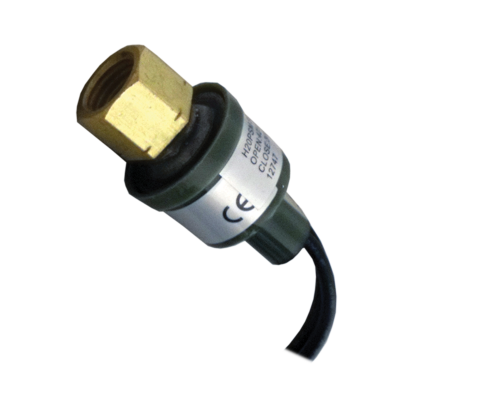
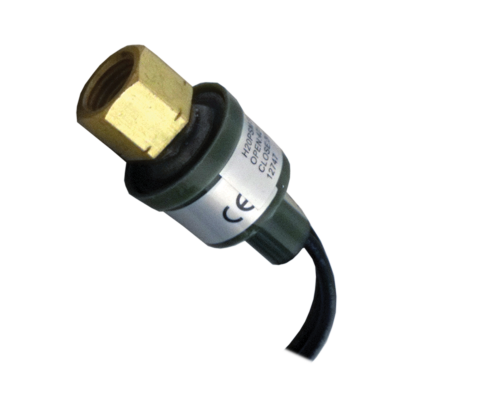
Pressure switches are safety and control devices that watch a pressure and open or close a circuit when it crosses a setpoint. In refrigeration and air conditioning, they protect compressors from dangerous head pressure, loss of charge and freeze-ups, or cycle condenser fans to keep head pressure stable. In gas furnaces, an air pressure switch proves the draft inducer is moving combustion gases out of the appliance before the gas valve can open.

This category covers high pressure and low pressure refrigerant switches, fan cycling switches, manual reset switches and furnace draft-inducer air proving switches rated in inches of water column (inches W.C.). Supco and other universal lines offer switches with fixed and adjustable setpoints in common configurations to cover many OEM applications.

These switches fail electrically, mechanically or from blocked sensing lines. Just as often, a switch is doing its job and reporting a real system problem. That distinction is the difference between a correct repair and a callback.

How Pressure Switches Work

Refrigerant high and low pressure switches

Refrigerant pressure switches use a diaphragm or bellows connected to the system, usually through a Schrader fitting with a depressor, a brazed connection or a capillary tube. When system pressure pushes against the diaphragm past a set point, the switch contacts change state. High pressure switches typically open on rising pressure to stop the compressor before head pressure reaches dangerous levels. Low pressure switches typically open on falling pressure to protect against loss of charge, a frozen coil or other low suction conditions. Each switch has a cut-out and a cut-in point; the difference between them is the differential.

Fan cycling switches

Fan cycling switches control condenser fans based on head pressure. In low ambient conditions, cycling the fan off when pressure falls and back on when it rises keeps head pressure high enough for proper metering device operation. They usually close on rising pressure.

Manual reset switches

Manual reset switches open on a fault and stay open until someone pushes the reset button. They are used where an automatic restart could repeat a dangerous condition, such as a high pressure trip on a commercial system. A manual reset trip is a signal to find the cause before restoring operation.

Furnace air proving switches

On induced draft furnaces, a pressure switch connects by a rubber hose to the draft inducer housing or the collector box. When the inducer runs, it creates negative pressure, measured in inches of water column. If the pressure reaches the switch's setpoint, its contacts close and tell the control board that venting is proven. The board then proceeds with ignition. If the vent is blocked, the inducer fails or the hose is plugged, the switch stays open and the furnace will not light.

Signs a Pressure Switch Is Failing or Tripping

Refrigerant switches

  • Compressor will not start with the switch open while system pressure is within range.
  • Repeated high pressure trips. Often caused by dirty condenser coils, a failed condenser fan, overcharge or non-condensables, not the switch.
  • Repeated low pressure trips. Often from low charge, a restriction, a frozen evaporator, a dirty filter or a failed evaporator fan.
  • Switch chatters or cycles erratically with stable system pressure.
  • Refrigerant leak at the switch fitting or capillary.

Furnace air proving switches

  • Inducer runs, but the igniter never energizes, with a pressure switch fault code on the board.
  • Switch fails to close even with the measured draft at or above the switch setpoint.
  • Cracked or water-filled hose, or a blocked port on the inducer or collector box.
  • Switch stuck closed, causing a fault on boards that check the switch is open before starting the inducer.

For a furnace, measure the actual draft with a manometer at the switch port and compare it with the switch's rating, usually printed on the label. If the draft is too low, the problem is venting, the inducer, a blocked heat exchanger or condensate drainage, not the switch.

How to Choose the Right Replacement

Refrigerant pressure switches

  • Function: high pressure, low pressure, fan cycling or dual.
  • Action: opens on rise, opens on fall or closes on rise.
  • Setpoints: match cut-out and cut-in pressures to the original or the equipment manufacturer's specification, accounting for the refrigerant used.
  • Reset type: automatic or manual.
  • Connection: 1/4 inch SAE flare with depressor, brazed or capillary.
  • Electrical rating: confirm the switch can handle the current and voltage of the circuit it controls.

Furnace air proving switches

  • Setpoint in inches W.C.: match the OEM rating exactly. Do not use a switch with a lower setpoint to get a furnace running.
  • Contact configuration: normally open is most common, but some furnaces use specific configurations.
  • Number of ports: single port or dual port designs for differential sensing.
  • Mounting and terminals: match bracket and connector style.
  • OEM cross-reference: furnace model and OEM switch number are the best guide.
Switch typeTypical actionWhat it protects or controlsKey specs
High pressureOpens on riseCompressor and system from excess head pressureCut-out, cut-in, reset type, connection
Low pressureOpens on fallCompressor from loss of charge or low suctionCut-out, cut-in, reset type, connection
Fan cyclingCloses on riseHead pressure in low ambient conditionsCut-in, cut-out, electrical rating
Manual resetOpens and latchesSystems that must not restart automatically after a faultTrip point, reset button access
Furnace air provingCloses on negative pressureProves venting before ignitionSetpoint in inches W.C., ports, contacts

Installation and Safety Tips

  • Disconnect power and verify with a meter before working on any switch wiring.
  • Refrigerant work requires EPA 608 certification. Replacing a brazed or capillary switch, or any switch where refrigerant may be released, must be done by a certified technician with proper recovery equipment.
  • Use the right fittings. Switches with Schrader depressors must be installed on a matching access fitting. Check for leaks after installation.
  • Never jumper a pressure switch to keep equipment running. A jumper can be used briefly for diagnosis by a qualified tech, but leaving a safety bypassed risks compressor damage, fire or carbon monoxide exposure.
  • Replace furnace switch hoses if they are cracked, hard or kinked, and route them so condensate drains away from the switch.
  • Verify operation. Watch the switch close and open through a full cycle and confirm the equipment operates and shuts down correctly.
  • Check venting thoroughly on furnaces. A pressure switch problem caused by blocked venting is a serious combustion safety issue.

Part Details & Shipping

HVAC365 carries Supco pressure switches because Supco has been serving the HVAC and refrigeration trade since 1945 and offers universal and direct replacement switches for many applications. Product pages list setpoints, connection type and cross-reference data so you can confirm fit before you order, and these items ship in 3-5 business days.

Frequently Asked Questions

Why does my furnace pressure switch keep failing to close?

The switch is often fine. Common causes are a blocked vent or intake, a weak inducer motor, a plugged hose or port, or condensate backing up in the collector box. Measure the draft with a manometer and compare it with the switch rating.

Can I use a lower inches W.C. switch on my furnace?

No. A lower setpoint switch may close when venting is inadequate, which can allow combustion gases to spill into the home. Always use the OEM-specified rating.

What is the difference between a high and low pressure switch?

A high pressure switch protects against excess head pressure and typically opens on rising pressure. A low pressure switch protects against low suction pressure and typically opens on falling pressure.

What does a fan cycling switch do?

It turns the condenser fan on and off based on head pressure, keeping pressure high enough in cold weather for the system to operate correctly.

Do I need to recover refrigerant to replace a pressure switch?

If the switch is mounted on a Schrader fitting with a depressor, it may be replaceable with minimal loss, but any refrigerant handling still requires an EPA 608 certified technician. Brazed and capillary switches require recovery.

Why is my high pressure switch tripping on hot days?

Higher outdoor temperatures raise head pressure. Dirty condenser coils, a weak condenser fan motor, overcharge or restricted airflow push it over the trip point. Address those before replacing the switch.

Compare
Show: 12 24 48

Fast Shipping

Easy Returns

Warranty Coverage

Financing Available