-
Cooper & Hunter
Cooper & Hunter Multi-Zone ES 18,000 BTU 3 Zone Multi-Zone Mini Split Heat Pump Outdoor Unit R-454B 208/230V | CH-R18MES-230VO
SKU: CH-R18MES-230VO
$3,800.00Ships in 3-5 Business Days10 in stock -
Cooper & Hunter
Cooper & Hunter 36,000 BTU 3 Ton 24 SEER2 Wall Mounted Dual Zone Ductless Mini Split Heat Pump System 18K + 18K Astoria R-454B 208/230V | CH-R36MES-AST-18-18
SKU: CH-R36MES-AST-18-18
$8,706.67Ships in 3-5 Business Days10 in stock -
Cooper & Hunter
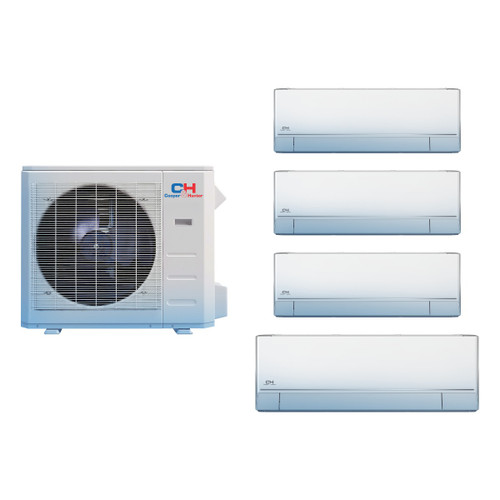
Cooper & Hunter 36,000 BTU 3 Ton 24 SEER2 Wall Mounted Quad Zone Ductless Mini Split Heat Pump System 9K + 9K + 9K + 18K Astoria R-454B 208/230V | CH-R36MES-AST-9-9-9-18
SKU: CH-R36MES-AST-9-9-9-18
$10,126.67Ships in 3-5 Business Days10 in stock -
Cooper & Hunter
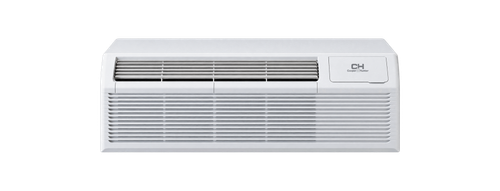
Cooper & Hunter 14,700 BTU PTAC Heat Pump with 3.5 kW Electric Heat, Wi-Fi and R-32 Refrigerant 208/230V | CH-PTW-HE15HP
SKU: CH-PTW-HE15HP
$2,811.11Ships in 3-5 Business Days10 in stock -
Cooper & Hunter
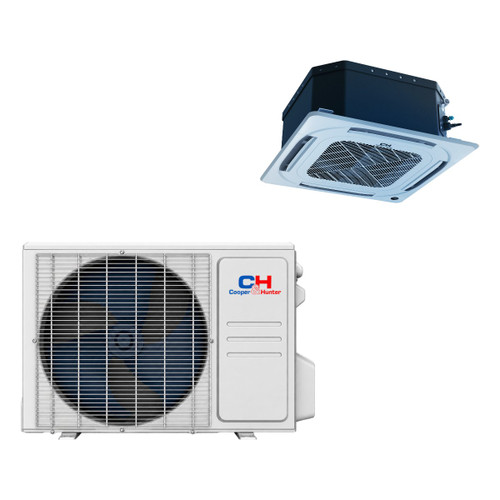
Cooper & Hunter Ceiling Cassette Pro 18,000 BTU 1.5 Ton 20.7 SEER2 4-Way Ceiling Cassette Ductless Mini Split Heat Pump System R-454B 208/230V | CH-RES18-230VO-CH-RSH18MCT
SKU: CH-RES18-230VO-CH-RSH18MCT
$5,200.00Special Order – Lead Time Confirmed After Order -
Cooper & Hunter
Cooper & Hunter 48,000 BTU 4 Ton 24 SEER2 Wall Mounted Quad Zone Ductless Mini Split Heat Pump System 9K + 12K + 12K + 18K Astoria R-454B 208/230V | CH-R48MES-AST-9-12-12-18
SKU: CH-R48MES-AST-9-12-12-18
$12,171.11Ships in 3-5 Business Days10 in stock -
Cooper & Hunter
Cooper & Hunter 28,000 BTU 2.5 Ton 25 SEER2 Wall Mounted Dual Zone Ductless Mini Split Heat Pump System 18K + 18K Astoria R-454B 208/230V | CH-R28MES-AST-18-18
SKU: CH-R28MES-AST-18-18
$6,653.33Ships in 3-5 Business Days10 in stock -
Cooper & Hunter
Cooper & Hunter Ceiling Cassette Pro 12,000 BTU 1 Ton 21.1 SEER2 4-Way Ceiling Cassette Ductless Mini Split Heat Pump System R-454B 208/230V | CH-RES12-230VO-CH-RSH09-12MCT
SKU: CH-RES12-230VO-CH-RSH09-12MCT
$4,257.78Special Order – Lead Time Confirmed After Order -
Cooper & Hunter
Cooper & Hunter Ceiling Cassette Pro 48,000 BTU 4 Ton 19 SEER2 4-Way Ceiling Cassette Ductless Mini Split Heat Pump System R-454B 208/230V | CH-R48LCU-230VO-CH-RSH48LCCT
SKU: CH-R48LCU-230VO-CH-RSH48LCCT
$9,031.11Special Order – Lead Time Confirmed After Order -
Cooper & Hunter
Cooper & Hunter 36,000 BTU 3 Ton 24 SEER2 Wall Mounted Tri Zone Ductless Mini Split Heat Pump System 9K + 9K + 18K Astoria R-454B 208/230V | CH-R36MES-AST-9-9-18
SKU: CH-R36MES-AST-9-9-18
$9,351.11Ships in 3-5 Business Days10 in stock -
Cooper & Hunter
Cooper & Hunter Slim Duct 24,000 BTU 2 Ton 19 SEER2 Slim Ducted Ductless Mini Split Heat Pump System R-454B 208/230V | CH-RES24-230VO-CH-RS24MDT-HS
SKU: CH-RES24-230VO-CH-RS24MDT-HS
$5,780.00Special Order – Lead Time Confirmed After Order -
Cooper & Hunter
Cooper & Hunter 36,000 BTU 3 Ton 24 SEER2 Wall Mounted Quad Zone Ductless Mini Split Heat Pump System 9K + 12K + 12K + 12K Astoria R-454B 208/230V | CH-R36MES-AST-9-12-12-12
SKU: CH-R36MES-AST-9-12-12-12
$10,095.56Ships in 3-5 Business Days10 in stock