null
3 Ton Air Conditioner Condenser

3 Ton Air Conditioner Condenser

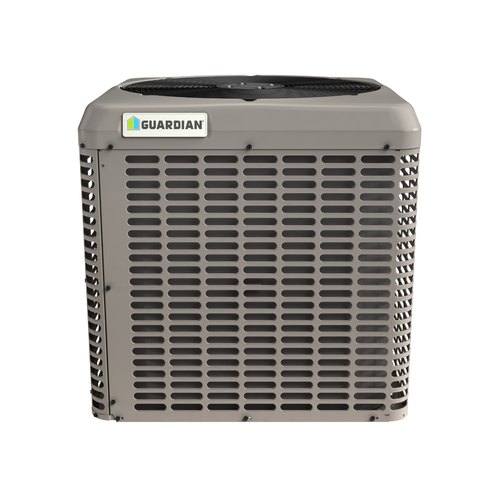
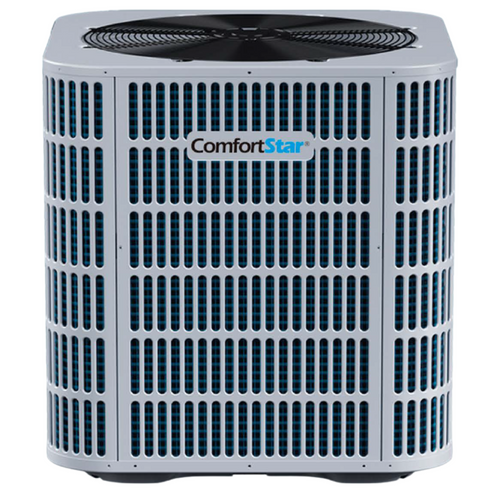
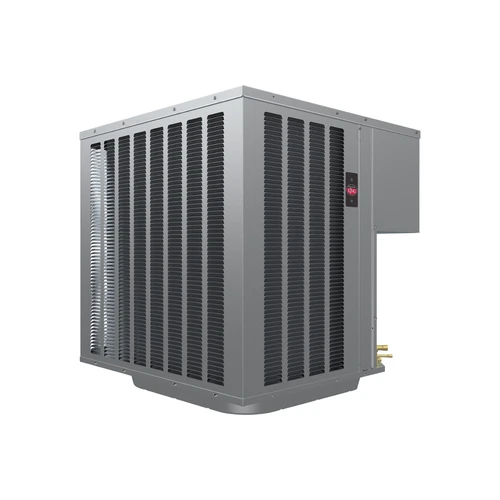
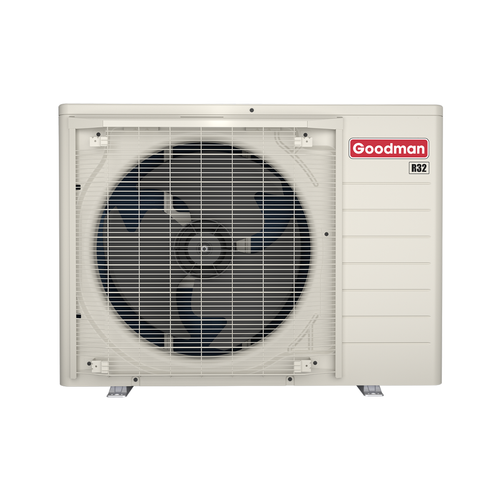
When a central air system fails in the middle of a heat wave, or when a building is going up and needs a cooling system that will carry a 1,500-to-1,800-square-foot load for the next two decades, getting the right outdoor unit matters immediately. HVAC365 stocks 3 ton air conditioner condensers across a range of brands, efficiency tiers, and configurations so that whatever the job calls for, a match is available without a long sourcing delay. These are the outdoor half of a split air conditioning system: the condensing unit that sits outside, rejects heat, and works in tandem with an indoor air handler or coil to cool a space. The 36,000 BTU capacity class is one of the most common residential sizes, and it also fits light commercial applications where the load lands in that range. Homeowners replacing an aging outdoor unit, contractors building out a new system or swapping a failed condenser, and distributors stocking for a busy season all land here regularly, and the product range is broad enough to serve all of them.

Choosing the Right 3 Ton Condenser

Capacity is the obvious starting point, but a 3 ton label does not mean all these units are interchangeable. The most important step before ordering is confirming that a 3 ton (36,000 BTU) rating actually fits your load. That means a Manual J load calculation or its equivalent for new installs, or reading the rating plate on the equipment being replaced. Matching the existing tonnage on a straight swap is usually correct, but it is worth verifying, because an undersized or oversized unit both create real problems. Undersized equipment runs constantly and never achieves setpoint on the worst days. Oversized equipment short-cycles, which raises humidity, increases wear, and wastes energy despite the unit being newer and more powerful on paper.

Efficiency is the next decision with real money behind it. Higher SEER2 ratings cost more upfront and typically pay back over time through lower utility bills, but the payback period depends on your climate, runtime hours, and local electricity rates. There is also a regulatory layer: minimum efficiency standards under the 2023 federal SEER2 rules vary by region, and some utilities offer rebates only above a certain efficiency threshold. Check the requirements for your specific region and look up what your utility will actually rebate before settling on an efficiency tier. Paying for a tier that exceeds your utility's rebate ceiling does not earn you a higher rebate; it just costs more upfront.

Single-stage, two-stage, and variable-capacity compressors represent a third axis of decision. A single-stage unit is either fully on or fully off, which is simple and reliable but less efficient at partial load. Two-stage units can run at reduced capacity during mild weather, which improves comfort and efficiency. Variable-capacity (inverter-driven) compressors modulate continuously, which gives the best efficiency and humidity control but at higher equipment cost. The right choice depends on the climate, the budget, and how much the buyer values steady indoor humidity versus lowest first cost.

For contractors spec-matching to an existing indoor coil or air handler, refrigerant compatibility is a decision that cannot be skipped. The industry is mid-transition between refrigerant types, and a new outdoor unit must be compatible with both the refrigerant planned and the indoor components it will be connected to. Distributors buying in volume should weigh lead times and regional regulatory compliance alongside unit price.

Buying Tips

  • Match the refrigerant before you order. The refrigerant compatibility between the new condenser and the existing or planned indoor unit is a frequent source of expensive mistakes. A condenser charged with one refrigerant cannot simply be connected to an indoor coil designed for a different one. Verify refrigerant type against the indoor equipment before the unit ships, not after it arrives.
  • Check the disconnect and electrical service before the order, not after delivery. The electrical considerations for a 3 ton condenser are covered further down this page, but the practical tip is this: if the existing disconnect or breaker does not match the new unit's requirements, you want to know that while you can still make changes to the order or the site, not when the unit is sitting on the pad.
  • Do not assume a straight tonnage swap also means a straight line-set reuse. Line set diameter requirements can differ between equipment generations, refrigerant types, and brands. Reusing the old line set without verifying compatibility is a common shortcut that can hurt system performance and void manufacturer warranties.
  • Efficiency tier affects more than the utility bill. Some local building codes now require minimum SEER2 ratings that exceed the federal floor. Check local code, not just federal minimums, before finalizing the efficiency tier.

Configurations and Applications

Within the 3 ton condenser category, meaningful distinctions do exist, and knowing which type fits the situation prevents a return or a reorder.

  • Single-stage condensers are the most straightforward and widely available option. The compressor runs at one speed. They suit climates where cooling demand is fairly consistent and first cost is a priority.
  • Two-stage condensers run at reduced capacity during lower-demand periods, which improves efficiency and comfort. A good fit for climates with longer shoulder seasons or buildings where humidity control matters as much as temperature.
  • Variable-capacity (inverter-driven) condensers modulate continuously between a low and high range. They offer the best part-load efficiency and the steadiest interior conditions. They also pair well with communicating thermostat systems and zoned applications where the load varies significantly across the day.
  • Standard residential versus light commercial rated units may differ in construction, warranty terms, and operating range even when they carry the same nominal tonnage. A unit intended for a light commercial rooftop environment has different durability and warranty expectations than a residential replacement unit, so make sure the application lines up with the product's design intent.

Most products in this category are outdoor condensing units intended for use in a split system paired with an indoor air handler or fan coil and a coil. Packaged units, where the air handler and condenser are combined into one cabinet, are a different product type and are not part of this category.

What It Takes to Install a 3 Ton Condenser

Site readiness is what separates a smooth installation from a job that drags on for an extra day. The electrical requirements for a 3 ton condenser are not trivial. These units draw significant amperage, and the circuit, breaker, and disconnect at the service panel need to match the unit's minimum circuit ampacity and maximum overcurrent protection ratings, which vary by model. Pull those numbers from the unit's specification sheet or rating label and compare them against what is actually on site. If the existing disconnect or breaker predates the new unit, assume it needs verification rather than assuming it is fine.

Refrigerant line sets need to be sized correctly for the specific unit and refrigerant type. Reusing an existing line set is sometimes acceptable and sometimes not: measure the line set diameter and length, check the manufacturer's published guidelines for the new unit, and make that determination with actual data rather than guessing. Long line set runs may require additional refrigerant charge, and a run that exceeds the manufacturer's published maximum affects both performance and warranty coverage.

The condenser pad and clearances are a physical constraint that is easy to overlook on a swap. Most 3 ton units have broadly similar footprints, but not identical ones. Measure the unit dimensions before assuming the existing pad fits. Manufacturer installation instructions specify minimum clearances on all sides and above the unit for proper airflow. Restricting airflow by placing the unit too close to a wall, fence, or overhang directly reduces efficiency and can shorten compressor life.

Airflow through the indoor ductwork is the indoor side of the same constraint. A 3 ton condenser paired with undersized ductwork will not move enough air to hit its rated capacity, which shows up as poor performance and excessive run times. Verify that the duct system was designed or sized for the 3 ton load, especially on homes where the system is being upgraded in capacity from a smaller unit.

Operating temperature range matters in climates with extreme summer peaks or any shoulder-season cooling use. Some units are rated for operation above a specific outdoor ambient temperature; others are not. Look at the manufacturer's published operating range and compare it against the documented peak outdoor temperatures for the installation site.

Controls and thermostat compatibility should be confirmed where the new condenser supports communicating or variable-capacity operation. A standard single-stage unit works with essentially any conventional thermostat. A variable-capacity or communicating unit may require a compatible thermostat or controller to unlock its full efficiency range. Check the compatibility requirements in the installation documentation before selecting the thermostat.

Things You Should Know Before You Buy

Q: How do I know if 3 tons is the right capacity for my space?

A: A proper Manual J load calculation is the right way to determine the correct tonnage for any new install. For a straight replacement, reading the rating plate on the existing outdoor unit gives you the installed tonnage, which is usually the correct starting point, though it is worth confirming the original system was properly sized. Square footage rules of thumb are not reliable because insulation, window area, ceiling height, climate zone, and internal heat loads all affect the actual cooling requirement.

Q: Can I replace just the outdoor condenser without replacing the indoor coil?

A: Sometimes, but not always. The condenser and indoor coil need to be matched for refrigerant type, capacity, and manufacturer compatibility to maintain efficiency ratings and warranty coverage. If the indoor coil uses a different refrigerant than the new condenser, replacement is required. Even when refrigerant types match, mixing equipment generations or brands can affect rated efficiency and system performance. Verify compatibility with the manufacturer or distributor before ordering the condenser alone.

Q: What does SEER2 mean, and does it change which unit I should buy?

A: SEER2 is the current federal efficiency rating standard for air conditioning equipment, measured under updated test conditions that better reflect real-world external static pressure. Units rated under SEER2 are not directly comparable to older SEER ratings on a number-to-number basis. It affects which unit you should buy in two ways: federal and some state regulations now specify minimum SEER2 ratings by region, and some utility rebate programs use SEER2 thresholds. The efficiency tier guidance above covers how to use that information when narrowing down your selection.

Q: What electrical service does a 3 ton condenser require?

A: The specific amperage, breaker size, and disconnect requirements vary by model and manufacturer. Every unit publishes a minimum circuit ampacity and a maximum overcurrent protection rating on its specification sheet and nameplate. Pull those figures and compare them against the existing service panel, breaker, and disconnect on site before the unit arrives. The installation section above explains what to verify on site in more detail.

Q: Do I need to replace the refrigerant line set when I replace the condenser?

A: Not automatically, but you need to verify compatibility. Check the line set diameter and length against the new unit's published requirements, and confirm the line set is compatible with the refrigerant the new unit uses. If the refrigerant type changes, the old line set typically cannot be reused. The installation section above covers what to check on site in more detail.

Q: What is the difference between a single-stage and a variable-capacity 3 ton condenser?

A: A single-stage unit runs at full capacity whenever it is on and cycles off when setpoint is reached, which is simple and cost-effective but less efficient at partial load. A variable-capacity unit modulates its output continuously, which improves efficiency, steadies indoor temperature, and provides better humidity control, particularly in climates with long shoulder seasons. Variable-capacity units cost more upfront and may require a compatible communicating thermostat to unlock full performance. The compressor type section above has more on how to weigh these options against your climate and budget.

Q: Is a 3 ton condenser appropriate for light commercial use?

A: It can be, depending on the space and the load calculation. The 36,000 BTU capacity class is used in both residential and light commercial applications. The key distinction is whether the specific unit is designed and warranted for the intended use — residential and light commercial rated units differ in durability and operating-range standards, as noted in the configurations section above. Verify the operating temperature range fits the installation environment.

HVAC365 ships 3 ton condensers nationwide, with a stocked catalog wide enough to cover residential replacements, new construction installs, light commercial applications, and distributor volume orders. Because a failed outdoor unit typically means no cooling until it is replaced, having a broad selection available without extended sourcing delays matters. Whether the job is a single-unit swap or a multi-unit stocking order, the range and availability here are built for real work, not just browsing.

Compare
Show: 12 24 48

Fast Shipping

Easy Returns

Warranty Coverage

Financing Available