null
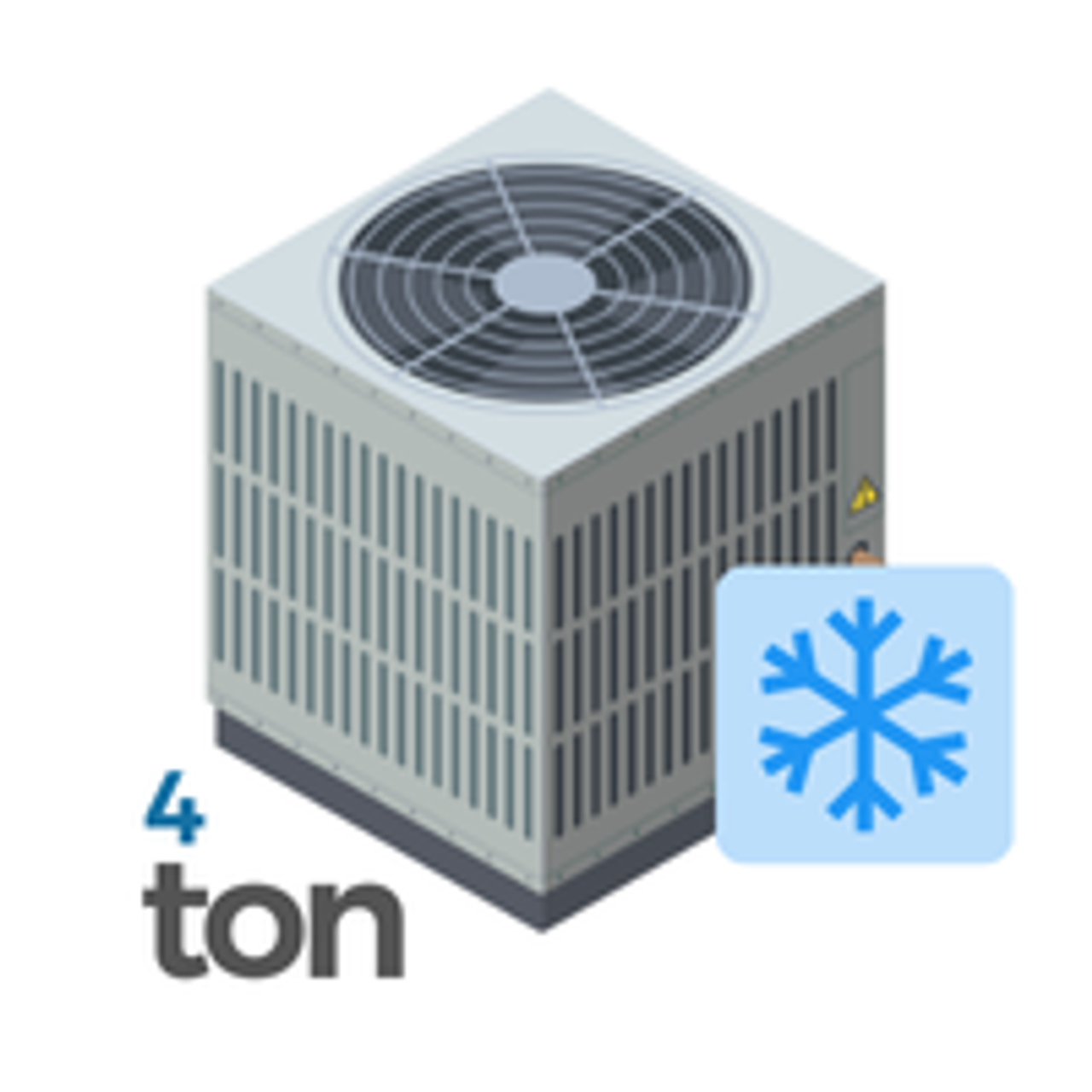
4 Ton Air Conditioner Condenser

4 Ton Air Conditioner Condenser

When a central air system goes down during a heat wave, or a new construction project needs a properly sized outdoor unit before the electricians can wrap up, having the right 4-ton condenser available and ready to ship is not a small thing. A 4-ton (48,000 BTU) air conditioner condenser is the outdoor half of a split cooling system: it rejects heat from the refrigerant, works in tandem with an indoor coil and air handler, and carries the cooling load for larger spaces where smaller tonnage simply cannot keep up. HVAC365 stocks a broad selection of 4-ton condensers across multiple brands, efficiency tiers, and application types, so whether you are sourcing one unit for a residential swap or pricing out multiple units for a commercial project, the selection is here without the runaround.

This category covers 4-ton split-system condensers intended for residential replacement, light commercial installation, and new construction. The buyers who typically shop here span the full range: homeowners replacing an aging outdoor unit on their own system, contractors pulling a unit for a specific job, commercial HVAC professionals specifying equipment for a larger project, and distributors or fleet buyers sourcing volume orders. The considerations that matter most differ slightly by situation, but the equipment itself draws from the same pool, and the guidance below applies across all of them. If you are also weighing other outdoor unit sizes or exploring the full range of outdoor equipment, the broader Air Conditioner Condensers category is the right place to compare across tonnages.

Choosing the Right 4-Ton Condenser

Tonnage is not a number to guess at. A 4-ton condenser is sized for a specific cooling load, and the only reliable way to confirm that 4 tons is actually the right number for a given space is a Manual J load calculation or an equivalent engineering analysis. Square footage alone does not determine load. Ceiling height, insulation quality, window area, local climate, and internal heat gains all factor in. If you are replacing an existing unit and the previous system was properly sized and performing well, matching the current tonnage is usually straightforward. If the old system was short-cycling, struggling to hold setpoint, or running almost continuously, the original sizing may have been off, and it is worth running the load numbers before ordering a replacement rather than repeating the mistake.

Application type matters too. A condenser rated and listed for residential use may not be appropriate for a light commercial space with different runtime expectations or code requirements. Check that the unit you are considering is listed for the application it will serve, and verify local mechanical code requirements before committing, since some jurisdictions have specific equipment listings or refrigerant requirements that narrow the field.

Efficiency tier is a real decision with real cost implications on both ends. Higher SEER2-rated equipment costs more upfront but lowers operating costs over time. The break-even point depends on local electricity rates, how many hours the system runs annually, and how long the equipment is expected to stay in service. Utility rebate programs can shift that math significantly, so it is worth checking the applicable utility's current rebate schedule before finalizing the spec. Note that as of the 2023 DOE regional efficiency standards, minimum SEER2 requirements vary by climate region. Confirm which minimum applies to the installation location before purchasing, since a unit that meets federal minimums may not meet regional minimums for a southern or southwestern installation.

Stage count is another factor worth thinking through. Single-stage condensers run at full capacity or not at all, which is efficient when the load matches the equipment's output but can cause short-cycling in milder conditions. Two-stage units can run at partial capacity, which tends to improve humidity control and extend run times at lower speeds. Variable-capacity (modulating) condensers go further, adjusting output continuously to match the load more precisely. The right choice depends on the climate, the building's load profile, and the buyer's priorities between upfront cost and long-term performance. The installation-readiness factors covered further down also play into which stage type is practical for a given site, particularly on the electrical supply side.

For contractors spec-matching for a specific job, the indoor coil and air handler compatibility is a non-negotiable starting point. For distributors pricing volume orders, lead time and availability by model tier are worth confirming before locking in a project bid.

Buying Tips

  • Do not skip the matched system verification. A 4-ton condenser paired with the wrong indoor coil can void manufacturer warranties, reduce system efficiency, and create refrigerant charge issues that are expensive to diagnose and correct after the install. Confirm the indoor coil is matched and listed with the specific condenser model you are ordering before the equipment arrives on site.
  • Check the disconnect and breaker size before ordering. A higher-efficiency or two-stage condenser in the same tonnage class may have a different minimum circuit ampacity or maximum overcurrent protection rating than the unit being replaced. Arriving on a job site and discovering the existing electrical setup does not meet the new unit's requirements adds cost and delay. Pull the spec sheet on the new unit and compare it against what is already installed.
  • Factor in refrigerant type early. The refrigerant used in a condenser must match the rest of the system. If you are replacing an existing outdoor unit and keeping the existing line set and indoor coil, verify that the refrigerant in the new condenser is compatible. Mixing refrigerant types or retrofitting a system not designed for a newer refrigerant is not a field fix.
  • Order accessories and line sets at the same time. A new condenser often requires a new line set, a new disconnect, or a new pad if the footprint has changed. Sourcing these separately after the unit arrives extends the install timeline unnecessarily. Work through the accessory checklist before placing the condenser order.

System Configurations Worth Knowing

Within the 4-ton condenser category, the most meaningful distinctions are stage count, refrigerant compatibility, and whether the unit is designed for residential or light commercial application. Beyond those, most 4-ton condensers in this category are conventional split-system outdoor units intended to pair with a matched indoor evaporator coil and air handler or furnace.

  • Single-stage condensers are the most common and typically the most affordable entry point. They operate at one output level and are well-suited to climates where peak load conditions are frequent. When the cooling load regularly matches the unit's full capacity, single-stage equipment performs efficiently.
  • Two-stage condensers offer a lower-capacity operating mode for milder days. This reduces short-cycling, often improves dehumidification (because the system runs longer at lower output), and can reduce energy consumption in climates with a wide range of outdoor temperatures.
  • Variable-capacity condensers modulate output across a broader range. They are generally the highest-efficiency option in this tonnage class and pair best with a compatible variable-speed air handler and a communicating thermostat or control system. The installation requirements for these units are more involved, so the electrical and controls notes below apply directly.

If the application is light commercial rather than residential, confirm the unit carries appropriate listings and is rated for the duty cycle and ambient temperature conditions the site presents. Some light commercial spaces have higher internal loads or less favorable outdoor conditions than a typical residential install, and not all residential-rated condensers are listed for those environments.

What It Takes to Install a 4-Ton Condenser

A 4-ton condenser is not a plug-in appliance, and site readiness matters as much as the unit itself. Work through these items before the equipment arrives on site.

Electrical supply. Verify the minimum circuit ampacity and maximum fuse or breaker size printed on the unit's rating plate against what is available at the disconnect. A 4-ton condenser typically requires a dedicated 240-volt circuit, but the exact ampacity requirement varies by model and efficiency tier. Do not assume the existing circuit from a replaced unit will carry the new one without checking. Pull the spec sheet for the specific model you are ordering and compare it to the panel capacity and disconnect rating already on site.

Disconnect and line set. The outdoor disconnect must be rated for the new unit's ampacity requirements. If the line set from a previous installation is being reused, check its diameter against the manufacturer's requirements for the new condenser. An undersized or oversized line set affects system performance and refrigerant charge, and some manufacturers require a specific line set length range for warranty compliance.

Refrigerant. The refrigerant in the new condenser must match the system. If the indoor coil or line set is being reused from a system that used a different refrigerant, those components may not be compatible. Measure this before the install, not during.

Pad and clearances. The condenser needs a stable, level mounting surface. If the footprint of the new unit differs from the unit being replaced, a new pad may be required. Check the manufacturer's required clearances on all sides and above the unit: insufficient clearance reduces airflow, strains the compressor, and can void the warranty. Verify local code requirements for setback from property lines and structures as well.

Ductwork and indoor system match. The condenser's airflow requirements must be compatible with the air handler and duct system. A 4-ton condenser paired with an undersized air handler or a duct system with excessive static pressure will not perform to rated capacity and may cause reliability problems. If the indoor system is being replaced at the same time, confirm the components are matched and listed together by the manufacturer.

Controls and communication. Variable-capacity condensers typically require a compatible communicating thermostat and, in some cases, a matched air handler to function as designed. A standard single-stage or two-stage thermostat will not unlock a variable-capacity unit's full efficiency range. Check the manufacturer's compatibility requirements for the specific condenser model before specifying the control system.

Operating temperature range. Look up the condenser's rated operating temperature range for both cooling and, if applicable, heating (for heat pump condensers). Units installed in climates with very high ambient temperatures need to be rated for those conditions. Operating outside the rated ambient range degrades performance and can damage the compressor.

Things You Should Know

Q: How do I know if 4 tons is the right size for my space?

A: The only reliable answer is a Manual J load calculation — square footage alone is not enough. If the existing 4-ton system was properly sized and performing well before it failed, matching the tonnage is usually correct. If the old system was short-cycling or struggling, the original sizing may have been wrong. The sizing section above covers the key variables in more detail.

Q: Does the condenser have to match the indoor coil?

A: Yes. The condenser and indoor evaporator coil must be matched and listed together by the manufacturer. A mismatched pairing can void the warranty, reduce system efficiency, and cause refrigerant charge problems that are costly to diagnose. The matched system listing is also required for the unit to qualify for most utility rebates. Confirm the indoor coil model is on the manufacturer's approved match list for the specific condenser you are ordering before placing the order.

Q: What SEER2 rating should I choose?

A: Start with the minimum SEER2 required by your climate region, then weigh the efficiency options against your local electricity rate and estimated annual runtime. Utility rebates can shift the effective cost difference substantially. The efficiency tier discussion above walks through how to think about the payback calculation.

Q: Can I reuse the existing line set when replacing the condenser?

A: Sometimes, but not always. Verify that the existing line set diameter matches the new condenser's requirements, that the refrigerant is compatible, and that the line set length falls within the manufacturer's allowable range. The installation section above covers line set and refrigerant compatibility in more detail.

Q: What electrical work is typically required for a 4-ton condenser?

A: A 4-ton condenser requires a dedicated 240-volt circuit, but the minimum circuit ampacity and maximum overcurrent protection rating vary by model and efficiency tier. Pull the spec sheet for the specific unit you are installing and compare those values against the existing disconnect and breaker. The electrical supply notes above cover what to check on site before the equipment arrives.

Q: Is a 4-ton condenser appropriate for light commercial use?

A: It depends on the unit's listings and ratings, not just its tonnage. Some 4-ton condensers are listed and rated for light commercial applications; others are residential-only. Check the manufacturer's application listing for the specific model, and verify that it is rated for the duty cycle and ambient conditions the commercial space presents. Local mechanical code may also have specific equipment listing requirements for commercial installations.

Q: What is the difference between a single-stage and a variable-capacity condenser at this tonnage?

A: A single-stage unit runs at full output or shuts off. A variable-capacity unit adjusts its output continuously to match the actual load, which generally improves humidity control, reduces energy consumption in partial-load conditions, and extends compressor life by avoiding hard starts and stops. Variable-capacity units cost more upfront and require compatible controls and a matched communicating air handler in most cases. The configurations section above and the installation notes cover the controls and compatibility requirements in more detail.

HVAC365 ships 4-ton condensers nationwide, with a broad stocked selection covering multiple brands and efficiency tiers, from standard single-stage residential units to higher-efficiency and light commercial configurations. Whether you are a homeowner sourcing a single replacement unit or a distributor pricing a volume order, the catalog is built to cover the full range without requiring you to shop across multiple vendors to find what the job actually calls for. Use the filters to narrow by brand, efficiency tier, or application type, and reach out if you need help confirming a matched system before you order.

Compare
Show: 12 24 48

Fast Shipping

Easy Returns

Warranty Coverage

Financing Available