null
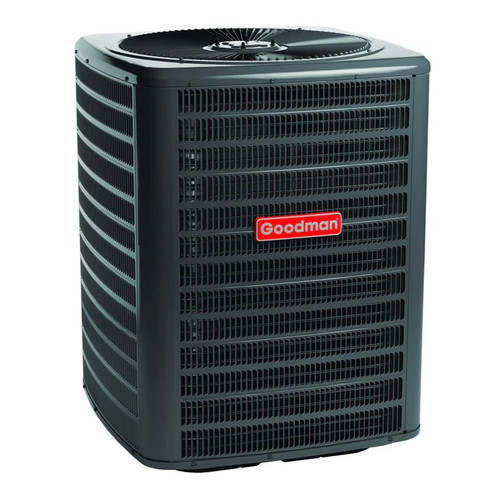
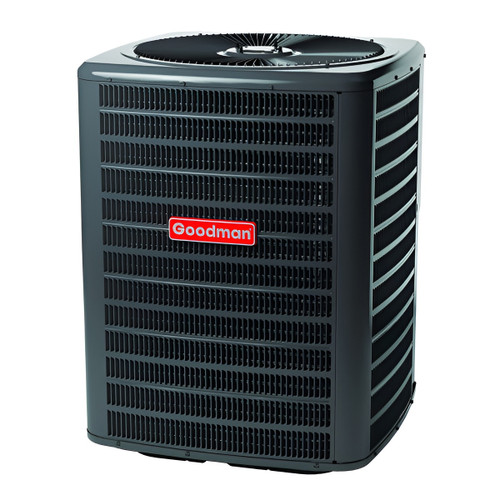
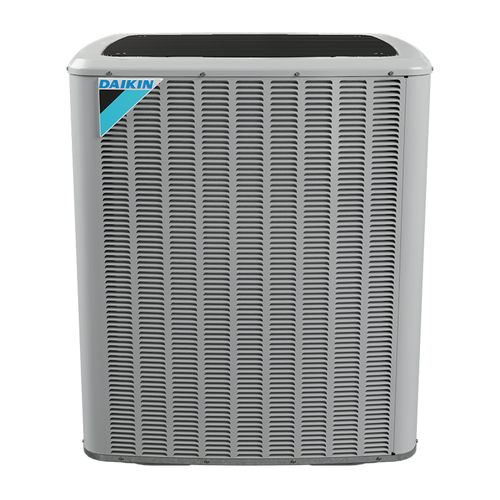
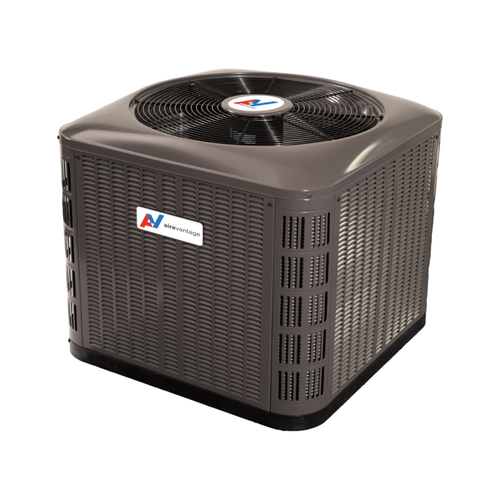
5 Ton Air Conditioner Condenser

5 Ton Air Conditioner Condenser

When a space is too large for a standard residential unit to cool reliably, a 5 ton condenser is often what gets specified. These 60,000 BTU outdoor units sit at the top of the common residential capacity range and cross into light commercial territory, handling square footages and internal heat loads that smaller systems simply cannot keep up with. HVAC365 stocks a broad selection of 5 ton condensers across brands, efficiency tiers, and configurations so that whether you are replacing an existing unit or specifying one for a new install, you can find the right match without waiting on a special order.

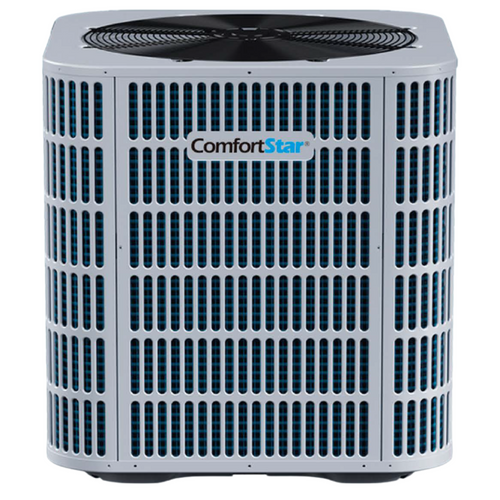
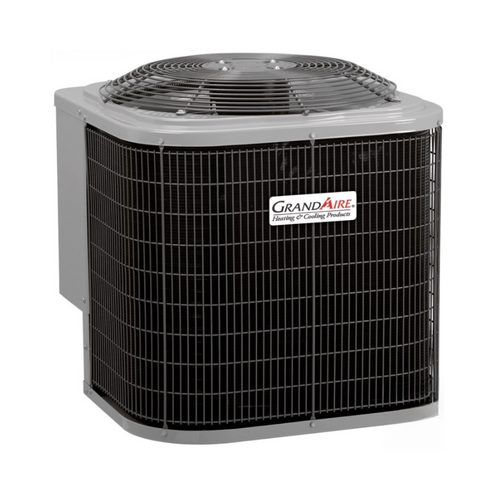
This category covers split-system air conditioner condensers rated at 5 tons (60,000 BTU nominal cooling capacity). The outdoor condensing unit is the half of a central air conditioning system that rejects heat to the outside: it houses the compressor, the condenser coil, and the fan. Paired with a matched indoor air handler or coil and connected through refrigerant line sets, it moves heat out of the conditioned space. At the 5 ton capacity level, the buyers who need these units are spread across a wide range. Homeowners replacing aging equipment in larger houses are one group. Contractors and HVAC technicians installing or servicing equipment in large residences, retail spaces, or light commercial buildings are another. Commercial buyers specifying units for tenant spaces or multi-zone systems fit here as well. And distributors sourcing inventory for contractor customers or fleet stock regularly move 5 ton equipment in volume. The needs of each group differ at the margins, but the equipment itself is the same.

Choosing the Right 5 Ton Condenser

Capacity is already settled in this category: you are here because a load calculation, an existing system's rating plate, or a professional assessment pointed you to 5 tons. What remains is matching everything else to the job.

The most important thing to verify is that your load calculation actually supports a 5 ton unit. This is the category where oversizing mistakes are most common, because buyers assume that bigger is safer. It is not. A condenser that is too large for the space will short-cycle: it satisfies the thermostat too quickly, never runs long enough to dehumidify the air properly, and wears on the compressor faster than a correctly sized unit would. If you have not done a Manual J load calculation or had one done, do that before ordering. The rating on the existing equipment is a starting point, not a substitute for a proper load calc on the actual structure as it stands today.

Efficiency tier is the next real decision. Condensers in this category will carry a SEER2 rating (the post-2023 federal test standard) and may also be positioned for regional efficiency requirements, which vary by climate zone. Higher efficiency units cost more upfront and often qualify for utility rebates or federal tax credits, which can close some or all of that gap depending on your location and the program available at the time of purchase. Lower efficiency units carry a lower purchase price and may be the right call when budget is tight and rebate programs are limited. Knowing the minimum efficiency your local code requires, and what rebate threshold your utility uses, should drive that decision rather than a general preference for higher SEER2 numbers.

Refrigerant compatibility is a factor that has grown more consequential in recent years. The transition away from R-410A is underway, and 2026 federal requirements are pushing the market toward lower-GWP refrigerant alternatives. If you are matching a replacement condenser to an existing indoor coil or air handler, the refrigerant the new condenser uses must be compatible with the existing equipment, or you are looking at a full system replacement rather than a component swap. This is worth resolving before purchase, not after the unit arrives on site.

Stage count is a real performance consideration at this capacity level. Single-stage compressors run at full capacity or not at all. Two-stage compressors can run at a lower capacity during milder conditions, which reduces short-cycling risk and improves dehumidification. Variable-capacity (modulating) compressors adjust output continuously, which is the most efficient and most comfortable option but also the most expensive. For a 5 ton load, the tradeoff between single-stage and two-stage (or variable) is worth thinking through, because the comfort difference in a large space can be significant and the installation-readiness factors (electrical, controls compatibility, thermostat) differ between them. Those site requirements are covered further down.

For distributors sourcing volume, the additional decision layer is lead time and availability by configuration. Certain efficiency tiers and refrigerant variants may have tighter supply windows, and knowing your contractor customers' typical specifications before placing a volume order saves back-and-forth.

Buying Tips

  • Match the refrigerant before you order. If the indoor coil or air handler is staying, confirm the refrigerant it is rated for and buy a condenser that matches. Mismatched refrigerants are not a field fix; they require a full system changeout.
  • Check the disconnect and breaker before the unit ships. A 5 ton condenser draws significantly more current than smaller units. The existing disconnect box and breaker size on site may not be rated for the new unit. Finding this out after the equipment arrives adds cost and delays the job. Pull the electrical spec from the condenser's submittal sheet and compare it to what is on the wall.
  • Do not skip the matched system documentation. Manufacturers publish AHRI-certified matched system ratings that confirm the condenser and indoor coil combination achieves the stated SEER2 and capacity. If the condenser and coil are mismatched, those ratings are not valid, and in some jurisdictions, the install will not pass inspection. Confirm the AHRI certificate number for your specific pairing before installation.
  • Factor in regional code before finalizing efficiency tier. Some states and utility territories have minimum SEER2 thresholds above the federal floor. Buying to the federal minimum and then discovering your jurisdiction requires a higher rating means returning a condenser that may already be on a truck.

How 5 Ton Condensers Are Typically Configured

At the 5 ton level, the most meaningful configuration distinctions come down to stage count, application rating, and how the unit is built to handle demand and environment.

  • Single-stage condensers run at one fixed capacity. They are straightforward to install and carry the lowest upfront cost at this capacity level. The tradeoff is that in a large space with variable cooling loads, they can cycle on and off more frequently than a two-stage or variable unit would, which can affect humidity control and mechanical longevity over time.
  • Two-stage condensers operate at a lower stage during moderate demand and ramp to full capacity when needed. For large residences or light commercial spaces with predictable daily load swings, this tends to improve comfort and efficiency without the full cost premium of a variable-speed system.
  • Variable-capacity (modulating) condensers adjust output continuously to match the load. This is the high-efficiency, high-comfort configuration and is increasingly common as efficiency standards rise. It also places the most demands on the control system and thermostat compatibility, so the installation-readiness factors below matter more here than with simpler stage configurations.
  • Light commercial-rated condensers at 5 tons are built to handle higher operating hours and more demanding duty cycles than standard residential units. If the install is in a retail space, a server room, a restaurant, or another commercial environment, confirm that the unit carries the appropriate commercial rating rather than assuming a residential 5 ton will hold up under continuous or near-continuous operation.

What It Takes to Install a 5 Ton Condenser

A 5 ton condenser is on the large end of what a residential electrical panel is typically set up to handle, and the first thing to verify on any new installation or replacement is the electrical supply. Check the voltage and phase requirement on the unit's spec sheet (most residential condensers run on 208/230V single-phase, but commercial-rated units may differ), then compare that against what is available at the disconnect on site. Verify the breaker size and wire gauge as well: undersized wiring is a fire risk, and an undersized breaker will trip under the compressor's startup draw. If the disconnect box is original to an older system, it may need to be upgraded even if the voltage is correct.

Refrigerant line sets need to match the condenser's requirements for line diameter and maximum line length. Longer runs between the outdoor and indoor units reduce system efficiency and can affect capacity; the manufacturer's installation guide will specify the acceptable range. If the existing line set is being reused from a prior system, have it inspected for contamination, correct sizing, and compatibility with the new refrigerant type before connecting it. Reusing a contaminated or incorrectly sized line set with a new condenser is one of the more common causes of early compressor failure.

Clearance around the outdoor unit matters more at 5 tons than at smaller capacities, because the unit is physically larger and moves more air. Measure the available space against the manufacturer's clearance requirements before setting the pad or positioning the unit. Insufficient clearance on the discharge side restricts airflow, raises head pressure, and reduces efficiency and equipment life.

Controls compatibility is a real installation variable if you are installing a two-stage or variable-capacity condenser. These systems typically require a communicating or multi-stage thermostat rather than a conventional single-stage control. Confirm that the thermostat and air handler controls are compatible with the condenser before the install, not on the day of startup.

For replacement installs, look up whether the new condenser requires a new indoor coil or can be AHRI-matched to the existing one. The condenser's approved coil list is in the manufacturer's documentation. Installing a non-matched indoor coil voids the rated system efficiency and may void the warranty.

Accessories to have on hand include a correctly sized disconnect, a pad or mounting surface rated for the unit's weight, and any start components specified in the installation guide. Some condensers ship with a hard-start kit or require one depending on the local power supply quality; check the spec sheet and the installation guide before startup.

Things You Should Know

Q: How do I know if 5 tons is the right capacity for my space?

A: Run a Manual J load calculation on the actual structure before ordering — square footage rules of thumb are not accurate enough at this capacity level. If you are replacing existing equipment, the rating plate is a starting point, but confirm the original sizing was correct for the space as it stands today. The sizing logic is covered in more detail above.

Q: Can I replace just the outdoor condenser and keep my existing indoor coil?

A: Sometimes, but not always. The new condenser must be AHRI-certified as a matched system with the coil you are keeping. Check the manufacturer's approved coil list and confirm the AHRI certificate number for that specific pairing. If the coil is too old, rated for a different refrigerant, or not on the approved list, a full system replacement is the right path. The refrigerant and matched-system points above cover the key reasons why.

Q: What does the SEER2 rating mean, and how does it affect my buying decision?

A: SEER2 is the federal efficiency rating that replaced SEER starting in 2023, using a more realistic test condition. Higher SEER2 means lower operating costs, but whether the premium pays back depends on your climate, usage pattern, and available rebates. Check your local code's minimum requirement and your utility's rebate threshold — the efficiency tier section above walks through how to make that call.

Q: What electrical supply does a 5 ton condenser require?

A: Pull the specific requirements — voltage, minimum circuit ampacity, and maximum overcurrent protection — from the condenser's spec sheet. Most residential 5 ton units run on 208/230V single-phase, but confirm against the actual unit and the supply on site. The electrical prep steps above explain what to verify before the install.

Q: Do I need to replace my refrigerant line set when installing a new 5 ton condenser?

A: Not necessarily, but the existing line set must be inspected for correct diameter, acceptable length, and compatibility with the new unit's refrigerant. If the refrigerant type is changing, all connected components need to be evaluated. A contaminated or incorrectly sized line set reused with a new condenser is a common source of early compressor failure — the line set section above has the specifics.

Q: What is the difference between a single-stage and a two-stage 5 ton condenser?

A: A single-stage condenser runs at full capacity whenever it operates. A two-stage can run at reduced capacity during lower-demand conditions, which typically improves humidity control, reduces short-cycling, and lowers operating costs in climates with variable cooling loads. The tradeoff is a higher purchase price. The configuration section above compares all three stage types in more detail.

Q: Is a 5 ton residential condenser suitable for a light commercial application?

A: Some 5 ton condensers carry both residential and light commercial ratings; others are rated for residential use only. For high-operating-hour or continuous-duty environments, verify the unit is rated for that application before buying. The light commercial configuration note above explains what to look for.

HVAC365 ships 5 ton condensers nationwide, with a stocked catalog that covers the range of brands, efficiency tiers, and configurations this capacity class calls for. Whether it is a homeowner replacing a failed unit before the next heat wave or a distributor restocking contractor supply, having the right unit available without back-ordering is the point. Browse the full selection above, or reach out if you need help confirming compatibility before you order.

Compare
Show: 12 24 48

Fast Shipping

Easy Returns

Warranty Coverage

Financing Available