
-
Goodman
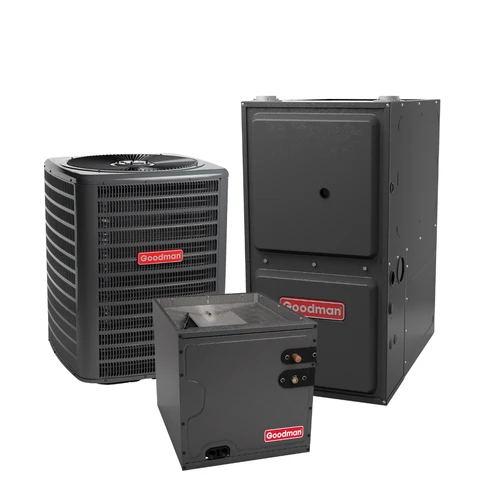
Goodman 3.5 Ton 15 SEER2 80% AFUE 100,000 BTU Gas Electric Air Conditioner Split System Upflow R-32 | GLXS4BA4210 GR9S801005CN CAPTA4230C3
SKU: GLXS4BA4210-GR9S801005CN-CAPTA4230C3
$5,246.00- 🚚Qualifies for FREE Shipping
- ⚡Fast Shipping
Ships in 2-3 Business Days45 in stock -
Goodman
Goodman 3.5 Ton 14.5 SEER2 80% AFUE 100,000 BTU Gas Electric Air Conditioner Split System Horizontal R-32 | GLXS4BA4210 GR9S801005CN CHPTA4230C3
SKU: GLXS4BA4210-GR9S801005CN-CHPTA4230C3
$5,284.00- 🚚Qualifies for FREE Shipping
- ⚡Fast Shipping
Ships in 2-3 Business Days45 in stock -
Rheem
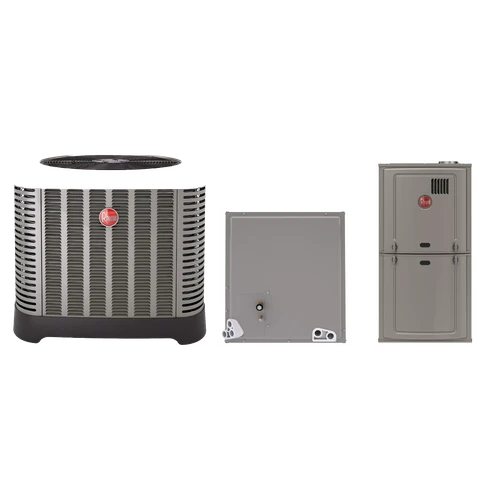
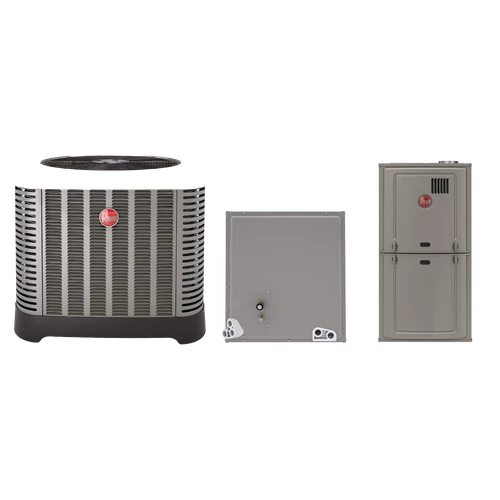
Rheem 3.5 Ton 15.2 SEER2 80% AFUE 100,000 BTU Gas Electric Air Conditioner Split System Upflow R-454B | WA14AY42AJ1NA R801T1005A21UHSNAS RCFY4821STANMC
SKU: WA14AY42AJ1NA-R801T1005A21UHSNAS-RCFY4821STANMC
$9,358.93- 🚚Qualifies for FREE Shipping
- ⚡Fast Shipping
Ships in 3-4 Business Days20 in stock -
Goodman
Goodman 3.5 Ton 15 SEER2 80% AFUE 100,000 BTU Gas Electric Air Conditioner Split System Horizontal R-32 | GLXS4BA4210 GR9S801005CN CHPTA4830C3
SKU: GLXS4BA4210-GR9S801005CN-CHPTA4830C3
$5,320.00- 🚚Qualifies for FREE Shipping
- ⚡Fast Shipping
Ships in 2-3 Business Days45 in stock -
Goodman
Goodman 3.5 Ton 15 SEER2 80% AFUE 100,000 BTU Gas Electric Air Conditioner Split System Upflow R-32 | GLXS4BA4210 GR9S801005CX CAPTA4230C3
SKU: GLXS4BA4210-GR9S801005CX-CAPTA4230C3
$5,322.00- 🚚Qualifies for FREE Shipping
- ⚡Fast Shipping
Ships in 2-3 Business Days45 in stock -
Rheem
Rheem 3.5 Ton 15.2 SEER2 80% AFUE 100,000 BTU Gas Electric Air Conditioner Split System Upflow R-454B | RA14AY42AJ1NA R801T1005A21UHSNAS RCFY4821STANMC
SKU: RA14AY42AJ1NA-R801T1005A21UHSNAS-RCFY4821STANMC
$9,791.40- 🚚Qualifies for FREE Shipping
- ⚡Fast Shipping
Ships in 3-4 Business Days25 in stock -
Goodman
Goodman 3.5 Ton 14.5 SEER2 80% AFUE 100,000 BTU Gas Electric Air Conditioner Split System Horizontal R-32 | GLXS4BA4210 GR9S801005CX CHPTA4230C3
SKU: GLXS4BA4210-GR9S801005CX-CHPTA4230C3
$5,360.00- 🚚Qualifies for FREE Shipping
- ⚡Fast Shipping
Ships in 2-3 Business Days45 in stock -
Goodman
Goodman 3.5 Ton 14.5 SEER2 80% AFUE 100,000 BTU Gas Electric Air Conditioner Split System Downflow R-32 | GLXS4BA4210 GD9S801005CN CAPTA4230C3
SKU: GLXS4BA4210-GD9S801005CN-CAPTA4230C3
$5,380.00- 🚚Qualifies for FREE Shipping
- ⚡Fast Shipping
Ships in 2-3 Business Days45 in stock -
Rheem
Rheem 3.5 Ton 14.8 SEER2 80% AFUE 100,000 BTU Gas Electric Air Conditioner Split System Upflow R-454B | RA14AY42AJ1NA R801V1005A21UHSCAP RCFY4821STANMC
SKU: RA14AY42AJ1NA-R801V1005A21UHSCAP-RCFY4821STANMC
$10,691.40- 🚚Qualifies for FREE Shipping
- ⚡Fast Shipping
Ships in 3-4 Business Days25 in stock -
Goodman
Goodman 3.5 Ton 15 SEER2 80% AFUE 100,000 BTU Gas Electric Air Conditioner Split System Upflow R-32 | GLXS4BA4210 GR9S801005CN CAPTA6030C3
SKU: GLXS4BA4210-GR9S801005CN-CAPTA6030C3
$5,381.00- 🚚Qualifies for FREE Shipping
- ⚡Fast Shipping
Ships in 2-3 Business Days45 in stock -
Goodman
Goodman 3.5 Ton 14.5 SEER2 80% AFUE 100,000 BTU Gas Electric Air Conditioner Split System Downflow R-32 | GLXS4BA4210 GD9S801005CX CAPTA4230C3
SKU: GLXS4BA4210-GD9S801005CX-CAPTA4230C3
$5,391.00- 🚚Qualifies for FREE Shipping
- ⚡Fast Shipping
Ships in 2-3 Business Days45 in stock -
Rheem
Rheem 3.5 Ton 14.8 SEER2 92% AFUE 100,000 BTU Gas Electric Air Conditioner Split System Multi-Position R-454B | RA14AY42AJ1NA R921T1005A21M4SNAS RCFY4821STANMC
SKU: RA14AY42AJ1NA-R921T1005A21M4SNAS-RCFY4821STANMC
$11,635.84- 🚚Qualifies for FREE Shipping
- ⚡Fast Shipping
Ships in 3-4 Business Days25 in stock
Buying guidance
100,000 BTU Gas Furnace






 Clearance Center
Mitsubishi R-410A Close-Outs
Remaining stock of Mitsubishi Electric R-410A ductless systems, priced to clear while quantities last.
Shop Mitsubishi Clearance
When a home runs cold in winter and a load calculation confirms 100,000 BTU of heating capacity is what the building actually needs, the furnace choice matters more than most buyers realize at first. Getting the right output, the right efficiency tier, and the right configuration for the ductwork and venting already on site is what separates a furnace that performs from one that short-cycles or strains the system around it. HVAC365 stocks a broad selection of 100,000 BTU gas furnaces to cover the configurations and efficiency levels that a real residential heating job calls for, so you are not choosing from a thin shelf when the season is already underway.
This category covers 100,000 BTU residential gas furnaces designed to burn natural gas and distribute heated air through a forced-air duct system. At this output level, these units are built for larger homes, colder climate zones, or properties with measurable heat loss that a smaller furnace cannot reliably offset. Within the broader 3.5 ton gas electric split system lineup, the 100,000 BTU furnace is the heating half of a matched gas-electric setup that handles both summer cooling and winter heating through shared ductwork. The buyers here range widely: homeowners replacing an aging unit in a larger house, contractors speccing a furnace for a specific job, and purchasing agents or distributors stocking furnaces for a fleet or resale channel. The furnace choice looks a little different depending on where you sit, and the notes below account for that.
Choosing the Right 100,000 BTU Gas Furnace
Capacity is the starting point, but it is not the whole decision. A 100,000 BTU input rating tells you how much gas the furnace consumes per hour; how much of that becomes usable heat depends entirely on the AFUE efficiency rating. An 80% AFUE unit delivers 80,000 BTU of actual heat per hour. A 96% or higher AFUE unit delivers significantly more of the same gas input as conditioned air. For a home that runs its furnace hard through a long winter, that gap compounds into real fuel savings over time. The tradeoff is upfront cost and venting: higher-efficiency condensing furnaces require PVC flue venting and a condensate drain, while standard 80% units use traditional metal venting. Before committing to either tier, verify what venting infrastructure is already in place and what replacing it would cost.
Sizing should come from a Manual J load calculation, not from square footage alone. Insulation quality, window area, ceiling height, climate zone, and duct layout all affect the actual heating demand. A furnace that is too large for the space will short-cycle, meaning it fires up, overheats the air quickly, and shuts off before the house reaches an even temperature. That wastes fuel, stresses the heat exchanger, and creates comfort complaints. A furnace that is undersized simply cannot keep up on the coldest days. If 100,000 BTU is what the load calculation produces, confirm that number against your specific site conditions before ordering.
Staging and blower type are worth thinking through separately from efficiency. Single-stage furnaces run at full capacity whenever they fire; two-stage units step down to a lower output level for mild days, which improves comfort and reduces cycling. Variable-speed blower motors go further by modulating airflow continuously to match the building's demand at any given moment. These features affect both comfort and operating cost, and they also affect what the thermostat and control system need to support. Contractors speccing for a specific job often need to match the furnace staging to what the connected system can actually use. Distributors buying for resale or fleet stock typically weight lead time and volume availability alongside the spec-matching considerations the installation-readiness factors covered further down address more directly.
Buying Tips
- Do not skip the coil compatibility check. A 100,000 BTU furnace in a gas-electric split system shares a cabinet with an evaporator coil above it. The coil and furnace must be matched for airflow. A mismatch here creates static pressure problems that no amount of duct tweaking fully corrects after the fact. Pull the coil model number and verify the furnace and coil are rated to work together before placing the order.
- Cabinet width determines whether it physically fits. Furnace cabinets come in different widths, and the rough opening in the utility room, alcove, or platform where the old furnace sat may not accommodate every model. Measure the existing opening before ordering, especially on replacements where moving walls is not an option.
- Multi-position vs. fixed orientation matters on a replacement. If the existing installation is horizontal (in an attic or crawl space) and you order a fixed upflow model, it simply does not work in that position. Confirm the orientation the install requires and match it to the furnace's rated positions.
- AFUE alone does not determine payback. Higher efficiency costs more upfront and may cost more to vent. In a mild climate where the furnace runs fewer hours per year, the payback period for a high-efficiency unit stretches out considerably. Run the numbers for the actual climate zone rather than defaulting to the highest AFUE available.
Configurations and What Each One Is For
At the 100,000 BTU level, the meaningful configuration choices break down along a few real axes. Understanding them upfront prevents ordering the wrong unit for the installation.
Efficiency tier. The clearest split in this category is between standard-efficiency 80% AFUE furnaces and high-efficiency condensing models rated at 90% AFUE and above, with many units landing at 96% or higher. Standard units use a single heat exchanger, vent through metal flue pipe, and carry a lower purchase price. Condensing units extract additional heat from exhaust gases through a secondary heat exchanger, produce liquid condensate that must drain away, and vent through PVC. Each tier fits a different site and a different budget calculus, as the choosing section above describes.
Staging. Single-stage, two-stage, and variable-speed (or variable-capacity) furnaces all exist at this output level. Single-stage is the straightforward, lower-cost option. Two-stage and variable-speed deliver better temperature consistency and often lower operating costs in exchange for a higher unit price and more involved controls. The right choice depends on the comfort expectations for the space and what the connected thermostat and system can support.
Installation position. Gas furnaces in residential applications mount in upflow, downflow, or horizontal configurations depending on where the ductwork connects. Multi-position furnaces can be field-configured for more than one orientation. A replacement job requires matching or accommodating the existing duct connection points; a new installation has more flexibility but still needs to match the duct design.
These distinctions are the real variables to work through for a 100,000 BTU gas furnace. Specific model availability within each configuration type is visible in the product listings.
What It Takes to Install One
A 100,000 BTU gas furnace is not a plug-and-play appliance. Several site-readiness factors need to be right before the unit goes in, and getting them wrong after the fact is expensive.
Gas supply. Check that the existing gas line is sized to handle the furnace's BTU input demand. Undersized gas piping causes pressure drop, which degrades burner performance and can trigger safety lockouts. A plumber or gas technician should verify line size and pressure at the appliance connection point before startup.
Venting. Standard 80% AFUE furnaces vent combustion gases through metal flue pipe, typically single-wall or double-wall depending on local code. High-efficiency condensing furnaces vent through PVC or CPVC and cannot share a chimney with other appliances. If you are replacing a standard furnace with a high-efficiency model, measure what venting work the swap requires, because that cost is part of the real upgrade math.
Condensate drainage. High-efficiency units produce liquid condensate from the secondary heat exchanger. That condensate needs a drain pathway, either to a floor drain, a condensate pump, or another approved route. Verify a drain option is available at the installation location before speccing a condensing model.
Electrical. Gas furnaces need a 120-volt circuit for the blower motor and controls. Look up the specific furnace's amp draw and verify the existing circuit breaker and wiring can handle it. Variable-speed blower models may draw differently at startup versus steady operation; pull from the unit's spec sheet rather than estimating.
Ductwork and airflow. At 100,000 BTU, the furnace moves a substantial volume of air. The duct system needs to be sized to handle that airflow without creating excessive static pressure. Undersized ducts make noise, stress the blower, and reduce efficiency. Have the duct system's total external static pressure measured if there is any question about capacity, particularly on older installs where the ductwork was sized for a different unit.
Matched system components. In a gas-electric split system, the furnace, evaporator coil, and outdoor condenser need to be properly matched. The evaporator coil sits in or on top of the furnace cabinet, and the air volume the furnace moves must align with the coil's airflow requirements. Ask the manufacturer or distributor to confirm the coil-furnace pairing before ordering if you are not working from a pre-matched system bundle.
Clearances and code. Gas furnaces require minimum clearances from combustibles on all sides and above. Local mechanical codes and the manufacturer's installation manual both specify these; measure the rough-in space and compare against the unit's published clearance requirements before finalizing the model selection.
Things You Should Know
Q: What size home does a 100,000 BTU furnace typically heat?
A: There is no single square footage answer because insulation quality, ceiling height, window area, and climate zone all affect the actual heating load. A properly conducted Manual J load calculation is the only reliable way to confirm whether 100,000 BTU is the right capacity for a specific home — the sizing principles above explain why square footage alone routinely produces oversized or undersized equipment.
Q: Can a 100,000 BTU gas furnace be oversized for a house?
A: Yes. An oversized furnace short-cycles: it heats the space rapidly, shuts off before the building reaches an even temperature, and then restarts. The sizing discussion above covers what that does to fuel use and the heat exchanger over time.
Q: What does 100,000 BTU mean on a gas furnace?
A: It refers to the furnace's rated heat input capacity per hour, measured in British Thermal Units. The actual heat delivered to the living space depends on the AFUE efficiency rating — an 80% AFUE unit delivers 80% of that input as usable heat. The efficiency tier comparison above walks through how that difference plays out in practice.
Q: Does a 100,000 BTU furnace work with a 3.5 ton air conditioning system?
A: This is a common matched configuration in gas-electric split systems. The furnace provides winter heat and the air handler moves conditioned air year-round through shared ductwork. Proper pairing still requires confirming that the evaporator coil and furnace cabinet are compatible for airflow — the installation notes above cover what to check on site.
Q: What is the difference between an 80% and a 96% AFUE furnace?
A: AFUE measures what fraction of the gas burned becomes usable heat. An 80% AFUE furnace exhausts 20% of the heat energy through the flue; a 96% unit exhausts far less. The higher-efficiency model costs more upfront and requires PVC venting and a condensate drain. Whether the fuel savings justify the price difference depends on local gas rates and annual runtime — the efficiency tier discussion above covers the tradeoffs in full.
Q: Do I need a permit for a gas furnace replacement?
A: In most jurisdictions, yes. Gas appliance replacements typically require a mechanical permit and an inspection, and the work must be performed or at minimum supervised by a licensed contractor. Check with your local building department before starting the job, since permit requirements vary by municipality.
Q: What venting type does a high-efficiency gas furnace require?
A: High-efficiency condensing furnaces (typically 90% AFUE and above) vent through PVC or CPVC pipe rather than metal flue, cannot share a masonry chimney with other appliances, and require a condensate drain. Standard 80% AFUE furnaces use metal venting and do not produce condensate. The venting tradeoffs between the two tiers are covered in the efficiency and installation sections above.
HVAC365 ships 100,000 BTU gas furnaces nationwide from a broad, stocked catalog, so whether you are a homeowner getting one unit replaced before the heating season or a distributor working through volume orders, availability is not the bottleneck. A furnace job at this capacity cannot wait long once temperatures drop, and having a stocked selection across efficiency tiers and configurations means the right unit is ready when the job is.


