
-
Daikin
Daikin 16-Inch Horizontal Square-to-Round Duct Adapter for M Series 3 Ton Packaged Units | SQRPGH101/102
SKU: SQRPGH101/102
$201.29- 🚚Qualifies for FREE Shipping
- ⚡Fast Shipping
Ships in 2-3 Business Days37 in stock -
Daikin
Daikin 16-Inch Downflow Square-to-Round Duct Adapter for M Series 3 Ton Packaged Units | SQRPG101/102
SKU: SQRPG101/102
$470.71- 🚚Qualifies for FREE Shipping
- ⚡Fast Shipping
Ships in 2-3 Business Days3 in stock -
Daikin
Daikin 16-Inch Downflow Square-to-Round Duct Adapter for 3 Ton Packaged Rooftop Units | DDNSQRD3616
SKU: DDNSQRD3616
$541.00- 🚚Qualifies for FREE Shipping
- ⚡Fast Shipping
Ships in 2-3 Business Days3 in stock -
Daikin
Daikin Downflow Internal Filter Rack for M Series 3 Ton AC and Heat Pump Units | DDNIFRPCHMM
SKU: DDNIFRPCHMM
$736.60- 🚚Qualifies for FREE Shipping
- ⚡Fast Shipping
Ships in 2-3 Business Days2 in stock -
Daikin
Daikin Downflow Internal Filter Rack for M Series 3-5 Ton Gas/Electric Units | DDNIFRPGA
SKU: DDNIFRPGA
$259.47- 🚚Qualifies for FREE Shipping
- ⚡Fast Shipping
Ships in 2-3 Business Days21 in stock -
Daikin
Daikin 18-Inch Horizontal Square-to-Round Duct Adapter for M Series 4-5 Ton Packaged Units | SQRPGH103
SKU: SQRPGH103
$330.89- 🚚Qualifies for FREE Shipping
- ⚡Fast Shipping
Ships in 2-3 Business Days23 in stock -
Daikin
Daikin 18-Inch Downflow Square-to-Round Duct Adapter for M Series 4-5 Ton Packaged Units | SQRPG103
SKU: SQRPG103
$345.16- 🚚Qualifies for FREE Shipping
- ⚡Fast Shipping
Ships in 2-3 Business Days7 in stock -
Daikin
Daikin Downflow Internal Filter Rack for M Series 4-5 Ton AC and Heat Pump Units | DDNIFRPCHML
SKU: DDNIFRPCHML
$531.82- 🚚Qualifies for FREE Shipping
- ⚡Fast Shipping
Ships in 2-3 Business Days10 in stock -
Daikin
Daikin 18-Inch Downflow Square-to-Round Duct Adapter for 4-6 Ton Packaged Rooftop Units | DDNSQRD487218
SKU: DDNSQRD487218
$706.04- 🚚Qualifies for FREE Shipping
- ⚡Fast Shipping
Ships in 2-3 Business Days3 in stock -
Daikin
Daikin 20-Inch Downflow Square-to-Round Duct Adapter for 7.5 Ton Packaged Rooftop Units | DDNSQRD9020
SKU: DDNSQRD9020
$696.87- 🚚Qualifies for FREE Shipping
- ⚡Fast Shipping
Ships in 2-3 Business Days3 in stock -
Daikin
Daikin 16-Inch Return / 14-Inch Supply Horizontal Square-to-Round Duct Adapters (2-Pack) for GPC/GPH Packaged Units | SQRPCH101
SKU: SQRPCH101
$92.22- 📦$14.95 Flat-Rate Shipping
- ⚡Fast Shipping
Ships in 2-3 Business Days223 in stock -
Daikin
Daikin 18-Inch / 16-Inch Horizontal Square-to-Round Duct Adapters (2-Pack) for GPC/GPH Packaged Units | SQRPCH102-103
SKU: SQRPCH102-103
$101.13- 📦$19.95 Flat-Rate Shipping
- ⚡Fast Shipping
Ships in 2-3 Business Days223 in stock
Buying guidance
Filter Racks & Duct Adapters
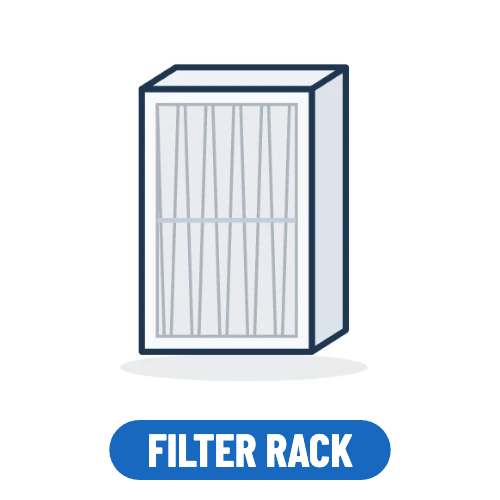


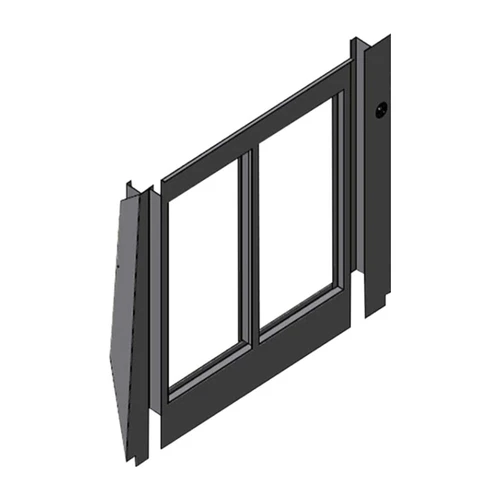


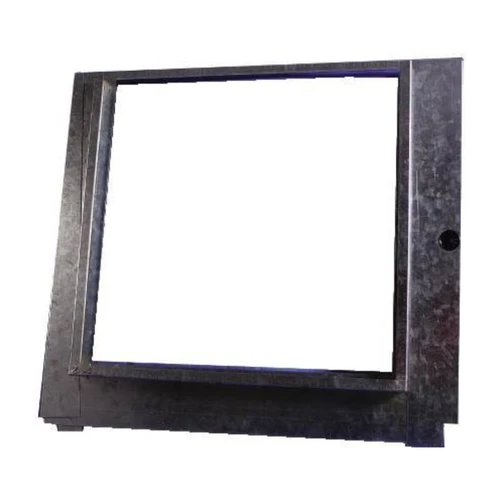
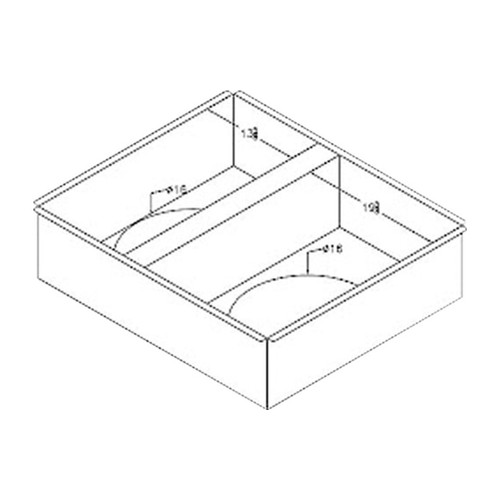

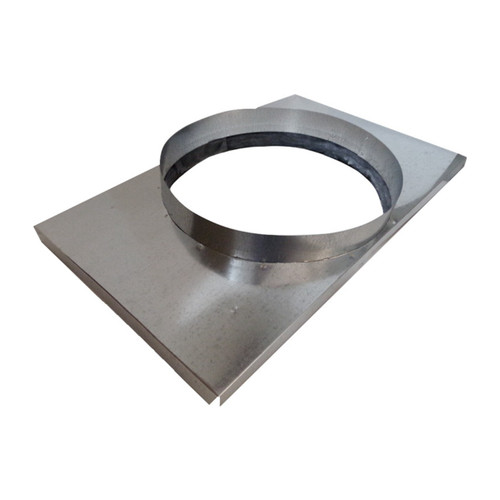
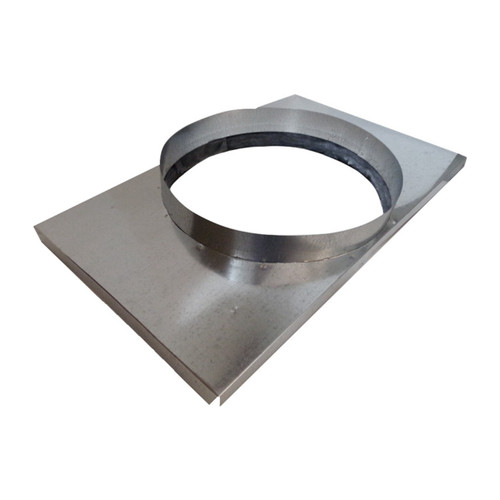
Internal Filter Racks and Square-to-Round Adapters for Light Commercial Packaged Units
Filter racks and duct adapters are small parts that decide how clean the coil stays and how cleanly the ductwork meets the unit. On light commercial packaged units in the 3 to 7.5 ton range, where round duct and flexible duct are common and filters are often hard to reach, they are worth getting right at installation. This category carries Daikin internal filter racks for M Series packaged units and Daikin square-to-round duct adapters for DCC/DCG/DCH packaged rooftop units, M Series units and Goodman GPC/GPH packaged units.
What Is in This Category
| Part | Type | Fits |
|---|---|---|
| DDNIFRPCHMM | Downflow internal filter rack, AC and heat pump | Daikin M Series 3 ton (DP3GM/DP3UM/DP3HM multi-position) |
| DDNIFRPCHML | Downflow internal filter rack, AC and heat pump | Daikin M Series 4-5 ton |
| DDNIFRPGA | Downflow internal filter rack, gas/electric | Daikin M Series 3-5 ton |
| DDNSQRD3616 | 16-inch downflow square-to-round | Daikin 3 ton packaged rooftop units |
| DDNSQRD487218 | 18-inch downflow square-to-round | Daikin DCC/DCG/DCH 4-6 ton |
| DDNSQRD9020 | 20-inch downflow square-to-round | Daikin 7.5 ton packaged rooftop units |
| SQRPG101/102, SQRPG103 | 16-inch and 18-inch downflow square-to-round | Daikin M Series 3 ton and 4-5 ton |
| SQRPGH101/102, SQRPGH103 | 16-inch and 18-inch horizontal square-to-round | Daikin M Series 3 ton and 4-5 ton |
| SQRPCH101 | 16-inch return / 14-inch supply horizontal, 2-pack | Goodman GPC/GPH packaged units listed on the product page |
| SQRPCH102-103 | 18-inch / 16-inch horizontal, 2-pack | Goodman GPC/GPH packaged units listed on the product page |
A 16-inch downflow adapter for curb-mounted PCCP packaged units appears under Rooftop Unit Roof Curbs, and an internal filter rack for M Series 3 ton gas/electric units fitted with an economizer is listed under Rooftop Unit Economizers.
Why Use an Internal Filter Rack
Many packaged units in this size range ship without a place for return filters in the cabinet for every configuration. The usual alternatives are a filter grille in the ceiling or a filter box in the return duct. Those work, but they put filters inside the occupied space or in a ceiling plenum, where they are easy to forget and awkward to service in a store or office during business hours. An internal rack puts the filters in the unit, on the roof, where the service technician already goes for every maintenance visit. That makes the filter change part of the routine PM rather than a separate task.
For a facility manager running a portfolio of small buildings, this is mostly about consistency: every unit has its filters in the same place, sized the same way, and changed on the same schedule.
Match the Rack to the Unit Type
The Daikin M Series racks are split by unit type. AC and heat pump units take the DDNIFRPCH racks, sized 3 ton (MM) or 4-5 ton (ML). Gas/electric units take the DDNIFRPGA rack, which covers 3 to 5 tons. The cabinets look alike from the outside, but Daikin lists the racks separately by unit type, so do not swap one for the other. These racks are for downflow installations. Check the unit's installation manual for filter provisions in horizontal configurations.
Filter Choice and Static Pressure
Higher-efficiency filters catch more but resist more airflow. Moving from a basic filter to MERV 8 or MERV 13 in a packaged unit adds pressure drop, and light commercial units are often already working against long duct runs and restrictive diffusers. Before upgrading filtration, check the unit's blower performance table against the measured external static pressure with the new filter loaded, not clean. If the blower cannot reach design airflow, a high static drive kit (see Blower, Vent and Conversion Kits) or a deeper, lower-resistance filter may be the answer. Low airflow causes frozen coils in cooling, high-limit trips in heating and short equipment life.
Setting a Filter Change Interval
There is no single correct interval. Restaurants, salons, gyms and buildings near construction or highways load filters much faster than a quiet office. A practical approach is to start with the interval in the maintenance contract, then read the pressure drop across the filter, or simply inspect it, at each visit for the first few months and adjust. Units bringing in more outdoor air through an economizer or fresh air damper also load filters faster. Writing the filter size and count on the unit door saves the next technician a trip back to the truck.
Square-to-Round Adapters: What They Solve
Packaged units have rectangular supply and return openings. Many light commercial duct systems, especially in retail and office fit-outs on smaller units, are built with round trunk or flexible duct. A square-to-round adapter makes that transition with a factory-fit flange instead of a field-built sheet metal fitting, which saves shop time and gives a tighter, more repeatable connection.
The adapter diameter is fixed by the unit cabinet: 16 inches for the Daikin 3 ton units, 18 inches for the 4 to 6 ton DCC/DCG/DCH units and M Series 4-5 ton units, 20 inches for the 7.5 ton units. The Goodman GPC/GPH horizontal adapters come as 2-packs, one for supply and one for return, with the return typically the larger of the pair. Whether that diameter suits the duct system downstream is a design question. Size the downstream ductwork for the airflow and the static pressure the unit can deliver, and transition to larger duct right after the adapter if the system calls for it.
Downflow Versus Horizontal Adapters
Downflow adapters sit under the unit and connect to duct running down through the roof or curb. On a curb-mounted unit they must be installed before the unit is set, because there is no access afterward. Horizontal adapters bolt to the duct openings on the side of the unit and connect to duct running across the roof or through a wall. The SQRPGH horizontal adapters are for M Series units; the SQRPG and DDNSQRD adapters are downflow.
Installation Sequence
- Confirm the unit configuration, downflow or horizontal, and that the adapter matches the cabinet size.
- For downflow: attach the adapters and connect the round duct before setting the unit on the curb or frame.
- For horizontal: set the unit, remove the duct covers as the instructions direct, and fasten the adapters to the openings.
- Seal all joints with the method the project and energy code require, typically mastic or listed tape, and insulate the duct to the required value.
- On rooftop horizontal runs, weatherproof and support the duct so it does not load the unit flanges.
- Install the internal filter rack and filters, then verify airflow and external static at start-up.
Ordering Tips
- Give the unit model number and configuration. For M Series units, tell us whether the unit is AC, heat pump or gas/electric so the rack is right.
- Order adapters with the unit. Downflow adapters are needed before the unit is set.
- For the Goodman horizontal 2-packs, check the unit model against the list on the product page; the two packs fit different model ranges.
- Order a starter supply of filters in the size the rack calls for.
Frequently Asked Questions
Can I use the AC/heat pump filter rack in an M Series gas/electric unit?
No. Daikin lists separate racks: DDNIFRPCH for AC and heat pump units and DDNIFRPGA for gas/electric units.
Do I still need a return filter grille if I install an internal rack?
No, one filter location is enough. Two filters in series add static pressure without much benefit. Remove or leave the grille unfiltered once the rack is in.
What size adapter does a Daikin 5 ton DCC need?
The 18-inch DDNSQRD487218, which is listed for DCC/DCG/DCH 4 to 6 ton units.
Can I go to a MERV 13 filter in the rack?
Possibly. Check the unit blower table against the added pressure drop. If the unit cannot hold design airflow, consider a high static kit or a lower-resistance filter.
Does the horizontal 2-pack include both supply and return?
Yes. SQRPCH101 is a 16-inch return and 14-inch supply pair; SQRPCH102-103 is an 18-inch and 16-inch pair.
Are these adapters insulated?
Treat them as sheet metal transitions and insulate and seal them along with the connected ductwork to the level the energy code and project specifications require, especially on horizontal runs exposed on the roof.


