
-
Daikin
Daikin 25% Manual Downflow Fresh Air Damper for 3 Ton Units | DDN25FDPGCHMM
SKU: DDN25FDPGCHMM
$333.27- 🚚Qualifies for FREE Shipping
- ⚡Fast Shipping
Ships in 2-3 Business Days3 in stock -
Daikin
Daikin 25% Manual Horizontal Fresh Air Damper for 3 Ton Units | DHZ25FDPGCHMM
SKU: DHZ25FDPGCHMM
$521.31- 🚚Qualifies for FREE Shipping
- ⚡Fast Shipping
Ships in 2-3 Business Days2 in stock -
Daikin
Daikin 25% Motorized Downflow Fresh Air Damper for 3 Ton Units | DDN25MFDPGCHMM
SKU: DDN25MFDPGCHMM
$868.87- 🚚Qualifies for FREE Shipping
- ⚡Fast Shipping
Ships in 2-3 Business Days4 in stock -
Daikin
Daikin 25% Manual Downflow Fresh Air Damper for 4-5 Ton Units | DDN25FDPGCHML
SKU: DDN25FDPGCHML
$352.31- 🚚Qualifies for FREE Shipping
- ⚡Fast Shipping
Ships in 2-3 Business Days5 in stock -
Daikin
Daikin 25% Manual Horizontal Fresh Air Damper for M Series 4-5 Ton Packaged Units | DHZ25FDPGCHML
SKU: DHZ25FDPGCHML
$535.60- 🚚Qualifies for FREE Shipping
- ⚡Fast Shipping
Ships in 2-3 Business Days2 in stock -
Daikin
Daikin 25% Motorized Downflow Fresh Air Damper for 4-5 Ton Units | DDN25MFDPGCHML
SKU: DDN25MFDPGCHML
$868.87- 🚚Qualifies for FREE Shipping
- ⚡Fast Shipping
Ships in 2-3 Business DaysOnly 1 in stock -
Daikin
Daikin 25% Motorized Horizontal Fresh Air Damper for 4-5 Ton Units | DHZ25MFDPGCHML
SKU: DHZ25MFDPGCHML
$1,356.84- 🚚Qualifies for FREE Shipping
- ⚡Fast Shipping
Ships in 2-3 Business DaysOnly 1 in stock -
$880.76
- 🚚Qualifies for FREE Shipping
- ⚡Fast Shipping
Ships in 2-3 Business Days15 in stock -
$2,232.87
- 🚚Qualifies for FREE Shipping
- ⚡Fast Shipping
Ships in 2-3 Business Days10 in stock -
$2,689.91
- 🚚Qualifies for FREE Shipping
- ⚡Fast Shipping
Ships in 2-3 Business Days3 in stock -
Daikin
Daikin Horizontal 25% Fresh Air Damper for 15-25 Ton Units | SHZE25FD180300
SKU: SHZE25FD180300
$4,132.38- 🚚Qualifies for FREE Shipping
- ⚡Fast Shipping
Ships in 2-3 Business DaysOnly 1 in stock -
$1,356.82
- 🚚Qualifies for FREE Shipping
- ⚡Fast Shipping
Ships in 1-2 Business Days12 in stock
Buying guidance
Fresh Air Dampers
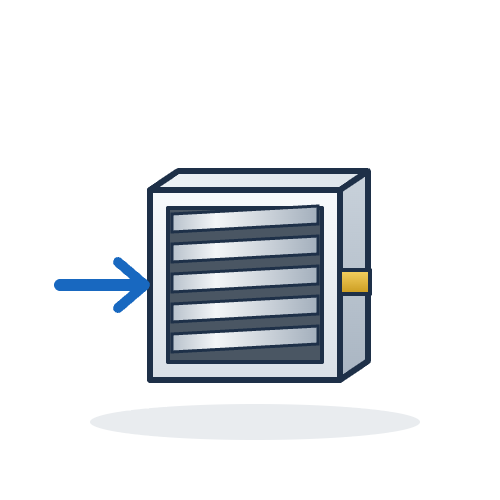


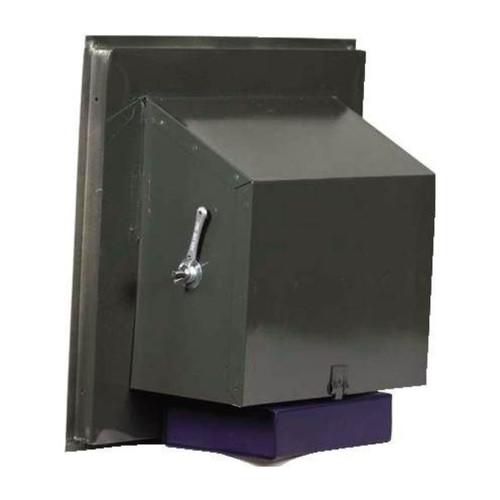

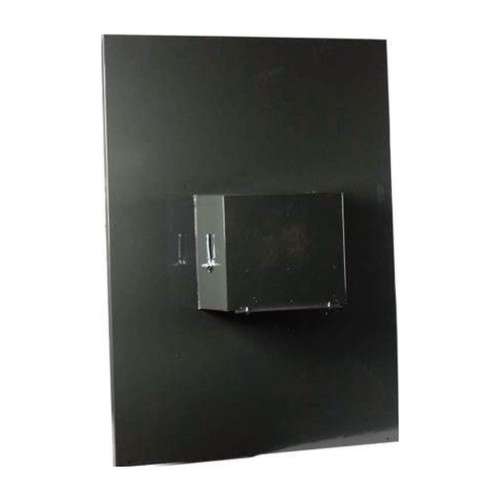
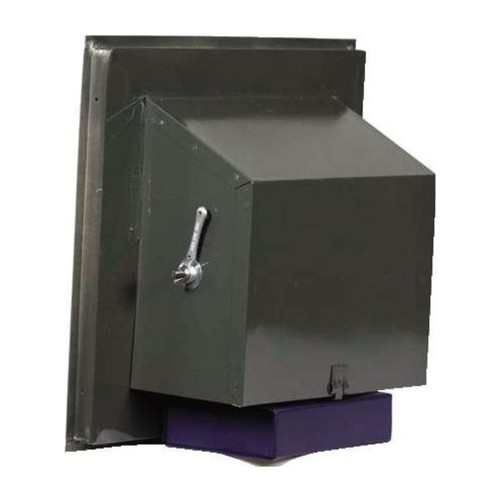
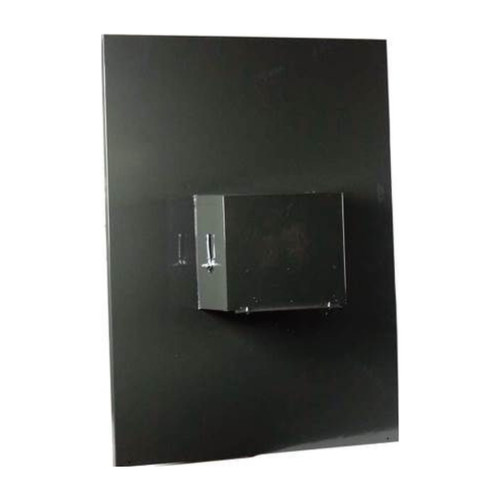


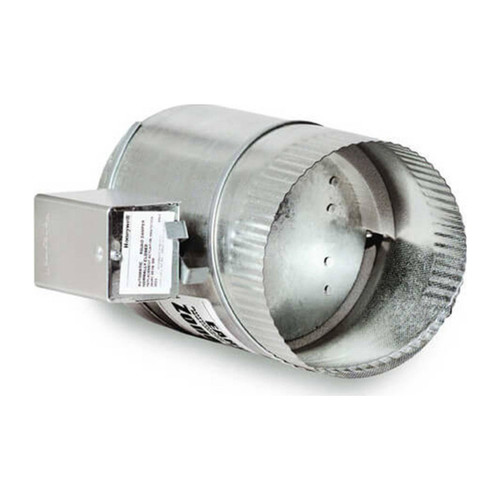
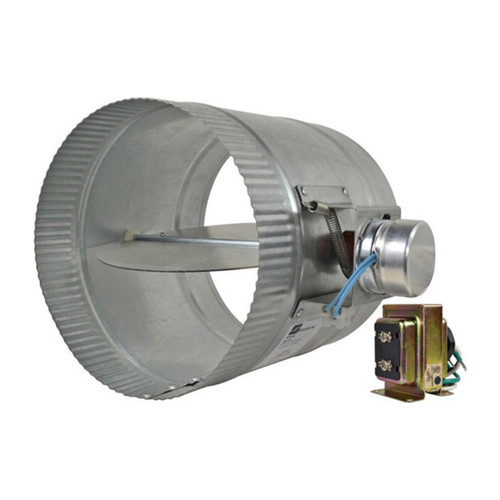
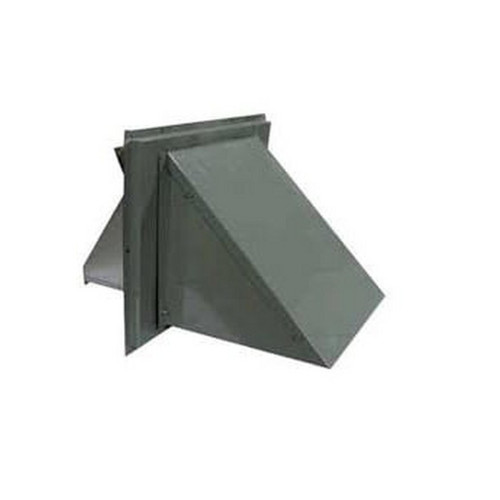
Fresh Air Dampers for Code-Required Ventilation on Commercial Packaged Units
Every occupied commercial space needs outdoor air, and the mechanical code and ventilation standard the jurisdiction has adopted, typically the International Mechanical Code or ASHRAE Standard 62.1, set how much. When a rooftop unit does not need an economizer, or the energy code does not require one for that unit size and climate, a fresh air damper is the simpler and less expensive way to bring in that ventilation air. This category carries manufacturer-matched outdoor air dampers for Daikin and Rheem commercial packaged units from 3 to 25 tons in manual, motorized and DDC versions.
A fresh air damper does one job: it admits a set amount of outdoor air into the unit's return. It does not do free cooling. If the project needs the unit to use cool outdoor air in place of mechanical cooling, look at Rooftop Unit Economizers instead.
What Is in This Category
| Brand and unit size | Manual | Motorized |
|---|---|---|
| Daikin 3 ton packaged units, downflow | DDN25FDPGCHMM (25%) | DDN25MFDPGCHMM (25%) |
| Daikin 4-5 ton packaged units, downflow | DDN25FDPGCHML (25%) | DDN25MFDPGCHML (25%) |
| Daikin 3 ton and M Series 4-5 ton, horizontal | DHZ25FDPGCHMM, DHZ25FDPGCHML (25%) | DHZ25MFDPGCHML (25%, 4-5 ton) |
| Daikin 15-25 ton units | S25FD180300 (25%), SHZE25FD180300 horizontal (25%) | S25MFD180300 (25%), S50MFD180300 (50%) |
| Rheem 3-6 ton, C cabinet | RXRF-ACA1 | RXRF-ACB1 |
| Rheem 7.5-12.5 ton, D cabinet | RXRF-ADA1 (0-25%) | RXRF-ADB1 (0-25%), RXRF-ADC1 (DDC) |
| Rheem 15-25 ton, G cabinet | RXRF-AGA1 | – |
| Rheem RHPXYC | RXRF-FAA2 fixed 0-35% | – |
Several of the Daikin 3 to 5 ton dampers are listed for Daikin DP series packaged units; check each product page for the exact model match. The percentage on the part is the maximum share of outdoor air the damper is designed to admit, not a fixed setting.
Manual, Motorized or DDC
Manual dampers are set once to a fixed opening during start-up. They are the least expensive, but the opening stays the same whether the unit is running, idling or off, and whether the building is occupied or empty. On a unit that cycles its fan with the compressor, outdoor air also stops when the fan stops.
Motorized dampers use an actuator tied to the unit's fan or occupancy control so the damper opens to its set position when the unit is ventilating and closes when it is not. That keeps unconditioned air out of the building after hours, reduces heating and cooling load, and, in humid climates, limits moisture entering through an idle unit. Motorized is the better default for most commercial buildings with defined occupied hours.
DDC dampers, such as the Rheem RXRF-ADC1, are built to be commanded by the unit's communicating controls or a building automation system. Choose them when the owner wants the ventilation damper scheduled and monitored from the BAS.
Working Out How Much Outdoor Air You Need
The ventilation airflow comes from the design: the occupancy category, the number of people and the floor area, run through the adopted code or standard. That is the mechanical designer's number and it belongs on the drawings or the equipment schedule. Your job when selecting a damper is to make sure the damper can deliver it.
Convert the design outdoor air to a share of the unit's supply airflow. As an illustration, a unit moving 4,000 CFM that must bring in 800 CFM of outdoor air needs 20 percent. A 25 percent damper can do that with some margin. If the required share is above what the damper offers, step up to the 50 percent motorized damper where one is offered for the cabinet, use an economizer set to a higher minimum position, or treat the ventilation air separately with a dedicated outdoor air system. Remember that high outdoor air percentages also raise the unit's cooling and heating load, so the unit selection has to account for them.
Humidity and Building Pressure
In hot, humid climates, outdoor air is the biggest moisture load on many small commercial buildings. A damper left open on a unit that runs its fan continuously while the compressor cycles off can push humid air straight into the space. Motorized dampers that close when the space is unoccupied help, and the unit's fan and dehumidification settings should be reviewed together with the damper setting.
Any outdoor air brought in has to leave. At modest ventilation rates, the building's normal exfiltration and exhaust fans usually handle it. If doors whistle or are hard to close once the damper is set, the building is pressurized and relief needs attention; Rooftop Unit Power Exhaust covers that side.
Installation and Setting the Damper
- Confirm the damper matches the unit cabinet and duct configuration. Downflow and horizontal dampers are not interchangeable.
- With power locked out, install the damper and hood in the unit's outdoor air opening per the instructions, sealing the hood to keep rain out.
- For motorized and DDC dampers, wire the actuator to the unit control terminals specified in the instructions so it follows fan or occupancy status.
- Run the unit and set the opening. A practical field check uses three temperatures: outdoor air (OAT), return air (RAT) and mixed air (MAT) downstream of the damper. Outdoor air fraction is approximately (RAT − MAT) divided by (RAT − OAT). This works best when outdoor and return temperatures are at least 15 to 20 degrees apart.
- Lock the setting, record it on the unit and in the start-up report.
Common Fresh Air Damper Mistakes
- Leaving the damper at the factory position. The opening has to be set to the design airflow during start-up. A damper that is never set is either starving the space of ventilation or wasting energy.
- Ordering downflow for a horizontal unit. The hoods and frames differ. Confirm the duct configuration on the unit, not just on the drawings.
- Using a manual damper where the building is empty half the day. Every unoccupied hour with the damper open adds load, and in humid regions adds moisture.
- Forgetting the filter. Outdoor air carries pollen, dust and debris. Check filter loading more often after adding outdoor air, and consider the internal filter racks listed under Filter Racks and Duct Adapters where the unit supports them.
Ordering Tips
- Provide the unit model number, duct configuration and whether you need manual, motorized or DDC.
- For Daikin 3 to 5 ton units, confirm whether the unit is a 3 ton or 4-5 ton cabinet; the damper part numbers differ.
- If the ventilation requirement is close to the damper's maximum, send us the design CFM and unit airflow and we will check the selection.
- Order the damper with the unit and curb so it is on site at start-up.
Frequently Asked Questions
Is a fresh air damper enough, or do I need an economizer?
That depends on the energy code adopted where the building is, the unit's cooling capacity and the climate zone. When the code does not require an economizer and free cooling is not wanted, a fresh air damper meets the ventilation need at lower cost.
Will a manual damper meet code?
A manual damper can deliver the required ventilation airflow. Some energy codes require outdoor air dampers to close automatically when the system is off or the building is unoccupied, which calls for a motorized damper. Check the code edition your jurisdiction uses.
What does the 25 percent on the part number mean?
It is the maximum share of the unit's airflow the damper is designed to admit. You set the actual opening during start-up to deliver the design outdoor air.
How do I verify the outdoor air setting without a flow hood?
Use the mixed air temperature method described above, or measure outdoor airflow directly at the hood with a suitable instrument. Record the result in the start-up report.
Can I add a motorized actuator to a manual damper later?
Generally, plan on ordering the motorized version instead. The motorized dampers here are complete assemblies matched to the unit controls.
Does a DDC damper work without a building automation system?
It is designed to be commanded by communicating unit controls or a BAS. On a unit with a conventional thermostat and no BAS, choose a standard motorized damper.


