
-
Daikin
Daikin Power Exhaust Prop Downflow Economizer for 7.5-12.5 Ton Packaged Unit 208-230 Volts | 0270L01134
SKU: 0270L01134
$1,059.95- 🚚Qualifies for FREE Shipping
- ⚡Fast Shipping
Ships in 2-3 Business Days2 in stock -
Daikin
Daikin Power Exhaust Prop Horizontal Economizer for 7.5-12.5 Ton Packaged Unit 208-230 Volts | 0270L01137
SKU: 0270L01137
$2,205.95- 🚚Qualifies for FREE Shipping
- ⚡Fast Shipping
Ships in 2-3 Business Days3 in stock -
$1,947.20
- 🚚Qualifies for FREE Shipping
- ⚡Fast Shipping
Ships in 2-3 Business Days3 in stock -
Daikin
Daikin Horizontal Power Exhaust for 15-25 Ton Packaged Rooftop Units, Non-Modulating, 460V 3-Phase | SHPE1803004
SKU: SHPE1803004
$4,677.58- 🚚Qualifies for FREE Shipping
- ⚡Fast Shipping
Ships in 2-3 Business Days3 in stock -
Daikin
Daikin Horizontal Power Exhaust for 15-25 Ton Packaged Rooftop Units, Non-Modulating, 208/230V 3-Phase | SHPE1803002
SKU: SHPE1803002
$5,510.73- 🚚Qualifies for FREE Shipping
- ⚡Fast Shipping
Ships in 2-3 Business Days3 in stock -
Daikin
Daikin Downflow Power Exhaust for 15-25 Ton Packaged Rooftop Units, Non-Modulating, 460V 3-Phase | SPE1803004
SKU: SPE1803004
$6,274.84- 🚚Qualifies for FREE Shipping
- ⚡Fast Shipping
Ships in 2-3 Business Days3 in stock -
Daikin
Daikin Downflow Power Exhaust for 15-25 Ton Packaged Rooftop Units, Non-Modulating, 208/230V 3-Phase | SPE1803002
SKU: SPE1803002
$6,274.84- 🚚Qualifies for FREE Shipping
- ⚡Fast Shipping
Ships in 2-3 Business DaysOnly 1 in stock -
Daikin
Daikin DDC Downflow Power Exhaust for 15-25 Ton Packaged Rooftop Units, Non-Modulating, 460V 3-Phase | SPEDDC1803004
SKU: SPEDDC1803004
$7,176.62- 🚚Qualifies for FREE Shipping
- ⚡Fast Shipping
Ships in 2-3 Business Days3 in stock -
Daikin
Daikin Horizontal Power Exhaust for 15-25 Ton Packaged Rooftop Units, Non-Modulating, 575V 3-Phase | SHPE1803007
SKU: SHPE1803007
$8,157.78- 🚚Qualifies for FREE Shipping
- ⚡Fast Shipping
Ships in 2-3 Business Days3 in stock
Buying guidance
Rooftop Unit Power Exhaust


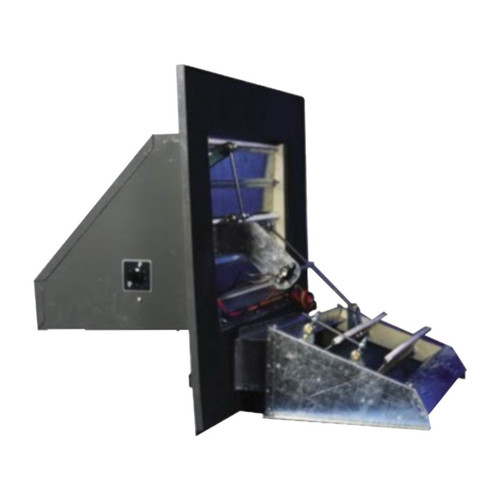

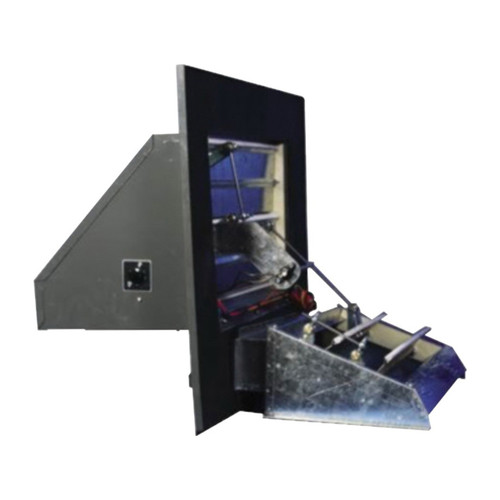
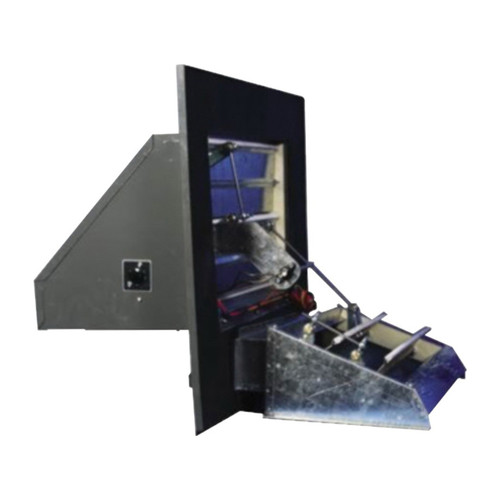
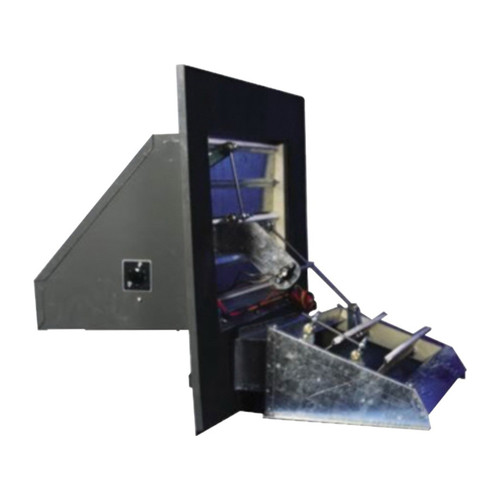
Specifying Power Exhaust and Relief for Commercial Rooftop Units by Voltage and Orientation
When an economizer opens to bring in outdoor air for free cooling, the same amount of air has to leave the building somewhere. On many buildings a barometric relief damper handles it. On others, especially tight buildings, tall return paths or units that run at high outdoor air percentages, the relief needs a fan. This category holds the manufacturer-matched power exhaust assemblies and relief dampers that mount on Daikin and Rheem commercial packaged units, and it is organized around the details that actually determine the part number: unit cabinet, airflow orientation, supply voltage and control type.
What Is in This Category
| Part | Unit fit | Orientation | Electrical and control |
|---|---|---|---|
| Daikin 0270L01134 | 7.5-12.5 ton Daikin packaged units | Downflow economizer | 208-230V, propeller exhaust |
| Daikin 0270L01137 | 7.5-12.5 ton Daikin packaged units | Horizontal economizer | 208-230V, propeller exhaust |
| Daikin SPE1803002 | 15-25 ton Daikin packaged units | Downflow | 208/230V 3-phase, non-modulating |
| Daikin SPE1803004 | 15-25 ton Daikin packaged units | Downflow | 460V 3-phase, non-modulating |
| Daikin SPEDDC1803004 | 15-25 ton Daikin packaged units | Downflow | 460V 3-phase, non-modulating, DDC |
| Daikin SHPE1803002 / 1803004 / 1803007 | 15-25 ton Daikin packaged units | Horizontal | 208/230V, 460V and 575V 3-phase, non-modulating |
| Daikin SBRD180300 | 15-25 ton Daikin packaged units | – | Barometric relief damper, no fan |
| Rheem RXRX-CDF01D | Rheem D cabinet: RACDYB and RGEDYB 7.5-12.5 ton, RHPDYB 7.5-10 ton | Convertible downflow/horizontal | 460V, for use with the listed Rheem economizers |
The 15 to 25 ton Daikin power exhaust assemblies are listed for the DSC/DSG and DFC/DFG 180-300 families. Check each product page for the exact model list before ordering.
Four Things That Set the Part Number
- Cabinet. Power exhaust mounts on or alongside the economizer, so it follows the economizer's cabinet fit. Choose the economizer first, then the exhaust that goes with it.
- Orientation. Downflow and horizontal assemblies are different. A unit installed horizontally needs the horizontal power exhaust, even if the same unit model is more often installed downflow. The Rheem RXRX-CDF01D is convertible between the two.
- Voltage. The exhaust fan motor is built for a specific supply. Daikin offers 15 to 25 ton assemblies at 208/230V, 460V and, in the horizontal version, 575V. Match the exhaust voltage to the unit nameplate. A 460V assembly cannot be field-converted to run on a 208V unit.
- Control. The Daikin 15 to 25 ton assemblies here are non-modulating, meaning the exhaust fan runs on or off rather than varying speed. The DDC version is intended for units and buildings where the exhaust is commanded by communicating unit controls or a building automation system.
Barometric Relief or a Fan: Field Signals
Barometric relief is a gravity damper that opens when building pressure pushes it. It costs less, uses no power and has nothing to wire. It works when the return duct and ceiling plenum present little resistance, so building pressure can reach the relief damper easily. Signs that a building needs powered exhaust instead:
- The economizer cannot reach full outdoor air because the space pressurizes first.
- Exterior doors stand open, whistle or are hard to close when the economizer is open.
- The return path is long, ducted, or has fire or smoke dampers and other restrictions that keep pressure from reaching the relief damper.
- The unit serves a space with high outdoor air requirements for much of the year.
On the Daikin 15 to 25 ton units, the SBRD180300 is the barometric option and the SPE and SHPE assemblies are the powered options for the same cabinets. The decision is ideally made at design; when it is not, starting with barometric relief and measuring building pressure at commissioning is a reasonable approach on a straightforward building.
How Power Exhaust Is Typically Controlled
Non-modulating power exhaust is turned on and off by the economizer controller or the unit controls, usually when the outdoor air damper opens past a set position, or by a building pressure input where one is installed. The exact sequence depends on the economizer controller and the unit's control board, so wire it per the unit and economizer instructions and set the enable point during commissioning. When the exhaust fan is off, its backdraft damper should close so the opening does not leak conditioned air.
Electrical Planning
Adding a powered exhaust adds a motor load. Depending on the unit and assembly, it may be fed through the unit or need its own circuit; the installation instructions and the unit's electrical data tell you which, and what the resulting circuit requirements are. Size conductors and overcurrent protection from those published values and the electrical code that applies. On 460V and 575V buildings, confirm the assembly voltage matches before it ships to the roof.
Installation Sequence
- Install the economizer first and confirm it operates through its full stroke.
- With power locked out, mount the power exhaust or barometric relief in the location the instructions specify for that unit and orientation.
- Seal the hood and frame to keep water out of the return section.
- Make the power and control connections. Check fan rotation where the motor is three-phase.
- Run the economizer to full outdoor air and confirm the exhaust enables and the backdraft damper opens and closes freely.
Commissioning: Measure, Don't Guess
Use a digital manometer to read building pressure relative to outdoors with the economizer at minimum position and again at full outdoor air. A slightly positive building is a common target, which keeps infiltration and humidity out without pushing doors open, but the project specification governs. Adjust the exhaust enable point until the building holds a reasonable pressure through the economizer's range. Record the readings in the start-up report.
Service Checklist for Existing Power Exhaust
Power exhaust tends to be forgotten until a building complaint traces back to it. On planned maintenance visits:
- Run the economizer to full open and confirm the exhaust fan starts at the intended point.
- Check the fan blade or wheel for dirt buildup and damage, and confirm the motor draws current within its nameplate rating.
- Make sure the backdraft or barometric damper blades swing freely and close fully; bent or bound blades leak conditioned air all year.
- Inspect hood seals and bird screens. A blocked screen makes the fan useless.
- On a building that has added kitchen hoods or large exhaust fans since the unit was installed, recheck pressure. The building may now run negative, in which case the exhaust enable point needs to change.
Ordering Tips
- Order power exhaust together with the economizer so the two are matched to the same unit and orientation.
- Specify the unit model number, downflow or horizontal, and the unit nameplate voltage.
- For DDC-controlled buildings, confirm whether the DDC version is needed so the BAS can command the exhaust.
- 575V and DDC versions are less common. Ask for current availability early.
Related: Rooftop Unit Economizers for the outdoor air side of the same system, and Commercial HVAC Controls and Sensors for unit safety devices.
Frequently Asked Questions
What does "non-modulating" mean on a Daikin power exhaust?
The exhaust fan runs at one speed and is switched on or off by the controls. It does not vary its airflow continuously.
Can I use the 460V power exhaust on a 208/230V unit?
No. Order the assembly that matches the unit nameplate voltage. Daikin lists separate 208/230V, 460V and, for horizontal 15 to 25 ton units, 575V versions.
Does the power exhaust work without an economizer?
These assemblies are designed to work with the unit's economizer, mounting with it and taking their enable signal from its controls. Without an economizer, there is normally no large outdoor air flow to relieve.
Which Rheem units take the RXRX-CDF01D?
Rheem D-cabinet units: RACDYB and RGEDYB 7.5 to 12.5 ton and RHPDYB 7.5 to 10 ton, when fitted with the listed Rheem economizers. It is a 460V, convertible downflow/horizontal kit.
Is barometric relief ever enough on a 15 to 25 ton unit?
Yes, on buildings with an open, low-resistance return path. Measure building pressure at full outdoor air to confirm.
Why is the DDC power exhaust a separate part?
The DDC version is set up to be controlled by communicating unit controls or a building automation system rather than the standard economizer output.


