null

7.5 kW Steam Generators

A proper steam shower is only as reliable as the generator behind it. When that generator is undersized, overtaxed, or missing key components, the experience falls apart fast, and the fix is rarely cheap. That is why this category is built around 7.5 kW steam generator bundles: complete, application-matched packages that give homeowners, contractors, and commercial installers a clear starting point rather than a pile of separately sourced parts. HVAC365 stocks these bundles so the pieces you need ship together, not in waves.

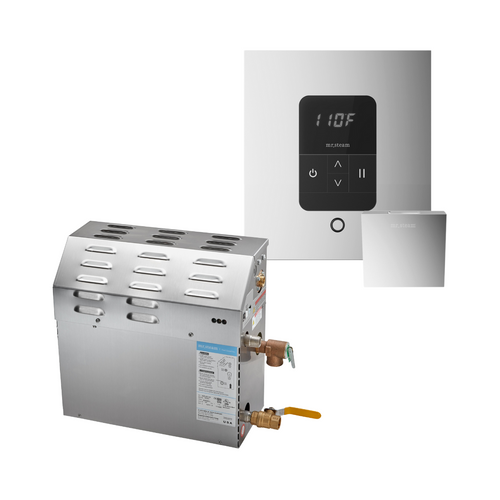
This category covers steam generator bundle packages centered on a 7.5 kW output rating. A steam generator converts electrical energy into steam, then delivers that steam into an enclosed shower space to create the heat and humidity of a traditional steam bath. The 7.5 kW rating puts these units in a capacity range suited to a variety of enclosed steam shower enclosures, though the right fit for any given space still depends on the room's actual dimensions, materials, and insulation, as covered below. Within the broader Steam Shower Generator Bundles lineup, this category isolates specifically the 7.5 kW tier, so you are not sorting through a mixed-wattage list when you already know the output level you are targeting.

The buyers who land here vary. Some are homeowners replacing a failed unit in an existing steam shower or upgrading a standard shower to full steam capability. Others are contractors who have already specced the project and need the bundle on site, not a back-and-forth sourcing process. Light commercial installations, such as gym locker rooms, spa suites, and hospitality spaces, are also a genuine use case for this output class, as are distributors sourcing inventory for their own customer base. The information on this page is written to be useful across all of those situations.

Choosing the Right 7.5 kW Steam Generator

Wattage is not the whole story. 7.5 kW is a meaningful filter, but getting the purchase right means thinking through several other factors before you commit.

Start with the enclosure volume. Steam generators are typically sized to the cubic footage of the space they serve, and the relationship is not purely linear because materials matter a great deal. A glass-walled enclosure holds heat very differently than one finished with natural stone or marble, which absorbs it. A shower with a standard ceiling performs differently than one with a vaulted ceiling that adds volume without adding usable steam space. Confirm the cubic footage your space actually presents, account for the surface materials, and check that the generator you are selecting is rated for that load. When in doubt, it is worth a conversation with the manufacturer or your distributor rather than a guess.

Application type is the next decision point. A residential steam shower in a primary bathroom is a steady-cycle use case, typically a session or two per day at most. A gym facility or hotel amenity is a different animal: higher daily run hours, potentially continuous or near-continuous operation across peak periods, and a much more demanding duty cycle. The generator and its components need to be rated for the actual application. A unit that is sufficient for residential duty may not hold up in a commercial setting, even at the same output wattage.

Bundle composition also varies by product. Some bundles are more complete than others. Before ordering, verify exactly which components are included: the generator head itself, the steam outlet, the control interface, a steam head or heads, and any auto-flush or drain mechanisms. A missing control panel or a steam head not included in the bundle changes both your cost and your site-prep timeline. The installation and compatibility notes further down this page cover what to check on the electrical and plumbing side before anything ships.

Efficiency and operating cost are worth considering too, particularly in commercial applications where the unit may run for extended periods. The energy draw of a 7.5 kW unit is fixed by its rating, but factors like auto-flush cycles, standby modes, and insulation quality of the feed lines all influence real-world operating cost. A distributor sourcing for resale or a contractor stocking for multiple projects may also want to look at lead times and volume availability, which is worth a direct conversation with HVAC365 rather than an assumption based on a single unit's availability.

Buying Tips

  • Do not skip the enclosure volume calculation. Buyers regularly select a 7.5 kW generator because it matches a prior unit's wattage, without accounting for a remodel that changed the enclosure size or materials. A stone-tiled shower that was renovated from tile to marble may now need more capacity even if the footprint did not change. Recalculate; do not just match wattage to wattage.
  • Check what the bundle actually includes before you order. Bundle contents vary by manufacturer and product line. A control system is not always included. If the bundle omits the steam head or the digital control, you need to source those separately, and compatibility matters. Do not assume.
  • Plan the auto-flush requirement before rough-in. Many steam generators at this output level require a drain connection for the auto-flush function. If the drain is not roughed in during construction, adding it afterward is a demo job. This is the kind of detail that is simple to address in the framing stage and expensive to address after tile is set.
  • Match the generator to the duty cycle, not just the output. A generator sized correctly for a residential bathroom may be running at or near its limit in a commercial setting with back-to-back sessions. If the installation is commercial, confirm that the selected unit is rated for that use pattern, not just that it produces the right wattage.

How 7.5 kW Steam Generators Are Configured

At the 7.5 kW tier, most of the meaningful configuration differences come down to control interface, bundle completeness, and generator-head design rather than output variations, since the output is fixed by the category itself.

  • Basic bundles: These include the generator and the minimum components to get steam into the enclosure. They are appropriate when you already have a compatible control system or are replacing a generator head in an existing installation where the other components are still functional.
  • Full or complete bundles: These package the generator with a control panel, steam head, and sometimes an auto-flush system. They are the right starting point for a new installation where nothing is already in place. The tradeoff is that a full bundle ties you to a specific control interface and steam head design, so confirm those are acceptable for the project before ordering.
  • Commercial-rated configurations: Some products in this output class are specifically rated for commercial duty cycles. If the installation is a gym, spa, or hospitality application, look for that designation explicitly rather than assuming a residential-rated unit will hold up to the higher demand.

Specific brand model series are not listed here because product availability changes. Use the filters in this category to sort by bundle type and confirm the included components in the product listing before adding to cart.

What It Takes to Install a 7.5 kW Steam Generator

Steam generator installation is a multi-trade job. Electrical, plumbing, and finish work all intersect, and a mistake in any of them means tearing into finished work to fix it. Understand what you are getting into before the unit ships.

Electrical supply. A 7.5 kW generator draws substantial current. Pull the specification sheet for the unit you are ordering and verify the voltage, amperage, and phase requirements against what is available at the installation site. Most residential units in this class require a dedicated circuit; check the breaker size and wire gauge required against your panel's available capacity. For commercial installs, the electrical requirements may differ. Do not assume the existing panel has room or that the existing wiring is rated correctly. Have a licensed electrician confirm before rough-in.

Plumbing and water supply. The generator needs a cold water supply line. Check the required supply pressure and line size in the product specification. Many units at this output level also require a drain connection for auto-flush, as noted in the buying tips above. If the installation is in an interior location, verify that both supply and drain can be routed without excessive run lengths, since long runs affect performance.

Generator placement. Most steam generators at this class are designed for installation outside the steam enclosure, typically in an adjacent mechanical space, a vanity cabinet, or a closet. Measure the clearances required for the unit you are ordering: airflow, service access, and heat dissipation all factor in. The steam line from the generator to the enclosure should be kept as short and straight as possible; longer runs with more bends reduce steam delivery. Check the maximum recommended steam line length in the product documentation and route accordingly.

Steam outlet and head placement. The steam head inside the enclosure needs to be positioned so that steam disperses properly and does not blow directly onto users or onto surfaces that will be damaged by concentrated heat. Manufacturer guidelines vary by unit; look up the placement specifications before framing.

Controls and integration. The control interface for your chosen bundle may mount inside or outside the steam enclosure. Verify the IP rating of any in-enclosure controls: steam environments are wet and hot, and a control not rated for that exposure will fail. If you are integrating with a smart home or commercial building control system, confirm compatibility before the installation is complete, not after.

Insulation and enclosure sealing. A steam enclosure that is not properly sealed loses heat and steam to adjacent spaces, which increases the load on the generator and reduces efficiency. Verify that the enclosure design is appropriate for steam use, including the ceiling material and any door seals, before assuming the generator's rated capacity will match the real-world output in that space.

Things You Should Know

Q: What size enclosure is a 7.5 kW steam generator suited for?

A: It depends on cubic footage and surface materials, not wattage alone. The sizing factors — volume, ceiling height, and material type — are explained above in the choosing section. Use the manufacturer's published capacity chart for the specific unit you are ordering to confirm the match.

Q: Do these bundles include everything needed for installation?

A: It depends on the specific bundle. Some include the generator, control panel, steam head, and drain assembly; others include only the generator and basic components. The bundle composition notes above explain what to look for. Check the product listing carefully before ordering.

Q: Can a 7.5 kW steam generator be used in a commercial setting?

A: Some units at this output level are rated for commercial duty cycles and some are not. The application type discussion above covers why duty cycle matters. Look for a commercial duty rating on the product spec sheet before ordering for anything other than a residential bathroom with normal daily use.

Q: What electrical supply does a 7.5 kW steam generator require?

A: A dedicated circuit is standard, but the exact voltage, amperage, and phase depend on the specific product. Pull the spec sheet and have a licensed electrician verify the panel capacity and wiring before rough-in. The electrical section above covers what to check on site.

Q: Does the generator need to be installed inside the steam shower?

A: No. Most units install outside the enclosure in a mechanical space, cabinet, or closet, connected via a steam line. Keep that line as short as practical. The placement details above explain clearance and line-length considerations.

Q: Is an auto-flush system required, and does it need a drain?

A: Many generators in this class include or require an auto-flush mechanism, and yes, that typically requires a drain connection. Plan for it before rough-in — the buying tips above explain why this is much easier to address during framing than after tile is set.

Q: How do I know if a 7.5 kW output is the right tier for my project?

A: Use the manufacturer's sizing calculator or published capacity chart for the unit you are considering. If you are between tiers, the general guidance is to select the next size up, but confirm against the specific product's guidelines. The enclosure volume and materials discussion above walks through the key variables.

HVAC365 ships 7.5 kW steam generator bundles nationwide, which matters when a stalled installation is costing a contractor time or a homeowner is living without a working steam shower. The catalog is stocked across bundle types, from basic generator-only configurations to complete packages, so there is a starting point available whether you are doing a straightforward replacement or building a new installation from scratch. Orders are open to residential buyers and distributor accounts alike.

Compare

Fast Shipping

Easy Returns

Warranty Coverage

Financing Available